

Anaemia: WHO Reports 40% of Children and 37% of Pregnant Women Affected – Iron Deficiency, Prevention, and Global Health Impact
WHO reveals anaemia affects 40% of children, 37% of pregnant women, and 30% of women globally - impacting 1.9 billion people. Discover iron deficiency causes, health consequences including maternal mortality, cognitive impairment, prevention strategies through supplementation and fortification, and WHO's global targets.

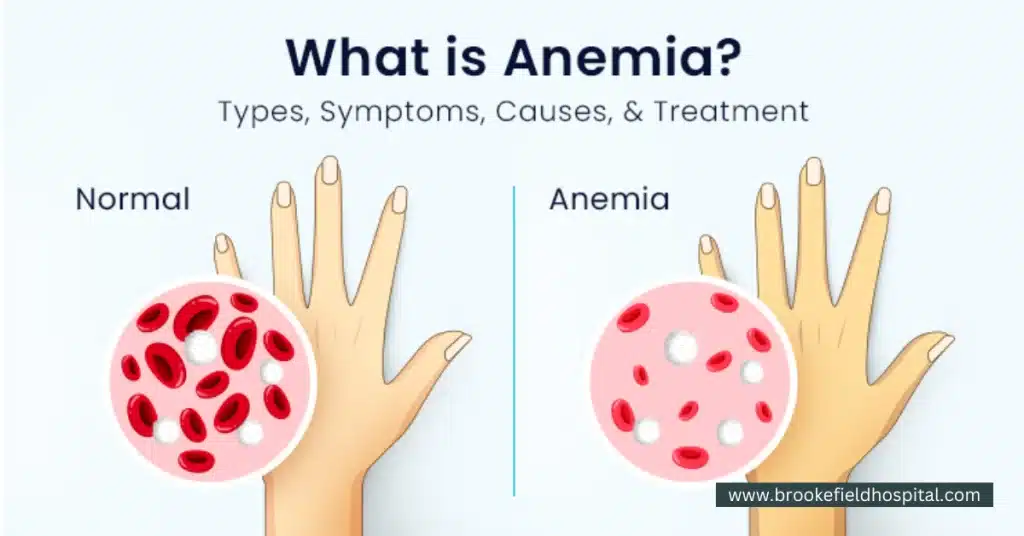
In health facilities across North Darfur and throughout the world, mothers bring their children for check-ups, many unknowingly affected by a condition silently undermining health, development, and survival. Anaemia, characterized by insufficient red blood cells or haemoglobin to carry oxygen throughout the body, represents one of the most widespread yet preventable public health problems globally. The World Health Organization estimates that 40% of children aged 6-59 months, 37% of pregnant women, and 30% of women aged 15-49 years worldwide are anaemic – representing approximately 1.9 billion people whose health, productivity, and quality of life are compromised by this condition. As both an indicator and consequence of poor nutrition and poor health, anaemia particularly devastates young children, menstruating adolescent girls and women, and pregnant and postpartum women, with cascading impacts on maternal and child mortality, cognitive development, work productivity, and economic wellbeing.
Understanding Anaemia: Blood, Oxygen, and Health
Anaemia is a condition in which the number of red blood cells or the haemoglobin concentration within them is lower than normal. Haemoglobin, the iron-containing protein in red blood cells, performs the vital function of carrying oxygen from the lungs to all body tissues and organs. When red blood cells are too few, abnormal in structure, or contain insufficient haemoglobin, the blood’s oxygen-carrying capacity decreases. This reduced oxygen delivery to tissues results in the characteristic symptoms of anaemia including fatigue, weakness, dizziness, drowsiness, and shortness of breath, particularly during physical exertion.
The optimal haemoglobin concentration needed to meet physiologic requirements varies according to several individual characteristics. Age significantly influences haemoglobin needs, with infants, young children, and adolescents requiring different levels than adults. Sex differences become important after puberty, with menstruating women typically having lower haemoglobin levels than men due to regular blood loss. Elevation of residence affects oxygen availability in the atmosphere, requiring higher haemoglobin concentrations at high altitudes to compensate for reduced atmospheric oxygen. Smoking habits influence haemoglobin levels, as chronic smoking exposure leads to compensatory increases in red blood cell production. Pregnancy status dramatically increases blood volume while haemoglobin concentration naturally dilutes, requiring specific diagnostic criteria during pregnancy.
WHO guidelines on haemoglobin cutoffs provide specific diagnostic thresholds for defining anaemia in different populations. For children aged 6-59 months, anaemia is defined as haemoglobin below 11.0 g/dL. For children 5-11 years, the threshold is 11.5 g/dL. For children 12-14 years, 12.0 g/dL defines anaemia. For non-pregnant women 15 years and older, anaemia is haemoglobin below 12.0 g/dL, while for pregnant women the threshold is 11.0 g/dL. For men 15 years and older, anaemia is defined as haemoglobin below 13.0 g/dL. These thresholds may require adjustment based on altitude and other individual factors.
Anaemia is classified by severity into mild, moderate, and severe categories based on how far haemoglobin falls below normal thresholds. Mild anaemia may produce minimal symptoms and often goes undetected without screening. Moderate anaemia typically causes noticeable fatigue, weakness, and reduced exercise tolerance. Severe anaemia produces debilitating symptoms and life-threatening complications including heart failure, profound weakness, and increased mortality risk, particularly for pregnant women and young children.
The Global Burden: Prevalence and Distribution
The scale of anaemia’s global impact is staggering. WHO estimates that approximately 1.9 billion people worldwide are affected by anaemia, making it one of the most prevalent nutritional disorders globally. The burden falls disproportionately on specific vulnerable populations whose physiological iron requirements are elevated or whose nutritional status is compromised.
Among children aged 6-59 months, 40% are estimated to be anaemic globally. This translates to approximately 269 million young children whose physical and cognitive development is compromised by insufficient oxygen delivery to rapidly growing tissues and brains. The prevalence is highest in low- and middle-income countries, particularly in sub-Saharan Africa and South Asia, where rates often exceed 50-60% in some populations. Even in high-income countries, childhood anaemia remains a concern, particularly among economically disadvantaged communities.
Pregnant women face particularly high anaemia risk, with 37% affected globally. Pregnancy dramatically increases iron requirements to support expanded maternal blood volume, placental development, and fetal growth. Maternal anaemia significantly elevates risks of maternal mortality, preterm birth, low birth weight, and postpartum complications. In some regions, over half of pregnant women are anaemic, creating severe public health consequences for both mothers and their children.
Among women of reproductive age (15-49 years), 30% are estimated to be anaemic globally. Regular menstrual blood loss, combined with often inadequate dietary iron intake and repeated pregnancies in some contexts, creates chronic iron deficiency in millions of women. Adolescent girls experiencing rapid growth alongside the onset of menstruation are particularly vulnerable. The combination of high iron requirements and often poor nutritional status makes this demographic one of the highest-risk groups for anaemia globally.
Regional variations in anaemia prevalence reflect differences in dietary patterns, infectious disease burdens, health system capacities, and socioeconomic conditions. Sub-Saharan Africa experiences the highest anaemia rates, driven by malaria burden, intestinal parasites, malnutrition, and limited healthcare access. South Asia also faces severe anaemia problems, particularly among women and children, related to predominantly plant-based diets with limited bioavailable iron, high infectious disease burdens, and social factors including early marriage and pregnancy. Other regions including Southeast Asia, Eastern Mediterranean, and Latin America also face substantial anaemia burdens, though typically at somewhat lower prevalence than Africa and South Asia.
Urban-rural disparities show mixed patterns. Rural populations often face greater anaemia risk due to limited healthcare access, higher infectious disease exposure, and food insecurity. However, urban poor populations living in crowded conditions with inadequate sanitation also experience high anaemia rates, demonstrating that poverty and poor living conditions drive risk regardless of geographic location.
Socioeconomic gradients in anaemia prevalence are pronounced and consistent across countries. Lower-income households, less educated families, and marginalized communities experience substantially higher anaemia rates than more privileged groups. These disparities reflect differential access to nutritious foods, healthcare services, improved water and sanitation, and protective living conditions. Anaemia thus both reflects and perpetuates socioeconomic inequalities.
Causes of Anaemia: From Iron Deficiency to Chronic Disease
Anaemia results from multiple, often overlapping causes that vary in relative importance across populations and contexts. Understanding these diverse etiologies is essential for designing effective prevention and treatment strategies.
Iron deficiency stands as the most common nutritional cause of anaemia globally, estimated to cause approximately half of all anaemia cases worldwide. Iron is essential for haemoglobin synthesis, and insufficient iron availability limits red blood cell production. Iron deficiency develops through inadequate dietary intake of bioavailable iron, inadequate absorption of dietary iron, increased iron requirements during periods of rapid growth or pregnancy, and chronic blood loss including menstruation and gastrointestinal bleeding. Populations consuming predominantly plant-based diets with limited meat, poultry, or fish intake are at particular risk, as iron from plant sources (non-heme iron) is far less bioavailable than iron from animal sources (heme iron).
Other nutritional deficiencies contribute importantly to anaemia. Folate (vitamin B9) is essential for red blood cell production, and deficiency causes megaloblastic anaemia characterized by large, immature red blood cells. Vitamin B12 deficiency produces similar megaloblastic anaemia and occurs particularly among people consuming no animal products (vegans) without supplementation, elderly people with reduced absorption, and those with certain gastrointestinal conditions. Vitamin A deficiency impairs iron metabolism and red blood cell production through multiple mechanisms. Riboflavin, copper, and other micronutrients also play roles in red blood cell production, and multiple micronutrient deficiencies often coexist.
Infectious diseases represent major causes of anaemia, particularly in low-resource settings with high infectious disease burdens. Malaria causes both acute and chronic anaemia through multiple mechanisms including direct destruction of red blood cells, bone marrow suppression, and inflammatory responses. In malaria-endemic regions, this parasitic disease may be the leading cause of severe anaemia, particularly in young children and pregnant women. Intestinal parasitic infections including hookworm, schistosomiasis, and whipworm cause chronic blood loss leading to iron deficiency anaemia. These helminth infections affect hundreds of millions of people in tropical and subtropical regions. Tuberculosis commonly causes anaemia of chronic disease through inflammatory mechanisms. HIV infection produces anaemia through multiple pathways including the infection itself, opportunistic infections, antiretroviral medications, and nutritional deficiencies.
Inflammation and chronic diseases cause anaemia through mechanisms collectively termed “anaemia of chronic disease” or “anaemia of inflammation.” Inflammatory cytokines interfere with iron metabolism, suppress red blood cell production, and reduce red blood cell lifespan. Chronic conditions including inflammatory bowel diseases, rheumatoid arthritis, kidney disease, cancer, and other long-term illnesses commonly produce anaemia through these inflammatory mechanisms. This form of anaemia does not respond to iron supplementation alone and requires addressing the underlying condition.
Gynaecological and obstetric conditions contribute substantially to anaemia in women. Heavy menstrual bleeding (menorrhagia) causes chronic iron loss exceeding dietary intake in many women. Repeated, closely-spaced pregnancies deplete maternal iron stores without adequate time for repletion between pregnancies. Postpartum haemorrhage causes acute severe anaemia. Uterine fibroids and other gynaecological conditions may cause chronic blood loss.
Inherited red blood cell disorders produce anaemia through genetic abnormalities affecting haemoglobin structure or red blood cell function. Sickle cell disease, caused by abnormal haemoglobin that distorts red blood cells, leads to chronic anaemia through premature red blood cell destruction. Thalassemia, caused by impaired haemoglobin production, produces varying degrees of anaemia depending on the genetic variant. These inherited conditions are particularly prevalent in certain populations including those of African, Mediterranean, Middle Eastern, and Asian ancestry.
The reality in many settings is that anaemia results from multiple concurrent causes. A pregnant woman in a low-resource setting might have inadequate dietary iron intake, recent malaria infection, intestinal worms, and chronic inflammation, all contributing to her anaemia. Effective interventions must therefore address multiple factors simultaneously.
Health Impacts: The Consequences of Inadequate Oxygen Delivery
Anaemia’s health impacts extend far beyond the immediate symptoms of fatigue and weakness, with serious consequences for growth, development, pregnancy outcomes, cognitive function, physical capacity, disease susceptibility, and mortality risk.
For pregnant women, maternal anaemia significantly increases risks of maternal mortality, making anaemia one of the leading preventable causes of pregnancy-related deaths globally. Severe anaemia contributes to maternal deaths through heart failure, severe bleeding, and increased susceptibility to infections. Beyond mortality, maternal anaemia increases risks of preterm birth, as anaemic women more frequently go into labor early. Low birth weight occurs more commonly when mothers are anaemic, as inadequate oxygen delivery limits fetal growth. Postpartum haemorrhage, already a leading cause of maternal death, poses even greater danger for anaemic women with reduced physiologic reserves. Maternal anaemia also increases risks for depression and reduced quality of life during pregnancy and postpartum periods.
For infants and children, the consequences of anaemia are severe and potentially irreversible. Anaemia during critical early development periods impairs cognitive development, with studies demonstrating reduced intelligence, learning capacity, memory, and attention in previously anaemic children even years after anaemia correction. The developing brain’s high oxygen requirements make it particularly vulnerable to anaemia’s effects. Motor development also suffers, with anaemic infants and children showing delays in achieving developmental milestones. Physical growth may be stunted, as insufficient oxygen delivery limits tissue growth and development. School performance suffers considerably, with anaemic children showing reduced school attendance, lower test scores, and higher grade repetition rates compared to non-anaemic peers. These cognitive and educational impacts create lasting disadvantages affecting lifetime achievement and economic productivity.
The relationship between childhood anaemia and mortality is well-established. Severe anaemia directly causes death through heart failure and severe hypoxia in young children. Additionally, anaemia increases mortality risk from other common childhood illnesses including pneumonia, diarrheal diseases, and malaria by impairing immune function and reducing physiologic reserves. Studies demonstrate that anaemic children have substantially higher mortality rates than non-anaemic children, even accounting for other risk factors.
For adults, anaemia reduces work productivity and physical capacity, limiting economic productivity and household income. Anaemic workers show reduced endurance, strength, and ability to sustain physical labor. Studies document significant productivity losses attributable to anaemia in agricultural workers, industrial laborers, and other occupations. This reduced work capacity has direct economic consequences for individuals, families, and national economies.
Immune function is compromised by anaemia, increasing susceptibility to infections and reducing ability to fight diseases. The relationship between anaemia and infection is bidirectional, with anaemia increasing infection risk while infections worsen anaemia. This creates vicious cycles particularly problematic in settings with high infectious disease burdens.
Cardiovascular impacts include increased heart rate and cardiac output as the body attempts to compensate for reduced oxygen-carrying capacity. Chronic severe anaemia can lead to high-output heart failure as the heart cannot sustain the increased workload indefinitely. Anaemia also worsens outcomes for people with existing heart disease.
Quality of life suffers comprehensively with anaemia. Beyond specific health impacts, anaemia causes chronic fatigue, weakness, reduced ability to perform daily activities, social participation limitations, and psychological distress. These impacts on daily functioning and wellbeing are often underestimated but represent significant burdens for millions of people.
Anaemia in Pregnancy: A Critical Health Priority
Pregnancy creates a perfect storm of conditions elevating anaemia risk while simultaneously making anaemia particularly dangerous. Understanding and addressing maternal anaemia represents one of the most important opportunities to improve maternal and child health outcomes globally.
Physiological changes during pregnancy dramatically increase iron requirements. Blood volume expands by approximately 50% during pregnancy, requiring substantial increases in red blood cell production. The placenta develops as a new organ with its own iron requirements. The growing fetus requires iron for its own blood production and tissue development, drawing from maternal iron stores. These combined demands mean pregnant women require approximately triple the iron of non-pregnant women. If dietary iron intake and pre-pregnancy iron stores are inadequate to meet these increased needs, anaemia develops or worsens.
Many women enter pregnancy already iron deficient or anaemic due to regular menstrual blood loss, inadequate dietary iron, previous pregnancies, or other factors. Pregnancy then exacerbates existing deficiency, leading to progressively worsening anaemia as pregnancy advances. Women with short intervals between pregnancies lack adequate time to restore iron stores before facing increased demands again.
The consequences of maternal anaemia extend to both mother and baby. For mothers, severe anaemia is associated with maternal mortality risk increases of several-fold compared to non-anaemic women. The mechanisms include heart failure from chronic severe anaemia, reduced ability to tolerate even normal blood loss during delivery, and increased infection susceptibility. Anaemic women also experience reduced quality of life during pregnancy, with severe fatigue, breathlessness, and difficulty performing daily activities.
For babies, maternal anaemia increases preterm birth risk, as oxygen deprivation triggers early labor. Low birth weight occurs more frequently when mothers are anaemic, with infants born smaller and more vulnerable. Perinatal mortality (death shortly before or after birth) is elevated among babies born to severely anaemic mothers. Even babies who survive face elevated risks of childhood anaemia, developmental delays, and health problems.
Preventing and treating maternal anaemia therefore represents a high-impact intervention to improve pregnancy outcomes. WHO recommends iron and folic acid supplementation throughout pregnancy for all women, even in the absence of diagnosed anaemia, as a preventive strategy. In areas with anaemia prevalence above 20%, daily supplementation with 30-60 mg of elemental iron and 400 mcg of folic acid is recommended throughout pregnancy and for three months postpartum. Where daily supplementation proves difficult due to side effects or adherence challenges, intermittent supplementation (e.g., weekly) offers an alternative, though daily supplementation is preferred when feasible.
Screening and treating anaemia during antenatal care saves lives and improves outcomes. Haemoglobin testing at first antenatal contact and again in the third trimester identifies anaemia, enabling timely treatment. Women found to be anaemic should receive higher-dose iron supplementation (typically 120 mg elemental iron daily) along with investigation and treatment of underlying causes when possible.
Addressing factors beyond supplementation improves maternal anaemia prevention. Adequate spacing between pregnancies allows maternal iron store repletion. Preventing and treating malaria, intestinal parasites, and other infections reduces anaemia risk. Improving dietary iron intake and food security supports better nutrition. Delayed cord clamping (waiting 1-3 minutes after birth before cutting the umbilical cord) increases infant iron stores, reducing infant anaemia. These comprehensive approaches achieve greater impact than supplementation alone.
Anaemia in Children: Threatening Development and Survival
The 40% of young children affected by anaemia globally face threats to their survival, growth, and development that can create lifelong disadvantages. The period from 6 months to 5 years of age represents both the highest anaemia risk and the most critical period when anaemia’s impacts on development may be irreversible.
Infants are born with iron stores accumulated during pregnancy, typically sufficient for approximately 6 months. Thereafter, dietary iron becomes essential. The transition from exclusive breastfeeding to complementary foods often creates a critical gap. Breast milk, while optimal nutrition in many ways, contains relatively little iron. If complementary foods introduced around 6 months lack sufficient bioavailable iron, infants quickly develop iron deficiency and anaemia. Many traditional complementary foods in low-resource settings consist primarily of cereals or starches with minimal meat, creating inadequate iron intake precisely when requirements are highest.
Young children face elevated iron requirements to support rapid physical growth and brain development. Growth during the first two years of life is more rapid than any other period of childhood. This rapid tissue expansion requires substantial iron. Brain development is particularly active, with critical periods for synapse formation, myelination, and cognitive development all requiring adequate iron and oxygen. When anaemia develops during these critical windows, developmental impacts may be irreversible even with subsequent anaemia correction.
The documented impacts of early childhood anaemia on cognitive development are sobering. Children who were anaemic as infants or toddlers show persistent cognitive deficits years later, even after anaemia correction. These deficits include reduced IQ scores, impaired memory and attention, learning difficulties, and behavioral problems. The mechanisms likely involve both direct effects of iron deficiency on brain development and indirect effects of reduced oxygen delivery during critical developmental periods. Some evidence suggests that deficits may be partially reversible if anaemia is corrected promptly, but prolonged or severe anaemia appears to cause lasting impairment.
Motor development and physical growth also suffer. Anaemic young children show delayed achievement of motor milestones including walking, fine motor skills, and coordination. Physical growth may be stunted, with anaemic children often shorter and lighter than non-anaemic peers. These growth and developmental delays create disadvantages that compound over time.
School-age children with anaemia face educational challenges. They miss more school due to illness, have difficulty concentrating in class, score lower on tests, and repeat grades more frequently than non-anaemic classmates. These educational disadvantages create cascading effects on future opportunities and life outcomes. The societal costs of widespread childhood anaemia thus extend far beyond immediate health impacts to include reduced human capital and economic productivity over lifetimes.
Preventing childhood anaemia requires comprehensive approaches starting even before birth. Adequate maternal nutrition and iron status during pregnancy provides better iron stores at birth. Exclusive breastfeeding for six months followed by appropriate iron-rich complementary foods supports adequate nutrition. In settings with high anaemia prevalence, iron supplementation for young children using daily drops or weekly sachets of micronutrient powders mixed into food can prevent anaemia development. Fortification of commonly consumed foods with iron improves population dietary intake. Prevention and treatment of malaria, intestinal worms, and other infections reduces anaemia risk. Growth monitoring and haemoglobin screening in child health services enables early detection and treatment.
Iron Deficiency: The Leading Nutritional Cause
While anaemia has multiple causes, iron deficiency stands as the most common nutritional etiology worldwide, estimated to cause approximately 50% of anaemia cases globally. Understanding iron requirements, dietary sources, absorption factors, and deficiency mechanisms is essential for effective prevention strategies.
Iron’s biological role centers on its incorporation into haemoglobin for oxygen transport, but it also functions in myoglobin (muscle oxygen storage), numerous enzymes, and cellular processes. Deficiency thus affects not only oxygen delivery but also energy metabolism, immune function, and numerous other processes. This explains why iron deficiency produces effects beyond anaemia, including fatigue, impaired immune function, and developmental impacts even before anaemia develops.
Human iron requirements vary substantially across the lifespan. Infants require relatively high iron per kilogram of body weight to support rapid growth. Young children continue to have elevated requirements for growth and development. Adolescents experience increased requirements during growth spurts, with adolescent girls facing additional demands from menstruation onset. Adult men have relatively low requirements in the absence of blood loss. Women of reproductive age require substantially more iron than men due to menstrual losses, with requirements varying based on menstrual blood loss. Pregnancy dramatically increases requirements as previously discussed. Lactation also increases requirements, though to a lesser degree than pregnancy. Elderly people may have reduced requirements but also often have reduced absorption and inadequate dietary intake.
Dietary iron exists in two forms with very different bioavailability. Heme iron, found in meat, poultry, and fish, is highly bioavailable with approximately 15-35% absorbed. Non-heme iron, found in plant foods including grains, beans, vegetables, and eggs, has much lower bioavailability, typically 2-20% absorbed depending on dietary factors. Populations consuming predominantly plant-based diets thus face substantially greater challenges in meeting iron requirements, as the total amount of iron in the diet may appear adequate but bioavailable iron is insufficient.
Numerous dietary factors influence non-heme iron absorption. Enhancers include vitamin C (ascorbic acid), which dramatically increases absorption when consumed in the same meal. Meat, poultry, and fish provide not only heme iron but also promote non-heme iron absorption from other foods in the meal. Inhibitors of iron absorption include phytates (found in whole grains, legumes, nuts), polyphenols (found in tea, coffee, some vegetables), calcium (from dairy products or supplements), and certain proteins. These inhibitors can substantially reduce already-low non-heme iron absorption. Traditional food processing methods including soaking, sprouting, and fermenting reduce phytate content and improve iron bioavailability from plant foods.
Iron deficiency develops progressively through stages. Initially, iron stores (primarily in the liver as ferritin) become depleted while haemoglobin remains normal. This stage may be asymptomatic or cause subtle fatigue and reduced exercise capacity. As deficiency progresses, iron supply becomes insufficient for normal red blood cell production, leading to iron-deficient erythropoiesis (red blood cell production) with declining haemoglobin and eventually anaemia. Severe, prolonged iron deficiency anaemia produces the full spectrum of anaemia symptoms and complications.
Addressing iron deficiency requires multifaceted approaches. Dietary improvements including increased consumption of meat, poultry, and fish provide highly bioavailable iron. For populations where animal source foods are limited by availability, affordability, or dietary preferences, optimizing plant-based iron absorption through vitamin C-rich foods, reducing inhibitor foods at meal times, and using fermented or processed grains improves bioavailability. Iron supplementation using daily tablets or weekly doses prevents and treats deficiency but faces challenges with side effects (particularly gastrointestinal discomfort) and adherence. Food fortification adds iron to commonly consumed staple foods including flour, salt, or condiments, reaching populations without requiring behavior change. Addressing causes of blood loss including treatment of intestinal parasites and management of heavy menstrual bleeding reduces iron losses.
Prevention Strategies: From Supplementation to Fortification
Preventing anaemia and iron deficiency requires comprehensive strategies working across multiple levels from individual supplementation to population-wide food fortification and addressing underlying social and environmental determinants.
Iron supplementation represents the most direct intervention for preventing and treating iron deficiency anaemia. WHO guidelines recommend daily oral iron supplementation for pregnant women (30-60 mg elemental iron) throughout pregnancy and postpartum. For children aged 6-23 months in settings with anaemia prevalence above 40%, daily iron supplementation (10-12.5 mg) or home fortification with micronutrient powders improves outcomes. For menstruating adolescent girls and women in populations where anaemia exceeds 20%, intermittent (e.g., weekly) iron and folic acid supplementation prevents anaemia effectively with fewer side effects than daily supplementation.
Supplementation effectiveness depends critically on adherence, which faces multiple barriers. Iron supplements commonly cause gastrointestinal side effects including nausea, constipation, and stomach discomfort, leading many people to discontinue use. Taking supplements with food reduces side effects but also reduces absorption, creating a trade-off. Tablet burden (taking supplements daily for months) challenges adherence. Inadequate supply and distribution in health systems limits access. Social and cultural factors including lack of perceived benefit, forgetfulness, and low health literacy reduce uptake. Overcoming these barriers requires multiple strategies including improved counseling and adherence support, considering intermittent regimens with fewer side effects, ensuring reliable supply chains, and integrating supplementation into routine health service contacts.
Food fortification with iron offers population-wide benefit without requiring individual behavior change or health service contact. Large-scale fortification programs add iron (and often other micronutrients) to centrally processed staple foods including wheat flour, maize flour, rice, salt, or condiments like soy or fish sauce. The iron compound, amount added, and food vehicle must be carefully selected to ensure stability, acceptability (no taste or color changes), and bioavailability. Successful programs require mandatory fortification legislation, industry capacity and compliance monitoring, quality assurance systems, and public awareness. Evidence from numerous countries demonstrates that properly implemented fortification programs significantly reduce iron deficiency and anaemia at population levels.
Biofortification, the breeding or genetic modification of crops to have higher micronutrient content, offers complementary approaches. Iron-biofortified beans, pearl millet, and rice have been developed and introduced in some countries, providing moderately increased iron content. While biofortification alone typically cannot meet full requirements, it contributes to improved dietary intake, particularly valuable for rural populations consuming home-grown foods.
Dietary diversification and improved dietary quality represent essential long-term solutions. Promoting increased consumption of meat, poultry, and fish where culturally acceptable and feasible improves heme iron intake. Even small amounts of animal source foods significantly enhance total iron bioavailability in meals. Promoting iron-rich plant foods including beans, lentils, dark leafy greens, and fortified foods increases iron intake. Education about meal composition to maximize absorption (including vitamin C sources, reducing tea/coffee at meals) optimizes dietary iron bioavailability. School meal programs and social safety nets can improve dietary quality for vulnerable children and families.
Addressing infectious disease burdens reduces anaemia from multiple pathways. Malaria prevention through insecticide-treated bed nets, indoor residual spraying, and prompt diagnosis and treatment prevents malaria anaemia in endemic regions. Deworming programs providing anthelminthic medications (albendazole or mebendazole) to at-risk populations reduces intestinal parasite burdens and associated blood loss. Water, sanitation, and hygiene (WASH) interventions reduce diarrheal diseases and parasitic infections. HIV prevention and treatment reduces AIDS-related anaemia. Tuberculosis control reduces TB-associated anaemia. These infection control interventions address major causes of anaemia particularly in low-resource settings with high infectious disease burdens.
Reproductive health interventions reduce anaemia risk in women. Family planning services enabling optimal pregnancy spacing allow maternal iron store repletion between pregnancies. Management of heavy menstrual bleeding through hormonal contraceptives or other medical interventions reduces chronic blood loss. Delaying first pregnancy until after adolescence allows girls to complete growth and development before facing pregnancy’s nutritional demands.
Improved water, sanitation, and hygiene (WASH) reduces anaemia through multiple pathways. Safe water prevents waterborne infections. Adequate sanitation reduces parasite transmission. Handwashing prevents diarrheal diseases. WASH improvements are thus important components of comprehensive anaemia prevention strategies, particularly in low-resource settings.
Social determinants including poverty, lack of education, gender inequality, and food insecurity fundamentally drive anaemia. Addressing these root causes through poverty reduction programs, education expansion, women’s empowerment, and improved food security creates enabling environments for anaemia reduction. While these broader social interventions are slower and more complex than biomedical interventions, they address fundamental drivers and create sustainable change.
Diagnosis and Screening: Identifying Anaemia
Accurate diagnosis of anaemia is essential for both individual clinical management and population surveillance to guide public health programs. Diagnosis involves measuring haemoglobin concentration, assessing severity, and ideally identifying underlying causes to guide appropriate treatment.
Haemoglobin testing provides the primary diagnostic measure for anaemia. Multiple testing methods exist with varying accuracy, cost, and feasibility. Laboratory-based methods using automated hematology analyzers provide precise measurements along with additional information about red blood cell characteristics (size, hemoglobin content) helpful for determining causes. These analyzers are standard in hospital laboratories but require stable electricity, maintenance, trained staff, and infrastructure generally unavailable in rural clinics or community settings.
Point-of-care haemoglobin testing devices enable testing in primary care clinics, community settings, and even homes. The HemoCue device, most widely used, provides reasonably accurate results from a finger-prick blood sample within 15-30 seconds. While more expensive per test than laboratory methods, HemoCue’s portability and simplicity make it valuable for screening programs, antenatal care in low-resource settings, and other applications where laboratory access is limited. Newer technologies including non-invasive devices measuring haemoglobin through skin optical properties are in development, potentially enabling screening without blood samples, though accuracy remains a concern.
Screening approaches vary based on setting and purpose. Universal screening tests everyone in a defined population regardless of symptoms, enabling detection of asymptomatic anaemia. This approach is recommended for pregnant women during antenatal care and is often used for young children in public health programs. Targeted screening focuses on high-risk groups, for example screening only those with symptoms, known risk factors, or from high-prevalence populations. Case-finding tests individuals presenting with anaemia symptoms to clinical services.
Beyond measuring haemoglobin, determining anaemia’s cause guides appropriate treatment. Iron deficiency is assessed through serum ferritin (iron stores), transferrin saturation (circulating iron), and other tests. However, ferritin is an acute-phase protein that increases during inflammation or infection, making interpretation challenging in settings with high infectious disease burdens. Folate and vitamin B12 levels identify these deficiencies. Hemoglobin electrophoresis diagnoses genetic hemoglobin disorders. Complete blood count with red blood cell indices provides clues about underlying causes. Stool examination detects intestinal parasites. Malaria testing identifies this important cause in endemic areas.
In low-resource settings without laboratory capacity for extensive testing, diagnosis often relies on haemoglobin testing alone, with treatment based on epidemiological likelihood of iron deficiency as the primary cause. This pragmatic approach treats most cases effectively but may miss other important causes requiring specific interventions.
Population surveys provide essential data for program planning, monitoring trends, and evaluating interventions. Demographic and Health Surveys (DHS) and Multiple Indicator Cluster Surveys (MICS) include haemoglobin testing in nationally representative samples, providing comparable data across countries. WHO compiles and publishes global, regional, and national estimates of anaemia prevalence using these surveys and other data sources, updated periodically to track progress toward global targets.
Treatment of Anaemia: Correcting the Underlying Problem
Effective anaemia treatment requires addressing underlying causes while also repleting deficient nutrients or providing supportive care as appropriate. Treatment approaches vary based on anaemia severity, cause, and setting.
For iron deficiency anaemia, oral iron supplementation represents first-line treatment. Therapeutic doses (100-200 mg elemental iron daily) are higher than preventive doses. Various iron salts (ferrous sulfate, ferrous fumarate, ferrous gluconate) provide equivalent elemental iron bioavailability. Taking iron on an empty stomach maximizes absorption but increases side effects. Taking with food or at lower doses improves tolerability but reduces absorption. Extended-release formulations may reduce side effects but provide less bioavailable iron. Treatment duration typically requires 3-6 months to correct anaemia and replete iron stores.
Injectable iron formulations offer alternatives when oral iron fails due to severe side effects, malabsorption, or need for rapid repletion. Newer intravenous iron preparations can deliver large doses safely in single infusions. Cost and need for healthcare facility administration limit widespread use, reserving injectable iron for cases where oral supplementation is inadequate.
Blood transfusions provide immediate haemoglobin replacement for severe, symptomatic anaemia threatening life or function. Transfusion criteria typically include haemoglobin below 7 g/dL with symptoms or below 4-5 g/dL regardless of symptoms, though exact thresholds vary based on clinical context. Transfusions carry risks including transfusion reactions, infection transmission, and iron overload with repeated transfusions, limiting use to situations where benefits clearly outweigh risks.
Treating underlying causes is essential and sometimes sufficient without supplementation. For anaemia caused by malaria, prompt effective antimalarial treatment resolves anaemia without iron supplementation in many cases. For anaemia from intestinal parasites, deworming with anthelminthic medications addresses blood loss. For anaemia caused by chronic diseases, treating the underlying condition (e.g., inflammatory bowel disease, kidney disease) is necessary for anaemia improvement. For heavy menstrual bleeding causing anaemia, gynaecological management with hormonal treatments or procedures reduces blood loss.
Folate deficiency anaemia responds rapidly to oral folic acid supplementation (1-5 mg daily). Vitamin B12 deficiency traditionally required intramuscular injections, though high-dose oral supplementation (1000-2000 mcg daily) also effectively treats deficiency in most cases. These treatments correct megaloblastic anaemia within weeks to months.
Follow-up monitoring ensures treatment effectiveness and enables adjustment if response is inadequate. Haemoglobin testing after 1-3 months of treatment confirms increasing levels. Continued anaemia despite treatment suggests either non-compliance, inadequate treatment, or alternative diagnosis requiring investigation. Even after anaemia correction, iron supplementation typically continues for several months to replete iron stores and prevent recurrence.
Programmatic Approaches: Scaling Up Anaemia Prevention
Translating evidence on effective interventions into large-scale programs that reach millions of affected people requires attention to delivery systems, service integration, quality assurance, behavior change communication, and monitoring and evaluation.
Integration with existing health services makes interventions more feasible and sustainable than stand-alone vertical programs. Antenatal care provides established contact points for pregnant women, enabling routine iron and folic acid supplementation, haemoglobin screening, and treatment. Child health services including immunization, growth monitoring, and sick child consultations offer opportunities to provide iron supplementation, micronutrient powders, or deworming to young children. School health programs can deliver weekly iron supplementation or deworming to school-age children and adolescents. This integration ensures interventions reach populations without creating parallel systems requiring additional infrastructure.
Community-based interventions extend reach beyond health facilities to homes and communities. Community health workers can distribute supplements, provide counseling, monitor adherence, and identify cases needing facility referral. Community iron supplementation and food fortification programs deliver interventions to populations with limited facility access. Community mobilization builds demand for and support of interventions. These community approaches are particularly important for reaching rural, remote, or marginalized populations often excluded from facility-based services.
Social and behavior change communication (SBCC) promotes understanding, acceptance, and appropriate use of anaemia prevention interventions while also encouraging beneficial dietary and health-seeking behaviors. Messaging addresses knowledge gaps about anaemia causes, consequences, and prevention; motivates behavior change by communicating benefits and addressing barriers; provides information on iron-rich foods and meal planning to maximize absorption; promotes supplement adherence by addressing concerns and side effects; and challenges harmful social norms including early marriage and pregnancy. Channels include mass media (radio, television), interpersonal communication by health workers, community mobilization activities, and increasingly digital platforms including mobile phone messaging. Effective SBCC requires formative research to understand target populations, pretesting messages for clarity and acceptability, and ongoing monitoring of reach and impact.
Quality assurance ensures interventions are delivered effectively. For supplementation programs, this includes ensuring adequate commodity supply without stockouts, appropriate storage maintaining product quality, training health workers and community distributors, supervising distribution and counseling, and monitoring coverage and adherence. For fortification programs, quality assurance includes monitoring industry compliance with fortification requirements, testing products to verify iron content and stability, and enforcement mechanisms for non-compliance.
Monitoring and evaluation tracks program implementation, coverage, and outcomes. Process indicators monitor distribution, coverage, and service delivery quality. Outcome indicators track changes in anaemia prevalence and iron deficiency. Impact indicators assess longer-term effects on child development, maternal mortality, and other health and development outcomes. Data systems linking service statistics, surveys, and health information systems enable evidence-based program management and improvement.
Global Targets and Progress: Tracking Anaemia Reduction
The global community has established specific targets for anaemia reduction, recognizing the importance of this public health problem. Progress toward these targets has been disappointingly slow, with substantial acceleration needed to achieve goals.
The World Health Assembly in 2012 established six global nutrition targets, including a 50% reduction in anaemia in women of reproductive age by 2025 (compared to 2011 baseline). This ambitious target recognized anaemia’s impact on women’s health and pregnancy outcomes. Progress toward this target has been inadequate, with recent WHO estimates showing anaemia prevalence declining far too slowly to reach the 2025 target. Most countries are off-track, particularly in regions with highest baseline prevalence. The target has been extended to 2030 under the new global nutrition targets, emphasizing continued commitment despite slow progress.
WHO’s Triple Billion targets, aimed at expanding health coverage, protecting from health emergencies, and promoting health and wellbeing, include anaemia reduction as a component of improved nutrition and maternal and child health. Progress dashboards track country and regional progress, though anaemia specifically shows limited advancement.
Accelerating progress requires addressing multiple challenges. Political commitment and prioritization remain inadequate in many countries despite anaemia’s substantial health and economic burden. Financing for anaemia prevention programs is often limited, with competition from other health priorities. Implementation capacity including trained workforce, supply chains, and systems for service delivery limits program scale and quality. Multisectoral coordination needed to address multiple causes (health, agriculture, education, social protection) is challenging to achieve. Addressing underlying social determinants including poverty, gender inequality, and food insecurity requires long-term commitment and broader development efforts beyond health sector alone.
Successful examples demonstrate that progress is possible. Several countries have substantially reduced anaemia through comprehensive programs combining supplementation, fortification, infection control, and dietary improvement. These success stories provide models for adaptation to other contexts. Common success factors include strong political commitment with adequate financing, comprehensive programs addressing multiple causes simultaneously, effective delivery systems reaching vulnerable populations, quality assurance ensuring intervention effectiveness, community engagement building demand and participation, and sustained efforts over many years recognizing that transforming nutritional status requires time.
Innovation and Research: Advancing Anaemia Control
Continued innovation and research are essential for developing improved interventions, optimizing program delivery, and addressing persistent knowledge gaps.
Diagnostic innovations aim to improve accessibility, accuracy, and affordability of anaemia testing. Non-invasive haemoglobin measurement devices under development could enable screening without blood sampling, dramatically expanding testing capacity. Smartphone-based applications using image analysis of conjunctiva, fingernails, or blood samples promise to make testing more widely available. Improved point-of-care tests for iron deficiency, particularly devices unaffected by inflammation, would enable better cause identification in resource-limited settings. Multiplex tests simultaneously assessing multiple micronutrient deficiencies and anaemia causes would guide more targeted interventions.
Iron compound innovations seek formulations with improved bioavailability, fewer side effects, and greater stability for fortification. Microencapsulated iron protects the iron compound while reducing interactions with food affecting taste and color, enabling fortification of foods previously unsuitable. Lipid-based nutrient supplements including iron-containing small-quantity lipid-based nutrient supplements for young children show promise. Sustained-release formulations potentially reduce side effects while maintaining efficacy.
Delivery system innovations include digital adherence support using mobile phone text messaging or apps to remind, encourage, and track supplement use. These digital tools show promise for improving adherence in populations with mobile phone access. Home fortification with micronutrient powders or small-quantity lipid-based nutrient supplements enables caregivers to provide nutrients directly in children’s foods at home. These approaches may achieve better coverage than facility-based supplementation. Integration of anaemia interventions into broader nutrition programs including management of acute malnutrition, micronutrient supplementation, and dietary counseling potentially improves efficiency and effectiveness.
Behavioral insights and implementation science research explores barriers to and facilitators of program uptake, adherence, and sustainability. Understanding why supplements sit unused, why fortification programs fail to achieve industry compliance, or why health workers don’t follow protocols enables designing improved programs addressing real-world challenges. This implementation research is critical for translating efficacy demonstrated in trials into effectiveness in real-world programs.
Basic science continues exploring iron metabolism, anaemia pathophysiology, and nutrition-infection-inflammation interactions. Understanding the mechanisms linking early childhood anaemia to lasting cognitive impacts may identify critical periods and interventions. Elucidating iron regulation during pregnancy could optimize supplementation timing and dosing. Unraveling interactions between iron, infection, and immunity may guide safer supplementation strategies in high-infection settings where concerns about iron potentially worsening infections have limited some programs.
Conclusion: A Preventable Problem Requiring Urgent Action
Anaemia affects 1.9 billion people globally, with particularly severe burdens on children, pregnant women, and women of reproductive age. As both an indicator and consequence of poor nutrition and poor health, anaemia reflects deep inequities while also perpetuating disadvantage through its impacts on child development, maternal mortality, work productivity, and economic wellbeing.
The consequences of anaemia are severe and far-reaching. Children’s cognitive development and survival are threatened. Maternal mortality remains unacceptably high partly due to anaemia. Economic productivity suffers as anaemic workers cannot perform to their capacity. Quality of life is diminished for millions experiencing chronic fatigue and limited function. These impacts create ripple effects across families, communities, and nations.
The tragedy is that anaemia is largely preventable and treatable. Effective interventions exist including iron supplementation, food fortification, dietary improvement, and infection control. Evidence demonstrates that comprehensive programs combining multiple interventions can substantially reduce anaemia when implemented with quality and scale. The tools exist; what remains inadequate is the political will, resource allocation, and implementation capacity to deploy these tools effectively to reach vulnerable populations.
Progress toward global anaemia reduction targets has been disappointingly slow. Meeting the 2030 target of 50% reduction requires dramatic acceleration of efforts. This demands increased political prioritization, adequate financing, strengthened health systems and delivery platforms, effective multisectoral coordination, sustained community engagement, and addressing underlying social determinants.
The path forward is clear. Countries must strengthen antenatal care systems to reach all pregnant women with iron supplementation and screening. Child health platforms must deliver iron interventions to young children during critical development periods. Food fortification programs should be expanded to reach populations with large-scale, sustainable improvements in dietary iron intake. Infection control addressing malaria, parasites, and other causes must be intensified. Reproductive health services should support optimal pregnancy spacing and management of heavy menstrual bleeding. Underlying social determinants including poverty, gender inequality, and food insecurity require attention through broader development programs.
Anaemia represents a solvable problem that demands urgent action. The health and wellbeing of billions of people, the development potential of millions of children, and the economic prosperity of nations depend on successfully addressing this pervasive nutritional disorder. With sustained commitment, adequate resources, and effective implementation of proven interventions, substantial anaemia reduction is achievable within this generation.
Related Resources:
- WHO Anaemia Fact Sheet
- Nutritional Anaemias: Tools for Prevention and Control
- WHO Haemoglobin Cutoff Guidelines
- Global Anaemia Estimates 2025
- Global Nutrition Targets 2030: Anaemia Brief
- e-Library of Evidence for Nutrition Actions (eLENA)
- Vitamin and Mineral Nutrition Information System
Frequently Asked Questions (Q&A Section)
Q1: How many people globally have anaemia? WHO estimates that approximately 1.9 billion people worldwide are affected by anaemia. The burden falls disproportionately on vulnerable populations, with 40% of children aged 6-59 months, 37% of pregnant women, and 30% of women aged 15-49 years affected globally. This makes anaemia one of the most widespread nutritional disorders worldwide, with particularly severe impacts in low- and middle-income countries.
Q2: What is anaemia and how is it defined? Anaemia is a condition in which the number of red blood cells or the haemoglobin concentration within them is lower than normal. Haemoglobin is needed to carry oxygen throughout the body. When you have too few or abnormal red blood cells, or insufficient haemoglobin, there is decreased capacity of the blood to carry oxygen to body tissues. This results in symptoms including fatigue, weakness, dizziness, and shortness of breath. WHO guidelines define specific haemoglobin thresholds for diagnosing anaemia that vary by age, sex, and pregnancy status.
Q3: What causes anaemia? Anaemia results from multiple causes including iron deficiency (the most common nutritional cause), other nutritional deficiencies (folate, vitamins B12 and A), infectious diseases (malaria, parasitic infections, tuberculosis, HIV), inflammation and chronic diseases, gynaecological and obstetric conditions (heavy menstrual bleeding, repeated pregnancies), and inherited red blood cell disorders (sickle cell disease, thalassemia). In many settings, multiple causes coexist in the same individual.
Q4: Why is iron deficiency the leading cause of anaemia? Iron deficiency is estimated to cause approximately 50% of anaemia cases globally. Iron is essential for haemoglobin synthesis, and insufficient iron limits red blood cell production. Iron deficiency develops through inadequate dietary intake of bioavailable iron, particularly from plant-based diets where iron absorption is poor, increased requirements during growth and pregnancy, and chronic blood loss from menstruation or intestinal parasites. Many populations consume diets with insufficient bioavailable iron to meet requirements.
Q5: Who is most at risk for anaemia? Young children aged 6 months to 5 years face high risk due to rapid growth increasing iron requirements combined with often inadequate dietary iron intake. Pregnant women are at high risk because pregnancy dramatically increases iron requirements to support expanded blood volume, placental development, and fetal growth. Menstruating adolescent girls and women face elevated risk from regular blood loss combined with inadequate intake. People in low-resource settings with limited dietary diversity, high infectious disease burdens, and poor sanitation face elevated risks.
Q6: How does anaemia affect pregnancy? Maternal anaemia significantly increases risks of maternal mortality, preterm birth, low birth weight, and postpartum complications. Severe anaemia contributes to maternal deaths through heart failure, inability to tolerate normal blood loss during delivery, and increased infection susceptibility. Babies born to anaemic mothers have elevated risks of being born prematurely, being born smaller, and experiencing perinatal death. WHO recommends iron supplementation throughout pregnancy to prevent and treat maternal anaemia.
Q7: What are the consequences of childhood anaemia? Childhood anaemia impairs cognitive development, with studies showing reduced intelligence, learning capacity, memory, and attention in previously anaemic children even years after correction. Motor development is delayed, physical growth may be stunted, and school performance suffers with reduced attendance and lower test scores. Severe anaemia increases childhood mortality risk. These developmental impacts create lasting disadvantages affecting lifetime achievement and economic productivity, making early childhood anaemia particularly devastating.
Q8: How is anaemia diagnosed? Anaemia is diagnosed by measuring haemoglobin concentration in blood. Laboratory-based automated hematology analyzers provide precise measurements but require infrastructure. Point-of-care devices like HemoCue enable testing in clinics and community settings from finger-prick blood samples. Haemoglobin below defined thresholds indicates anaemia: below 11.0 g/dL for children 6-59 months and pregnant women, below 12.0 g/dL for non-pregnant women, and below 13.0 g/dL for men, with adjustments needed for altitude and individual factors.
Q9: What is the WHO iron supplementation recommendation? WHO recommends daily oral iron supplementation for pregnant women throughout pregnancy and postpartum (30-60 mg elemental iron plus 400 mcg folic acid). For children aged 6-23 months in settings with high anaemia prevalence, daily supplementation (10-12.5 mg iron) or home fortification with micronutrient powders is recommended. For menstruating adolescent girls and women in populations where anaemia exceeds 20%, intermittent (weekly) iron-folic acid supplementation prevents anaemia effectively.
Q10: How does food fortification prevent anaemia? Large-scale food fortification adds iron (and often other micronutrients) to centrally processed staple foods including wheat flour, maize flour, rice, or condiments. This provides population-wide benefit without requiring individual behavior change or health service contact. When properly implemented with appropriate iron compounds, adequate fortification levels, quality assurance, and industry compliance, fortification programs significantly reduce iron deficiency and anaemia at population levels. Many countries have successfully implemented mandatory fortification.
Q11: What is the relationship between malaria and anaemia? Malaria is a major cause of anaemia, particularly in endemic regions affecting young children and pregnant women severely. Malaria parasites directly destroy red blood cells, suppress bone marrow production of new cells, and trigger inflammatory responses that interfere with iron metabolism. In malaria-endemic regions, this infection may be the leading cause of severe anaemia. Prevention through bed nets and prompt treatment are essential components of anaemia control in these settings.
Q12: Can anaemia be reversed? Most types of anaemia can be successfully treated and reversed by addressing underlying causes and providing appropriate interventions. Iron deficiency anaemia responds to iron supplementation within weeks to months, with haemoglobin rising and symptoms improving. However, some consequences of severe early childhood anaemia on cognitive development may be irreversible even after anaemia correction, emphasizing the importance of prevention and early treatment. Anaemia from chronic diseases requires treating the underlying condition.
Q13: What are the side effects of iron supplements? Iron supplements commonly cause gastrointestinal side effects including nausea, stomach discomfort, constipation, dark stools, and metallic taste. These side effects lead many people to discontinue supplementation. Taking iron with food reduces side effects but also decreases absorption. Intermittent supplementation (weekly rather than daily) causes fewer side effects while providing benefit, offering an alternative when daily supplementation is poorly tolerated. Starting with lower doses and gradually increasing can improve tolerance.
Q14: What foods are high in iron? Foods rich in highly bioavailable heme iron include red meat, poultry, and fish. Plant sources containing non-heme iron include beans, lentils, tofu, dark leafy greens (spinach, kale), fortified cereals and bread, dried fruits, and nuts. However, plant-based iron is far less bioavailable than animal sources. Consuming vitamin C-rich foods (citrus fruits, tomatoes, peppers) with iron-rich plant foods enhances absorption. Avoiding tea, coffee, and calcium-rich dairy at mealtimes improves iron absorption from plant foods.
Q15: What is the global target for anaemia reduction? The World Health Assembly established a target of achieving a 50% reduction in anaemia in women of reproductive age by 2025 (compared to 2011 baseline). Progress has been inadequate to meet this target, which has been extended to 2030. WHO’s recent analysis shows most countries are off-track, requiring dramatic acceleration of efforts through comprehensive programs combining supplementation, fortification, infection control, and addressing social determinants.
Observer Voice is the one stop site for National, International news, Sports, Editor’s Choice, Art/culture contents, Quotes and much more. We also cover historical contents. Historical contents includes World History, Indian History, and what happened today. The website also covers Entertainment across the India and World.

