Infection prevention and control: Preventing patients and health workers from avoidable infections
Infection prevention and control: Evidence-based practices saving lives


Nurse Maria Santos (Manila, Philippines) walked into the neonatal intensive care unit for her night shift in 2019, expecting a routine evening. Instead, she encountered a nightmare. Seven premature babies—tiny fighters who had survived difficult births and initial health challenges—were suddenly critically ill. Fevers. Respiratory distress. Blood infections. Within 48 hours, three babies died. Within a week, two more succumbed.
“The parents’ anguish was unbearable,” Maria recalled, her voice breaking even years later. “These babies survived prematurity, respiratory problems, feeding difficulties. They were getting stronger. Parents were preparing to take them home. Then suddenly, inexplicably, they were dying. Parents kept asking ‘what happened?’ I didn’t have answers.”
The hospital investigation revealed a devastating truth: healthcare-associated infection outbreak caused by contaminated equipment and inadequate hand hygiene. The babies hadn’t died from their original health problems. They died from infections acquired in the hospital—infections that were entirely preventable. Staff hadn’t followed proper sterilization protocols. Hand washing stations lacked soap. Nurses reused single-use items to save costs. Standard infection prevention procedures had been ignored or bypassed.
“Those five babies died because we failed at basic infection control,” Maria admitted. “We had life-saving medical equipment, skilled doctors, expensive medications. But we didn’t have proper infection prevention systems. We killed babies with our contaminated hands, our unsterilized equipment, our shortcuts. Those deaths were 100% preventable.”
According to WHO, Infection prevention and control (IPC) is a practical, evidence-based approach preventing patients and health workers from being harmed by avoidable infections. Effective IPC requires constant action at all levels of the health system, including policymakers, facility managers, health workers and those who access health services. IPC is unique in the field of patient safety and quality of care, as it is universally relevant to every health worker and patient, at every health care interaction. Defective IPC causes harm and can kill. Without effective IPC it is impossible to achieve quality health care delivery.
For more on healthcare safety, see our articles on patient safety and hospital management at ObserverVoice.com.
Scope and Critical Impact
Infection prevention and control affects all aspects of health care, including hand hygiene, surgical site infections, injection safety, antimicrobial resistance and how hospitals operate during and outside of emergencies. Programmes to support IPC are particularly important in low- and middle-income countries, where health care delivery and medical hygiene standards may be negatively affected by secondary infections. Much of the work done on infection prevention and control is hidden, as by its nature it prevents issues rather than treating them after the fact. However, health care-associated infections (HAIs) are an ongoing problem that no health authority can afford to ignore.
May 2025 WHO reported Progress on infection prevention and control highlighting global advances. May 2025 WHO issued reminder: Gloves do not replace hand hygiene emphasizing fundamental principle. November 2025 WHO marked World Pneumonia Day linking respiratory infections to IPC measures. April 2025 Global Sepsis Alliance hosted annual World Sepsis Congress addressing infection complications.
Related topics include Antimicrobial resistance, Coronavirus disease (COVID-19), Patient safety, and Water, sanitation and hygiene (WASH). For more on infectious diseases, see our article on healthcare safety systems at ObserverVoice.com.
WHO’s Comprehensive Response
To help in this fight, WHO has created a number of programmes and campaigns that set standards for evidence-based recommendations and operating procedures and promote behaviours to limit avoidable infections. The first WHO Global Patient Challenge laid the foundations for the IPC Global Unit, which works to support country capacity-building for IPC action. Through this programme, WHO provides technical assistance for developing local IPC policies and guidelines, performs in-country assessments, convenes meetings focused on guideline development and provides ongoing support for health care providers. WHO’s Infection prevention and control unit coordinates global efforts.
WHO also makes a global annual call to action for health workers through the SAVE LIVES: Clean Your Hands campaign held each May. This campaign seeks to educate health workers and patients on the importance of effective hand washing, the need for which has become more acute with the COVID-19 pandemic. WHO provides Implementation tools for healthcare facilities. WHO established Global Infection Prevention and Control Network (GIPC Network) to coordinate international efforts. WHO supports Private organisations for patient safety to enhance IPC programs.
Recent Publications and Guidelines
December 2025 WHO published Framework and toolkit for infection prevention and control outbreak preparedness, readiness and response noting that health facilities with limited or no IPC capacities can amplify emerging outbreaks. December 2025 WHO published Infection prevention and control and water, sanitation and hygiene in health emergencies readiness for response operations capabilities providing user guide and checklist. October 2025 WHO published Workshop on Strengthening Infection Prevention and Control in the Western Pacific Region meeting report. August 2025 WHO published Emerging from the Unknowing: WHO India’s strategic response to the pandemic chronicling technical support during COVID-19 response.
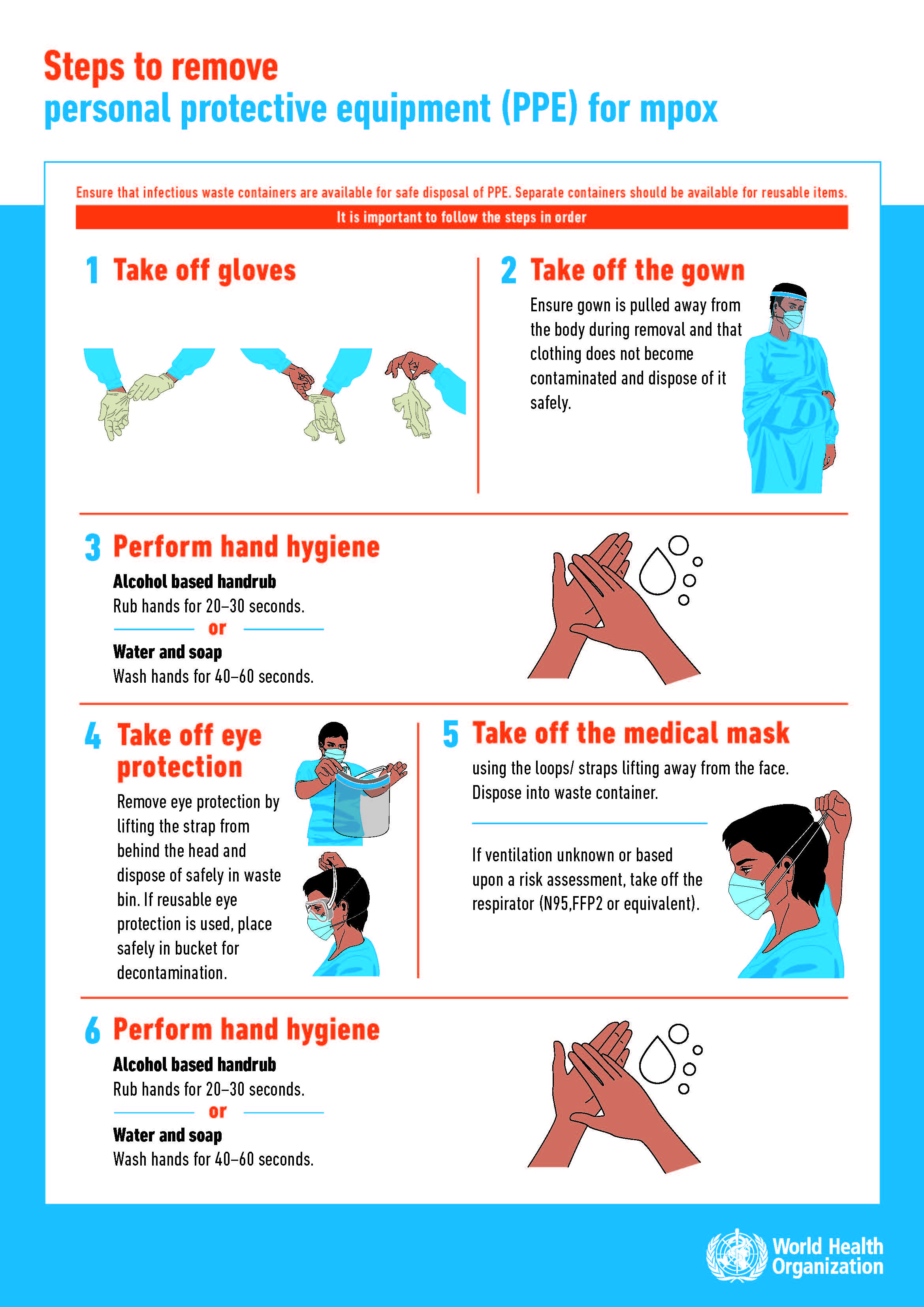
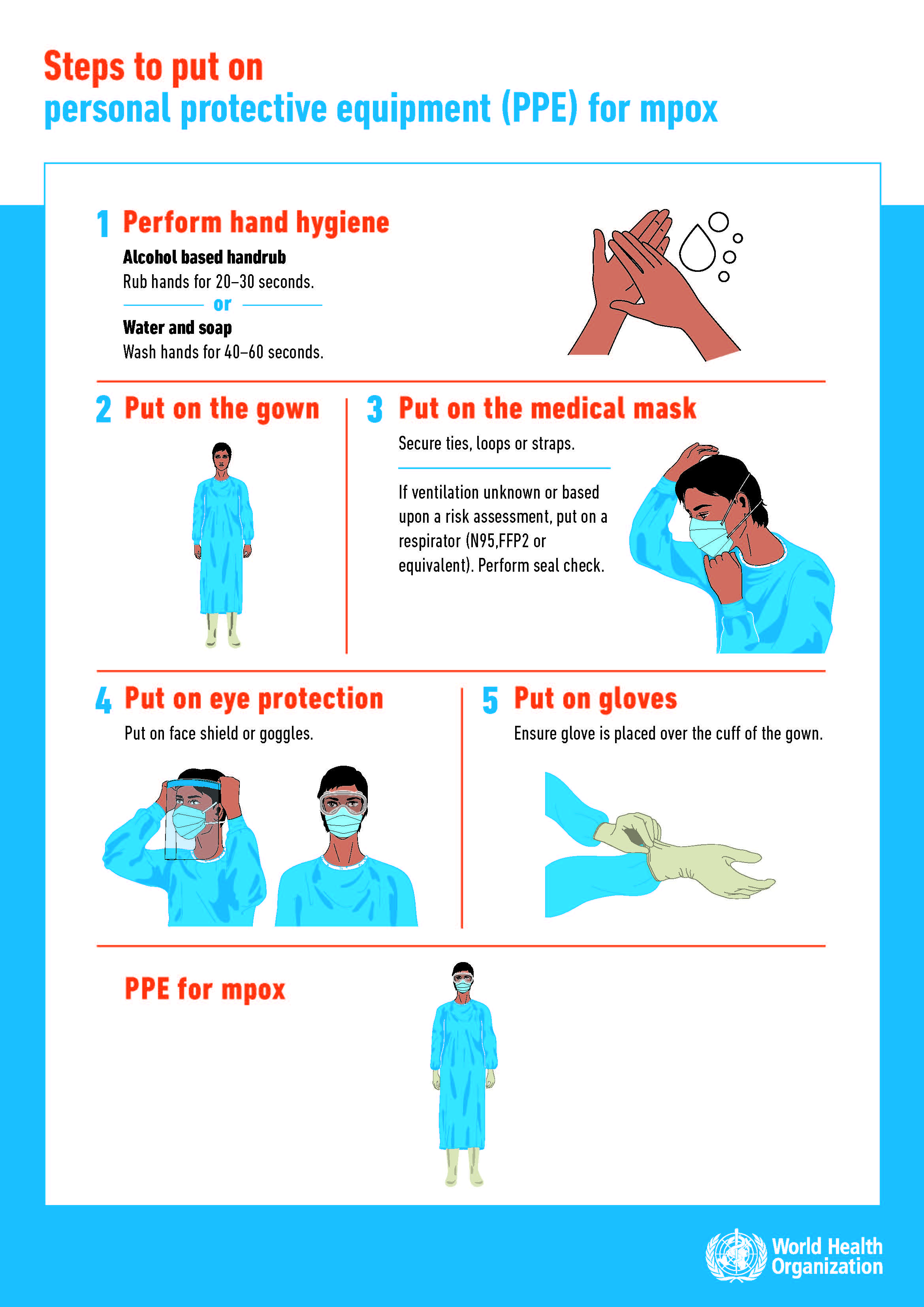
WHO provides Q&A on infection prevention and control for health care workers caring for patients with suspected or confirmed 2019-nCoV and guidance on Coronavirus (COVID-19). WHO provides infographics including Steps to remove personal protective equipment (PPE) for mpox, Steps to put on personal protective equipment (PPE) for mpox, and How to make soapy water solution.
World Health Assembly passed WHA72.6 on Global action on patient safety, WHA72.7 on Water, sanitation and hygiene in health care facilities, WHA72.5 on Antimicrobial resistance, and WHA55.18 on Quality of care: patient safety. WHO published Patient safety fact sheet and Antimicrobial resistance fact sheet.
November 2024 WHO reported Infection, prevention and control excellence in the Kingdom of Saudi Arabia: reducing central line-associated bloodstream infections demonstrating successful implementation.
Transformation Through IPC Implementation
Maria’s hospital underwent complete transformation following the outbreak investigation. The Philippines Department of Health, partnering with WHO, implemented comprehensive infection prevention and control program across all public hospitals. Maria’s facility received training, resources, oversight, accountability measures.
“Everything changed. We installed proper hand washing stations with soap and running water at every patient care area. We implemented strict protocols for equipment sterilization—no shortcuts, no reusing single-use items, no exceptions. We established surveillance systems to detect infections early. We created accountability—if staff didn’t follow IPC procedures, there were consequences,” Maria explained.
“Most importantly, we changed the culture. Previously, infection control was seen as optional—something you did if you had time, if resources were available, if it was convenient. Now it’s recognized as fundamental—as essential as having electricity or oxygen. You cannot provide healthcare without effective infection prevention,” Maria continued.
“The results were dramatic. Healthcare-associated infection rates dropped by 70% within first year. Surgical site infections decreased by 65%. Newborn sepsis cases fell by 80%. We haven’t had another outbreak in six years. Babies who would have died from preventable infections are going home healthy. Parents aren’t experiencing the anguish that those five families endured in 2019,” Maria noted.
“WHO’s SAVE LIVES: Clean Your Hands campaign happens every May in our hospital now—big event with demonstrations, training, competitions, awards for best hand hygiene compliance. It keeps the message front and center. Hand hygiene seems simple, almost trivial. But it’s literally life and death. Five seconds of proper hand washing can prevent deadly infections,” Maria emphasized.
“The five babies we lost in 2019 haunt me every day. They died because we failed at basic infection control. But their deaths weren’t meaningless. They catalyzed transformation—of our hospital, our healthcare system, our national IPC programs. Today, thousands of babies are alive because of systems, protocols, and culture changes that followed that outbreak. WHO’s leadership on infection prevention and control provided the roadmap. Now we’re implementing it—saving lives through evidence-based infection prevention, one proper hand wash at a time.”
For more information, visit WHO’s infection prevention and control topic page or explore related content at ObserverVoice.com.
Frequently Asked Questions (FAQs)
Infection prevention and control (IPC) is practical, evidence-based approach preventing patients and health workers from being harmed by avoidable infections. Effective IPC requires constant action at all levels of health system, including policymakers, facility managers, health workers and those who access health services. IPC is unique in field of patient safety and quality of care, as it is universally relevant to every health worker and patient, at every health care interaction. Defective IPC causes harm and can kill. Without effective IPC it is impossible to achieve quality health care delivery. Infection prevention and control affects all aspects of health care, including hand hygiene, surgical site infections, injection safety, antimicrobial resistance and how hospitals operate during and outside of emergencies. Much of work done on infection prevention and control is hidden, as by its nature it prevents issues rather than treating them after fact. However, health care-associated infections (HAIs) are ongoing problem that no health authority can afford to ignore. May 2025 WHO issued reminder: Gloves do not replace hand hygiene. Related: Coronavirus disease (COVID-19), Water, sanitation and hygiene (WASH).
First WHO Global Patient Challenge laid foundations for IPC Global Unit, which works to support country capacity-building for IPC action. Through this programme, WHO provides technical assistance for developing local IPC policies and guidelines, performs in-country assessments, convenes meetings focused on guideline development and provides ongoing support for health care providers. WHO’s Infection prevention and control unit coordinates efforts. WHO makes global annual call to action for health workers through SAVE LIVES: Clean Your Hands campaign held each May. This campaign seeks to educate health workers and patients on importance of effective hand washing. WHO provides Implementation tools. WHO established Global Infection Prevention and Control Network (GIPC Network). WHO supports Private organisations for patient safety. May 2025 WHO reported Progress on infection prevention and control. Related: Patient safety fact sheet.
December 2025 WHO published Framework and toolkit for infection prevention and control outbreak preparedness, readiness and response noting that health facilities with limited or no IPC capacities can amplify emerging outbreaks. December 2025 WHO published Infection prevention and control and water, sanitation and hygiene in health emergencies readiness providing user guide and checklist. October 2025 WHO published Workshop on Strengthening Infection Prevention and Control in the Western Pacific Region meeting report. August 2025 WHO published Emerging from the Unknowing: WHO India’s strategic response to the pandemic chronicling technical support during COVID-19 response. WHO provides Q&A on infection prevention and control for health care workers and guidance on Coronavirus (COVID-19). November 2024 WHO reported IPC excellence in Kingdom of Saudi Arabia: reducing central line-associated bloodstream infections. Related: Antimicrobial resistance fact sheet.
World Health Assembly passed WHA72.6 on Global action on patient safety recognizing critical importance of patient safety including infection prevention. WHA passed WHA72.7 on Water, sanitation and hygiene in health care facilities acknowledging that WASH is fundamental component of IPC. WHA passed WHA72.5 on Antimicrobial resistance linking antimicrobial resistance to infection prevention practices. WHA passed WHA55.18 on Quality of care: patient safety establishing patient safety as priority. WHO’s Infection prevention and control unit coordinates implementation. November 2025 WHO marked World Pneumonia Day. April 2025 Global Sepsis Alliance hosted annual World Sepsis Congress. WHO provides infographics on PPE removal for mpox and PPE application.
Programmes to support IPC are particularly important in low- and middle-income countries, where health care delivery and medical hygiene standards may be negatively affected by secondary infections. Infection prevention and control affects all aspects of health care, including hand hygiene, surgical site infections, injection safety, antimicrobial resistance and how hospitals operate during and outside of emergencies. First WHO Global Patient Challenge laid foundations for IPC Global Unit, which works to support country capacity-building for IPC action. WHO provides technical assistance for developing local IPC policies and guidelines, performs in-country assessments, convenes meetings focused on guideline development and provides ongoing support for health care providers. WHO’s SAVE LIVES: Clean Your Hands campaign held each May educates health workers globally. December 2025 WHO published IPC and WASH in health emergencies readiness. October 2025 WHO published Workshop on Strengthening IPC in Western Pacific Region. WHO established Global Infection Prevention and Control Network. Related: Patient safety, Water, sanitation and hygiene (WASH).
- WHO Infection Prevention and Control Topic Page
- WHO Infection Prevention and Control Unit
- SAVE LIVES: Clean Your Hands Campaign
- Global Infection Prevention and Control Network
- IPC Implementation Tools
Disclaimer: This article is an adaptation of publicly available information from WHO’s Infection prevention and control health topic page (WHO, Geneva. Licence: CC BYNC-SA 3.0 IGO). WHO is not responsible for the content or accuracy of this adaptation. This content is for informational and educational purposes
only and does not constitute medical advice. ObserverVoice.com is a news and information platform
— not a healthcare provider.
Observer Voice is the one stop site for National, International news, Sports, Editor’s Choice, Art/culture contents, Quotes and much more. We also cover historical contents. Historical contents includes World History, Indian History, and what happened today. The website also covers Entertainment across the India and World.