

VB-G RAM G Scheme Secures 40% Share of Rural Development Budget with Rs 95,692 Crore Allocation

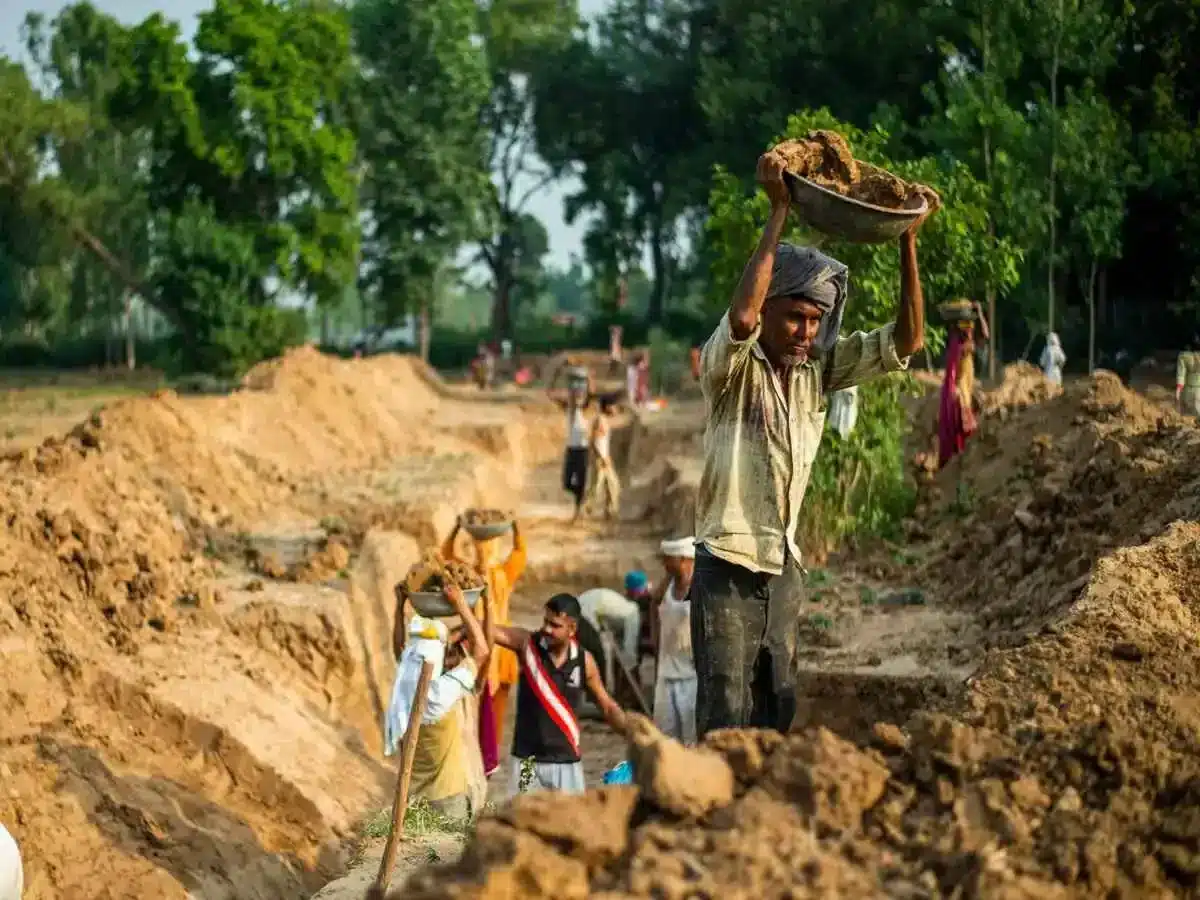
VB-G RAM G, the new initiative set to succeed the Mahatma Gandhi National Rural Employment Guarantee Act (MGNREGA), has emerged as a focal point in this year’s Budget for the rural development sector. Allocated Rs 95,692 crore, it constitutes approximately 40% of the total budget for the Department of Rural Development, according to an analysis by PRS Legislative Research. This significant funding marks a pivotal shift in rural employment strategies, raising questions about the future of MGNREGA and its impact on rural workers and farmers.
Budget Allocation Overview
The Department of Rural Development has been allocated a total of Rs 1,97,023 crore for the fiscal year 2026-27, reflecting a 4% increase from the revised estimates of the previous year. Within this budget, VB-G RAM G stands out with its substantial allocation, which is nearly double that of the Pradhan Mantri Awas Yojana-Gramin (PMAY-G), which accounts for 23% of the budget. Other significant allocations include MGNREGS at 12%, the National Rural Livelihood Mission (NRLM) at 8%, and the Pradhan Mantri Gram Sadak Yojana (PMGSY) also at 8%. The report indicates that VB-G RAM G and PMAY-G together will account for 63% of the ministry’s total gross expenditure, highlighting a strategic focus on rural employment and housing.
Reduction in MGNREGS Funding
In a notable contrast, the allocation for MGNREGS has been sharply reduced to Rs 30,000 crore, a staggering 66% decrease from the revised estimate of Rs 88,000 crore from the previous year. This cut raises concerns about the sustainability of employment opportunities for rural households that have relied on MGNREGS for income. Conversely, other schemes like PMAY-G and PMGSY have seen significant increases in funding, with PMAY-G receiving Rs 54,917 crore, marking a 66% rise from last year. PMGSY has also benefited from a 73% increase, receiving Rs 19,000 crore. This shift in funding priorities suggests a strategic pivot towards new initiatives while reducing reliance on established programs like MGNREGS.
Changes in Fund Sharing and Employment Trends
The VB-G RAM G Act introduces a new fund-sharing model, where the expenditure will be shared between the Centre and state governments in a 60:40 ratio, with a more favorable 90:10 ratio for northeastern and Himalayan states. This change is expected to increase the financial burden on state governments. Historically, MGNREGS has seen around 70% of its expenditure allocated to wage payments, with the Centre covering approximately 90% of total costs. The new model may alter this dynamic, potentially impacting the availability of funds for rural employment. Over the past decade, MGNREGS has averaged about 48 days of employment per household annually, with a peak of 52 days during the pandemic. However, the number of households completing the full 100 days of work remains low, indicating challenges in job availability.
Progress and Challenges of PMAY-G
The Pradhan Mantri Awas Yojana-Gramin (PMAY-G) has also received a significant boost, with an allocation of Rs 54,917 crore, a 69% increase from previous budgets. Despite this increase, only about 70% of the targeted housing units have been completed, with delays attributed to various factors such as land availability, migration issues, and disruptions caused by the COVID-19 pandemic. The challenges faced by PMAY-G highlight the complexities involved in rural housing initiatives, even as funding increases. As the government shifts its focus towards VB-G RAM G, the effectiveness of these programs in improving rural livelihoods and housing remains to be seen.
Observer Voice is the one stop site for National, International news, Sports, Editor’s Choice, Art/culture contents, Quotes and much more. We also cover historical contents. Historical contents includes World History, Indian History, and what happened today. The website also covers Entertainment across the India and World.
Follow Us on Twitter, Instagram, Facebook, & LinkedIn

