

The Invisible Disaster Killing Thousands: When Chemicals Escape Control
Chemical Incidents Kill 65,000 in a Decade: Why Factory Explosions, Oil Spills, and Contaminated Water Are Growing Threats

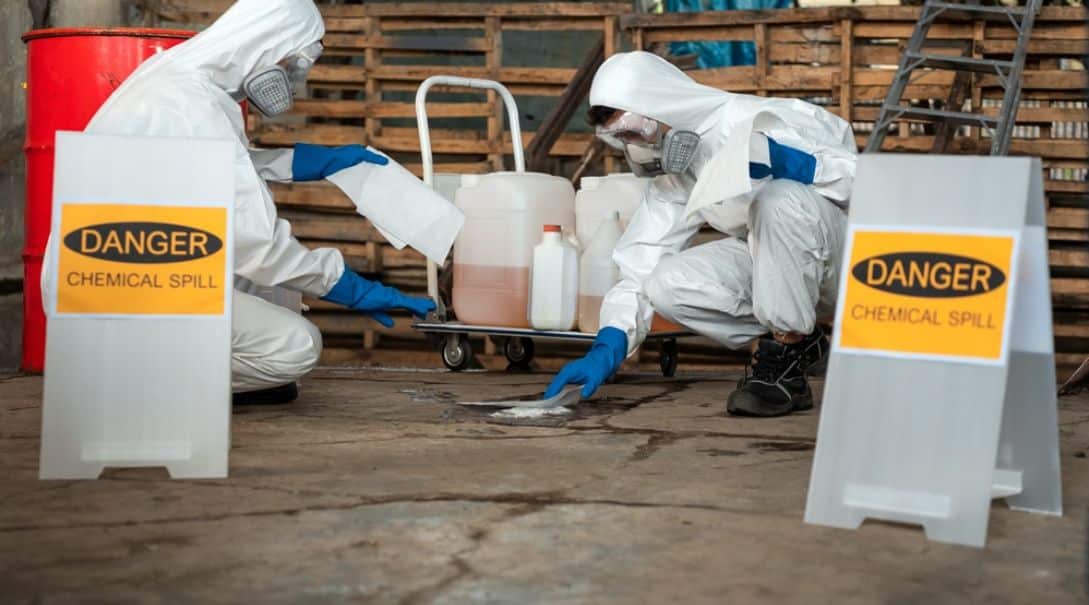
It happens more often than you think. A tanker truck overturns on a highway, spilling toxic chemicals into a river. A factory explosion releases a cloud of dangerous gases over a neighborhood. Contaminated food makes hundreds of people sick. An oil pipeline leaks into the soil, poisoning groundwater.
These are chemical incidents – the uncontrolled release of toxic substances into the environment. And they’re a growing threat worldwide.
Between 2009 and 2018 alone, an estimated 65,000 people died from what experts call “technological events” – the term for industrial accidents, chemical releases, and man-made disasters involving hazardous materials. That’s roughly 6,500 deaths every year from incidents that are often preventable.
What scares me most after researching WHO’s data on chemical incidents isn’t just the death toll. It’s how unprepared most health systems are to handle these emergencies – and how many of these incidents go unreported or unrecognized.
What Exactly Is a Chemical Incident?
A chemical incident is any situation where a toxic substance is released in an uncontrolled way, potentially harming people and the environment. The key word is “uncontrolled” – these aren’t the normal, managed uses of chemicals. These are when something goes wrong.
Chemical incidents range from small, localized releases to full-scale emergencies affecting entire regions. They can be sudden and dramatic – an explosion, a massive spill – or slow and silent, where chemicals leak gradually without anyone noticing until people start getting sick.
The causes are diverse:
Industrial accidents – explosions at factories that store or use chemicals, leaks from storage tanks, failures in chemical processing plants. These account for a huge portion of chemical incidents worldwide.
Transportation accidents – trucks, trains, or ships carrying hazardous materials crash or spill their cargo. Remember those highway closures after tanker accidents? That’s emergency response to potential chemical exposure.
Contamination of food or water – when chemicals get into the food supply or water systems, either accidentally through industrial contamination or deliberately through tampering.
Oil spills – from pipelines, storage facilities, or ships. The environmental damage is obvious, but the health impacts on cleanup workers and affected communities can be severe.
Natural disasters triggering chemical releases – earthquakes can damage chemical plants, forest fires can release toxic smoke, volcanic eruptions produce dangerous gases. Natural events become chemical incidents when they cause uncontrolled release of hazardous substances.
Deliberate releases – the most terrifying category. Chemical weapons in conflict zones, terrorist attacks using toxic substances, or intentional contamination of public spaces.
The Health Impacts: Immediate and Delayed
Here’s what makes chemical incidents particularly challenging: the health effects vary wildly depending on the chemical, the dose, and how you’re exposed.
Some effects hit you immediately. You inhale toxic gas and within minutes your throat burns, your eyes water, you can’t catch your breath. Chemicals on your skin cause immediate pain and blistering. These are the obvious, acute effects that send people to emergency rooms.
But other effects are insidious. You’re exposed to a chemical that seems harmless at the time. No immediate symptoms. You go about your life. Then months or years later, you develop cancer. Or your children are born with birth defects. Or your liver starts failing.
WHO categorizes the health impacts into three types:
Local effects – damage at the site of contact. Respiratory irritants that cause bronchoconstriction and breathing difficulty. Chemicals that irritate or burn skin and eyes. These often appear quickly.
Systemic effects – damage to organs far from where the chemical entered your body. Inhaling certain solvents can depress your central nervous system. Breathing carbon tetrachloride can destroy your liver. The chemical enters your body one place but causes damage somewhere else entirely.
Mental health effects – anxiety, fear, and psychological trauma from real or perceived chemical exposure. Even when physical exposure is minimal, the stress of a chemical incident can cause lasting mental health problems.
I interviewed a doctor who treated victims of a factory explosion that released toxic gases. “The immediate cases were obvious,” she told me. “Breathing problems, chemical burns, people in acute distress. But what worried me were the hundreds of people exposed to lower levels. They felt fine that day. Will they develop cancer in 20 years? We honestly don’t know.”
That uncertainty is part of what makes chemical incidents so frightening.
The Fear Factor
Chemical incidents cause unique psychological impacts beyond the physical health effects. Unlike natural disasters, there’s often an element of human failure or deliberate harm involved. Someone made a mistake. A company cut corners. A terrorist attacked.
This breeds a particular kind of fear and anger in affected populations. People don’t just worry about their immediate symptoms – they worry about long-term health effects, about their children’s future, about whether they can ever trust the air they breathe or water they drink.
Terrorist use of chemicals amplifies this fear. The 1995 Tokyo subway sarin attack killed 13 people but injured thousands and traumatized an entire city. Chemical attacks in conflicts – we’ve seen this in Syria and elsewhere – cause injuries, deaths, and mass displacement, but also psychological wounds that persist long after the immediate crisis.
The Rising Threat
As global chemical production and use continues to increase, the risks grow. More factories. More transportation of hazardous materials. More chemicals in use worldwide, including in countries with weak safety regulations and enforcement.
The health sector is struggling to keep up. Traditionally, healthcare systems focused on treating diseases and injuries. But chemical incidents require different expertise – understanding toxicology, recognizing unusual patterns of illness, having proper decontamination procedures, coordinating with emergency responders and environmental agencies.
Many hospitals and clinics, especially in low-resource settings, simply aren’t equipped to handle chemical emergencies. They lack decontamination facilities. Staff aren’t trained in chemical exposure protocols. They don’t have access to specific antidotes or treatments for chemical poisoning.
I asked an emergency physician in a developing country what would happen if a major chemical spill occurred in her area. Her answer was blunt: “We’d do our best, but people would die who shouldn’t, simply because we lack the training, equipment, and protocols to properly respond.”
What WHO Is Doing
WHO works with countries to strengthen emergency preparedness for chemical incidents. This includes:
Surveillance systems – monitoring for disease outbreaks or illness patterns that might indicate chemical exposure. Sometimes the first clue is an unusual cluster of symptoms in a community.
Poison center networks – establishing and connecting poison control centers that can provide guidance during chemical emergencies. These centers maintain databases on thousands of chemicals and how to treat exposures.
Training and guidance – developing protocols, manuals, and training materials so healthcare workers know how to recognize and respond to chemical incidents.
Outbreak investigation – when clusters of illness suggest possible chemical causes, WHO helps investigate to identify the source and prevent further exposure.
But here’s the challenge: preparedness requires investment before disasters happen. It’s hard to get funding and political support for hypothetical emergencies when there are so many immediate health needs.
Recognizing Chemical Exposure
The symptoms of chemical exposure vary enormously, but some patterns emerge:
Rapid onset of symptoms in multiple people in the same location suggests acute chemical exposure. Unusual combinations of symptoms that don’t fit typical disease patterns. Symptoms that improve when people leave a certain area and return when they go back.
If you suspect chemical exposure – whether from an industrial accident, contamination, or unknown cause – immediate medical attention is critical. Time matters, especially for certain chemicals where early treatment makes a huge difference.
What Can Be Done
Prevention is obviously better than response. This means:
Stronger regulations on chemical storage, handling, and transportation. Regular inspections. Enforcement of safety standards.
Emergency planning – communities near chemical facilities should have evacuation plans and emergency response protocols. People should know what to do if sirens sound.
Healthcare preparedness – hospitals and clinics need decontamination facilities, trained staff, stockpiles of antidotes and treatments, and coordination with emergency services.
Public awareness – people need basic knowledge about what to do in chemical emergencies. Evacuate upwind and uphill from spills. Follow emergency instructions. Seek medical care if exposed.
International cooperation – chemicals don’t respect borders. Oil spills affect coastlines across countries. Factory explosions can release plumes that drift to neighboring regions. Response requires coordination.
The reality is that as long as we use chemicals – and modern life depends on them – chemical incidents will occur. The question is whether we’re prepared to respond effectively when they do.
Frequently Asked Questions About Chemical Incidents
A chemical incident is the uncontrolled release of a toxic substance that can harm public health and the environment. These incidents can result from industrial accidents, transportation crashes, natural disasters, contamination of food or water supplies, or deliberate attacks. They range from small, localized releases to major emergencies affecting entire regions.
More common than most people realize. Between 2009 and 2018, an estimated 65,000 people died from technological events including chemical incidents – approximately 6,500 deaths per year. Many smaller incidents go unreported or are managed locally without making headlines, so the true number of chemical incidents worldwide is likely much higher.
Common causes include factory explosions or leaks at facilities that produce or store chemicals, transportation accidents involving trucks, trains, or ships carrying hazardous materials, oil spills from pipelines or storage facilities, contamination of food or water supplies, and natural disasters like earthquakes that damage chemical plants or forest fires that release toxic smoke.
Symptoms vary by chemical but can include breathing difficulty or shortness of breath, eye irritation or burning, skin burns or rashes, nausea and vomiting, headache and dizziness, confusion or altered consciousness, and seizures in severe cases. If multiple people in the same location suddenly develop similar symptoms, chemical exposure should be suspected.
Yes. While some effects appear immediately, others can take months or years to develop. Long-term health impacts can include various cancers, birth defects in children of exposed parents, chronic lung disease, liver or kidney damage, neurological problems, and reproductive health issues. The specific long-term effects depend on which chemical people were exposed to and the level of exposure.
For more information:
- WHO Chemical Incidents Overview
- WHO Chemical Safety Resources
- Manual for Investigating Chemical Outbreaks
- Chemical Exposure Symptoms Infographic
Disclaimer: This article is an adaptation of publicly available information from WHO’s Chemical Incident
health topic page (WHO, Geneva. Licence: CC BYNC-SA 3.0 IGO). WHO is not responsible for the
content or accuracy of this adaptation. This content is for informational and educational purposes
only and does not constitute medical advice. ObserverVoice.com is a news and information platform
— not a healthcare provider.
Observer Voice is the one stop site for National, International news, Sports, Editor’s Choice, Art/culture contents, Quotes and much more. We also cover historical contents. Historical contents includes World History, Indian History, and what happened today. The website also covers Entertainment across the India and World.

