

India to Launch Its First Hydrogen Train on July 17: Explore the Route, Features, and FAQs

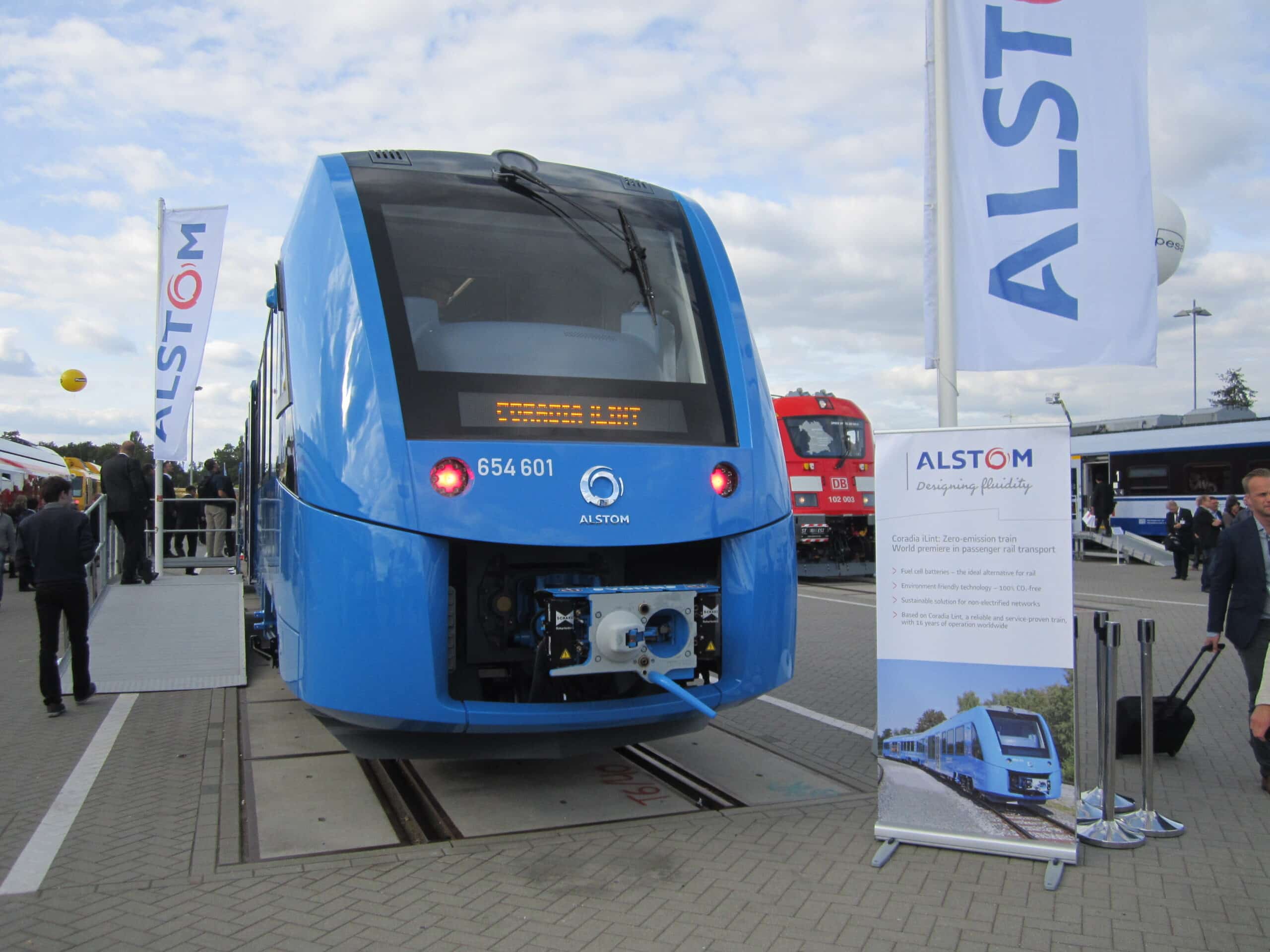
India will launch its first Hydrogen Fuel Cell Train on Friday, with Prime Minister Narendra Modi set to flag it off on the Jind–Sonipat section in Haryana. This initiative represents a significant step in the country’s efforts to transition to cleaner transportation. The train is designed to generate its own electricity using hydrogen, eliminating the need for overhead electric wires or diesel engines.
The launch follows a major railway electrification effort, with over 99% of India’s broad gauge network now electrified. The Hydrogen Fuel Cell Trainset will produce only water vapor and heat as by-products, marking the establishment of India’s first integrated hydrogen railway ecosystem, which includes hydrogen production, storage, refueling infrastructure, and train operations.
Passenger Capacity
The train features 10 coaches, comprising eight passenger coaches and two Hydrogen Driving Power Cars, accommodating approximately 2,600 passengers. This makes it one of the largest hydrogen-powered passenger trains globally, as most existing hydrogen trains have only two to four coaches and serve shorter regional routes.
Route
Initially, the train will operate on the 89-km Jind–Sonipat section of northern railway in Haryana. This route connects key stations, including Jind Junction, Gohana Junction, and Sonipat, while also serving several intermediate stations. The selection of this route aims to demonstrate the operational viability, safety, and reliability of hydrogen-powered passenger services under regular conditions.
Speed
The train will initially run at a maximum speed of 75 km/h on the Jind–Sonipat route, although it is designed for a top speed of 110 km/h.
Key Features for Passengers
The hydrogen-powered train is expected to be quieter than conventional diesel trains, reducing reliance on fossil fuels. It includes advanced safety features such as hydrogen leak detectors, flame detectors, and continuous monitoring systems to ensure safe operations.
How Does a Hydrogen Train Work?
Unlike traditional electric trains that draw power from overhead lines, the Hydrogen Fuel Cell Trainset generates electricity onboard. It employs a Proton Exchange Membrane (PEM) fuel cell, where hydrogen stored in high-pressure cylinders combines with oxygen from the atmosphere to produce electricity. This electricity powers the train’s traction motors, with the only by-products being water vapor and heat.
The train consists of two Hydrogen Driving Power Cars, each generating 1,200 kilowatts (1,600 horsepower), providing sufficient power to reach its design speed of 110 km/h. Each power car contains the fuel cells, lithium iron phosphate (LFP) batteries, and hydrogen storage cylinders necessary for operation.
Where Does the Hydrogen Come From?
Indian Railways has established the country’s largest railway hydrogen refueling facility at Jind. Hydrogen is produced through electrolysis, which splits water into hydrogen and oxygen. The hydrogen is stored in tanks and compressed to 500 bar for efficient storage. During refueling, hydrogen is supplied to the train at 350 bar through two dispensers, allowing simultaneous refueling of both power cars.
Safety Concerns
As India prepares for its first hydrogen train, safety concerns have arisen due to hydrogen’s flammability. Indian Railways states that the project employs a “defense in depth” approach, utilizing multiple independent safety systems. The train and refueling infrastructure are equipped with hydrogen leak detectors, heat sensors, and flame detectors. Continuous ventilation systems prevent hydrogen accumulation, and the hydrogen supply can be automatically isolated if any abnormal conditions are detected.
The hydrogen facility at Jind also includes safeguards such as leak detection systems and fire control measures. An independent safety assessment by TUV SUD, Germany, was conducted before passenger operations began.
What’s Next
Hydrogen-powered passenger trains are still emerging globally, with Germany being the first to introduce commercial hydrogen passenger trains. The Jind–Sonipat project is seen as the beginning of India’s hydrogen program, with plans to deploy hydrogen-powered trains on other routes, including heritage railways like the Kalka–Shimla line. The initiative aligns with the National Green Hydrogen Mission and India’s commitment to achieving net-zero emissions.
Observer Voice is the one stop site for National, International news, Sports, Editor’s Choice, Art/culture contents, Quotes and much more. We also cover historical contents. Historical contents includes World History, Indian History, and what happened today. The website also covers Entertainment across the India and World.
Follow Us on Twitter, Instagram, Facebook, & LinkedIn

