

RBI Deputy Governor Advocates for Continuous Oversight in Banking Supervision Over Snapshot Checks

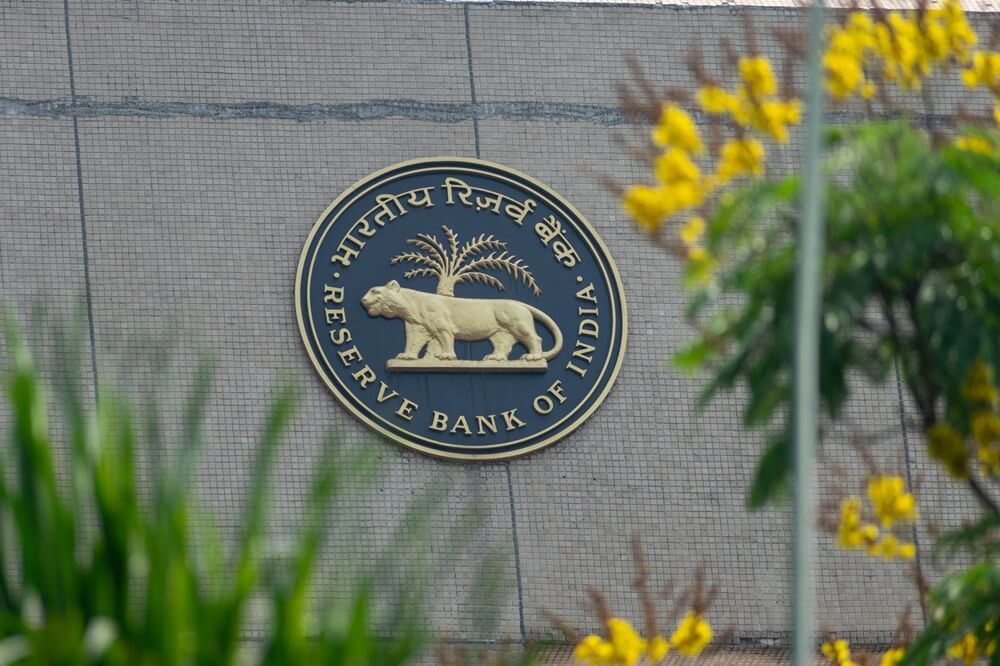
Reserve Bank of India Deputy Governor Swaminathan J has called for a transformative approach to banking supervision, emphasizing the need for continuous oversight in the face of evolving digital risks. Speaking at the Third Annual Global Conference of the College of Supervisors, he highlighted that traditional methods of assessment are no longer adequate for ensuring financial stability. Swaminathan’s remarks underscore the urgency for regulators to adapt their strategies to address the complexities of modern banking.
Shift from Traditional Supervision
Swaminathan pointed out that conventional supervisory tools, which primarily focus on balance sheets and process inspections, fail to capture the full picture of a bank’s health. He warned that a bank might appear robust on paper but could be just “one incident away from severe disruption.” This shift in perspective is crucial as the banking landscape increasingly relies on digital infrastructure. He noted that the focus must transition from physical branches and products to the underlying technology, stating, “The centre of gravity is shifting from the ‘branch and product’ to the ‘pipes and code.’”
In this new environment, stability hinges on operational resilience, data integrity, and the management of third-party dependencies, alongside traditional measures like capital and liquidity. Swaminathan’s insights reflect a growing recognition that the digital era demands a more nuanced understanding of risk and stability.
Consumer Protection as a Priority
Highlighting the importance of consumer protection, Swaminathan identified weak grievance redressal systems as significant warning signs. He urged regulators to evaluate not just the existence of grievance frameworks but also their effectiveness. This includes assessing the timeliness of complaint resolutions, identifying root causes of issues, and ensuring that boards receive comprehensive reports on complaint trends and customer dissatisfaction.
By prioritizing consumer protection, regulators can gain valuable insights into the health of financial institutions. Swaminathan emphasized that a proactive approach to consumer grievances can serve as an early-warning system, allowing regulators to intervene before issues escalate into larger problems.
Broader Ecosystem Oversight
Swaminathan stressed the need for supervision to extend beyond individual banks to encompass the entire financial ecosystem. He argued that regulators should evolve from merely asking, “Did you comply?” to evaluating whether institutions can endure stress, recover swiftly, and safeguard customers during crises. This broader perspective is essential for maintaining stability in a rapidly changing financial landscape.
For banks, compliance cannot be a task relegated to quarterly reviews. With the pace of operations accelerating, institutions must uphold rigorous operational discipline and data governance throughout the year. Swaminathan noted that the ability to quickly identify and rectify anomalies is a key indicator of a bank’s control maturity.
Addressing Third-Party Risks and Technological Challenges
The deputy governor also highlighted third-party risk as a critical concern. He cautioned that outsourcing services does not absolve banks of their responsibilities. Instead, banks must implement tighter oversight of their partners, ensuring clear accountability for incidents and establishing contracts that facilitate audits, access, and resilience.
As artificial intelligence and advanced analytics become integral to banking operations, Swaminathan warned that institutions should brace for more rigorous supervisory scrutiny regarding model risk, explainability, and fairness. This shift signals a move towards a more intrusive and continuous regulatory framework, reflecting the complexities and challenges of the digital era in banking.
Observer Voice is the one stop site for National, International news, Sports, Editor’s Choice, Art/culture contents, Quotes and much more. We also cover historical contents. Historical contents includes World History, Indian History, and what happened today. The website also covers Entertainment across the India and World.
Follow Us on Twitter, Instagram, Facebook, & LinkedIn

