

Nipah Virus: Asia’s Deadliest Bat-Borne Disease and Why It Worries Epidemiologists

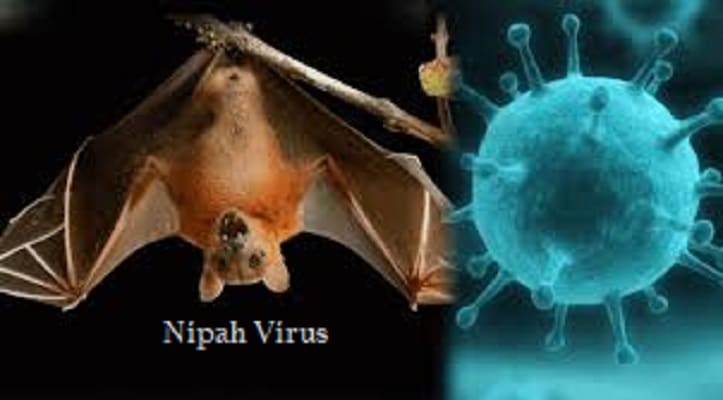
Nipah virus is a dangerous infection that spreads primarily from bats to humans. It first emerged in Malaysia during a notable outbreak decades ago. Since then, it has caused recurring outbreaks across parts of South and Southeast Asia.
This virus causes severe illness affecting both the brain and respiratory system. Unlike many viral infections, Nipah carries an alarmingly high fatality rate. Understanding why epidemiologists watch this virus closely reveals serious public health concerns.
Why This Virus Draws Such Serious Attention
Few viruses combine high fatality rates with potential human-to-human spread. Nipah virus possesses both these concerning characteristics simultaneously. This combination explains why health experts monitor it so closely.
How Nipah Virus Spreads
Fruit bats, specifically certain species, naturally carry Nipah virus without becoming ill. Humans typically become infected through contact with contaminated bat saliva or urine. Eating fruit contaminated by infected bats represents a common transmission route.
Pigs have also served as intermediate hosts during past outbreaks. Direct contact with infected pigs led to human infections in Malaysia specifically. More recent outbreaks, however, have shown direct bat-to-human transmission more frequently.
Why Date Palm Sap Poses Particular Risk
In Bangladesh and parts of India, contaminated date palm sap has caused outbreaks repeatedly. Bats often feed near sap collection containers overnight. Drinking this sap without proper precautions creates significant infection risk.
Person-to-Person Transmission Concerns
Unlike earlier outbreaks, more recent cases show human-to-human transmission occurring. This typically happens through close contact with infected respiratory secretions. This evolving transmission pattern worries epidemiologists about future outbreak potential.
Recognizing the Symptoms
Initial Nipah virus symptoms often resemble common flu, including fever and headache. Many patients also experience muscle pain and persistent fatigue. This early phase can easily get mistaken for typical viral illness.
As the infection progresses, more severe neurological symptoms frequently develop. Confusion, drowsiness, and disorientation often indicate brain inflammation occurring. In severe cases, seizures and coma can develop within just days.
Why Brain Involvement Makes Nipah So Dangerous
Nipah virus specifically targets brain tissue, causing dangerous inflammation called encephalitis. This neurological involvement explains the rapid, severe progression seen in many cases. Without prompt medical care, this progression often proves fatal quickly.
Respiratory Symptoms Also Pose Serious Risk
Some patients additionally develop severe respiratory distress alongside neurological symptoms. This combination makes supportive care particularly challenging for medical teams. Both complications contribute significantly to Nipah’s high fatality rate.
Why Epidemiologists Remain So Concerned
Nipah virus combines several characteristics that genuinely worry public health experts. Its high fatality rate alone raises significant alarm among researchers. Additionally, evidence suggests potential for sustained human-to-human transmission.
No approved vaccine or specific antiviral treatment currently exists for Nipah virus. This treatment gap leaves healthcare providers relying solely on supportive care. These combined factors explain why Nipah remains a priority research focus.
The Pandemic Potential Concern
Health organizations have specifically flagged Nipah virus as having pandemic potential. This designation reflects its combination of severity and transmission capability. Continued monitoring helps researchers track any concerning changes in outbreak patterns.
Why Treatment Options Remain Limited
Developing vaccines and treatments for rare, sporadic outbreaks proves challenging. Limited outbreak frequency historically reduced research funding and pharmaceutical interest. Recent renewed attention, however, has increased research investment significantly.
How Doctors Diagnose Nipah Virus
Diagnosis typically involves laboratory testing of blood, throat, or spinal fluid samples. These tests detect viral genetic material or specific antibodies. Doctors also consider recent exposure history, particularly regarding bats or affected regions.
Given Nipah’s rarity, specialized laboratories often handle definitive testing. This requirement can sometimes delay confirmation during early outbreak investigation. Rapid diagnostic improvements continue helping speed up this identification process.
Why Exposure History Guides Diagnosis
Without known outbreak exposure, doctors might not immediately suspect Nipah virus. Asking about recent travel, bat contact, or sick contacts helps guide testing. This exposure history remains crucial for timely diagnosis confirmation.
Treatment and Outbreak Response
No specific cure currently exists for Nipah virus infection. Treatment focuses entirely on supportive care, managing symptoms as they develop. Intensive care often becomes necessary for patients with severe neurological involvement.
During outbreaks, rapid identification and isolation of cases helps prevent further spread. Contact tracing identifies others potentially exposed to infected individuals. These response measures remain essential for controlling outbreak progression effectively.
Why Isolation Procedures Matter During Outbreaks
Given potential human-to-human transmission, isolating confirmed cases helps prevent further spread. Healthcare workers use strict protective measures when treating Nipah patients. These precautions protect both healthcare workers and the broader community.
Preventing Nipah Virus Infection
Avoiding contact with sick or dead bats significantly reduces infection risk. Washing fruit thoroughly before eating also helps prevent contamination exposure. In affected regions, boiling date palm sap before consumption offers important protection.
Avoiding contact with sick pigs in outbreak-affected areas remains important too. Practicing good hygiene around potentially contaminated environments offers additional protection. These prevention strategies remain essential, particularly in regions with known Nipah activity.
Final Thoughts on Nipah Virus
Nipah virus represents a genuinely serious public health concern across parts of Asia. Its high fatality rate and transmission potential explain ongoing epidemiologist attention. Continued research and surveillance remain essential for managing this threat effectively.
If you live in or travel to affected regions, stay informed about local outbreak alerts. Practicing recommended prevention measures offers meaningful protection against infection. Awareness and prompt action remain your best defense against this dangerous virus.
Frequently Asked Questions
Is there a vaccine for Nipah virus?
No approved vaccine currently exists for preventing Nipah virus infection. Researchers continue working toward developing effective vaccine options. Until then, prevention through avoiding exposure remains the primary protective strategy.
How deadly is Nipah virus compared to other infections?
Nipah virus carries a notably high fatality rate compared to many other viral infections. Reported fatality rates have varied significantly across different outbreaks. This severity explains why health experts consider it particularly concerning.
Can Nipah virus cause another pandemic?
Health organizations have identified Nipah virus as having genuine pandemic potential. This concern stems from its severity and possible human-to-human transmission. Continued surveillance helps researchers monitor and respond to this evolving risk.
Where has Nipah virus caused outbreaks?
Nipah virus outbreaks have primarily occurred in Malaysia, Bangladesh, and parts of India. These regions have experienced recurring outbreaks over recent decades. Bat habitats in these areas likely contribute to ongoing transmission risk.
Can Nipah virus survive outside the body for long?
Nipah virus doesn’t survive particularly long outside a host environment. However, contamination of food or surfaces can still pose transmission risk temporarily. This is why food safety precautions remain important in affected regions.
Disclaimer:
This article is for informational purposes only and does not replace professional medical advice. Please consult a qualified healthcare provider for diagnosis and treatment.
References:
- Nipah virus belongs to the Henipavirus genus within the Paramyxoviridae family.
- Infectious disease outbreaks do more than spread illness. They can disrupt economies, burden health systems and reshape daily life.
- The report of the committee was accepted by the government after deliberations chaired by Union Power & NRE Minister Shri R. K. Singh last week.
Observer Voice is the one stop site for National, International news, Sports, Editor’s Choice, Art/culture contents, Quotes and much more. We also cover historical contents. Historical contents includes World History, Indian History, and what happened today. The website also covers Entertainment across the India and World.

