

Nipah Virus: The Deadly Disease Jumping From Bats to Humans
Understanding the Rare but Fatal Infection With No Cure

Dr. Reshma Kumar stood outside the isolation ward in Kerala, India, her protective equipment dripping with sweat in the humid August heat. Inside lay 35-year-old Rajesh, a fruit farmer who had arrived at the hospital three days earlier with high fever, severe headache, and confusion. His condition had deteriorated rapidly—he was now unconscious, struggling to breathe, and fighting for his life. Blood tests confirmed Dr. Kumar’s worst fear: Rajesh had Nipah virus infection, one of the world’s deadliest emerging diseases with no specific treatment and a fatality rate that can reach 75%.
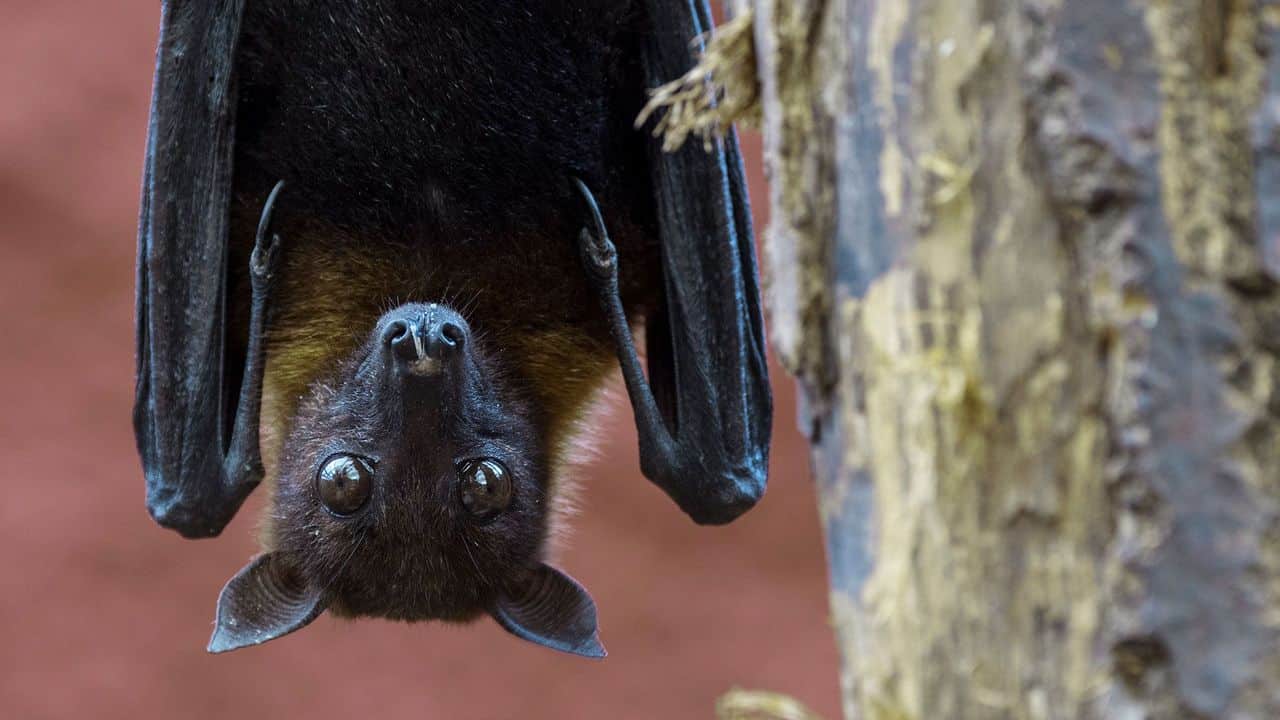
“Rajesh worked in a mango orchard where fruit bats lived in the trees,” Dr. Kumar explained, her voice heavy with concern. “We believe he contracted Nipah virus from eating fruit partially consumed by infected bats or from direct contact with bat saliva or urine on the fruits. What makes Nipah terrifying is its dual nature—it causes severe respiratory illness and brain inflammation simultaneously, attacking multiple organ systems. The virus replicates rapidly, and by the time patients reach us with symptoms, extensive damage has already occurred.”
According to the World Health Organization, Nipah virus infection is a zoonotic illness transmitted from animals to humans that can also spread from person to person through close contact. The virus causes severe disease in both animals and humans, with symptoms ranging from asymptomatic infection to acute respiratory illness and fatal encephalitis (brain inflammation). Fruit bats, also called flying foxes, are the natural hosts of Nipah virus. Since the virus was first identified in 1999 during an outbreak in Malaysia and Singapore, sporadic outbreaks have occurred primarily in Bangladesh and India, with case fatality rates ranging from 40% to 75%—making Nipah one of the most lethal infectious diseases known to medicine.
What Is Nipah Virus?
Nipah virus belongs to the Henipavirus genus within the Paramyxoviridae family. It’s closely related to Hendra virus, another deadly bat-borne virus that primarily affects horses and humans in Australia. Nipah virus was first identified in 1999 when it caused an outbreak of encephalitis and respiratory illness among pig farmers in Kampung Sungai Nipah, Malaysia—the village that gave the virus its name.
The 1999 Malaysian outbreak involved 265 cases of acute encephalitis with 105 deaths, resulting in a 40% fatality rate. The outbreak devastated Malaysia’s pig farming industry, requiring the culling of over one million pigs to control the disease. Eleven cases also occurred in Singapore among abattoir workers who had contact with pigs imported from affected Malaysian farms.
Since then, Nipah virus has caused nearly annual outbreaks in Bangladesh since 2001, with smaller outbreaks reported in India, particularly in West Bengal and Kerala states. Unlike the Malaysian outbreak where pigs served as intermediate hosts between bats and humans, outbreaks in Bangladesh and India typically involve direct transmission from bats to humans, often through consumption of raw date palm sap contaminated by infected fruit bats, or person-to-person transmission in healthcare settings and among family members.
Like MERS coronavirus and other zoonotic diseases, Nipah virus demonstrates how pathogens can jump from animals to humans, sometimes with devastating consequences.
How Nipah Virus Spreads
Understanding Nipah virus transmission is crucial for prevention. The virus can spread through multiple routes, making it particularly challenging to control.
Bat-to-human transmission occurs when people consume food contaminated by infected fruit bats. Pteropus fruit bats (flying foxes) are the natural reservoir hosts of Nipah virus. These large bats feed on fruit, flowers, and nectar, often partially consuming fruits and discarding the rest. When infected bats urinate, defecate, or leave saliva on fruits, these fruits become contaminated with virus. People who subsequently eat these fruits or drink raw date palm sap collected in containers contaminated by bat excretions can become infected.
In Bangladesh, drinking raw date palm sap represents the most common transmission route. Date palm sap collectors place collection pots on date palm trees overnight. Fruit bats, attracted to the sweet sap, drink from the pots and contaminate them with saliva, urine, and feces containing virus. People drinking this raw, unboiled sap the next morning ingest the virus. This explains the seasonal pattern of outbreaks in Bangladesh, coinciding with the date palm sap harvesting season from December to April.
Animal-to-human transmission can occur through contact with infected pigs or other domestic animals. In the Malaysian outbreak, pigs became infected from eating fruit contaminated by bats, then amplified and transmitted the virus to humans. People working closely with infected pigs—farmers, veterinarians, abattoir workers—contracted the virus through contact with infected tissues, bodily fluids, or respiratory secretions.
Human-to-human transmission occurs through close contact with infected people’s bodily fluids—respiratory secretions, saliva, urine, and possibly blood. Healthcare workers, family members caring for patients, and those preparing bodies for burial face particular risk. Several Nipah outbreaks have involved significant healthcare-associated transmission when infection control measures were inadequate. Unlike highly contagious diseases like measles, sustained human-to-human transmission of Nipah has not been documented—outbreaks eventually end when infected individuals are isolated and contacts are monitored.
The incubation period—the time from exposure to symptom onset—ranges from 4 to 14 days, though cases with incubation periods up to 45 days have been reported. This long and variable incubation period complicates outbreak investigation and contact tracing.
Recognizing Nipah Virus Symptoms
Nipah virus infection produces a range of symptoms, from asymptomatic infection (many people exposed to the virus never develop symptoms) to severe encephalitis and death. When symptoms do occur, they typically appear in two phases.
Initial symptoms (first 3-14 days) include high fever, severe headache, muscle pain and body aches, vomiting and nausea, sore throat, dizziness, and drowsiness. At this stage, symptoms resemble many other illnesses, making diagnosis challenging. Some patients develop acute respiratory symptoms including cough, difficulty breathing, and acute respiratory distress syndrome requiring mechanical ventilation.
Neurological symptoms can appear within days of initial symptoms or after a period of apparent recovery. These include altered consciousness ranging from confusion to coma, seizures, abnormal behavior and personality changes, signs of brain inflammation (encephalitis), and focal neurological signs like paralysis or abnormal eye movements. Some patients rapidly progress to coma within 24-48 hours of symptom onset.
The severity of symptoms varies widely between individuals and outbreaks. Some people experience only mild illness or remain asymptomatic despite being infected. Others develop severe, rapidly progressive disease leading to coma and death within days. This unpredictability makes Nipah particularly frightening—there’s no way to predict who will develop severe disease and who will recover.
Survivors may experience long-term neurological consequences including persistent seizures, personality changes, and residual neurological deficits. Additionally, relapsed or late-onset encephalitis can occur months or even years after apparent recovery—dormant virus reactivating to cause renewed brain inflammation.
Like meningitis and other infections affecting the brain, Nipah virus causes severe neurological damage that can be permanent even in survivors.
Diagnosis: Identifying a Rare Disease
Diagnosing Nipah virus infection is challenging, particularly early in disease when symptoms are non-specific. Healthcare workers must maintain high clinical suspicion in endemic areas, especially during outbreak periods.
Laboratory diagnosis requires specialized testing available only in designated laboratories with appropriate biosafety facilities (biosafety level 4), as Nipah virus is extremely dangerous to laboratory workers. Diagnostic tests include real-time polymerase chain reaction (RT-PCR) detecting viral genetic material in body fluids (throat swabs, nasal swabs, cerebrospinal fluid, urine, blood), enzyme-linked immunosorbent assay (ELISA) detecting antibodies against Nipah virus, and virus isolation (rarely performed due to biosafety concerns).
Clinical diagnosis relies on recognizing characteristic features: acute encephalitis with respiratory symptoms, exposure history (contact with bats, consumption of raw date palm sap, contact with sick pigs, exposure to known Nipah cases), geographic location (outbreaks in known endemic areas), and seasonal timing (date palm harvest season in Bangladesh).
Challenges include limited laboratory capacity (few laboratories can safely test for Nipah), delayed diagnosis (samples must be transported to specialized facilities), similarity to other diseases (encephalitis can be caused by many pathogens including Japanese encephalitis virus, dengue, and bacterial meningitis), and rapid disease progression (patients may die before diagnosis is confirmed).
Early diagnosis is critical for implementing infection control measures, protecting healthcare workers and family members, and providing supportive care, though no specific antiviral treatment exists.
Treatment: Supportive Care Only
The harsh reality of Nipah virus infection is that no specific antiviral medications or treatments exist. Patient management focuses entirely on intensive supportive care to keep patients alive while their immune systems fight the virus.
Supportive care includes managing respiratory symptoms through supplemental oxygen and mechanical ventilation for respiratory failure, controlling seizures with anticonvulsant medications, reducing brain swelling with medications and careful fluid management, maintaining nutrition and hydration, treating secondary bacterial infections with antibiotics, and providing intensive nursing care for comatose patients.
Experimental treatments have been tried in outbreak settings with limited success. Ribavirin, an antiviral medication, was used during the Malaysian outbreak but showed no clear benefit. Monoclonal antibodies developed against Nipah virus have shown promise in animal studies but haven’t been adequately tested in humans. Favipiravir, a broad-spectrum antiviral, has shown some activity against Nipah in laboratory studies but clinical efficacy remains unproven.
The absence of specific treatment means prevention is absolutely critical. Once infected with severe disease, patients face mortality rates of 40-75% despite the best supportive care available. Like challenges treating Marburg virus and other hemorrhagic fevers, Nipah management relies on supporting vital functions while awaiting immune system response.
Prevention: Breaking the Transmission Chain
Without vaccines or treatments for humans, preventing Nipah virus infection requires multiple strategies targeting different transmission routes.
Preventing bat-to-human transmission includes avoiding consumption of raw date palm sap in endemic areas, boiling date palm sap before consumption (heat kills the virus), using protective barriers (bamboo skirts) on sap collection pots to prevent bat access, washing fruits thoroughly before eating, avoiding fruits showing signs of bat bites, and not eating fruits found on the ground near bat roosting sites.
In Bangladesh, WHO and local partners have promoted protective skirt use on date palm sap collection pots. These simple bamboo or plastic barriers prevent bats from accessing pots while allowing sap to drip through, dramatically reducing contamination. Education campaigns teach communities about transmission risks and encourage sap boiling.
Preventing animal-to-human transmission requires avoiding contact with sick pigs or other animals in areas where Nipah has been detected, using protective equipment when handling potentially infected animals, implementing biosecurity measures on pig farms, and monitoring pig health for signs of illness, especially respiratory disease and neurological symptoms.
Preventing human-to-human transmission demands strict infection prevention and control measures in healthcare settings. Healthcare workers caring for suspected or confirmed Nipah patients must use full personal protective equipment including gloves, gowns, face shields or goggles, and N95 respirators or powered air-purifying respirators. Patients should be isolated in single rooms, family members should limit close contact and use protective equipment when providing care, and bodies of deceased Nipah patients should be handled with full precautions during burial preparation.
Contact tracing and monitoring of people exposed to Nipah patients is essential. Contacts should be monitored for fever and symptoms for 21 days, advised to avoid crowds and seek immediate medical care if symptoms develop. Like controlling mpox and other emerging infections, rapid identification and isolation of cases prevents wider spread.
Nipah Outbreaks: Lessons Learned
Each Nipah outbreak has taught valuable lessons about the virus and outbreak response. The 1999 Malaysian outbreak revealed Nipah’s ability to use pigs as amplifying hosts, the importance of rapid culling of infected animal populations, and the need for strong veterinary-human health collaboration.
Bangladesh outbreaks since 2001 have demonstrated the virus’s direct bat-to-human transmission route, identified date palm sap as a major transmission vehicle, documented significant human-to-human transmission in healthcare and household settings, and shown the importance of community engagement in prevention. In Bangladesh, healthcare workers have faced repeated Nipah outbreaks, sometimes with case fatality rates exceeding 70%. Their courage in caring for patients despite risk and without specific treatments deserves recognition.
India’s Nipah outbreaks, particularly the 2018 Kerala outbreak that killed 17 of 18 infected people (94% fatality rate), highlighted the virus’s potential for high mortality, the critical importance of rapid outbreak detection and response, the effectiveness of strict isolation and contact tracing in containing outbreaks, and the psychological impact on healthcare workers managing such deadly diseases.
These outbreaks have driven research into Nipah virus vaccines and treatments, improved surveillance systems in endemic regions, strengthened laboratory diagnostic capacity, and enhanced international cooperation for emerging disease threats.
Vaccine Development: Hope for the Future
Several Nipah virus vaccines are currently in development, though none are yet licensed for human use. A vaccine for horses against the related Hendra virus is already in use in Australia and has shown promise in protecting against Nipah virus in animal studies.
Vaccine development for Nipah faces several challenges. The rarity of outbreaks makes conducting large-scale human efficacy trials difficult—there aren’t enough cases to demonstrate vaccine effectiveness. Limited commercial market (affecting only small populations in low-income countries) reduces pharmaceutical industry investment. High costs of vaccine development and testing for rare diseases require public sector or philanthropic funding. However, Nipah virus’s pandemic potential—its ability to cause severe disease with person-to-person transmission—has renewed interest and funding for vaccine development.
Like maternal health and other neglected health priorities, Nipah vaccine development requires sustained political commitment and adequate funding despite limited immediate commercial returns.
Rajesh’s Outcome
Despite Dr. Kumar’s team’s best efforts, Rajesh succumbed to Nipah virus infection on the seventh day of his illness. “We did everything possible—mechanical ventilation, seizure control, intensive nursing care,” Dr. Kumar said, her voice breaking. “But Nipah virus causes such extensive brain damage so quickly that even perfect supportive care sometimes isn’t enough. Rajesh’s death devastated his family—a wife and two young children left without their primary breadwinner.”
Rajesh’s tragedy sparked immediate outbreak response. Health authorities traced all his contacts—family members, healthcare workers who treated him, friends he’d visited while symptomatic. Everyone received instructions about monitoring for symptoms and immediate isolation if fever developed. The mango orchard where Rajesh worked was cordoned off. Local communities received education about avoiding bat-contaminated fruits and the importance of seeking immediate medical care for unexplained fever with headache.
“The outbreak was contained—no secondary cases occurred,” Dr. Kumar noted. “But Rajesh’s death reminds us that Nipah virus remains a serious threat in endemic regions. Without vaccines or treatments, our only weapons are prevention, early detection, strict isolation, and supportive care. Communities must understand transmission risks and modify behaviors accordingly. Healthcare systems must maintain vigilance and capacity to respond rapidly when cases appear.”
The Pandemic Threat
WHO has identified Nipah virus as a priority disease for research and development in the context of public health emergency preparedness. The virus appears on WHO’s list of pathogens likely to cause severe outbreaks in the near future for which few or no medical countermeasures exist.
Several characteristics make Nipah concerning from a pandemic perspective. The virus has demonstrated ability to transmit between humans, high case fatality rates (40-75%) far exceeding COVID-19, lack of vaccines or specific treatments, potential for genetic changes increasing transmissibility, and wide geographic distribution of fruit bat reservoirs across Asia and Africa. While Nipah has not caused sustained human-to-human transmission thus far, viral evolution could potentially enhance this capability, creating pandemic potential.
Climate change and environmental destruction may increase Nipah risk by altering fruit bat habitats and behaviors, bringing bats into closer contact with human populations, disrupting ecosystems and forcing wildlife into agricultural areas, and changing fruit availability affecting bat feeding patterns and movement.
Like neglected tropical diseases broadly, Nipah disproportionately affects poor, rural populations with limited voice in global health priority-setting despite representing significant threats.
Living With the Threat
For communities in Nipah-endemic regions, the virus represents a seasonal threat requiring constant vigilance. During date palm sap harvesting season in Bangladesh, families must choose between traditional consumption of raw sap—a cultural practice and income source—and the risk of deadly infection.
Health authorities face challenges balancing public health messaging with economic realities. Telling communities to stop collecting or consuming date palm sap affects livelihoods. Promoting protective skirts on collection pots and sap boiling represents a more acceptable middle ground, though behavioral change is slow.
Healthcare workers in endemic regions live with the knowledge that the next patient with fever and headache could have Nipah virus, potentially exposing them to infection despite protective equipment. The psychological burden of caring for patients with such a deadly disease, knowing that most will die regardless of care provided, takes an enormous toll.
Call for Action
Addressing the Nipah virus threat requires coordinated global action. We must accelerate vaccine and therapeutic development through increased research funding, expedited clinical trials using innovative designs, and international cooperation to share research findings. Strengthening surveillance and outbreak response systems in endemic regions, building laboratory diagnostic capacity, training healthcare workers in infection prevention and control, and establishing rapid response teams are all essential.
Communities need education about transmission risks and prevention, engagement in developing culturally appropriate interventions, and support for economic alternatives to high-risk practices. We must address environmental factors by protecting fruit bat habitats to reduce bat-human contact, promoting sustainable agriculture reducing human encroachment into wildlife areas, and conducting One Health research examining interconnections between human, animal, and environmental health.
The international community must increase funding for emerging infectious disease preparedness, support endemic countries in building health system capacity, establish global coordination mechanisms for outbreak response, and recognize that diseases affecting small populations in poor countries can become everyone’s problem through international spread or evolution.
Protecting the Future
Nipah virus reminds us that new diseases can emerge from wildlife reservoirs with deadly consequences for human populations. While outbreaks remain relatively small and localized, complacency would be foolish. Each outbreak represents an opportunity for the virus to adapt to humans, potentially enhancing its transmissibility.
The families who’ve lost loved ones to Nipah deserve our commitment to preventing future deaths through research, preparedness, and prevention. The healthcare workers risking their lives caring for Nipah patients deserve vaccines protecting them from infection. The communities living in endemic regions deserve tools and knowledge to protect themselves from this deadly disease.
By investing in Nipah virus research, strengthening health systems in endemic regions, supporting affected communities, and maintaining global vigilance for emerging disease threats, we honor those who’ve died from Nipah and protect future generations from this devastating infection.
Frequently Asked Questions (FAQs)
Nipah virus is a zoonotic virus transmitted from animals (primarily fruit bats) to humans that causes severe disease ranging from asymptomatic infection to fatal encephalitis (brain inflammation). First identified in 1999 in Malaysia, Nipah virus has caused nearly annual outbreaks in Bangladesh and occasional outbreaks in India. The case fatality rate ranges from 40% to 75%—making it one of the world’s deadliest infectious diseases. There is no vaccine or specific treatment available. Natural hosts are Pteropus fruit bats (flying foxes), though pigs can serve as intermediate hosts. Transmission occurs through consumption of bat-contaminated food (particularly raw date palm sap in Bangladesh), contact with infected animals, or close contact with infected people. WHO has identified Nipah as a priority disease for research due to its pandemic potential.
Nipah virus spreads through three main routes: (1) bat-to-human transmission via consumption of fruits or date palm sap contaminated by infected fruit bat saliva, urine, or feces; (2) animal-to-human transmission through contact with infected pigs or other domestic animals; (3) human-to-human transmission through close contact with infected people’s respiratory secretions, saliva, urine, or blood. People at highest risk include those drinking raw date palm sap in Bangladesh (the most common transmission route), agricultural workers in contact with fruit bats or their contaminated produce, pig farmers and abattoir workers during outbreaks involving pigs, healthcare workers caring for Nipah patients without adequate protective equipment, and family members providing close care to infected individuals. The incubation period is 4-14 days, though can extend to 45 days.
Initial symptoms (appearing 4-14 days after exposure) include high fever, severe headache, muscle pain, vomiting, sore throat, dizziness, and drowsiness. Some patients develop respiratory symptoms including cough and difficulty breathing. Neurological symptoms can appear within days, including altered consciousness, confusion, personality changes, seizures, coma, and signs of brain inflammation (encephalitis). Disease severity varies widely—some people remain asymptomatic while others rapidly progress to coma and death within 24-48 hours. The overall case fatality rate is 40-75%. Survivors may experience long-term neurological problems including persistent seizures and personality changes. Additionally, relapsed encephalitis can occur months or years after apparent recovery as dormant virus reactivates.
No specific antiviral treatment or vaccine for Nipah virus is currently available for humans. Treatment consists entirely of intensive supportive care including mechanical ventilation for respiratory failure, seizure control with medications, management of brain swelling, maintaining hydration and nutrition, and treating secondary infections with antibiotics. Experimental treatments including ribavirin (an antiviral), monoclonal antibodies, and favipiravir have been tried with limited or unclear benefit. Several vaccines are in development but none are yet licensed for human use. The high mortality rate despite best supportive care makes prevention absolutely critical. A vaccine exists for horses against the related Hendra virus and may offer some protection against Nipah, but hasn’t been tested adequately in humans.
Prevention strategies target different transmission routes: (1) Avoid drinking raw date palm sap in endemic areas—always boil sap before consumption as heat kills the virus; (2) Use protective barriers (bamboo or plastic skirts) on date palm sap collection pots to prevent bat contamination; (3) Wash fruits thoroughly and avoid fruits showing bat bite marks or found under bat roosts; (4) Avoid contact with sick pigs or other animals in areas where Nipah has been detected; (5) Healthcare workers must use full personal protective equipment when caring for suspected or confirmed Nipah patients; (6) Isolate confirmed cases to prevent human-to-human transmission; (7) Trace and monitor contacts of confirmed cases for 21 days; (8) Handle bodies of deceased Nipah patients with full precautions. Communities in endemic regions should be educated about transmission risks and encouraged to adopt protective behaviors, particularly during date palm sap harvesting season.
References
- World Health Organization. (2024). Nipah virus infection. Retrieved from https://www.who.int/health-topics/nipah-virus-infection
- World Health Organization. (2024). Nipah virus infection – Fact Sheet. Retrieved from https://www.who.int/news-room/fact-sheets/detail/nipah-virus
- World Health Organization. (2024). WHO South-East Asia – Nipah virus infection. Retrieved from https://www.who.int/southeastasia/health-topics/nipah-virus-infection
- World Health Organization. (2024). Nipah virus Disease Outbreak News. Retrieved from https://www.who.int/emergencies/disease-outbreak-news
- World Health Organization. (2024). WHO list of priority diseases. Retrieved from https://www.who.int/activities/prioritizing-diseases-for-research-and-development-in-emergency-contexts
Disclaimer: This article is an adaptation of publicly available information from WHO’s Nipah Virus
health topic page (WHO, Geneva. Licence: CC BYNC-SA 3.0 IGO). WHO is not responsible for the
content or accuracy of this adaptation. This content is for informational and educational purposes
only and does not constitute medical advice. ObserverVoice.com is a news and information platform
— not a healthcare provider.
Observer Voice is the one stop site for National, International news, Sports, Editor’s Choice, Art/culture contents, Quotes and much more. We also cover historical contents. Historical contents includes World History, Indian History, and what happened today. The website also covers Entertainment across the India and World.

