

Iran Conflict: Saudi Arabia, Iraq, UAE, and Kuwait Reduce Oil Production

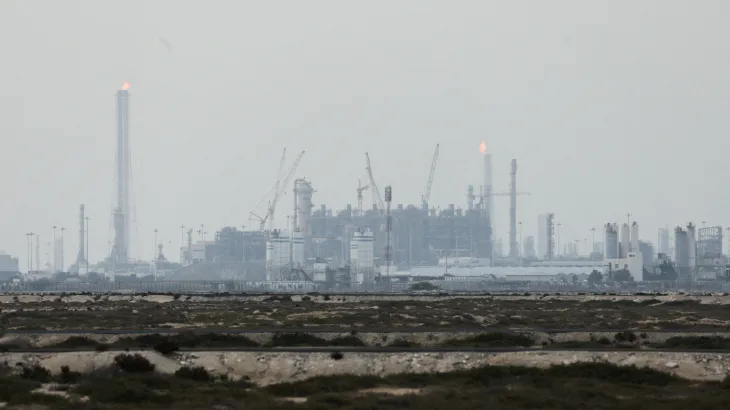
The ongoing crisis in the Middle East has severely impacted oil production across the Gulf region, with the Strait of Hormuz facing potential closure. Major oil-producing nations, including Saudi Arabia, the UAE, and Iraq, have implemented significant production cuts in response to the escalating conflict. As storage facilities near capacity, analysts warn of a looming risk of total production shutdowns if output is not managed effectively.
Production Cuts Across the Gulf
Saudi Arabia, the world’s largest oil exporter, has reduced its production by between 2 million and 2.5 million barrels per day. To maintain exports, the kingdom is rerouting some supplies through the Red Sea, although this alternative route cannot accommodate the usual volume of shipments. The UAE has also lowered its output by 500,000 to 800,000 barrels per day, redirecting some exports through Fujairah, which has faced its own challenges due to Iranian strikes. This rerouting, while helpful, only covers a fraction of the Gulf’s typical export levels.
Kuwait Petroleum Corporation has declared force majeure and begun cutting oil output as a precautionary measure, with plans to reassess the situation as it evolves. Previously, Kuwait produced around 2.6 million barrels per day, but the current cuts aim to prevent storage facilities from reaching capacity too quickly. Meanwhile, Iraq has seen its oil production plummet by 70%, dropping to just 1.3 million barrels per day from 4.3 million. The country’s exports have also sharply declined, with only two tankers loading due to restrictions in the Strait of Hormuz.
Impact on Global Oil Prices
The ongoing conflict has driven oil prices to nearly $120 per barrel, following Israeli strikes on Iranian energy infrastructure. Brent crude prices reached $119.50 before settling around $100, still significantly higher than pre-war levels. The war has raised concerns about energy infrastructure across the Middle East, as producers contend with damage from Iranian attacks and the potential closure of the Strait of Hormuz, a critical shipping route for oil.
The situation has created a volatile market, with fears of further disruptions leading to increased prices. The conflict’s impact on oil supply and pricing is likely to continue as tensions escalate and production cuts take effect across the region.
Storage Capacity Concerns
With storage tanks nearing their limits, Gulf oil-producing nations face the risk of a complete production halt. The Strait of Hormuz is responsible for approximately one-fifth of global oil and LNG flows, making its closure a dire scenario for energy markets. According to JP Morgan, Gulf nations collectively have the capacity to store about 343 million barrels of oil, but this is insufficient to manage the current crisis effectively.
Iraq, which has limited storage capacity, has likely reached its maximum, prompting significant output cuts. Rystad Energy has warned that Iraq’s remaining operational oil fields are at risk of imminent shutdown. In contrast, Saudi Arabia had 66 days of storage as of late February, but analysts caution that the kingdom may only have seven to nine days of effective production before forced cuts become necessary.
Saudi Aramco is working to redirect oil to the Red Sea port of Yanbu, while the UAE is attempting to send exports through Fujairah, despite the port also being targeted by Iranian attacks. These alternative routes currently handle only about a third of the volume that typically passes through the Strait of Hormuz, highlighting the precarious situation facing Gulf oil producers.
Observer Voice is the one stop site for National, International news, Sports, Editor’s Choice, Art/culture contents, Quotes and much more. We also cover historical contents. Historical contents includes World History, Indian History, and what happened today. The website also covers Entertainment across the India and World.

