

Hereditary Hemolytic Anemia: When Red Blood Cells Are Destroyed Too Fast

Red blood cells perform one of the body’s most essential tasks. They carry oxygen from the lungs to every organ, tissue, and cell that needs it to function.
Hereditary hemolytic anemia disrupts this process at its foundation. Genetic mutations cause red blood cells to break down far faster than the bone marrow can replace them.
The result is a chronic shortage of healthy red blood cells, leading to fatigue, jaundice, and in severe cases, life-threatening complications. Understanding this inherited condition empowers patients and families to seek timely diagnosis and effective care.
What Is Hereditary Hemolytic Anemia?
Hemolytic anemia is a broad term describing conditions where red blood cells are destroyed prematurely. Normally, red blood cells survive approximately 120 days before the body recycles them in an orderly, controlled process.
In hemolytic anemia, this lifespan shortens dramatically, sometimes to just a few days. The bone marrow struggles to compensate by producing new cells faster, but it cannot always keep pace with the rate of destruction.
What Makes It Hereditary?
Hereditary hemolytic anemia specifically refers to forms caused by inherited genetic mutations. These mutations affect the structure of red blood cells, their internal enzymes, or the hemoglobin protein they carry.
Unlike acquired hemolytic anemia, which develops due to infections, medications, or autoimmune conditions, hereditary forms are present from birth. They remain active throughout a person’s lifetime and can affect multiple members of the same family.
How the Body Responds to Hemolysis
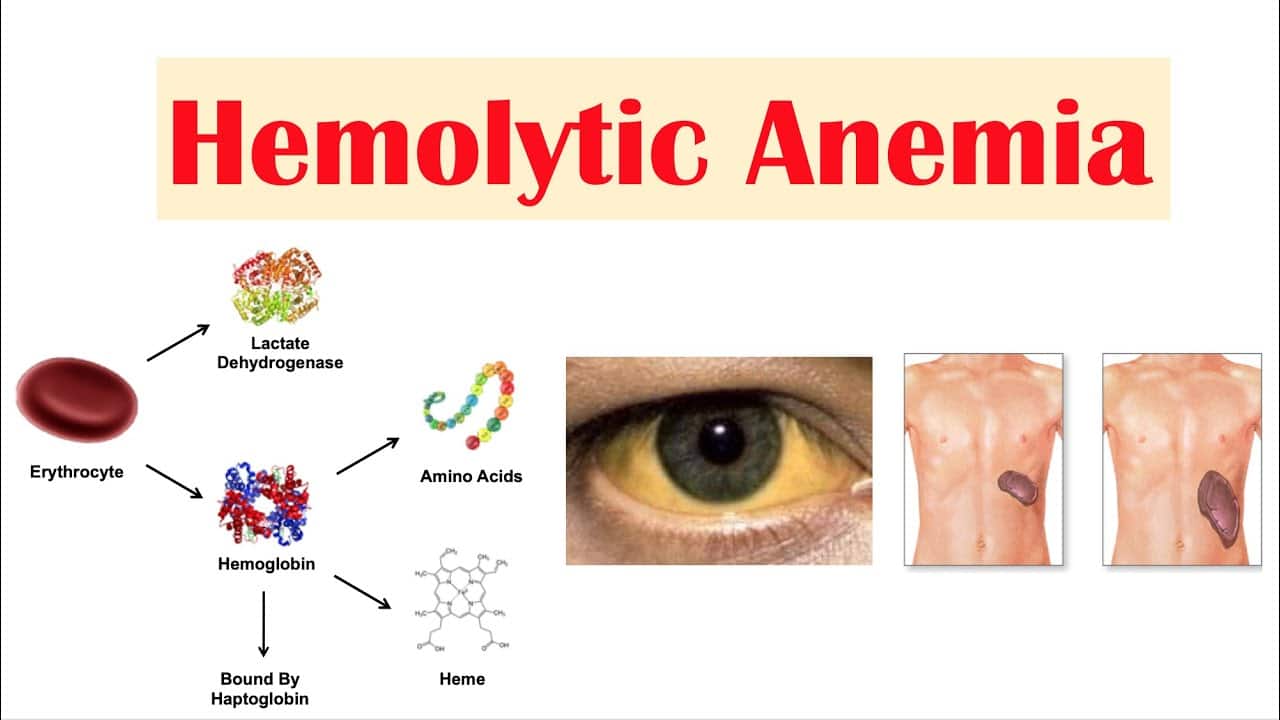
When red blood cells break down too quickly, the body releases large amounts of bilirubin, a yellow pigment produced during cell breakdown. Elevated bilirubin causes jaundice, giving the skin and eyes a distinctly yellow tinge.
The spleen, which filters damaged red cells, also enlarges under the strain of processing excessive cell destruction. This organ enlargement, called splenomegaly, is a hallmark physical finding in many hereditary hemolytic anemias.
Major Types of Hereditary Hemolytic Anemia
Hereditary hemolytic anemias fall into three broad categories based on the location of the underlying defect. These categories cover abnormalities in the red cell membrane, deficiencies in red cell enzymes, and defects in the hemoglobin molecule itself.
Each category encompasses several distinct conditions with different inheritance patterns, clinical severity, and management approaches. Accurate classification guides both genetic counselling and clinical treatment planning.
Red Cell Membrane Disorders
The red blood cell membrane is a flexible outer shell that gives the cell its characteristic disc shape and elasticity. Genetic defects in membrane proteins make red cells fragile, misshapen, and vulnerable to premature destruction.
Hereditary spherocytosis is the most common red cell membrane disorder in people of Northern European descent. Defects in proteins such as spectrin, ankyrin, and band 3 cause red cells to lose their disc shape and become rigid spheres that the spleen destroys easily.
Hereditary Elliptocytosis
Hereditary elliptocytosis is another membrane disorder in which red cells adopt an elongated, oval shape rather than the normal biconcave disc. Most affected individuals experience mild or no clinical symptoms, though severe forms cause significant hemolysis.
A rare severe variant called hereditary pyropoikilocytosis causes marked red cell fragmentation and serious hemolytic anemia, often presenting in infancy. Diagnosis relies on the characteristic red cell shapes visible on peripheral blood film examination.
Enzyme Deficiency Disorders
Red blood cells depend on internal enzymes to generate energy and protect themselves from oxidative damage. Inherited deficiencies in these enzymes impair cellular survival and accelerate hemolysis under specific conditions.
Glucose-6-phosphate dehydrogenase (G6PD) deficiency is the most common hereditary enzyme deficiency worldwide, affecting an estimated 400 million people. Pyruvate kinase deficiency is the second most common red cell enzyme disorder and causes chronic hemolytic anemia of variable severity.
G6PD Deficiency: Triggers and Global Significance
G6PD deficiency affects the enzyme that protects red blood cells from oxidative stress. When red cells cannot neutralise oxidative damage, they rupture and cause acute hemolytic episodes.
This condition follows an X-linked inheritance pattern, meaning males are more commonly and severely affected than females. It occurs most frequently in people from Africa, the Mediterranean, Middle East, and Southeast Asia.
What Triggers Hemolysis in G6PD Deficiency?
People with G6PD deficiency can go years without symptoms between episodes. However, specific triggers provoke sudden, severe hemolytic crises that demand prompt medical attention.
Common triggers include infections, certain medications such as primaquine and dapsone, fava beans, and naphthalene moth balls. Avoiding these triggers dramatically reduces the frequency and severity of acute hemolytic episodes throughout life.
Neonatal Jaundice and G6PD
Newborns with G6PD deficiency are at significant risk of severe neonatal jaundice. Elevated bilirubin in the first days of life can cross into the brain if not treated rapidly, causing a devastating condition called kernicterus.
Phototherapy and, in severe cases, exchange blood transfusion treat neonatal jaundice effectively when started promptly. Newborn screening programmes in high-prevalence regions identify affected babies early and allow preventive action before complications develop.
Hemoglobin Disorders Causing Hereditary Hemolytic Anemia
Hemoglobin is the protein inside red blood cells that binds and transports oxygen. Genetic mutations affecting hemoglobin structure or production represent the most globally prevalent form of hereditary hemolytic anemia.
These disorders affect hundreds of millions of people worldwide and carry enormous public health significance. Sickle cell disease and thalassemia syndromes together account for the largest burden of inherited hemolytic anemia across the globe.
Sickle Cell Disease
Sickle cell disease results from a single point mutation in the beta-globin gene. This mutation causes hemoglobin to polymerise under low-oxygen conditions, transforming flexible disc-shaped red cells into rigid, crescent-shaped sickle cells.
Sickle cells break down rapidly, causing chronic hemolytic anemia, and also block small blood vessels, triggering painful vaso-occlusive crises. Organ damage, stroke, acute chest syndrome, and severe infections represent the most serious complications of this condition.
Thalassemia Syndromes
Thalassemia describes a group of inherited disorders caused by reduced or absent production of one or more hemoglobin chains. Alpha thalassemia affects the alpha chains of hemoglobin, while beta thalassemia affects the beta chains.
Thalassemia major, also called Cooley’s anemia, causes severe hemolytic anemia requiring lifelong regular blood transfusions for survival. Without treatment, children with thalassemia major develop massive spleen enlargement, bone deformities, and heart failure within the first years of life.
Hemoglobin C and Other Variants
Hemoglobin C disease results from a different beta-globin mutation that causes less severe hemolysis than sickle cell disease. Red cells containing hemoglobin C are stiffer than normal and have a shortened lifespan, though many affected individuals lead relatively normal lives.
Compound heterozygous conditions, such as hemoglobin SC disease, combine two different hemoglobin mutations and produce clinical courses intermediate between the two individual disorders. Comprehensive hemoglobin analysis identifies these variants accurately and guides appropriate clinical management.
Recognising the Symptoms of Hereditary Hemolytic Anemia
Symptoms of hereditary hemolytic anemia vary widely depending on the severity of red cell destruction and the body’s compensatory response. Some individuals remain largely asymptomatic for years, while others experience severe symptoms from early childhood.
All forms share a core set of symptoms arising directly from the shortage of functional red blood cells and the accumulation of breakdown products. Recognising these symptoms promotes earlier diagnosis and prevents avoidable complications.
Anemia-Related Symptoms
Chronic anemia produces fatigue, weakness, and reduced physical endurance. Affected individuals often describe feeling breathless during activities that previously caused no difficulty.
Pallor, particularly noticeable in the inner eyelids, palms, and nail beds, reflects the reduced concentration of hemoglobin in the blood. Children with significant hereditary hemolytic anemia may show delayed growth and reduced exercise tolerance compared to their peers.
Jaundice and Bilirubin Complications
Yellow discolouration of the skin and whites of the eyes signals elevated bilirubin from ongoing red cell destruction. This jaundice may be subtle and chronic or dramatically apparent during acute hemolytic episodes.
Persistently elevated bilirubin promotes the formation of pigment gallstones in the gallbladder, a common long-term complication across all forms of hereditary hemolytic anemia. Many patients require cholecystectomy, the surgical removal of the gallbladder, at some point during their lifetime.
Splenomegaly and Abdominal Symptoms
An enlarged spleen causes a feeling of fullness, left-sided abdominal discomfort, and in severe cases, visible abdominal distension. The enlarged spleen accelerates red cell destruction further, worsening the underlying anemia in a self-reinforcing cycle.
Hypersplenism, where the overactive spleen also destroys platelets and white cells, compounds the clinical picture with infection susceptibility and bleeding tendencies. Addressing splenomegaly forms an important part of long-term management in several hereditary hemolytic conditions.
Hemolytic Crisis and Aplastic Crisis
Acute hemolytic crises produce rapid worsening of anemia, severe jaundice, dark urine, and in extreme cases, kidney failure. These episodes require emergency medical assessment and may necessitate urgent blood transfusion.
Aplastic crisis occurs when parvovirus B19 infection temporarily suppresses bone marrow red cell production. In a person whose bone marrow is already working at maximum capacity to compensate for hemolysis, even brief suppression causes a precipitous drop in hemoglobin requiring immediate treatment.
Diagnosing Hereditary Hemolytic Anemia
Diagnosis begins with a thorough clinical history including family history, ethnic background, and symptom timeline. Several hereditary hemolytic conditions occur with much higher frequency in specific ethnic populations, making ancestry a clinically relevant diagnostic clue.
A full blood count reveals the degree of anemia, and a peripheral blood film allows direct visualisation of abnormal red cell shapes. These basic investigations often point strongly toward the correct diagnosis before specialist tests are performed.
Specialised Laboratory Investigations
Hemoglobin electrophoresis or high-performance liquid chromatography (HPLC) identifies abnormal hemoglobin variants such as sickle hemoglobin and hemoglobin C. These tests separate and quantify different hemoglobin types present in the blood sample with high precision.
Enzyme assays measure the activity of specific red cell enzymes including G6PD and pyruvate kinase. Importantly, G6PD levels must be measured during a stable period rather than immediately after a hemolytic episode, as the test can falsely appear normal when older, more severely deficient cells have already been destroyed.
Osmotic Fragility and Flow Cytometry
The osmotic fragility test assesses how easily red cells rupture when placed in increasingly dilute salt solutions, helping diagnose hereditary spherocytosis. Eosin-5-maleimide (EMA) binding flow cytometry has largely replaced osmotic fragility testing in specialist centres due to its superior sensitivity and specificity.
Genetic testing identifies specific gene mutations and confirms the precise diagnosis in ambiguous cases. Genetic confirmation also enables accurate carrier detection and informed genetic counselling for family planning purposes.
Treatment of Hereditary Hemolytic Anemia
Treatment varies considerably across different types and severities of hereditary hemolytic anemia. Mild forms may require no regular treatment, while severe forms demand intensive, lifelong medical management.
The overarching treatment goals are preventing dangerous anemia, avoiding complications, improving quality of life, and where possible, addressing the underlying genetic defect. Specialist haematology care coordinates the complex management these conditions often require.
Blood Transfusions
Regular blood transfusions sustain hemoglobin levels in severe hereditary hemolytic anemias such as thalassemia major. Each transfusion provides healthy red cells that survive a normal lifespan and restore adequate oxygen-carrying capacity.
However, repeated transfusions cause progressive iron overload as the body cannot excrete the iron released from transfused red cell breakdown. Iron chelation therapy, using drugs such as deferasirox or deferoxamine, removes excess iron and prevents organ damage from accumulation.
Splenectomy
Removing the spleen eliminates the primary site of red cell destruction in conditions such as hereditary spherocytosis and severe hemolytic elliptocytosis. Splenectomy produces dramatic improvements in hemoglobin levels and reduces transfusion requirements significantly.
However, splenectomy permanently impairs immunity against encapsulated bacteria such as pneumococcus and meningococcus. Vaccinations before surgery and ongoing antibiotic prophylaxis after surgery are essential to prevent life-threatening post-splenectomy infections.
Hydroxyurea in Sickle Cell Disease
Hydroxyurea is a disease-modifying medication that increases the production of fetal hemoglobin, which does not sickle. Higher fetal hemoglobin levels reduce the frequency of painful crises, acute chest syndrome, and hospitalisation in people with sickle cell disease.
Long-term hydroxyurea therapy also reduces stroke risk and slows organ damage progression. It has transformed the management of sickle cell disease and is now recommended for most patients regardless of symptom severity.
Curative Options: Stem Cell Transplantation and Gene Therapy
Allogeneic stem cell transplantation offers a potential cure for severe sickle cell disease and thalassemia major. A donor’s healthy stem cells replace the patient’s defective bone marrow, restoring normal red cell production permanently.
Gene therapy represents the most exciting frontier in hereditary hemolytic anemia treatment. Early clinical trials using lentiviral vectors and CRISPR-based gene editing have achieved functional cures in selected patients with sickle cell disease and beta-thalassemia, signalling a transformative new era in treatment.
Frequently Asked Questions About Hereditary Hemolytic Anemia
What causes hereditary hemolytic anemia?
Hereditary hemolytic anemia results from inherited genetic mutations that affect the structure, enzyme function, or hemoglobin content of red blood cells. These defects make red cells fragile, abnormally shaped, or biochemically vulnerable, causing them to break down far sooner than their normal 120-day lifespan. The specific mutation determines which type of hereditary hemolytic anemia a person has and how severely the condition affects them clinically.
Is hereditary hemolytic anemia curable?
Most forms of hereditary hemolytic anemia are lifelong conditions without a conventional medical cure. However, allogeneic stem cell transplantation offers a functional cure for eligible patients with severe sickle cell disease and thalassemia major. Emerging gene therapies have also achieved disease correction in early clinical trials, and these approaches are rapidly moving toward broader clinical availability for affected patients.
How does hereditary hemolytic anemia differ from acquired hemolytic anemia?
Hereditary hemolytic anemia results from genetic mutations present from birth that permanently affect red blood cell quality or function. Acquired hemolytic anemia develops later in life due to external triggers such as autoimmune conditions, infections, medications, or toxins. While both cause premature red cell destruction, inherited forms are lifelong and often affect multiple family members, while acquired forms may resolve when doctors successfully identify and treat the underlying cause.
Can people with hereditary hemolytic anemia live normal lives?
Many people with mild to moderate forms of hereditary hemolytic anemia lead full, active lives with appropriate medical monitoring and management. Those with severe forms such as thalassemia major or complex sickle cell disease require more intensive treatment but still achieve meaningful quality of life with modern care. Advances in disease-modifying therapies, regular specialist follow-up, and patient education all contribute significantly to improved long-term outcomes.
What is the most common hereditary hemolytic anemia worldwide?
G6PD deficiency is the most common hereditary red cell enzyme disorder globally, affecting an estimated 400 million people predominantly in Africa, the Mediterranean, and Asia. Among hemoglobin disorders, sickle cell disease and thalassemia together represent the highest global disease burden of hereditary hemolytic anemia. Hereditary spherocytosis is the most common red cell membrane disorder in populations of Northern European ancestry.
Advancing Care for Hereditary Hemolytic Anemia
Hereditary hemolytic anemia encompasses a diverse group of conditions united by the same devastating process: red blood cells breaking down far faster than the body can replace them.
Medical science has made remarkable progress in understanding, diagnosing, and treating these conditions over recent decades. From the global rollout of newborn screening programmes to the arrival of gene therapy trials, the landscape of care continues to improve at an accelerating pace.
For patients and families navigating these diagnoses, specialist haematology care, genetic counselling, and access to emerging therapies provide genuine hope. Earlier diagnosis, better treatment options, and growing scientific knowledge together mean that people living with hereditary hemolytic anemia today face far better prospects than any generation before them.
Disclaimer:
This article is intended for general informational purposes only. It does not constitute medical advice, diagnosis, or treatment. Always consult a qualified healthcare professional for any medical concerns.
References:
- Sickle cell disease has distinctive presentations varying by severity and age. Infant presentation (0 to 12 months). Hand-foot syndrome.
- Sickle cell disease is a serious inherited blood disorder affecting hemoglobin, the oxygen-carrying protein in red blood cells.
- Thalassemia is an inherited blood disorder affecting hemoglobin production, the iron-containing protein in red blood cells that carries oxygen throughout the body.
- World Sickle Cell Day is observed each year on June 19
Observer Voice is the one stop site for National, International news, Sports, Editor’s Choice, Art/culture contents, Quotes and much more. We also cover historical contents. Historical contents includes World History, Indian History, and what happened today. The website also covers Entertainment across the India and World.

