

Fuel Exporters in India and the US Reap Billions from War-Induced Oil Supply Disruptions

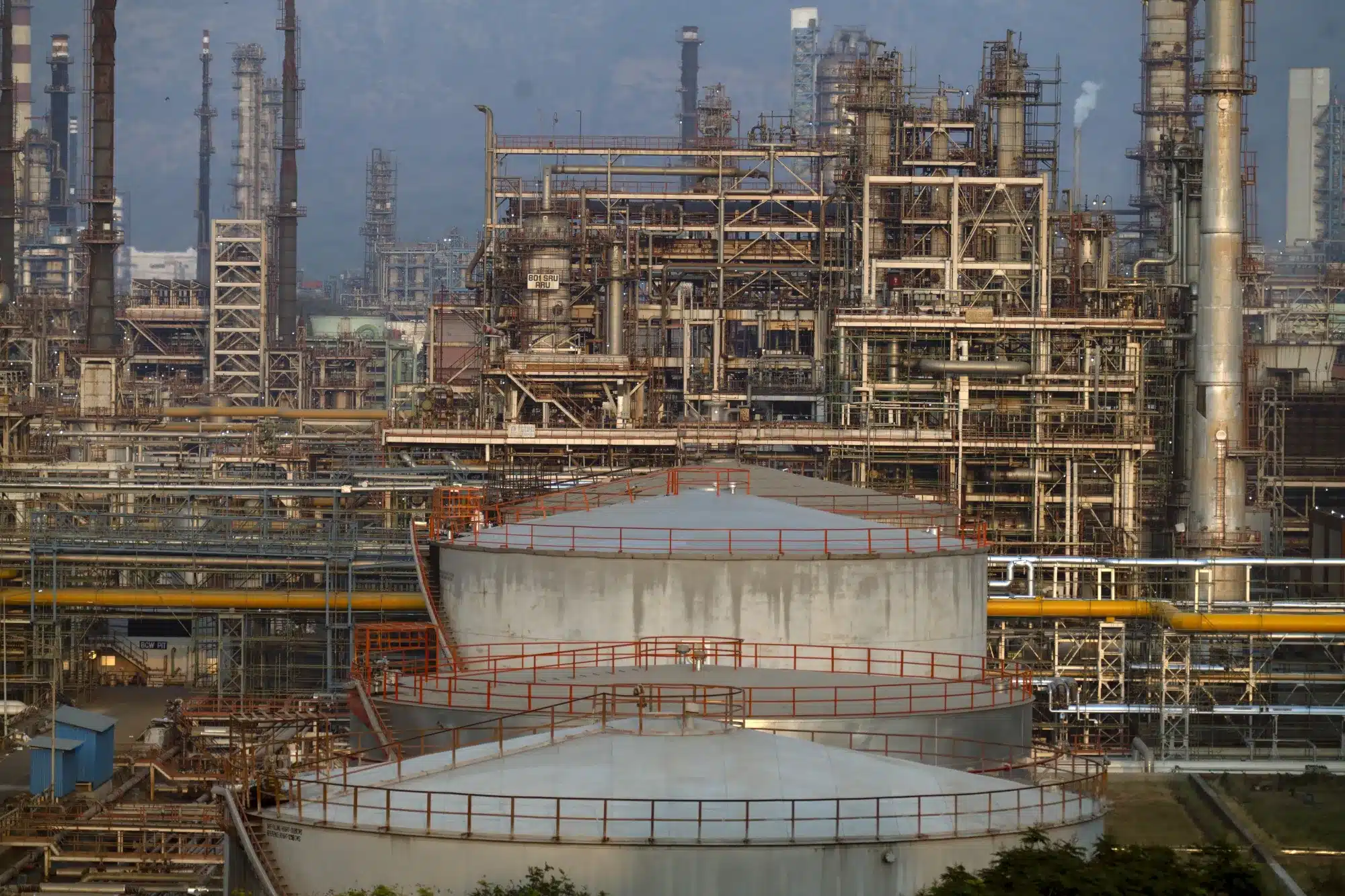
With ongoing disruptions in global fuel supplies due to the Middle East crisis and the Russia-Ukraine war, refiners in India and the United States are experiencing significant benefits. Increased exports of refined fuel have emerged as a key advantage for these refiners, as importers compete for available barrels during the peak summer driving season in the Northern Hemisphere. According to the International Energy Agency, worldwide refinery throughput fell to approximately 89 million barrels per day in July, a decrease of 5 million bpd from the previous year, while global oil demand remains above 100 million bpd.
How India & US are reaping a bonanza
Refineries in India and the US have ramped up exports to markets that previously relied heavily on supplies from the Middle East and Russia, as their operations remain unaffected by attacks or shipping restrictions. Analysts and traders indicate that these refiners are likely to continue generating billions of dollars from stronger exports as long as traditional supply routes remain disrupted. Lin Ye, a vice president at Rystad Energy, stated that India will act as Asia’s swing supplier when regional markets tighten, supported by high operating rates at export-oriented refineries like Reliance and Nayara.
US refiners have also increased their overseas sales. Government data reveals that distillate fuel exports, including diesel and heating oil, reached a record 1.9 million barrels per day in the week ending August 7. Jet fuel exports were recorded at 443,000 bpd, just shy of the record 455,000 bpd set in May.
Stable demand drives exports
Demand from Indonesia, the largest gasoline buyer in Asia, remains robust. A Singapore-based trader noted that Indonesia is expected to consume around 11-12 million barrels in August, up from 9-10 million barrels in July. Indonesia typically imports 88- to 92-octane gasoline, with India, Singapore, and South Korea among its primary sources. Rystad forecasts Indonesian demand to average about 636,000 bpd in the third quarter and 641,000 bpd in the fourth quarter.
Kpler data indicates that US fuel exporters have focused on European markets that previously imported significant volumes of Middle Eastern oil, as well as Latin American markets that relied on Russian crude. Brazil, a major importer of Russian diesel, significantly increased its purchases of US diesel last month, with imports reaching 196,000 bpd, more than double the June level, following Russia’s extension of its fuel export ban through January 2027.
Stiff competition from China
Despite the gains for Indian and US refiners, they face strong competition from China, which has historically dominated fuel exports to Asian markets. Other exporters, such as South Korea, are limited in their ability to increase volume due to uncertainties surrounding crude supply. China began easing restrictions on fuel exports in July, with LSEG Research reporting a surge to 1.1 million tonnes, or approximately 9.3 million barrels, from just 240,860 tonnes in June.
Fuel demand in both the US and India is also constraining the amount refiners can export, as both countries are currently in peak periods for gasoline and transportation fuel consumption. US gasoline demand averaged nearly 9 million bpd last week, remaining stable compared to the same period last year, while jet fuel demand was around 2 million bpd, significantly higher than the 1.6 million bpd recorded at the same time last year.
Observer Voice is the one stop site for National, International news, Sports, Editor’s Choice, Art/culture contents, Quotes and much more. We also cover historical contents. Historical contents includes World History, Indian History, and what happened today. The website also covers Entertainment across the India and World.

