

Floods: Most frequent disaster affecting 2 billion people worldwide
Floods: 2 billion affected in 20 years—drowning causes 75% of deaths

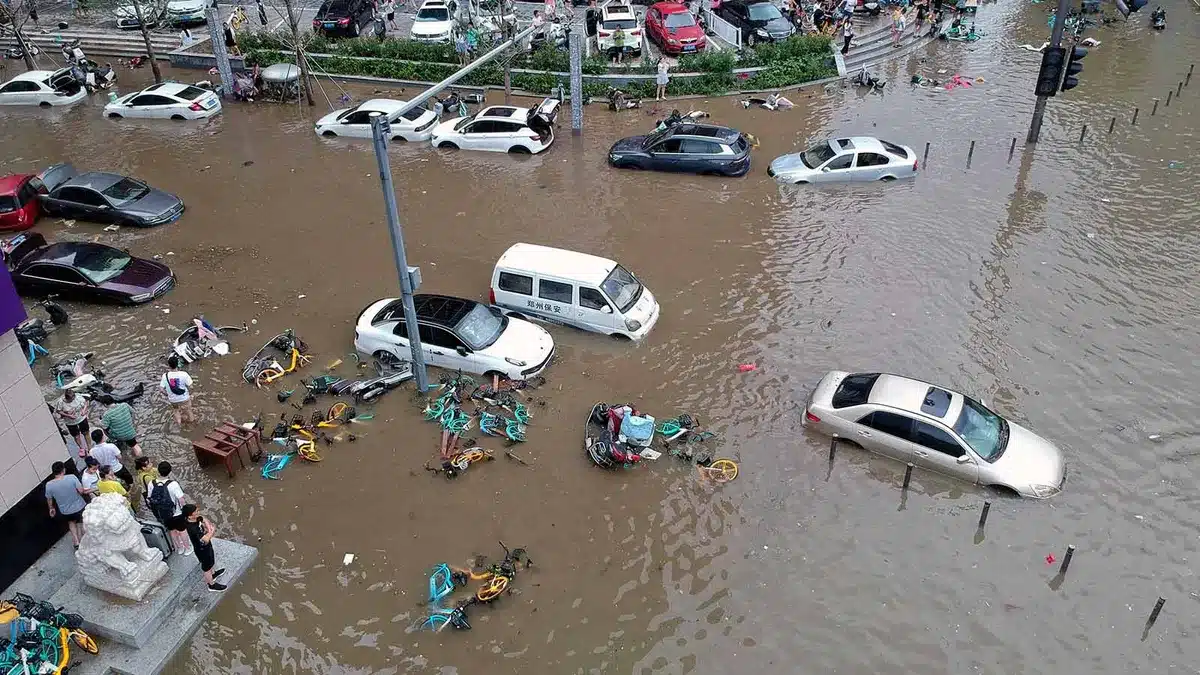
Amina Bibi stood on the roof of her home, watching the brown water rise.
It had been raining for three days in Pakistan’s Sindh province. Now the river had burst its banks, and floodwater swept through her village carrying everything—homes, livestock, people. Her husband clung to their two children, trying to keep their heads above water. Neighbors screamed for help from trees and rooftops.
“I thought we would all die,” Amina recalled months later, sitting in a displacement camp. “The water came so fast. My neighbor’s three children drowned. The youngest was only two years old.”
Amina’s experience in Pakistan’s devastating 2022 floods represents a global crisis. According to WHO’s work on floods, floods are the most frequent type of natural disaster and occur when an overflow of water submerges land that is usually dry. Between 1998-2017, floods affected more than 2 billion people worldwide.
Floods are often caused by heavy rainfall, rapid snowmelt or a storm surge from a tropical cyclone or tsunami in coastal areas. They can cause widespread devastation, resulting in loss of life and damages to personal property and critical public health infrastructure.
For more on related disaster topics, see our articles on climate change impacts and disaster preparedness at ObserverVoice.com.
Understanding Different Types of Floods
There are 3 common types of floods:
Flash floods are caused by rapid and excessive rainfall that raises water heights quickly, and rivers, streams, channels or roads may be overtaken. These are the most dangerous because they give people almost no time to evacuate.
River floods are caused when consistent rain or snow melt forces a river to exceed capacity. These develop more slowly but can last for weeks, submerging vast areas.
Coastal floods are caused by storm surges associated with tropical cyclones and tsunami. These can devastate entire coastal communities within hours.
Between 80-90% of all documented disasters from natural hazards during the past 10 years have resulted from floods, droughts, tropical cyclones, heat waves and severe storms. Floods are also increasing in frequency and intensity, and the frequency and intensity of extreme precipitation is expected to continue to increase due to climate change.
People who live in floodplains or non-resistant buildings, or lack warning systems and awareness of flooding hazard, are most vulnerable to floods.
WHO’s Q&A on how to protect yourself in a flood provides practical safety guidance. For more on climate change and health impacts, see our related articles at ObserverVoice.com.
The Deadly Toll: Drowning and Beyond
Drowning accounts for 75% of deaths in flood disasters. Flood disasters are becoming more frequent and this trend is expected to continue. Drowning risks increase with floods particularly in low- and middle-income countries where people live in flood prone areas and the ability to warn, evacuate, or protect communities from floods is weak or only just developing.
WHO’s fact sheet on drowning provides comprehensive information on prevention. WHO also published Preventing drowning: an implementation guide in May 2017, offering practical steps to reduce drowning.
Deaths also result from physical trauma, heart attacks, electrocution, carbon monoxide poisoning or fire associated with flooding. Often, only immediate traumatic deaths from flooding are recorded.
Dr. Hassan Malik, an emergency physician who treated flood victims in Pakistan, described the immediate aftermath: “We saw crush injuries from collapsing buildings, electrocutions from downed power lines, people who had heart attacks from the stress and physical exertion of escaping floods. And drowning—so much drowning. Parents holding dead children. Entire families swept away.”
In September 2022, WHO Director-General issued a statement on Pakistan floods, highlighting the massive health emergency. WHO produced videos showing how WHO supported people affected by the floods in Pakistan and documented how devastating floods in Pakistan affected access to health care.
For more on drowning prevention, see WHO’s resources and our related articles at ObserverVoice.com.
Medium- and Long-Term Health Impacts
Floods can have medium- and long-term health impacts, including:
Water- and vector-borne diseases, such as cholera, typhoid or malaria. Floodwater contaminates drinking water sources, creating perfect conditions for disease outbreaks.
Injuries, such as lacerations or punctures from evacuations and disaster cleanup. Snakebite envenoming also increases during floods as snakes seek higher ground.
Chemical hazards. WHO published guidance on chemical releases associated with floods in 2018, documenting how floods can cause industrial chemical spills and contamination.
Mental health effects associated with emergency situations. The trauma of losing loved ones, homes, and livelihoods creates lasting psychological impacts.
Disrupted health systems, facilities and services, leaving communities without access to health care. Hospitals flood, medicines are destroyed, health workers cannot reach facilities.
Damaged basic infrastructure, such as food and water supplies, and safe shelter. WHO published floods: four tips to reduce food safety risks in January 2024 and created an infographic on food safety tips for flooding.
Amina’s family experienced many of these. Three weeks after the initial flood, her daughter developed severe diarrhea from contaminated water. The nearest health clinic was underwater. Medicine supplies were exhausted. “We thought she would die too,” Amina said. “But a mobile health team came to the camp. They gave her treatment. She survived.”
WHO created an infographic with health tips after floods, providing practical guidance for survivors.
For more on waterborne diseases, see our articles on cholera outbreaks, typhoid prevention, and malaria control at ObserverVoice.com.
WHO’s Emergency Response
The magnitude of the physical and human costs from floods can be reduced if adequate emergency prevention, preparedness, response and recovery measures are implemented in a sustainable and timely manner.
WHO works with Member States to build resilient and proactive health systems that can anticipate the needs and challenges during emergencies so that they are more likely to reduce risks and respond effectively when needed.
As the health cluster lead for global emergencies, WHO works with partners through its Health Emergencies Programme to respond to floods by ensuring appropriate food supplementation; restoring primary care services, like immunization, child and maternal health, and mental health; assembling mobile health teams and outreach; conducting epidemic surveillance, early warning and response; and calling for emergency funding to support health action.
WHO’s Environment, Climate Change and Health department coordinates work on managing environmental health risks in emergencies.
WHO’s Q&A on WHO’s role in Humanitarian Health Action explains the comprehensive response framework.
WHO documented multiple flood responses: In November 2019, WHO aided flood-hit populations across Africa and the Eastern Mediterranean Region. In May 2019, Iran floods left people with limited access to life-saving health services.
WHO featured donors making a difference for refugees and migrants in June 2025, community engagement to promote health and well-being in February 2025, Japan’s support for WHO’s emergency response work in July 2024, and donors’ support for Sudan and South Sudan in July 2024.
Preparedness Saves Lives
The World Health Assembly adopted Resolution WHA 64.10 on Strengthening national health emergency and disaster management capacities, establishing global commitments to disaster preparedness.
During the COVID-19 pandemic, WHO published guidance on preparedness for cyclones, tropical storms, tornadoes, floods and earthquakes during the COVID-19 pandemic in April 2020, helping countries adapt preparedness plans.
Disaster statistics are available through UNDRR, and WHO maintains Disease Outbreak News tracking health emergencies including flood-related outbreaks.
Dr. Fatima Hassan, who coordinates flood preparedness programs in Bangladesh, explained the importance of preparation: “We’ve developed early warning systems, evacuation plans, elevated flood shelters stocked with food and medicine. We train communities on what to do when floods come—and floods always come. Since we implemented these programs, drowning deaths have dropped by 60%.”
For more on emergency preparedness and response, see our articles on disaster risk reduction at ObserverVoice.com.
Climate Change: The Growing Threat
Floods are increasing in frequency and intensity, and the frequency and intensity of extreme precipitation is expected to continue to increase due to climate change. What was once a 100-year flood may now occur every decade. Communities that never experienced flooding now face regular inundation.
Amina Bibi’s village had never flooded in living memory. Now, two years later, she remains in the displacement camp. Her village is permanently underwater. “We have nowhere to go,” she said. “The water destroyed everything. And they say it will keep happening—that the floods will keep coming.”
With WHO’s comprehensive approach to flood preparedness and response, communities can reduce deaths and suffering. The 2 billion people affected by floods between 1998-2017 demand urgent action on climate adaptation, early warning systems, resilient infrastructure, and robust health emergency response.
For more information, visit WHO’s floods health topic page or explore related content at ObserverVoice.com.
Frequently Asked Questions (FAQs)
According to WHO’s work on floods, floods are the most frequent type of natural disaster and occur when an overflow of water submerges land that is usually dry. Between 1998-2017, floods affected more than 2 billion people worldwide. Floods can cause widespread devastation, resulting in loss of life and damages to personal property and critical public health infrastructure. People who live in floodplains or non-resistant buildings, or lack warning systems and awareness of flooding hazard, are most vulnerable. Between 80-90% of all documented disasters from natural hazards during the past 10 years have resulted from floods, droughts, tropical cyclones, heat waves and severe storms. Floods are also increasing in frequency and intensity, and the frequency and intensity of extreme precipitation is expected to continue to increase due to climate change. There are 3 common types of floods: flash floods caused by rapid excessive rainfall; river floods caused when consistent rain or snow melt forces a river to exceed capacity; and coastal floods caused by storm surges associated with tropical cyclones and tsunami. Disaster statistics are available through UNDRR. For more on climate impacts, see our articles at ObserverVoice.com.
Drowning accounts for 75% of deaths in flood disasters. Flood disasters are becoming more frequent and this trend is expected to continue. Drowning risks increase particularly in low- and middle-income countries where people live in flood prone areas and the ability to warn, evacuate, or protect communities is weak. WHO’s fact sheet on drowning provides comprehensive information. Deaths also result from physical trauma, heart attacks, electrocution, carbon monoxide poisoning or fire associated with flooding. Floods can have medium- and long-term health impacts, including water- and vector-borne diseases such as cholera, typhoid or malaria; injuries such as lacerations or punctures from evacuations and disaster cleanup; snakebite envenoming; chemical hazards (see chemical releases associated with floods); mental health effects; disrupted health systems leaving communities without access to care; and damaged basic infrastructure including food and water supplies. WHO published floods: four tips to reduce food safety risks and created infographics on food safety tips and health tips after floods. For more on disease prevention, see our articles at ObserverVoice.com.
The magnitude of physical and human costs from floods can be reduced if adequate emergency prevention, preparedness, response and recovery measures are implemented. WHO works with Member States to build resilient and proactive health systems that can anticipate needs and challenges during emergencies. As the health cluster lead for global emergencies, WHO works with partners through its Health Emergencies Programme to respond by ensuring appropriate food supplementation; restoring primary care services like immunization, child and maternal health, and mental health; assembling mobile health teams and outreach; conducting epidemic surveillance, early warning and response; and calling for emergency funding to support health action. WHO’s Environment, Climate Change and Health department coordinates work on managing environmental health risks in emergencies. WHO’s Q&A on WHO’s role in Humanitarian Health Action explains the framework. Recent responses include Pakistan floods 2022, Africa and Eastern Mediterranean floods November 2019, and Iran floods May 2019. See our articles on emergency response.
WHO provides multiple resources for flood preparedness. WHO’s Q&A on how to protect yourself in a flood offers practical safety guidance. WHO published Preventing drowning: an implementation guide in May 2017 with practical steps to reduce drowning. During COVID-19, WHO issued preparedness for cyclones, tropical storms, tornadoes, floods and earthquakes during the pandemic in April 2020. WHO published chemical releases associated with floods in 2018 and floods: four tips to reduce food safety risks in January 2024. WHO created infographics on food safety tips for flooding and health tips after floods. WHO maintains Disease Outbreak News tracking flood-related health emergencies. The World Health Assembly adopted Resolution WHA 64.10 on Strengthening national health emergency and disaster management capacities. WHO produced videos on Pakistan floods response and floods affecting healthcare access. See our articles on disaster preparedness.
Floods are increasing in frequency and intensity, and the frequency and intensity of extreme precipitation is expected to continue to increase due to climate change. Between 80-90% of all documented disasters from natural hazards during the past 10 years have resulted from floods, droughts, tropical cyclones, heat waves and severe storms. People who live in floodplains or non-resistant buildings, or lack warning systems and awareness of flooding hazard, are most vulnerable. WHO works with Member States to build resilient health systems that can anticipate needs during emergencies. WHO’s Environment, Climate Change and Health department coordinates climate adaptation work. Effective preparedness includes early warning systems, evacuation plans, elevated flood shelters, community training, resilient infrastructure, and robust health emergency response. The World Health Assembly’s Resolution WHA 64.10 establishes global commitments to disaster preparedness and resilience. WHO featured donor support for emergency response in multiple stories including work on community engagement and Japan’s support. With WHO’s comprehensive approach, communities can reduce flood impacts. See our articles on climate adaptation.
- WHO Floods Health Topic
- WHO Q&A: How to Protect Yourself in a Flood
- WHO Q&A: WHO’s Role in Humanitarian Health Action
- WHO Fact Sheet: Drowning
- WHO Fact Sheet: Cholera
- WHO Fact Sheet: Typhoid
- WHO Fact Sheet: Malaria
Disclaimer: This article is an adaptation of publicly available information from WHO’s Floods
health topic page (WHO, Geneva. Licence: CC BYNC-SA 3.0 IGO). WHO is not responsible for the
content or accuracy of this adaptation. This content is for informational and educational purposes
only and does not constitute medical advice. ObserverVoice.com is a news and information platform
— not a healthcare provider.
Observer Voice is the one stop site for National, International news, Sports, Editor’s Choice, Art/culture contents, Quotes and much more. We also cover historical contents. Historical contents includes World History, Indian History, and what happened today. The website also covers Entertainment across the India and World.

