

Exploring the Hidden Costs of Being a Woman: Pink Tax, Safety Tax, Health Tax, and More in India

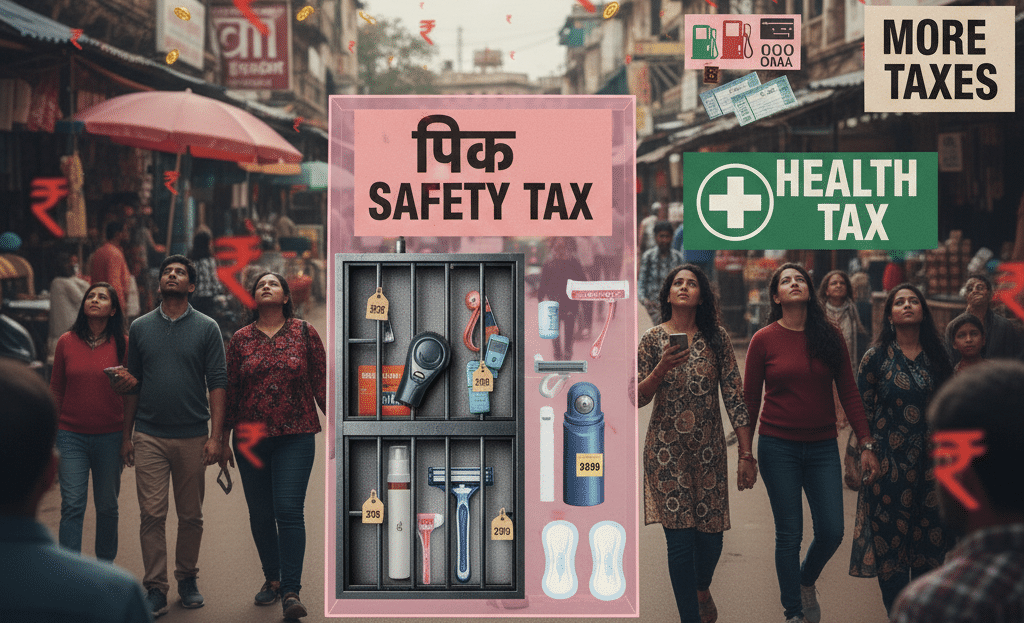
Aastha Jha’s poignant remark, “Agle janam mohe ladka hi kijo,” reflects the frustration many women feel about the hidden costs of simply existing in society. This sentiment highlights a pervasive issue known as the “Pink Tax,” where women pay more for products and services marketed towards them, despite the offerings being nearly identical to those for men. From personal care items to transportation, the financial burden on women is significant and often overlooked, raising questions about gender equality and societal norms.
The Pink Tax: An Overview
The Pink Tax refers to the additional costs women incur for products and services that are marketed specifically to them. This phenomenon is not limited to any one country; it is a global issue, including in India. Women often find that personal care items, clothing, and even healthcare services are priced higher than their male counterparts, despite serving the same purpose. For instance, a lavender-scented moisturizer may cost more than a basic men’s moisturizer, even though both fulfill the same function. This discrepancy is not merely a matter of consumer choice; it reflects a deeper societal issue where women’s needs are often exploited for profit.
Many women are unaware of the extent of this hidden tax, which can manifest in various aspects of daily life. Personal care products, fashion items, and even healthcare services often come with a premium price tag simply because they are targeted at women. This pricing strategy not only affects women financially but also reinforces gender stereotypes and inequalities in society.
Marketing Strategies and Their Impact
Marketing plays a crucial role in perpetuating the Pink Tax. Companies often target women with a wide array of products, framing them as necessities rather than luxuries. This strategy leads to a perception that women are less price-sensitive, compelling them to spend more on personal care and fashion. The skincare industry, for example, offers a plethora of products aimed at women, while men’s options remain limited. This disparity creates an environment where women feel pressured to invest in various beauty and personal care routines, further inflating their expenses.
Moreover, the design of women’s clothing often reflects societal norms that prioritize aesthetics over practicality. Many women find themselves with clothing that lacks functional pockets, forcing them to carry additional bags for their essentials. This design choice not only adds to the financial burden but also limits women’s convenience and freedom in their daily lives.
The Safety Tax: A Hidden Cost
In addition to the Pink Tax, women also face what can be termed a “safety tax.” This refers to the additional expenses women incur to ensure their safety while navigating urban environments. Public transportation options that are cheaper for men may not feel safe for women, leading them to opt for more expensive alternatives like cabs or higher travel classes. This necessity is not a luxury but a fundamental requirement for many women who face the constant threat of harassment.
For instance, Aastha Jha shared her experience of spending around Rs 6,000 monthly on travel to her office, a cost driven by safety concerns. Unlike men, who may not think twice about taking public transport, women often have to factor in safety when making travel decisions. This added layer of anxiety and expense highlights the stark differences in how men and women experience urban life.
Healthcare and the Unpaid Labor Tax
Healthcare costs also disproportionately affect women, who face ongoing expenses related to reproductive health, menstrual products, and routine medical care. Despite the removal of GST on sanitary pads in 2018, many women, especially in rural areas, still struggle to afford these essential items. The financial burden of healthcare is compounded by the fact that women often earn less than men, making the costs even more challenging to manage.
Furthermore, women frequently shoulder the burden of unpaid domestic and emotional labor, which is not reflected in economic calculations. Tasks such as caregiving, cooking, and cleaning often fall on women, adding to their overall workload and financial strain. This unpaid labor is a significant aspect of the hidden costs women face daily, further complicating their financial landscape.
The cumulative effect of these factors illustrates that simply existing as a woman in society comes with higher, unavoidable expenses. As awareness of the Pink Tax and its implications grows, it is crucial to recognize these costs as structural issues rather than individual choices. Until society acknowledges and addresses these disparities, women will continue to bear the weight of these hidden taxes in silence.
Observer Voice is the one stop site for National, International news, Sports, Editor’s Choice, Art/culture contents, Quotes and much more. We also cover historical contents. Historical contents includes World History, Indian History, and what happened today. The website also covers Entertainment across the India and World.

