

Esophageal Cancer: Why Barrett’s Esophagus Is a Risk Factor You Shouldn’t Ignore

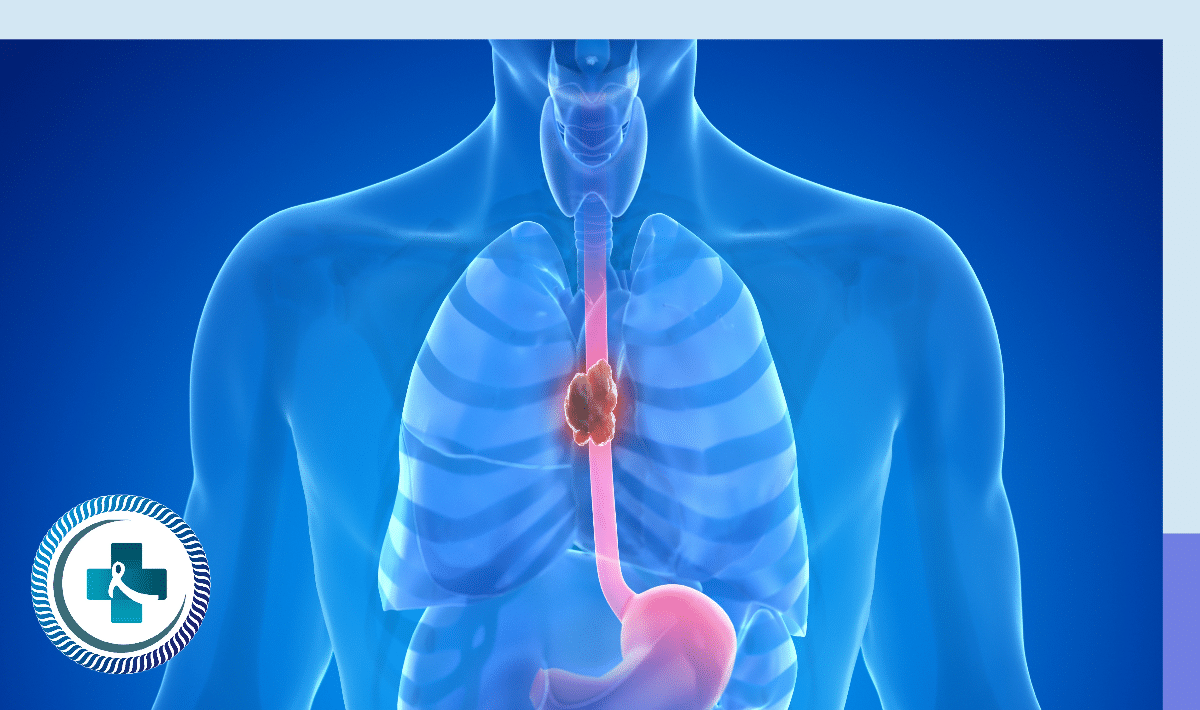
When Mark’s gastroenterologist called with his endoscopy results, the words “Barrett’s esophagus” meant nothing to him. Mark had undergone the scope because heartburn had plagued him for fifteen years—a burning sensation rising from his chest that antacids barely touched. His doctor explained that chronic acid reflux had changed the cells lining his lower esophagus, replacing normal squamous cells with intestine-like cells. “This puts you at increased risk for esophageal cancer,” she said. “We need to watch it carefully.” Mark felt stunned—he’d always thought heartburn was just an annoyance, not a cancer risk. His experience mirrors thousands of others discovering that the chronic reflux they’ve dismissed for years has quietly transformed their esophagus in ways that dramatically elevate cancer risk.
People with Barrett’s Esophagus are much more likely to develop esophageal adenocarcinoma than people without it, with some studies showing 25 times higher risk National Cancer Institute. Barrett’s esophagus doesn’t guarantee cancer will develop—in fact, most people with Barrett’s never get cancer—but it represents the single most important risk factor for esophageal adenocarcinoma, the type of esophageal cancer rapidly increasing in Western countries. Understanding what Barrett’s esophagus is, how it develops from chronic reflux, who’s at highest risk, and why surveillance matters can literally save your life by catching precancerous changes before they become invasive cancer.
Understanding Barrett’s Esophagus: When Your Esophagus Changes
The esophagus is a muscular tube about 10 inches long connecting your throat to your stomach. Normally, it’s lined with squamous cells—flat, protective cells similar to those on your skin’s surface. Barrett’s esophagus occurs when the normal squamous lining of the lower esophagus transforms into columnar cells more like those found in the intestines. This cellular transformation is called intestinal metaplasia, and it happens as a defensive adaptation to chronic acid exposure.
The transformation works like this: Chronic gastroesophageal reflux disease (GERD) repeatedly bathes the lower esophagus in stomach acid and digestive enzymes. Squamous cells aren’t designed to withstand this acidic assault—they’re built for the neutral pH environment of the normal esophagus. Under relentless acid attack, squamous cells become damaged and die. The body attempts to protect the esophagus by replacing dead squamous cells with columnar cells that tolerate acid better, since they’re similar to stomach lining cells. While this adaptation initially seems protective, it comes with serious long-term consequences.
There were five risk factors with significant associations for the development of BE: symptoms of gastroesophageal reflux at least once weekly (OR, 3.56; 95% confidence interval [CI], 2.03–6.25), tobacco smoking (OR, 1.41; 95% CI, 1.30–1.51), alcohol use (OR, 1.37; 95% CI, 1.10–1.71), male gender (OR, 1.36; 95% CI, 1.19–1.57), and obesity (BMI > 30 kg/m²) (OR, 1.23; 95% CI, 1.09–1) nih. Weekly heartburn symptoms more than triple Barrett’s risk, but the relationship is complex—severity and duration both matter. Someone with mild occasional heartburn faces different risk than someone with severe daily symptoms for decades.
Barrett’s esophagus itself causes no symptoms. You can’t feel the cellular transformation happening. People discover Barrett’s only through endoscopy—either during evaluation for GERD symptoms or, less commonly, during screening in high-risk individuals. During endoscopy, Barrett’s esophagus appears as a salmon-pink or reddish tissue extending upward from the stomach-esophagus junction, contrasting with the normal pearly-white esophageal lining. Biopsies confirming intestinal metaplasia under the microscope are required for definitive diagnosis.
The Pathway From Reflux To Cancer: Understanding The Risk
Barrett’s esophagus sits along a cancer progression pathway that unfolds over years to decades. The sequence typically follows this pattern: chronic GERD leads to Barrett’s esophagus (intestinal metaplasia), which can progress to low-grade dysplasia (early precancerous changes), then high-grade dysplasia (advanced precancerous changes), and finally invasive adenocarcinoma. Not everyone progresses through all stages, and progression isn’t inevitable—many people with Barrett’s never develop dysplasia or cancer.
The annual cancer risk in non-dysplastic Barrett’s esophagus—Barrett’s without any precancerous changes—is relatively low, estimated at 0.2-0.5% per year. This translates to about one in 200-500 people with non-dysplastic Barrett’s developing cancer annually. While this sounds reassuring, it means someone diagnosed with Barrett’s at age 50 who lives to 80 faces substantial cumulative lifetime risk. The math gets worse with dysplasia: low-grade dysplasia carries approximately 1-2% annual cancer risk, while high-grade dysplasia progresses to cancer at 5-10% annually without treatment.
What drives this progression? The progression of BE to EAC is likely driven by inflammatory pathways, pepsin exposure, upregulation of growth factor pathways, and mitochondrial changes PubMed Central. Chronic inflammation from acid and pepsin (a stomach enzyme) creates an environment where DNA damage accumulates in esophageal cells. Cells with damaged DNA that should die instead survive and multiply due to disrupted cell death pathways. Growth factors that normally regulate cell division become overactive. Mitochondria—the cells’ energy factories—undergo changes that favor cancer cell survival.
Genetic mutations accumulate progressively as Barrett’s advances toward cancer. Early Barrett’s shows relatively few genetic changes. As dysplasia develops, mutations in key cancer-related genes (TP53, CDKN2A, and others) emerge. By the time invasive cancer develops, cells have accumulated dozens of genetic alterations that allow uncontrolled growth, invasion into surrounding tissues, and eventual spread to distant organs. Understanding this gradual molecular progression explains why surveillance works—catching and treating dysplasia before it becomes invasive cancer interrupts the pathway to advanced disease.
Who Develops Barrett’s Esophagus And Why
Barrett’s esophagus affects an estimated 1.5-2% of the general U.S. population, though many cases remain undiagnosed since the condition causes no symptoms. In the United States, Barrett’s esophagus shows the highest prevalence in White individuals over 50 years of age as compared to Hispanic or Asian descent, and lowest in Black individuals nih. This demographic pattern differs dramatically from esophageal squamous cell carcinoma (the other main type of esophageal cancer), which affects Black Americans at higher rates. The reasons for these racial disparities aren’t fully understood but likely involve both genetic factors and differences in GERD prevalence.
Male gender significantly increases Barrett’s risk—men develop the condition about twice as often as women. The male predominance extends to esophageal adenocarcinoma as well, where men outnumber women by 3-4:1. Hormonal factors may play protective roles in women, though the exact mechanisms remain unclear. Age also matters; Barrett’s prevalence increases with age, peaking in the 60-70 age range. This likely reflects the cumulative damage from decades of reflux exposure.
Obesity, particularly central (abdominal) obesity, substantially elevates Barrett’s risk. Central obesity is considered an independent risk factor for GERD, can pose a risk for Barrett’s esophagus, in patients with a body mass index (BMI) > 30 kg/m² as compared to patients with (BMI) < 30 (odds ratio (OR) 1.4, 95% CI 1.1–1.6) nih. Abdominal fat increases pressure on the stomach, promoting reflux by overwhelming the lower esophageal sphincter—the muscle valve separating esophagus from stomach. Obesity also increases risk through metabolic effects: adipose tissue produces inflammatory molecules that may contribute to esophageal damage beyond simple mechanical reflux.
Tobacco smoking and alcohol use both increase Barrett’s risk, though less dramatically than GERD symptoms or obesity. Smoking likely damages the esophageal lining directly through inhaled carcinogens and indirectly by increasing acid reflux (smoking relaxes the lower esophageal sphincter). Alcohol may have direct toxic effects on esophageal tissue and increases acid production. The combination of smoking and drinking creates synergistic risk greater than either alone.
Family history matters too—having a first-degree relative with Barrett’s esophagus or esophageal adenocarcinoma increases risk about threefold. Familial aggregation suggests genetic susceptibility, though specific genes haven’t been definitively identified. Some families show inherited syndromes affecting connective tissue or causing early-onset GERD that predispose to Barrett’s, but most familial clustering remains unexplained.
From Barrett’s To Cancer: The Surveillance Strategy
The good news about Barrett’s esophagus is that the progression to cancer is gradual and can be intercepted through surveillance. The standard approach uses periodic endoscopy with biopsies to detect dysplasia—precancerous changes—when they’re still treatable with minimally invasive techniques. Surveillance intervals depend on findings at previous endoscopies and presence of risk factors.
For non-dysplastic Barrett’s esophagus (intestinal metaplasia without precancerous changes), guidelines recommend endoscopy every 3-5 years. This relatively long interval reflects the low annual cancer risk (0.2-0.5%) in this group. Patients with longer Barrett’s segments (≥3 cm) might warrant more frequent surveillance than those with short segments, as longer segments carry slightly higher progression risk. Some experts recommend shortening intervals for patients with additional risk factors like obesity, smoking, or family history, though this remains debated.
Low-grade dysplasia requires more aggressive surveillance: endoscopy every 6-12 months. This short interval allows detection of progression to high-grade dysplasia while changes remain amenable to endoscopic eradication rather than requiring esophagectomy (surgical removal of the esophagus). High-grade dysplasia demands immediate intervention—not just surveillance—because annual cancer risk is too high (5-10%) to simply watch. Treatment options for high-grade dysplasia include endoscopic mucosal resection (removing abnormal tissue through the endoscope) or radiofrequency ablation (destroying abnormal cells with heat energy).
Patients in the high-risk category were 15.2 times more likely to progress to high-grade dysplasia or esophageal adenocarcinoma than those in the low-risk category Medscape. New molecular tests analyzing DNA methylation patterns and other biomarkers can now stratify Barrett’s patients into risk categories more precisely than histology alone. These tests identify which non-dysplastic Barrett’s patients harbor molecular signatures suggesting rapid progression risk, potentially allowing personalized surveillance intervals—more frequent for high-risk molecular profiles, less frequent for low-risk profiles.
Symptoms That Bring People To Diagnosis
Most people discover Barrett’s esophagus during evaluation for chronic GERD symptoms rather than through routine screening. The classic GERD symptoms include heartburn (burning sensation rising from stomach into chest or throat), regurgitation (bitter or sour fluid coming up into the mouth), and difficulty swallowing. Heartburn often worsens after meals, when lying down, or when bending over. It may wake people from sleep. Regurgitation can cause chronic cough, hoarseness, or throat clearing.
However, some people with Barrett’s experience minimal or no reflux symptoms—a phenomenon called “silent reflux.” These individuals may present with complications like peptic strictures (scarring that narrows the esophagus, causing swallowing difficulty) or even esophageal adenocarcinoma without prior GERD diagnosis. This highlights why relying solely on symptoms to identify Barrett’s candidates misses many cases. Population-based screening isn’t currently recommended due to cost and Barrett’s relatively low prevalence, but targeted screening of high-risk groups remains under investigation.
Once esophageal adenocarcinoma develops, symptoms change. Prominent symptoms usually do not appear until the cancer has infiltrated over 60% of the circumference of the esophageal tube, by which time the tumor is already in an advanced stage. The first and the most common symptom is usually difficulty in swallowing, which is often experienced first with solid foods and later with softer foods and liquids Wikipedia. This progressive dysphagia (swallowing difficulty) occurs because growing tumors narrow the esophagus. Initially, meat or bread gets stuck. As narrowing worsens, soft foods and eventually liquids become difficult. Weight loss accompanies dysphagia as people eat less to avoid discomfort.
Other cancer symptoms include chest pain (different from heartburn—a deeper, duller ache), persistent cough or hoarseness (from tumor invading nearby structures), vomiting of blood (from tumor bleeding), and symptoms of spread to other organs. By the time these symptoms appear, cancer is usually advanced, underscoring why surveillance of known Barrett’s esophagus to catch precancerous changes before symptoms develop is so critical.
Treatment Options: Preventing Cancer Before It Starts
The primary goal of treating Barrett’s esophagus is preventing progression to cancer. For non-dysplastic Barrett’s, treatment focuses on controlling acid reflux with proton pump inhibitors (PPIs)—powerful acid-suppressing medications like omeprazole, lansoprazole, or esomeprazole. While PPIs effectively control symptoms and heal esophageal inflammation, evidence that they prevent progression to cancer remains controversial. Some studies suggest benefit, others don’t. Regardless, controlling reflux symptoms improves quality of life and is standard care.
For dysplastic Barrett’s esophagus, endoscopic eradication therapy has revolutionized management. The main techniques are endoscopic mucosal resection (EMR) and radiofrequency ablation (RFA). EMR uses suction and cutting tools inserted through an endoscope to remove visible nodules or irregular areas harboring high-grade dysplasia. RFA uses heat energy to ablate (destroy) flat areas of Barrett’s tissue containing dysplasia. These procedures are done during outpatient endoscopy under sedation, avoiding the morbidity and mortality of esophagectomy.
Studies show endoscopic eradication successfully eliminates high-grade dysplasia in 80-90% of patients, preventing progression to invasive cancer. Even after successful ablation, patients require ongoing surveillance endoscopy since Barrett’s can recur—continuous acid suppression with PPIs reduces recurrence risk. Patients who progress despite endoscopic therapy or who develop invasive cancer may require esophagectomy, a major operation with significant complications including leaks, infections, and long-term swallowing difficulties.
Lifestyle modifications complement medical and endoscopic treatments. Weight loss in obese patients reduces reflux severity. Elevating the head of the bed 6-8 inches (using blocks under bedposts, not just extra pillows) uses gravity to reduce nighttime reflux. Avoiding large meals, late-night eating, alcohol, caffeine, chocolate, and fatty foods can reduce symptoms. Smoking cessation is crucial—it reduces both reflux and progression risk.
Understanding Esophageal Cancer When Prevention Fails
When Barrett’s esophagus progresses to invasive esophageal adenocarcinoma, the prognosis becomes grim. This cancer has an overall (all stages combined) five-year survival rate of about 20%; however, the prognosis for survival changes depending on the stage at diagnosis Froedtert. This sobering statistic reflects that most esophageal cancers are diagnosed at advanced stages when cure is unlikely. For esophageal cancer, 18.6% are diagnosed at the local stage. The 5-year relative survival for localized esophageal cancer is 48.7% SEER Cancer Statistics.
Stage-specific survival shows dramatic variation: localized disease (confined to esophagus) carries approximately 48-50% five-year survival, regional disease (spread to nearby lymph nodes) drops to around 28%, and distant metastatic disease falls to just 5% five-year survival. This stage-dependent variation emphasizes why catching dysplasia through Barrett’s surveillance—before invasive cancer develops—is so important. Treating high-grade dysplasia offers 90%+ success rates compared to 20% overall survival once invasive cancer develops.
Esophageal cancer treatment depends on stage but typically involves multimodal therapy. Localized cancers may be treated with surgery alone (esophagectomy), removing the tumor-bearing esophagus and reconstructing digestive continuity using stomach or colon. More advanced but still potentially curable cancers receive neoadjuvant therapy—chemotherapy and radiation before surgery to shrink tumors and kill micrometastases. Metastatic disease receives palliative chemotherapy, radiation, immunotherapy, or targeted agents aimed at prolonging life and maintaining quality rather than curing disease.
Living With Barrett’s Esophagus: What You Should Know
A Barrett’s esophagus diagnosis often triggers anxiety—the word “precancerous” sounds terrifying. Understanding actual risks helps put anxiety in perspective. For someone with non-dysplastic Barrett’s, annual cancer risk is less than half of one percent. If you faithfully follow surveillance recommendations, any dysplasia will likely be caught when it’s treatable with minimally invasive techniques. The vast majority of people with Barrett’s esophagus die from causes other than esophageal cancer.
That said, Barrett’s demands lifelong vigilance. This isn’t a condition that goes away—even after successful ablation therapy, Barrett’s can recur, requiring continued surveillance. Staying on prescribed acid-suppressing medications, maintaining weight loss if achieved, avoiding smoking and excess alcohol, and attending all scheduled surveillance endoscopies aren’t optional—they’re essential to minimizing cancer risk.
Communication with your gastroenterologist is critical. Report any new symptoms promptly: worsening heartburn despite medication, difficulty swallowing, unexplained weight loss, chest pain, or persistent cough. These warrant urgent evaluation rather than waiting for the next scheduled endoscopy. If your Barrett’s surveillance shows progression—development of dysplasia where none existed before, or advancement from low-grade to high-grade dysplasia—discuss treatment options thoroughly. Endoscopic eradication has excellent success rates but requires expertise; consider seeking care at centers specializing in Barrett’s management if progression occurs.
Insurance typically covers surveillance endoscopy for Barrett’s esophagus as these are evidence-based, guideline-recommended procedures. However, co-pays and deductibles apply, and coverage details vary. Some insurers require prior authorization or specific diagnostic codes. Discuss coverage with your insurance company before procedures to avoid surprise bills. Most gastroenterology practices have staff who navigate insurance authorization, but ultimately you’re responsible for understanding your coverage.
Frequently Asked Questions
Q1: I’ve had heartburn for years but never saw a doctor. Should I get screened for Barrett’s esophagus? If you have chronic GERD symptoms (heartburn or regurgitation at least weekly for more than five years), especially if you’re male, white, over 50, obese, or smoke, discuss screening endoscopy with your doctor. While population-wide Barrett’s screening isn’t recommended, targeted screening of high-risk individuals is reasonable. The endoscopy involves minimal risk and could identify Barrett’s when surveillance can still prevent cancer. Don’t let fear of the procedure prevent potentially life-saving diagnosis.
Q2: I was diagnosed with Barrett’s esophagus five years ago and have had normal surveillance endoscopies. Can I stop getting scopes? No. Barrett’s esophagus is a lifelong condition requiring ongoing surveillance. Even if all surveillance endoscopies have been normal, you still carry elevated cancer risk compared to people without Barrett’s. The progression from Barrett’s to dysplasia to cancer can happen at any time, even after years of stability. Missing surveillance allows dysplasia to progress undetected, potentially to invasive cancer. Stick with the recommended schedule—endoscopy every 3-5 years for non-dysplastic Barrett’s is a small price for peace of mind and cancer prevention.
Q3: My endoscopy showed low-grade dysplasia. Does this mean I have cancer? No. Low-grade dysplasia is a precancerous condition, not cancer itself. The cells show abnormal changes but haven’t invaded deeper tissue layers. However, low-grade dysplasia significantly increases cancer risk (1-2% annually) compared to non-dysplastic Barrett’s. Your gastroenterologist will likely recommend either more frequent surveillance (every 6-12 months) or endoscopic ablation therapy to eliminate the dysplastic tissue before it progresses. With appropriate management, most people with low-grade dysplasia never develop cancer.
Q4: Can medication or lifestyle changes make Barrett’s esophagus go away? Current evidence suggests Barrett’s esophagus rarely completely regresses to normal squamous epithelium, even with aggressive acid suppression. While some small studies show partial regression in some patients, most Barrett’s persists despite optimal medical therapy. The goal of treatment is preventing progression to dysplasia and cancer, not necessarily making Barrett’s disappear. That said, controlling reflux with medications and lifestyle changes remains essential—uncontrolled acid exposure may accelerate progression even if it doesn’t reverse the underlying Barrett’s.
Q5: My father had esophageal cancer. Does this mean I’ll get Barrett’s esophagus or cancer too? Having a first-degree relative with esophageal adenocarcinoma or Barrett’s esophagus increases your risk about threefold compared to people without family history. However, threefold increase means your absolute risk, while elevated, remains relatively low. If you develop chronic GERD symptoms or other Barrett’s risk factors, discuss earlier or more frequent surveillance with your doctor. Some experts recommend screening endoscopy at age 40-45 for people with family history plus additional risk factors. Family history alone doesn’t guarantee you’ll develop Barrett’s or cancer—it just warrants heightened awareness.
Disclaimer
This article adapts publicly available information from reputable medical sources and cancer research organizations. This content is for informational and educational purposes only and does not constitute medical advice. ObserverVoice.com is a news and information platform — not a healthcare provider. Decisions about Barrett’s esophagus screening, surveillance, and treatment should be made in consultation with qualified gastroenterologists and other healthcare professionals who can evaluate your individual risk factors, symptoms, endoscopic findings, and overall health status. If you experience chronic heartburn, difficulty swallowing, or other concerning symptoms, please consult with your healthcare provider promptly for proper evaluation.
References
- National Cancer Institute. Esophageal Cancer. https://www.cancer.gov/pediatric-adult-rare-tumor/rare-tumors/rare-digestive-system-tumors/esophageal
- PMC. Risk Factors for the Development of Barrett’s Esophagus and Esophageal Adenocarcinoma: A Systematic Review and Meta-Analysis. https://www.ncbi.nlm.nih.gov/pmc/articles/PMC11880629/
- PMC. Cancer Risk in Barrett’s Esophagus: A Clinical Review. https://pmc.ncbi.nlm.nih.gov/articles/PMC10094310/
- SEER. Cancer Stat Facts: Esophageal Cancer. https://seer.cancer.gov/statfacts/html/esoph.html
- American Cancer Society. Survival Rates for Esophageal Cancer. https://www.cancer.org/cancer/types/esophagus-cancer/detection-diagnosis-staging/survival-rates.html
Observer Voice is the one stop site for National, International news, Sports, Editor’s Choice, Art/culture contents, Quotes and much more. We also cover historical contents. Historical contents includes World History, Indian History, and what happened today. The website also covers Entertainment across the India and World.

