

Colon Cancer Symptoms in Young Adults: Why Cases Are Rising in People Under 50

At 26 years old, Imtiaz Hussain never imagined he’d be fighting colon cancer. When he first noticed blood in his stool, he should have gotten a colonoscopy right away. Instead, he ignored the bleeding for seven months before getting diagnosed with stage 3B colon cancer. Imtiaz’s story mirrors a frightening trend happening across America and around the world—colon cancer is skyrocketing among people who are decades younger than the typical patient. Once rare in young adults, this disease is now becoming their number one cancer killer, and scientists are scrambling to understand why.
In the early 2000s, about 5% to 7% of colon cancer diagnoses were considered early onset. Now, around 10% of colon cancer diagnoses happen in people younger than 50. Most of these diagnoses happen between the ages of 40 and 49 PubMed Central. But even more alarming, doctors are diagnosing people in their 30s, 20s, and even teenagers. The youngest patient seen at one major medical center recently was just 18 years old. This dramatic shift has caught both patients and doctors off guard, because for generations, colon cancer was thought of as something that mainly affected older adults who smoked and didn’t eat healthy diets.
The Shocking Numbers Behind The Rise
The statistics tell a sobering story. Today, 1 in 5 people diagnosed with colorectal cancer is under age 55, and it is now the leading cause of cancer-related death among young adults PubMed Central. Cases have been increasing by nearly 3% every year in people under 50, even while rates in older adults have been dropping thanks to regular colonoscopy screening. If current trends continue, experts predict that by 2030, colon cancer in young adults will be even more common, affecting thousands more people in the prime of their lives.
What makes this trend especially tragic is that most young people never see it coming. Unlike older adults who might get colonoscopies as part of routine screening at age 50 (now recommended starting at 45), young people usually only discover they have colon cancer after symptoms appear—and by then, the cancer has often already spread. Nearly half of young adults with colorectal cancer experience rectal bleeding as their first symptom, but many dismiss it as hemorrhoids or another minor problem. This delay in diagnosis means young people are more likely to be diagnosed at advanced stages, when treatment is much harder.
Why Is This Happening To Young People
The million-dollar question haunting researchers is: why? What has changed in the last 20-30 years that’s causing so many young people to develop a disease that used to be rare in this age group? The answer appears to be complicated, with multiple factors working together. While many factors have been associated with the rise in cancer diagnosis, the exact reason still needs more research. Scientists think it’s likely environmental factors or a combination of environmental factors, changes in lifestyle, diets, what we’re ingesting including processed foods, high sugar, antibiotics, exposure to certain things like microplastics.
One major culprit appears to be modern Western diets, especially eating patterns that started in childhood and adolescence. High intake of sugary drinks and processed foods in adolescence and young adulthood has been linked to greater early-onset colon cancer risk PubMed Central. The foods many young adults grew up eating—fast food, processed meats like hot dogs and deli meat, sugary sodas, and snacks high in refined carbohydrates—all increase colon cancer risk. These dietary patterns create inflammation in the digestive system and may feed precancerous cells.
Physical inactivity plays a significant role too. Sitting for long hours during adolescence and early adulthood — watching TV or working at a desk, for example — is strongly linked to early-onset colon cancer PubMed Central. Many young adults today spend hours each day sitting at computers, on phones, or watching screens, moving far less than previous generations. This sedentary lifestyle, combined with poor diet, creates a perfect storm for cancer development.
The gut microbiome—the trillions of bacteria living in our intestines—also appears to play a critical role. Studies show that people with colorectal cancer often have less variety in their gut bacteria compared with that of healthy people. Certain bacteria are found more often in people with cancer. These bacteria can make substances that damage DNA and cause inflammation PubMed Central. Antibiotic use, especially early in life, may disrupt the gut microbiome and increase long-term cancer risk. Many young adults today have been exposed to more antibiotics than previous generations, both through medical treatment and through traces in food.
Obesity has reached epidemic levels among young adults, and excess body weight significantly increases colon cancer risk. The inflammation caused by obesity, combined with hormonal changes, creates an environment where cancer can develop more easily. Smoking and heavy alcohol use also contribute, though these factors don’t fully explain the rise since smoking rates have actually decreased in recent decades.
The Symptoms Nobody Should Ignore
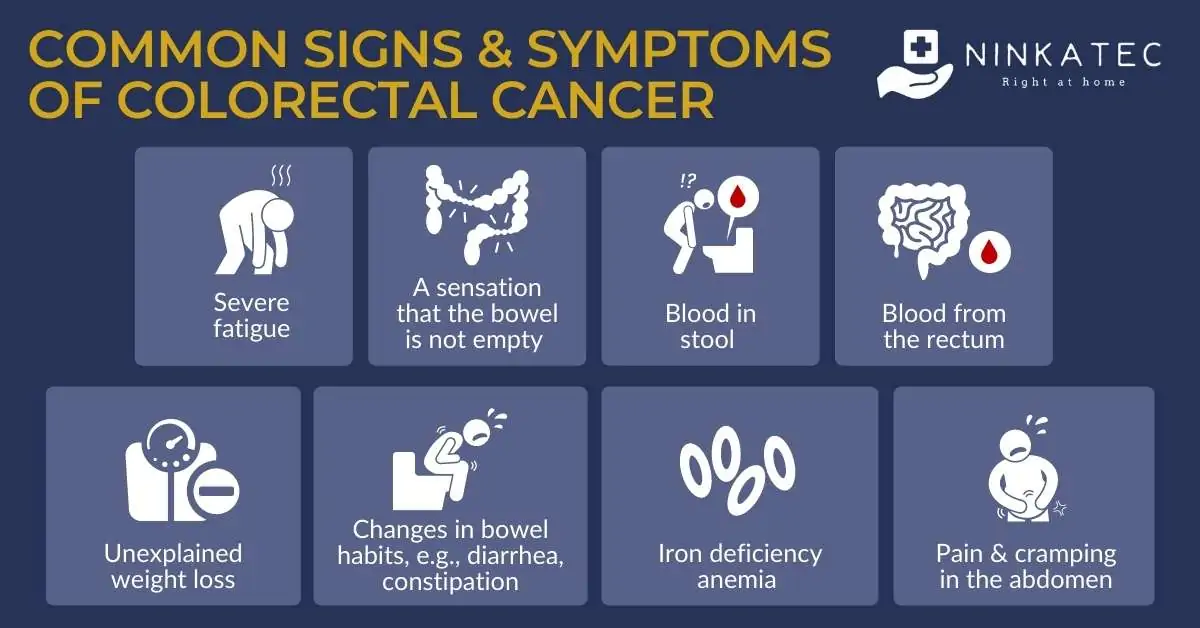
Understanding the warning signs of colon cancer could literally save your life, especially if you’re a young adult who doesn’t think you’re at risk. The number one symptom is rectal bleeding. Any rectal bleeding that’s persistent, anything more than a couple of weeks, should definitely get checked. Blood in your stool might appear bright red (indicating bleeding from the rectum or lower colon) or dark and tar-like (suggesting bleeding higher up in the digestive system).
Other critical symptoms include persistent changes in bowel habits. Changes in bowel habits like constipation or diarrhea that last for weeks deserve medical attention. If you’re suddenly constipated when you’ve never had that problem, or if you’re experiencing diarrhea that won’t go away, don’t assume it’s just stress or a bad stomach bug. Persistent abdominal pain or cramping, especially pain that doesn’t go away with antacids or changes in diet, needs evaluation.
Unexplained weight loss—losing 10 pounds or more without trying—should always trigger a doctor’s visit. With colon cancer, weight loss happens because the cancer interferes with nutrient absorption and changes your metabolism. Extreme fatigue that doesn’t improve with rest, especially if accompanied by other symptoms, can signal internal bleeding that’s causing anemia (low red blood cell counts). Some people also experience a feeling that their bowel doesn’t empty completely, persistent bloating, or unexplained nausea.
The tragedy is that many young people—and even their doctors—dismiss these symptoms as hemorrhoids, irritable bowel syndrome (IBS), stress, or other less serious conditions. In retrospect, many patients wish they had paid more attention to the symptoms. Sarah Gleichenhaus, diagnosed at age 30, admits she was “super embarrassed” about blood in her stool and didn’t want to talk about it. By the time she got checked, she had stage 3 colon cancer. Her story emphasizes an important point: embarrassment about bowel symptoms can literally kill you. There’s nothing embarrassing about potentially saving your own life.
Who Needs To Worry Most
While colon cancer can strike any young adult, certain factors increase risk. Having a first-degree relative—parent, sibling, or child—with colon cancer increases your risk by more than four times. Having a first-degree relative with a history of colorectal cancer diagnosed at age less than 50 years about triples risk. If you have a family history of colon cancer, especially if the relative was diagnosed young, talk to your doctor about early screening, potentially starting 10 years before the age your relative was diagnosed.
Some inherited conditions dramatically increase risk. Lynch syndrome can raise lifetime colon cancer risk to 80%, and familial adenomatous polyposis (FAP) pushes risk close to 100% without preventive surgery. However, here’s a crucial fact that surprises most people: The majority of young adults with colon cancer don’t have a family history. Only about 10 to 20 percent will have a family history or a genetic predisposition. The majority are what we call sporadic, with no known risk factors. This means you can’t assume you’re safe just because no one in your family has had colon cancer.
Race and ethnicity also play a role. While the increase in young-onset colon cancer has primarily affected white populations, Black Americans, American Indians, and Alaska Natives face higher risks at every age and are often diagnosed at later stages. People with inflammatory bowel disease (Crohn’s disease or ulcerative colitis) face elevated risk, as the chronic inflammation creates an environment where cancer can develop.
What You Can Do Right Now
The good news is that colon cancer is highly preventable and treatable when caught early. Because of rising cases in younger people, screening guidelines have changed. In 2018, the American Cancer Society became the first organization to drop the recommended colorectal cancer screening age from 50 to 45. If you’re 45 or older, schedule a colonoscopy. If you have risk factors like family history, you may need to start screening even earlier—talk to your doctor.
But age shouldn’t be the only trigger for screening. If anyone has any change in their bowel habits, if they have any bleeding—even if they think it’s a hemorrhoid, and it doesn’t go away—just get a colonoscopy. Don’t let embarrassment, fear, or assumptions about your age stop you from getting checked. Colonoscopy remains the gold standard for screening because it’s both diagnostic and therapeutic—doctors can find and remove precancerous polyps during the same procedure, preventing cancer before it starts.
For prevention, focus on lifestyle factors you can control. Eat a diet rich in fruits, vegetables, and whole grains while limiting red meat and avoiding processed meats. Exercise regularly—even 30 minutes of walking daily helps. Maintain a healthy weight. Limit alcohol and don’t smoke. These steps won’t guarantee you’ll never get colon cancer, but they significantly reduce your risk.
The rise of colon cancer in young adults represents a public health crisis that demands attention. Every young person needs to know that this cancer can happen to them, that symptoms deserve immediate medical attention, and that screening saves lives. Doctors need to take symptoms seriously in young patients rather than assuming they’re too young for cancer. Together, through awareness, lifestyle changes, and appropriate screening, we can turn this frightening trend around and save thousands of young lives.
Frequently Asked Questions
Q1: I’m only 30 and healthy—do I really need to worry about colon cancer? Yes. One in five colon cancer patients is now under 55, and doctors are seeing cases in people in their 20s and even teenagers. Most young adults with colon cancer had no known risk factors and felt healthy before diagnosis. Don’t assume you’re safe because of your age. Know the symptoms and see a doctor if anything seems wrong.
Q2: Could my symptoms just be hemorrhoids or IBS? Possibly, but you should never assume. Many young colon cancer patients were initially told they had hemorrhoids, IBS, or stress-related digestive issues. While these conditions are more common than cancer, persistent symptoms—especially rectal bleeding lasting more than two weeks, unexplained weight loss, or severe changes in bowel habits—deserve a colonoscopy to rule out cancer.
Q3: Is colonoscopy really necessary or can I use an at-home stool test? Colonoscopy is the gold standard because it can both detect and remove precancerous polyps in one procedure. At-home stool tests (like Cologuard) can be useful for average-risk adults who refuse colonoscopy, but they’re not appropriate if you have symptoms, family history, or inflammatory bowel disease. If a stool test is positive, you’ll need a colonoscopy anyway. When in doubt, go straight to colonoscopy.
Q4: What causes colon cancer in young people if it’s not genetics? Scientists are still investigating, but the leading theories involve Western diets high in processed foods and sugar, physical inactivity, obesity, disrupted gut bacteria from antibiotic use, and possibly environmental exposures like microplastics. The cancer is usually sporadic (not inherited), suggesting lifestyle and environmental factors acting over many years starting in childhood and adolescence.
Q5: If I get screened and they find polyps, does that mean I have cancer? No. Polyps are growths that can become cancer over time, but most polyps are not cancer when found. Removing polyps during colonoscopy prevents them from ever becoming cancer. This is why colonoscopy is so effective—it stops cancer before it starts. If you do have polyps, you’ll need more frequent follow-up colonoscopies, but finding and removing them is excellent news.
Disclaimer
This article adapts publicly available information from reputable medical sources and research organizations. This content is for informational and educational purposes only and does not constitute medical advice. ObserverVoice.com is a news and information platform — not a healthcare provider. If you experience persistent digestive symptoms, rectal bleeding, or have concerns about colon cancer risk, please consult with a qualified healthcare professional immediately for proper evaluation and care.
References
- National Cancer Institute. Colorectal Cancer Rising among Young Adults. https://www.cancer.gov/news-events/cancer-currents-blog/2020/colorectal-cancer-rising-younger-adults
- Mayo Clinic. Early-onset colon cancer. https://www.mayoclinic.org/diseases-conditions/colon-cancer/in-depth/early-onset-colon-cancer/art-20583551
- Yale Medicine. Colorectal Cancer: What Millennials and Gen Zers Need to Know. https://www.yalemedicine.org/news/colorectal-cancer-in-young-people
- American Cancer Society. Colorectal Cancer Rates Are Skyrocketing in Young Adults. https://www.cancer.org/cancer/types/colon-rectal-cancer
- PBS NewsHour. Rising colorectal cancer rates in younger adults prompt new awareness push. https://www.pbs.org/newshour/show/rising-colorectal-cancer-rates-in-younger-adults-prompt-new-awareness-push
- NYU Langone Health. Colorectal Cancer & Young Adults: Five Myths Explained. https://nyulangone.org/news/colorectal-cancer-young-adults-five-myths-explained
Observer Voice is the one stop site for National, International news, Sports, Editor’s Choice, Art/culture contents, Quotes and much more. We also cover historical contents. Historical contents includes World History, Indian History, and what happened today. The website also covers Entertainment across the India and World.

