Editor’s Choice
-
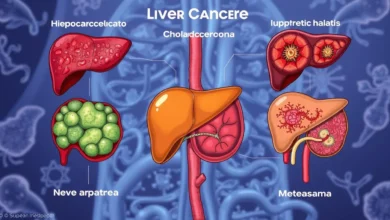
Liver Cancer (Hepatocellular Carcinoma): Causes, Risk Factors, and Survival Rates
Hepatocellular carcinoma represents the most common type of primary liver cancer. This cancer begins directly within liver cells, called hepatocytes,…
Read More » -

Gleason Score Explained: What Your Prostate Cancer Grade Means
A Gleason score describes how aggressive prostate cancer cells appear under a microscope. Pathologists examine biopsy tissue samples to assign…
Read More » -
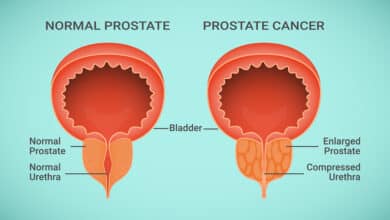
Prostate Cancer: Understanding PSA Scores and When to Take Action
PSA stands for prostate-specific antigen, a protein produced by the prostate gland. This protein normally circulates in small amounts within…
Read More » -
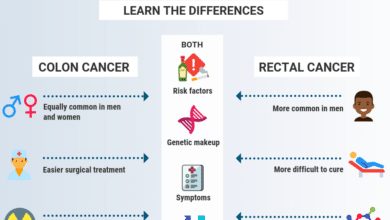
Rectal Cancer vs Colon Cancer: Key Differences in Symptoms and Treatment
Rectal cancer and colon cancer often get grouped together under the term colorectal cancer. While related, these cancers actually develop…
Read More » -
Colorectal Cancer Screening: Which Test Is Right for You?
Colorectal cancer screening saves lives by catching problems before symptoms even appear. This screening can detect cancer early or even…
Read More » -
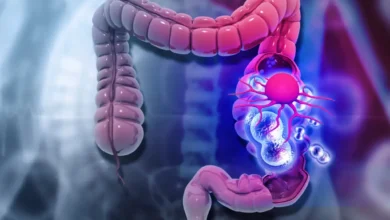
Colon Cancer Symptoms in Young Adults: Why Cases Are Rising in People Under 50
Colon cancer has traditionally been considered an older adult’s disease. However, this pattern has shifted noticeably in recent decades. More…
Read More » -
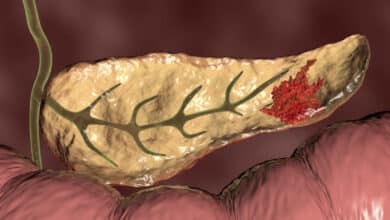
Pancreatic Cancer: Why It’s So Hard to Catch Early and What to Watch For
Pancreatic cancer develops within the pancreas, an organ tucked deep behind the stomach. This gland plays an essential role in…
Read More » -

Male Breast Cancer: The Diagnosis Nobody Talks About
Male breast cancer remains a genuinely real, though rare, diagnosis. Many people simply don’t realize men have breast tissue capable…
Read More » -

HER2-Positive Breast Cancer: What It Means and How Treatment Has Evolved
HER2-positive breast cancer involves tumors with excess amounts of a specific protein. This protein, called HER2, normally helps control healthy…
Read More » -

Triple-Negative Breast Cancer: Why It’s Harder to Treat and What’s Changing
Triple-negative breast cancer represents a distinct, more challenging form of breast cancer. This name comes from what the cancer lacks,…
Read More » -
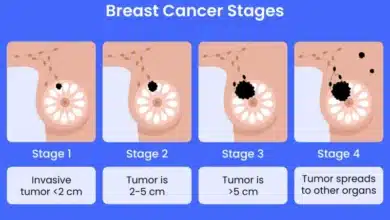
Breast Cancer Stages Explained: From Stage 0 to Stage 4
Breast cancer staging describes how far cancer has spread within the body. Doctors use this information to guide treatment decisions…
Read More » -
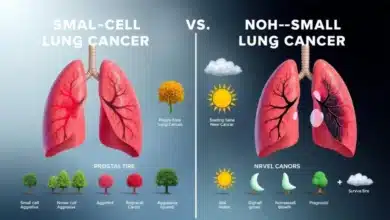
Non-Small Cell Lung Cancer vs Small Cell Lung Cancer: What’s the Difference?
Lung cancer isn’t just one single disease; it includes two main categories. Doctors classify these types based on how the…
Read More » -
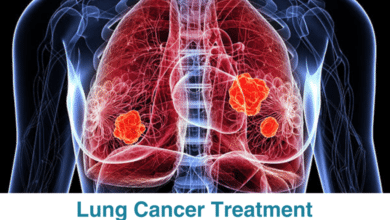
Lung Cancer: Early Warning Signs That Most People Miss
Lung cancer frequently develops silently during its earliest, most treatable stages. Many initial symptoms feel mild or easily explained by…
Read More » -
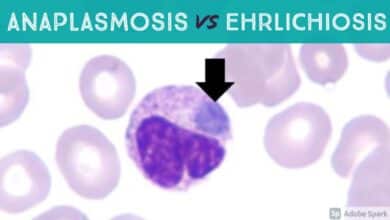
Anaplasma and Ehrlichia: The Tick-Borne Bacterial Infections That Mimic the Flu
Anaplasmosis and ehrlichiosis are bacterial infections spread through tick bites. Both conditions share remarkably similar symptoms and treatment approaches. Despite…
Read More » -

Powassan Virus: The Tick-Borne Brain Infection With No Treatment and Rising Cases
Powassan virus is a rare but serious infection spread through tick bites. It can cause severe brain inflammation, called encephalitis,…
Read More »