

Rectal Cancer vs Colon Cancer: Key Differences in Symptoms and Treatment

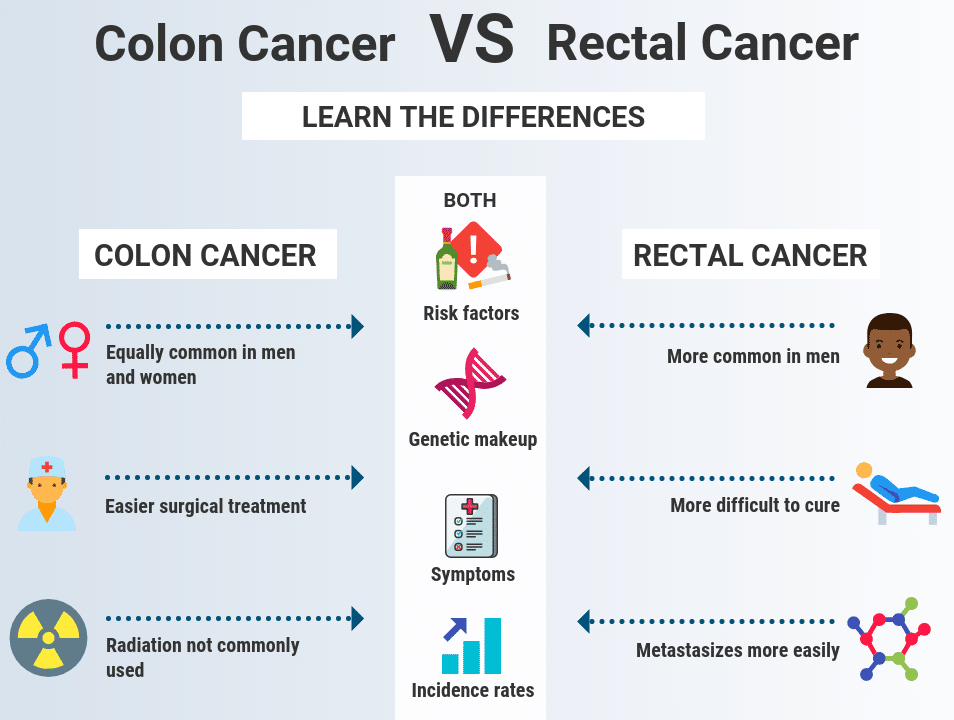
Rectal cancer and colon cancer often get grouped together under the term colorectal cancer. While related, these cancers actually develop in different locations within the digestive tract. This location difference creates meaningful distinctions in symptoms and treatment approach.
Understanding these differences helps clarify why doctors sometimes treat them quite differently. Both cancers share similar risk factors and screening approaches initially. However, their specific treatment pathways diverge considerably once diagnosis occurs.
Why Location Within the Digestive Tract Matters So Much
The colon and rectum together form the large intestine, but they’re not identical structures. The rectum sits at the very end, connecting to the anus directly. This specific positioning creates unique anatomical challenges affecting treatment decisions significantly.
Where Each Cancer Develops
Colon cancer develops within the colon, the longer, upper portion of the large intestine. This section absorbs water and forms stool before it reaches the rectum. Cancer can develop anywhere along this considerably longer stretch of intestine.
Rectal cancer, conversely, develops specifically within the rectum, the final few inches before the anus. This shorter, more confined space sits deep within the pelvis. This tight anatomical space significantly influences available surgical approaches.
Why the Rectum’s Location Creates Unique Challenges
The rectum sits surrounded by other pelvic organs, including the bladder and reproductive structures. This crowded anatomical neighborhood makes surgical removal considerably more complex technically. Surgeons must carefully navigate this space while preserving nearby organ function whenever possible.
Comparing the Symptoms
Both cancers can cause changes in bowel habits, including diarrhea or constipation. Blood in the stool represents a common warning sign for both cancer types too. Abdominal discomfort and unexplained weight loss can occur with either cancer as well.
However, rectal cancer specifically often causes a persistent feeling of incomplete bowel emptying. Many patients also experience rectal pain or pressure not typically seen with colon cancer. These location-specific symptoms help doctors suspect rectal involvement more particularly.
Symptoms More Specific to Rectal Cancer
Rectal bleeding tends to appear brighter red with rectal cancer compared to colon cancer. This difference relates to bleeding occurring closer to the point of stool elimination. Narrow, ribbon-like stools sometimes occur specifically when tumors narrow the rectal passage.
Symptoms More Specific to Colon Cancer
Colon cancer symptoms sometimes include more generalized abdominal cramping or bloating instead. Since the colon is longer, tumors can grow larger before causing noticeable symptoms. This pattern sometimes results in later symptom recognition compared to rectal cancer.
How Diagnosis Differs Between These Cancers
Diagnosis for both cancers typically begins with colonoscopy for direct visualization and biopsy. This procedure effectively identifies tumors throughout both the colon and rectum equally well. Tissue samples obtained during this procedure confirm diagnosis definitively for either location.
For rectal cancer specifically, additional imaging often becomes necessary for treatment planning. MRI scans help assess how deeply rectal tumors have invaded surrounding tissue. This detailed assessment particularly influences decisions about treatment sequencing and surgical approach.
Why Rectal Cancer Requires More Detailed Imaging
The rectum’s confined space and proximity to other organs demands precise pretreatment evaluation. MRI imaging helps surgeons plan the safest, most effective surgical approach beforehand. This additional imaging step typically isn’t necessary for most colon cancer cases.
Treatment Differences Worth Understanding
Colon cancer treatment typically begins with surgical removal of the affected colon section. Chemotherapy often follows surgery, particularly for more advanced stage tumors. Radiation therapy plays a much smaller role in standard colon cancer treatment generally.
Rectal cancer treatment frequently follows a different sequence entirely. Many patients receive chemotherapy and radiation before surgery, called neoadjuvant treatment. This approach helps shrink tumors, making subsequent surgical removal more effective and complete.
Why Radiation Plays Such a Different Role
Radiation therapy works particularly well for rectal cancer, given the rectum’s relatively fixed position. The colon’s mobility within the abdomen makes radiation less practical and effective there. This anatomical difference explains why treatment protocols diverge so significantly between these cancers.
Surgical Approaches for Each Cancer Type
Colon cancer surgery typically allows surgeons to remove affected segments and reconnect remaining intestine directly. Rectal cancer surgery, however, sometimes requires more complex techniques given limited space. Some rectal cancer patients require a temporary or permanent colostomy following surgery.
Why These Differences Matter for Patients
Understanding whether you have colon or rectal cancer specifically helps clarify your treatment journey. Rectal cancer patients should expect potential pretreatment chemotherapy and radiation before surgery occurs. This knowledge helps patients mentally prepare for their specific treatment timeline.
Both cancers, fortunately, share similar overall prognosis when caught at comparable stages. Location influences treatment approach more than it influences long-term survival generally. This reassurance helps patients understand that location doesn’t necessarily predict worse outcomes.
Why Prognosis Remains Similar Despite Different Approaches
Despite their different treatment pathways, both cancers respond well to appropriate, stage-specific treatment. Modern treatment advances have significantly improved outcomes for both colon and rectal cancer patients. This similarity reinforces why both deserve equally serious, prompt medical attention.
Final Thoughts on Rectal and Colon Cancer Differences
Rectal cancer and colon cancer share important similarities while maintaining meaningful, location-specific differences. Understanding these distinctions helps patients better navigate diagnosis and treatment planning conversations. Both cancers respond well to appropriate, timely treatment when caught at earlier stages.
If you’ve received either diagnosis, ask your medical team to explain your specific treatment pathway clearly. Understanding why your treatment sequence looks the way it does helps reduce anxiety significantly. With appropriate, location-specific treatment, both colon and rectal cancer patients achieve meaningful, positive outcomes.
Frequently Asked Questions
Is rectal cancer more dangerous than colon cancer?
Rectal cancer isn’t inherently more dangerous than colon cancer when caught at similar stages. However, its location creates more complex surgical challenges requiring specialized treatment approaches. Overall prognosis remains comparable between both cancer types generally.
Why do rectal cancer patients often need radiation while colon cancer patients don’t?
The rectum’s relatively fixed position within the pelvis makes radiation therapy more practical and effective. The colon’s mobility within the abdomen makes targeted radiation considerably less feasible technically. This anatomical difference explains the differing standard treatment approaches.
Will I need a colostomy bag with rectal cancer treatment?
Some rectal cancer patients require a temporary or permanent colostomy, depending on tumor location and size. Not every patient needs this, especially with tumors located higher within the rectum. Your surgical team will discuss this possibility based on your specific situation.
Can colon cancer spread to become rectal cancer?
No, colon cancer and rectal cancer remain distinct based on their original location of development. Cancer can spread from one area to another, but this differs from changing classification entirely. The original tumor location determines the initial cancer type definition.
Does screening differ between colon and rectal cancer?
No, standard colorectal cancer screening, like colonoscopy, effectively detects abnormalities throughout both areas equally well. This shared screening approach reflects their similar origin within the same connected digestive structure. Following recommended screening guidelines protects against both cancer types simultaneously.
Disclaimer:
This article is for informational purposes only and does not replace professional medical advice. Please consult a qualified healthcare provider for diagnosis and treatment.
References :
- Colon cancer has traditionally been considered an older adult’s disease. However, this pattern has shifted noticeably in recent decades.
- The distinction between colon and rectal cancer comes down to anatomy. Your large intestine—the final section of your digestive system
- Colorectal cancer is a type of cancer that affects the colon (large intestine) or rectum. It is one of the most common types of cancer worldwide.
Observer Voice is the one stop site for National, International news, Sports, Editor’s Choice, Art/culture contents, Quotes and much more. We also cover historical contents. Historical contents includes World History, Indian History, and what happened today. The website also covers Entertainment across the India and World.

