

Liver Cancer (Hepatocellular Carcinoma): Causes, Risk Factors, and Survival Rates

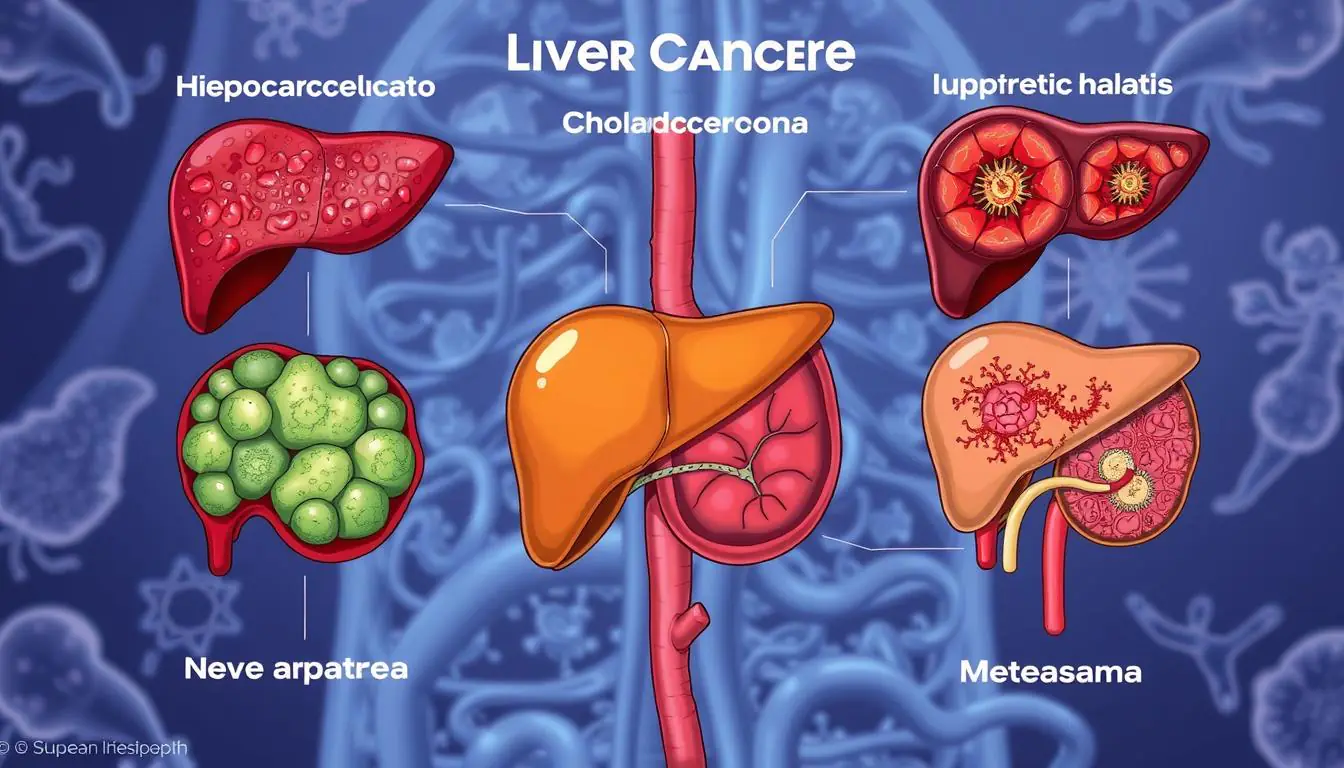
Hepatocellular carcinoma represents the most common type of primary liver cancer. This cancer begins directly within liver cells, called hepatocytes, themselves. Unlike cancers that spread to the liver from elsewhere, this cancer originates there specifically.
This cancer typically develops against a backdrop of existing liver damage. Understanding this connection helps explain why certain populations face significantly higher risk. Recognizing both causes and risk factors empowers more informed prevention and monitoring decisions.
Why This Cancer Usually Doesn’t Develop in Healthy Livers
Hepatocellular carcinoma rarely develops in livers without significant prior damage or disease. Chronic inflammation and scarring create conditions favoring cancerous cell development over time. This pattern explains why addressing underlying liver disease represents such important cancer prevention.
The Primary Causes Behind Liver Cancer
Chronic hepatitis B and C infections represent leading causes of liver cancer worldwide. These viral infections cause ongoing liver inflammation over many years. This persistent inflammation gradually increases cancer risk significantly over time.
Cirrhosis, severe scarring of the liver, also substantially increases cancer development risk. This scarring can result from various causes, including chronic alcohol use. Regardless of original cause, cirrhosis itself creates an environment favoring cancerous changes.
Why Hepatitis Infections Pose Such Significant Risk
Hepatitis B and C viruses directly damage liver cells through chronic infection processes. This ongoing damage and subsequent repair cycle increases genetic mutation risk considerably. Over many years, this process can ultimately trigger cancerous cell transformation.
How Cirrhosis Creates Favorable Conditions for Cancer
Cirrhosis replaces healthy liver tissue with scar tissue, disrupting normal liver function significantly. This scarred environment promotes abnormal cell growth and division over time. Most liver cancer cases occur in patients who already have underlying cirrhosis.
Additional Risk Factors Worth Understanding
Chronic, heavy alcohol consumption significantly increases liver cancer risk independently. This risk compounds further when combined with other factors, like hepatitis infection. Non-alcoholic fatty liver disease, increasingly common with rising obesity rates, also elevates risk.
Exposure to certain toxins, like aflatoxin found in contaminated food, increases risk too. Type 2 diabetes and obesity independently contribute to elevated liver cancer susceptibility. Family history and certain genetic conditions can also play contributing roles.
Why Fatty Liver Disease Has Become Increasingly Relevant
Non-alcoholic fatty liver disease has risen dramatically alongside increasing obesity rates globally. This condition can progress to inflammation, scarring, and eventually increased cancer risk. This connection explains why maintaining healthy weight supports meaningful liver cancer prevention.
The Role of Multiple Combined Risk Factors
Many liver cancer patients have multiple overlapping risk factors simultaneously present. Combining hepatitis infection with heavy alcohol use, for example, significantly compounds overall risk. Understanding your personal combination of risk factors helps guide appropriate monitoring discussions.
Recognizing the Symptoms
Early-stage liver cancer often causes minimal or no noticeable symptoms whatsoever. This silent progression explains why many cases get diagnosed at more advanced stages. Regular monitoring for high-risk individuals becomes particularly important given this pattern.
As the cancer progresses, symptoms like abdominal pain and swelling often develop. Unexplained weight loss and persistent fatigue frequently accompany these other symptoms too. Jaundice, causing yellowing of the skin and eyes, can also develop as liver function declines.
Why Symptoms Often Appear Relatively Late
Liver tissue can compensate considerably for damage before symptoms become noticeable typically. This compensatory capacity explains why significant cancer growth often precedes symptom development. This pattern reinforces why screening matters more than waiting for symptoms in high-risk patients.
How Doctors Diagnose Liver Cancer
Diagnosis typically begins with imaging tests, like ultrasound, CT, or MRI scans. These tests help identify suspicious masses within liver tissue specifically. Blood tests checking for alpha-fetoprotein, a tumor marker, often support diagnosis too.
In many cases, imaging characteristics alone strongly suggest liver cancer without requiring biopsy. However, biopsy sometimes becomes necessary for definitive confirmation in uncertain cases. Combining these various results creates a comprehensive diagnostic picture guiding treatment planning.
Why High-Risk Patients Need Regular Screening
Patients with cirrhosis or chronic hepatitis benefit significantly from regular liver cancer screening. This typically involves periodic ultrasound imaging combined with blood marker testing. Regular screening helps catch cancer earlier, when treatment options remain considerably more effective.
Treatment Options Based on Stage
Treatment approach depends heavily on cancer stage, liver function, and overall patient health. Surgical removal offers the best outcomes for early-stage, localized liver cancer. Liver transplant sometimes becomes an option for patients meeting specific eligibility criteria.
For more advanced cases, treatments like targeted therapy or immunotherapy become primary options instead. Procedures that directly target tumors, like ablation, also provide effective treatment for certain patients. Treatment selection requires careful, individualized consideration of multiple factors together.
Why Liver Function Significantly Influences Treatment Options
Since liver cancer often occurs alongside cirrhosis, overall liver function affects available treatment choices. Severely impaired liver function limits surgical options even for relatively small tumors. This consideration explains why treatment planning requires comprehensive liver function assessment.
Understanding Survival Rates and What They Mean
Survival rates for liver cancer vary considerably based on stage at diagnosis specifically. Early-stage, localized cancer generally offers more favorable five-year survival outcomes. Advanced-stage cancer, unfortunately, shows considerably lower overall survival rates.
These statistics represent population averages rather than individual predictions specifically. Many factors, including overall health and treatment response, influence individual outcomes significantly. Discussing your specific situation with your oncologist provides more personalized, relevant information.
Why Statistics Don’t Predict Individual Outcomes
Survival statistics combine data from many patients with varying characteristics and circumstances. Your individual prognosis depends on your specific tumor characteristics and overall health status. Avoiding overreliance on general statistics helps maintain appropriate, personalized perspective regarding your situation.
Final Thoughts on Liver Cancer
Liver cancer demonstrates the genuine importance of understanding and managing underlying liver disease proactively. Recognizing risk factors and pursuing appropriate screening offers meaningful protection for high-risk individuals. Early detection continues to significantly improve treatment options and overall outcomes.
If you have chronic hepatitis, cirrhosis, or other significant risk factors, discuss screening with your doctor. Don’t wait for symptoms to develop before addressing your liver cancer risk proactively. With appropriate monitoring and timely treatment, many patients achieve meaningful, positive outcomes despite this serious diagnosis.
Frequently Asked Questions
Can liver cancer develop without cirrhosis present?
While most liver cancer occurs alongside cirrhosis, it can occasionally develop without this condition present. This typically happens with chronic hepatitis B infection specifically, even without significant scarring. Regular monitoring remains important for anyone with chronic viral hepatitis regardless.
Is liver cancer preventable?
Many liver cancer cases relate to preventable or manageable risk factors specifically. Hepatitis B vaccination, limiting alcohol consumption, and maintaining healthy weight all support meaningful prevention. Managing existing hepatitis infections also significantly reduces long-term cancer risk.
How often should high-risk patients get screened?
Most guidelines recommend screening every six months for patients with cirrhosis or chronic hepatitis. This typically includes ultrasound imaging combined with blood marker testing together. Discussing your specific screening schedule with your doctor ensures appropriate, personalized monitoring.
Can liver cancer be cured?
Early-stage liver cancer can potentially be cured through surgery or liver transplant in eligible patients. Advanced-stage cancer, unfortunately, becomes more challenging to cure completely. This reality reinforces why early detection through appropriate screening matters so significantly.
Does hepatitis C treatment reduce future liver cancer risk?
Yes, successfully treating hepatitis C infection significantly reduces future liver cancer risk substantially. However, patients with existing cirrhosis still require ongoing monitoring even after successful treatment. This continued vigilance helps catch any cancer development despite viral cure.
Disclaimer:
This article is for informational purposes only and does not replace professional medical advice. Please consult a qualified healthcare provider for diagnosis and treatment.
References:
- Autoimmune Hepatitis is a chronic inflammatory disease of the liver in which the immune system abnormally attacks the liver tissue.
- World Hepatitis Day, observed on July 28th each year
- Kwame’s mother never knew she carried hepatitis B. She never got tested. Ghana’s healthcare system lacked universal screening programs.
- A healthy liver has a remarkable ability to repair itself after minor injury
Observer Voice is the one stop site for National, International news, Sports, Editor’s Choice, Art/culture contents, Quotes and much more. We also cover historical contents. Historical contents includes World History, Indian History, and what happened today. The website also covers Entertainment across the India and World.

