

Basal Cell Carcinoma: The Most Common Cancer Nobody Talks About

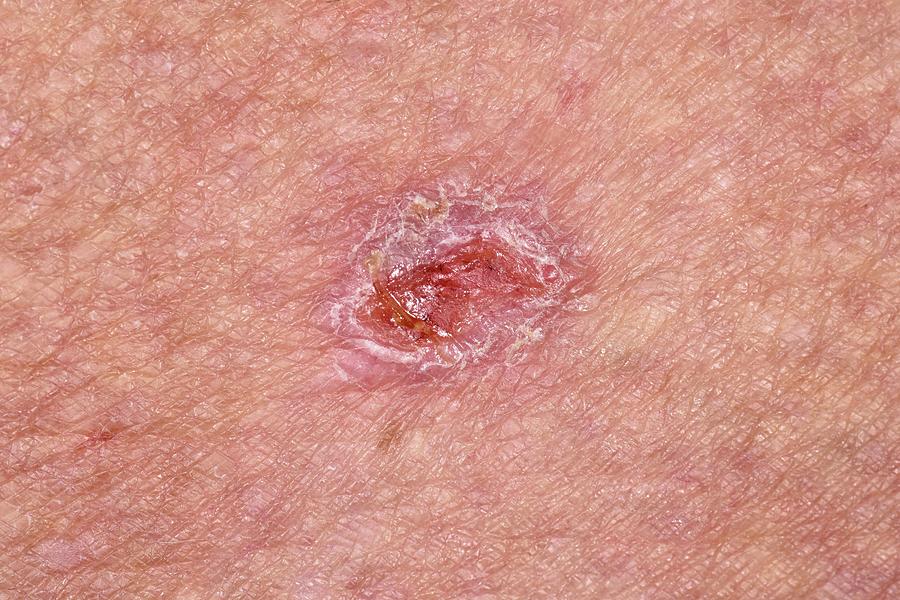
Basal cell carcinoma, commonly called BCC, holds the distinction of being the world’s most frequently diagnosed cancer. Despite this remarkable prevalence, it receives far less public attention than many less common cancers. This relative silence exists partly because BCC rarely becomes life-threatening when treated appropriately.
This cancer develops from basal cells, which sit in the deepest layer of the outer skin. These cells normally produce new skin cells as older ones shed naturally. When UV radiation damages their genetic material, these cells can begin growing abnormally and persistently.
Why Basal Cell Carcinoma Deserves More Attention
The sheer volume of BCC diagnoses worldwide makes this a genuinely significant public health concern. Millions of new cases appear annually across the United States alone each year. Additionally, untreated BCC can cause serious local tissue destruction despite rarely spreading to distant organs.
How UV Radiation Causes Basal Cell Carcinoma
Ultraviolet radiation from sunlight causes the majority of basal cell carcinoma cases worldwide. This radiation damages DNA within basal cells, disrupting normal growth regulation mechanisms. Cumulative UV exposure over many years gradually accumulates this DNA damage significantly.
Tanning beds contribute meaningfully to this UV damage burden alongside natural sun exposure. Indoor tanning significantly elevates BCC risk, particularly for younger, frequent users. This connection provides compelling motivation for completely avoiding artificial UV tanning devices.
Why Some People Face Higher Risk Than Others
Fair-skinned individuals with light eyes and hair face substantially greater UV-related skin damage risk. Their skin contains less protective melanin pigment to absorb and neutralize harmful radiation. This biological difference explains why BCC rates differ significantly across populations with varying skin pigmentation levels.
The Cumulative Nature of UV Damage
Each sunburn and unprotected sun exposure session contributes to lifetime UV damage accumulation. Skin doesn’t forget previous damage; it accumulates across an entire lifetime of sun exposure. This cumulative effect explains why BCC predominantly affects older adults with decades of sun exposure history.
Recognizing the Warning Signs
BCC appears in many different visual forms, making recognition sometimes genuinely challenging. A pearly or waxy bump on sun-exposed skin areas represents one classic presentation. This bump often appears translucent with visible tiny blood vessels running across its surface.
A flat, flesh-colored or brown scar-like lesion also sometimes indicates BCC. Some BCCs appear as pink growths with raised edges and crusted centers. Others develop as open sores that repeatedly heal and then reopen without apparent cause.
Why BCC Most Often Appears on Sun-Exposed Areas
The face, ears, neck, scalp, and hands accumulate the most UV exposure throughout a lifetime. These high-exposure areas therefore develop the majority of BCC cases. However, BCC can occasionally appear on less exposed areas, particularly in individuals with significant risk factors.
Lesions That Deserve Immediate Professional Evaluation
Any persistent skin lesion that doesn’t heal within several weeks deserves prompt dermatological evaluation. Sores that bleed spontaneously, itch persistently, or change appearance also warrant professional assessment. Never dismiss a lingering skin abnormality simply because it appears small or painless currently.
Risk Factors Beyond Sun Exposure
While UV radiation drives most BCC cases, several additional risk factors contribute meaningfully. Previous radiation therapy to the skin significantly elevates BCC development risk in treated areas. Immunosuppressive medications, particularly those used after organ transplantation, dramatically increase susceptibility.
Certain genetic conditions, including Gorlin syndrome, cause multiple BCCs to develop throughout a patient’s lifetime. Long-term arsenic exposure, historically from contaminated water or industrial sources, also increases risk. Personal history of any previous BCC significantly elevates the probability of developing additional future lesions.
Why Transplant Recipients Face Particularly High Risk
Immunosuppressive medications required after organ transplantation profoundly suppress normal immune surveillance. The immune system normally helps identify and destroy abnormal skin cells before they proliferate. This suppression allows BCC and other skin cancers to develop and grow with considerably less natural resistance.
How Doctors Diagnose Basal Cell Carcinoma
Dermatologists initially examine suspicious lesions through visual assessment and dermoscopy, a specialized magnification technique. Dermoscopy reveals subtle structural patterns invisible to the naked eye. This examination helps distinguish BCC from benign skin conditions that might appear similar superficially.
Skin biopsy provides the only definitive BCC diagnosis through direct laboratory tissue analysis. During this simple office procedure, doctors remove a small skin sample under local anesthesia. Pathological examination confirms diagnosis and identifies the specific BCC subtype present.
Why Identifying the Specific Subtype Matters
BCC includes several distinct subtypes with different growth patterns and treatment implications. Nodular BCC represents the most common and typically most manageable subtype overall. Morpheaform BCC, by contrast, infiltrates deeply with poorly defined borders requiring more aggressive treatment approaches.
Treatment Options for Basal Cell Carcinoma
Treatment choice depends on tumor size, location, subtype, and individual patient factors. Surgical excision physically removes the tumor with surrounding tissue margins. This approach provides pathological confirmation of complete removal and suits most straightforward BCC cases effectively.
Mohs micrographic surgery offers precise layer-by-layer removal for complex or recurrent cases. This technique achieves the highest cure rates while minimizing healthy tissue removal. Dermatologists typically recommend Mohs surgery for BCCs on the face or in cosmetically sensitive locations.
Non-Surgical Treatment Options
Topical medications, including imiquimod cream and fluorouracil, treat superficial BCCs effectively. These medications stimulate the immune system to attack and eliminate superficial tumor cells. Photodynamic therapy uses light-activated medications to selectively destroy BCC cells non-surgically.
When Radiation or Systemic Therapy Becomes Necessary
Radiation therapy treats BCCs in patients unable to undergo surgery for medical reasons. Hedgehog pathway inhibitor medications provide systemic treatment options for locally advanced or rare metastatic BCC cases. These medications specifically target molecular pathways driving BCC cell growth effectively.
Prevention Strategies Everyone Should Practice
Daily broad-spectrum sunscreen application represents the most accessible and effective BCC prevention tool. This protection applies regardless of weather, since UV radiation penetrates clouds consistently. Consistent sunscreen use throughout life meaningfully reduces cumulative UV damage and future cancer risk.
Protective clothing, wide-brimmed hats, and seeking shade during peak UV hours provide additional valuable protection. Completely avoiding indoor tanning removes one significant preventable UV exposure risk entirely. These combined strategies create comprehensive sun protection for people of all skin types and ages.
Final Thoughts on Basal Cell Carcinoma
Basal cell carcinoma’s status as the world’s most common cancer deserves far greater public awareness than it currently receives. Understanding its appearance, causes, and treatment options empowers earlier detection and more proactive prevention. The vast majority of patients achieve excellent outcomes when BCC receives timely, appropriate treatment.
Examine your skin regularly and report any suspicious, persistent changes to a dermatologist promptly. Protect yourself from UV radiation consistently throughout every season of the year. With awareness, prevention, and early treatment, basal cell carcinoma remains one of the most manageable cancer diagnoses possible today.
Frequently Asked Questions
Can basal cell carcinoma spread to other organs?
BCC very rarely spreads to distant organs, unlike melanoma or many internal cancers. This characteristic makes it far less life-threatening than most other cancer types. However, neglected BCC can cause significant local tissue destruction, particularly on the face, making treatment genuinely important.
Does basal cell carcinoma always need immediate treatment?
Most BCCs benefit from prompt treatment to prevent local tissue damage and growth. However, very elderly patients or those with serious health conditions sometimes qualify for watchful waiting. Your dermatologist will weigh individual circumstances when recommending the most appropriate management approach for you.
Will basal cell carcinoma come back after treatment?
Recurrence risk varies depending on treatment method and specific tumor characteristics. Mohs surgery provides the highest cure rates with lowest recurrence likelihood overall. Previous BCC also significantly increases the probability of developing new, separate BCCs elsewhere on the skin in the future.
Can basal cell carcinoma develop at a young age?
While BCC predominantly affects older adults, younger people can develop it too. Excessive UV exposure during youth, tanning bed use, and certain genetic conditions increase risk at younger ages. Anyone noticing suspicious skin changes should seek dermatological evaluation regardless of their age.
Is there a connection between basal cell carcinoma and other skin cancers?
Yes, having BCC significantly increases the risk of developing future BCCs and other skin cancer types. People who develop one BCC require ongoing skin surveillance throughout their lifetime. Regular annual dermatological skin examinations remain important for anyone with a BCC diagnosis history.
Disclaimer:
This article is for informational purposes only and does not replace professional medical advice. Please consult a qualified healthcare provider for diagnosis and treatment.
References:
- Kidney cancer develops when cells within the kidney begin growing abnormally and uncontrollably.
- UV radiation causes approximately 60,000 premature deaths annually, primarily from melanoma and other skin cancers
- Basal cell carcinoma is the most common malignancy in white people, and its incidence is increasing worldwide by up to 10% a year.
Observer Voice is the one stop site for National, International news, Sports, Editor’s Choice, Art/culture contents, Quotes and much more. We also cover historical contents. Historical contents includes World History, Indian History, and what happened today. The website also covers Entertainment across the India and World.

