

Ultraviolet Radiation: The Invisible Threat Claiming 60,000 Lives Annually

Key Facts
- UV radiation causes approximately 60,000 premature deaths annually, primarily from melanoma and other skin cancers
- Between 2 and 3 million non-melanoma skin cancers and 132,000 melanoma skin cancers occur globally each year due to UV exposure
- Up to 90% of skin cancers are caused by UV radiation from the sun
- A 10% decrease in stratospheric ozone could result in an additional 300,000 non-melanoma and 4,500 melanoma skin cancer cases annually
- WHO estimates that UV radiation contributes to 1.5 million disability-adjusted life years (DALYs) lost annually
When Australia’s Bureau of Meteorology recorded UV index levels hitting 14 (“extreme”) across major cities in January 2024—prompting WHO’s regional office to issue sun safety alerts—it wasn’t just a summer anomaly. It was a preview of what climate scientists call the “new UV normal.” Stratospheric ozone depletion, reflective urban surfaces, and changing atmospheric conditions have transformed UV radiation from a seasonal concern into a year-round public health challenge across latitudes once considered safe. This article examines ultraviolet radiation through WHO’s latest exposure data, explores why a preventable risk factor still claims tens of thousands of lives annually, and tracks the global health initiatives confronting an invisible carcinogen that’s simultaneously essential for vitamin D synthesis and deadly in excess.
What Is Ultraviolet Radiation? — WHO’s Definition
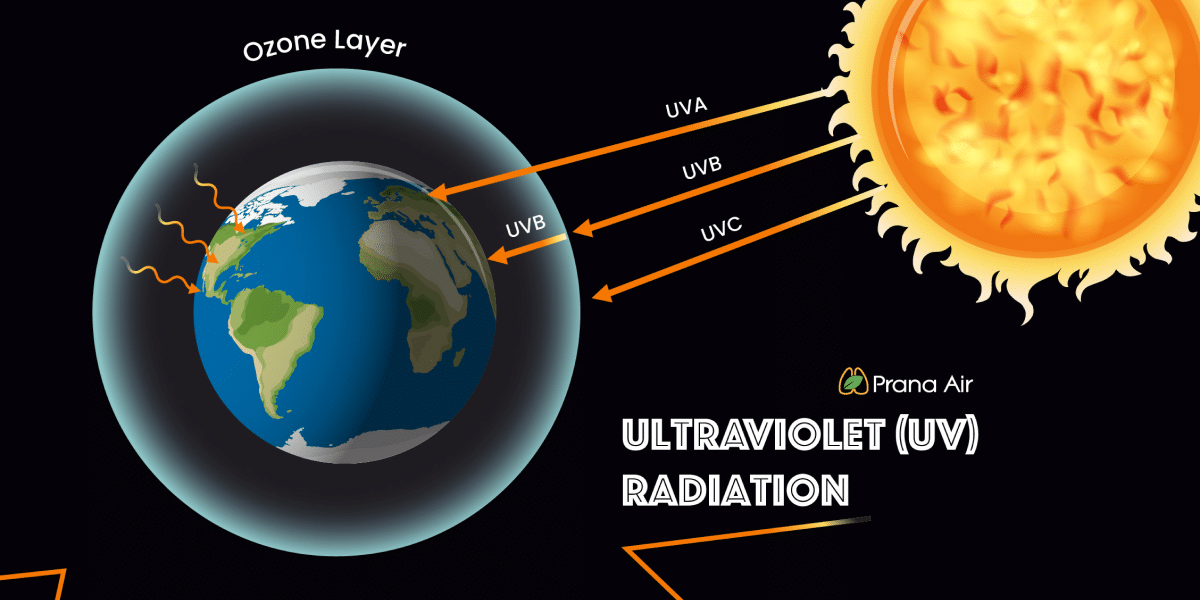
According to WHO, ultraviolet (UV) radiation is a form of electromagnetic energy emitted primarily by the sun, occupying wavelengths between visible light and X-rays (100–400 nanometers). The UV spectrum divides into three bands: UVA (315–400 nm), which penetrates deep into skin causing aging and long-term DNA damage; UVB (280–315 nm), the primary driver of sunburn and direct DNA mutations leading to skin cancer; and UVC (100–280 nm), absorbed completely by Earth’s atmosphere under normal ozone conditions.
Unlike other forms of radiation that workers may encounter in industrial settings, solar UV reaches everyone. WHO emphasizes that UV radiation operates as both a vital biological trigger—enabling vitamin D3 synthesis in skin—and a proven Group 1 carcinogen. This dual nature creates what epidemiologists call the “UV paradox”: populations need approximately 5–15 minutes of midday sun exposure several times weekly for adequate vitamin D production, yet chronic exposure drives melanoma rates that have tripled in fair-skinned populations since the 1960s.
Global Burden — WHO Prevalence Data
WHO’s global burden estimates attribute between 2 and 3 million non-melanoma skin cancers and 132,000 malignant melanomas annually to UV radiation exposure. These figures translate to roughly 60,000 premature deaths each year, with melanoma accounting for the vast majority of fatalities despite representing only 4% of skin cancer cases.
Geography shapes risk dramatically. Australia and New Zealand report the world’s highest melanoma incidence—50–60 cases per 100,000 population annually—rates 12 times higher than Southeast Asia. Fair-skinned populations living at high UV latitudes face compounded risk: a person born in Queensland, Australia has a 1-in-14 lifetime melanoma risk compared to 1-in-200 for someone in Northern Europe, according to Cancer Research UK data.
Yet the burden extends beyond melanoma. Non-melanoma skin cancers (basal cell carcinoma and squamous cell carcinoma) occur 18–20 times more frequently but receive less attention due to lower mortality. WHO data shows incidence exceeding 1,000 per 100,000 in some Australian populations over age 65. A Lancet Planetary Health analysis calculated that if current ozone depletion trends continue unchecked, skin cancer cases could rise 10% by 2050.
The eye disease burden compounds the picture. UV exposure causes an estimated 900,000 cases of cataracts annually—roughly 5% of the global cataract burden. Outdoor workers face disproportionate risk: agricultural laborers, construction workers, and fishermen accumulate 3–9 times the annual UV dose of indoor workers, translating to earlier cataract onset and higher pterygium rates.
Causes, Risk Factors & Biological Mechanisms
Solar UV radiation intensity at Earth’s surface depends on multiple variables: latitude (equatorial regions receive 5–10 times more UV than polar areas), altitude (UV increases 10–12% per 1,000-meter elevation gain), time of day (50% of daily UV arrives between 10 AM and 2 PM), season, cloud cover, and surface reflection. WHO’s UV Index system quantifies these variables into a standardized 1–11+ scale, with readings above 3 warranting sun protection.
Stratospheric ozone depletion amplifies ground-level UV. The Montreal Protocol, signed in 1987, banned chlorofluorocarbons (CFCs) and halons that destroy ozone molecules. Without this intervention, WHO estimates UV-related skin cancers would have increased by millions of cases annually. Even with the protocol’s success, the Antarctic ozone hole still appears each spring, and full stratospheric recovery isn’t expected until 2060–2075.
Artificial UV sources add controlled but significant exposure. Tanning beds emit primarily UVA at intensities 10–15 times higher than midday sun. WHO’s International Agency for Research on Cancer (IARC) classifies indoor tanning devices as Group 1 carcinogens. Research published in JAMA Dermatology found that people who use tanning beds before age 35 increase melanoma risk by 59%.
Individual risk factors interact with environmental exposure. Fair skin (Fitzpatrick types I–II), high nevus counts (over 50 moles), red or blonde hair, freckling tendency, and family history all amplify susceptibility. Genetic variants in melanocortin-1 receptor (MC1R) genes—common in Northern European ancestry—impair melanin production, leaving skin defenseless against UVB-induced DNA damage.
UV’s carcinogenic mechanism operates through direct DNA absorption. UVB photons create cyclobutane pyrimidine dimers (CPDs) and 6-4 photoproducts in DNA strands—signature mutations found in 90% of melanomas. While cells possess nucleotide excision repair pathways to fix this damage, cumulative exposure overwhelms repair capacity. A single severe sunburn in childhood doubles adult melanoma risk, according to CDC surveillance data.
Health Impacts — What WHO Identifies
WHO identifies three primary health impact categories: skin cancers, eye diseases, and immune suppression effects.
Skin cancers manifest across a severity spectrum. Basal cell carcinoma (BCC)—the most common human cancer—rarely metastasizes but causes significant morbidity through local tissue destruction if untreated. Squamous cell carcinoma (SCC) shows greater metastatic potential, particularly in immunosuppressed patients. Melanoma, though rarest, accounts for 75% of skin cancer deaths due to aggressive metastatic behavior if detected late.
WHO notes that melanoma incidence has risen faster than any other cancer in fair-skinned populations over the past 50 years. However, mortality has declined in countries with early detection programs—a divergence suggesting that screening and awareness campaigns work, but prevention messages haven’t stopped initial tumor formation.
Ocular damage ranges from acute photokeratitis (“snow blindness”) to chronic conditions. Cataracts—clouding of the eye’s lens—develop 2–3 years earlier in populations with high cumulative UV exposure. Pterygium, a growth of conjunctival tissue over the cornea, shows strong dose-response relationships with outdoor UV exposure. Macular degeneration, though multifactorial, demonstrates associations with lifetime UV dose in epidemiological studies.
Immune suppression represents UV’s least visible impact. WHO reports that both UVA and UVB suppress local and systemic immune responses, potentially increasing infection susceptibility and reducing vaccine effectiveness. This immunosuppressive effect may paradoxically benefit some autoimmune conditions but raises concerns for vulnerable populations.
Acute effects shouldn’t be dismissed as minor. Sunburn represents a first-degree or second-degree burn, triggering inflammatory cascades that persist for days. Research shows that inflammatory mediators released during severe sunburn may prime skin for future cancer development beyond direct DNA damage. Similar to how extreme heat events trigger cascading health impacts, intense UV exposure sets off biological responses that outlast the immediate injury.
Health Response & Treatment
WHO reports that current approaches to UV-induced health conditions operate almost entirely at the secondary and tertiary prevention levels—treating cancers after they develop rather than preventing exposure at the source.
Melanoma treatment has transformed over the past decade through targeted therapy and immunotherapy. BRAF inhibitors and MEK inhibitors extend survival in patients with specific genetic mutations, while checkpoint inhibitors (anti-PD-1 and anti-CTLA-4 antibodies) achieve durable responses in 40–50% of advanced cases. Five-year survival for stage I melanoma exceeds 95% in high-income countries, but drops below 20% for stage IV disease—underscoring detection timing as the critical variable.
Access gaps define the global treatment landscape. A BMJ Global Health study found that while Australia, New Zealand, and Northern Europe have achieved near-universal melanoma screening coverage, low- and middle-income countries lack both dermatology capacity and public awareness of skin cancer as a concern. In sub-Saharan Africa, where melanoma in darker skin often presents on palms, soles, and under nails, diagnosis typically occurs at advanced stages with limited treatment options available.
Non-melanoma skin cancer treatment relies primarily on surgical excision, though Mohs micrographic surgery, cryotherapy, topical chemotherapy (5-fluorouracil), and photodynamic therapy offer alternatives depending on tumor characteristics and patient factors. The burden here isn’t mortality but volume: dermatology services in countries like Australia dedicate 50% of clinical time to skin cancer treatment, straining healthcare capacity.
Cataract surgery—one of medicine’s most cost-effective interventions—can restore vision for UV-induced lens opacity, but WHO estimates that 90 million people globally have unoperated cataracts due to access barriers. The backlog concentrates in South Asia and sub-Saharan Africa, where cataract surgical rate (CSR) remains below 2,000 per million population annually—far below the 4,000–6,000 needed to eliminate preventable blindness.
Prevention & WHO Strategies
WHO’s sun protection framework centers on the “Five S’s” public health messaging: Slip on clothing, Slop on sunscreen, Slap on a hat, Seek shade, and Slide on sunglasses. This approach, pioneered by Australia’s SunSmart program in 1988, correlates with measurable behavior change and melanoma incidence plateaus in younger cohorts.
The UV Index, developed jointly by WHO, WMO (World Meteorological Organization), UNEP (United Nations Environment Programme), and ICNIRP (International Commission on Non-Ionizing Radiation Protection), provides standardized daily UV forecasts. When the index reaches 3 or higher, WHO recommends sun protection. At 8+ (very high), protection becomes essential during midday hours.
Policy interventions target high-risk settings. Australia banned commercial tanning beds nationally in 2015, following WHO’s call for regulations. School sun safety policies—mandating hats, shade structures, and restricted outdoor time during peak UV—now operate across Australian states and parts of Europe. Such policies face implementation challenges elsewhere: many tropical countries where UV risk runs highest year-round lack shade infrastructure in schools or public spaces.
Sunscreen regulation varies dramatically by jurisdiction. WHO references the FDA’s sunscreen monograph (United States) and the European Commission’s recommendations, but notes that many countries lack quality standards for UV filters. Broad-spectrum protection (covering both UVA and UVB), minimum SPF 30, and water resistance represent baseline criteria, yet products failing these standards remain widely available in lower-income markets.
Occupational protection measures remain underdeveloped compared to other workplace hazards. WHO reports that while comprehensive occupational health frameworks exist for many exposures, outdoor workers rarely receive adequate UV protection. Construction sites in equatorial regions often lack shade, break schedules don’t account for peak UV hours, and personal protective equipment (PPE) designed for other hazards may increase heat stress if adapted for sun protection.
The vitamin D dilemma complicates prevention messaging. WHO acknowledges that while vitamin D deficiency causes rickets, osteomalacia, and possibly increases risks of various chronic diseases, most people achieve adequate levels through incidental sun exposure during daily activities without deliberate sunbathing. Supplementation offers a safer alternative for those at deficiency risk, yet “vitamin D deficiency” concerns have been weaponized by tanning industry marketing to discourage sun protection—a phenomenon WHO explicitly counters in its guidance.
WHO’s Global Efforts & Analysis
WHO’s INTERSUN Programme, established in 1992, coordinates global UV protection efforts across member states. The program’s latest strategic framework emphasizes three priorities: strengthening UV monitoring networks, integrating sun safety into school curricula, and restricting access to indoor tanning for minors.
The 2023 WHO-UNEP UV Radiation Assessment delivered cautiously optimistic news: the Montreal Protocol’s success in eliminating ozone-depleting substances has prevented an estimated 2 million skin cancer cases annually compared to an unmitigated depletion scenario. Ozone layer recovery progresses on track, with Antarctic ozone hole measurements showing gradual improvement. However, unexpected emissions of banned CFCs detected in 2018—traced to unreported industrial sources in East Asia—reminded investigators that protocol enforcement requires constant vigilance.
WHO’s partnership with the International Agency for Research on Cancer produced the 2020 melanoma prevention evidence synthesis, concluding that comprehensive sun protection policies in Australia likely prevented 140,000 melanoma cases between 1988 and 2015. Yet the report noted a troubling pattern: while melanoma incidence in people under 40 has stabilized or declined in Australia, rates continue rising in the United States, United Kingdom, and parts of Europe—suggesting that awareness alone, without policy support, doesn’t sufficiently change behavior.
The World Health Assembly resolution WHA72.9 on skin cancer prevention, passed in 2019, called for member states to strengthen sun protection programs, regulate indoor tanning, and improve skin cancer surveillance. Implementation has been uneven. While Nordic countries, Australia, and New Zealand have enacted comprehensive tanning bed restrictions, many jurisdictions maintain minimal or no regulations. Brazil banned indoor tanning in 2009—the first country to do so nationally—demonstrating that policy leadership can emerge from unexpected regions.
Here’s the analytical tension WHO faces: UV protection competes for public health resources against infectious diseases, injuries, and non-communicable diseases with shorter latency periods. A melanoma prevented in 2026 through childhood sun protection won’t manifest as an avoided death until 2055. This delayed benefit makes UV prevention programs vulnerable to budget cuts despite strong cost-effectiveness evidence. The economic modeling published in Health Affairs showed that every dollar invested in skin cancer prevention returns $4 in treatment costs saved—but those returns accrue across decades, beyond most political planning horizons.
Climate change introduces new variables. Rising temperatures increase outdoor recreation time and UV exposure duration. Stratospheric circulation changes may alter ozone distribution even as total ozone recovers. Some models project increased UV reaching mid-latitudes by 2050 despite Montreal Protocol success. WHO’s climate-health frameworks now incorporate UV as a climate-sensitive health risk, but integration remains nascent.
The pattern mirrors what WHO has observed in addressing other invisible environmental health threats: the absence of immediate tangible harm makes prevention a tough political sell. Yet the evidence couldn’t be clearer—UV causes cancer, cataracts, and immune suppression at exposures people routinely experience. The tools exist: shade, clothing, sunscreen, policy. What’s missing isn’t knowledge. It’s the political architecture to deploy prevention at the scale epidemiology demands.
As WHO emphasized during World Cancer Day 2026, a significant portion of cancer burden remains preventable through addressing known risk factors—and UV radiation ranks among the most modifiable.
Frequently Asked Questions
WHO reports there’s no completely “safe” level of UV exposure that carries zero cancer risk, but minimal incidental exposure during daily activities poses low risk for most people. The UV Index provides guidance: when it’s below 3, no protection is typically needed. Above 3, WHO recommends sun protection measures during midday hours. Approximately 5–15 minutes of midday sun on arms and legs 2–3 times weekly provides adequate vitamin D for most fair-skinned individuals.
Yes. WHO clarifies that clouds reduce UV radiation intensity by only 10–50%, depending on cloud thickness and type. Up to 80% of UV rays penetrate light cloud cover, meaning sunburn and skin damage remain possible on overcast days. UV intensity also increases near reflective surfaces—sand reflects 15% of UV, water 25%, and snow up to 80%, amplifying exposure even in shaded areas.
According to WHO, while melanin in darker skin provides natural protection equivalent to SPF 13–15, UV damage still occurs. People with darker skin types develop skin cancer less frequently but often face worse outcomes due to later detection. WHO notes that melanoma in darker-skinned populations typically appears on palms, soles, or under nails—areas with less melanin—and is often diagnosed at advanced stages.
No. WHO states definitively that indoor tanning devices are not safer alternatives to sun exposure. Tanning beds emit primarily UVA radiation at intensities10–15 times higher than midday sun, causing DNA damage and significantly increasing melanoma risk. IARC classifies tanning bed use before age 35 as a Group 1 carcinogen. WHO recommends complete avoidance of indoor tanning for cosmetic purposes.
WHO reports that sunscreen is an important tool but not complete protection. Studies show broad-spectrum sunscreen with SPF 30+ reduces melanoma risk by approximately 50% when applied correctly (2 mg/cm² of skin, reapplied every 2 hours and after swimming). However, most people apply only 25–50% of the recommended amount, reducing effectiveness. WHO emphasizes combining sunscreen with clothing, hats, shade, and avoiding peak UV hours for comprehensive protection.
Sources
- World Health Organization. Ultraviolet radiation. https://www.who.int/health-topics/ultraviolet-radiation
- World Health Organization. Ultraviolet radiation and health fact sheet. https://www.who.int/news-room/fact-sheets/detail/ultraviolet-radiation (2024)
- Armstrong BK, Kricker A. “The epidemiology of UV induced skin cancer.” Journal of Photochemistry and Photobiology B: Biology, 2001.
- WHO-UNEP. “Environmental Effects and Interactions of Stratospheric Ozone Depletion, UV Radiation, and Climate Change: 2022 Assessment Report.” United Nations Environment Programme, 2023.
- Centers for Disease Control and Prevention. Skin Cancer Statistics. https://www.cdc.gov/cancer/skin/statistics/index.htm
Disclaimer
This article adapts publicly available information from WHO’s Ultraviolet Radiation page. This content is for informational and educational purposes only and does not constitute medical advice. ObserverVoice.com is a news and information platform—not a healthcare provider.
Observer Voice is the one stop site for National, International news, Sports, Editor’s Choice, Art/culture contents, Quotes and much more. We also cover historical contents. Historical contents includes World History, Indian History, and what happened today. The website also covers Entertainment across the India and World.

