

Basal Cell Carcinoma: The Most Common Cancer Nobody Talks About

When doctors say “you have cancer,” most people imagine a life-threatening diagnosis requiring aggressive treatment and uncertain survival. But basal cell carcinoma (BCC) defies these expectations. Basal cell carcinoma (BCC) is the most common form of skin cancer. An estimated 3.6 million cases of BCC are diagnosed in the U.S. each year Skin Cancer Foundation. Despite being the world’s most frequently diagnosed cancer, BCC receives little public attention because it rarely kills—creating a paradox where the most common cancer is also one of the least feared.
The Numbers Tell A Remarkable Story
Basal cell carcinoma is the most common malignancy in white people, and its incidence is increasing worldwide by up to 10% a year. In white populations in North America, the incidence has increased at more than 10% a year, leading to a lifetime risk of 30% of developing a basal cell carcinoma. Indeed, the prevalence of this cancer will probably be greater than that of all other cancers combined PubMed Central.
Basal cell carcinoma (BCC) is the most common form of skin cancer and the most frequently diagnosed malignancy in the United States, affecting nearly 1 in 5 Americans over a lifetime NCBI. To put this in perspective: more Americans will be diagnosed with BCC this year than with breast, prostate, lung, and colon cancers combined. Yet most people couldn’t identify a basal cell carcinoma if they saw one.
The disease shows striking demographic patterns. The age standardised incidence of basal cell carcinoma in white populations is generally between 18% and 40% higher in men. Sporadic basal cell carcinoma is rarely seen before the age of 20 years, but thereafter the age specific incidence increases. Basal cell carcinoma is extremely uncommon in dark skinned races PubMed Central. Fair-skinned individuals with light hair and eyes face the highest risk, reflecting cumulative sun damage over decades.
Why It Rarely Kills
Here’s the remarkable part: despite millions of diagnoses, BCC causes remarkably few deaths. Fortunately, the disease is highly treatable and rarely spreads. Despite millions of cases, basal cell carcinoma and squamous cell carcinoma of the skin (the second-most common skin cancer) combine to cause only around 2,000 deaths per year MD Anderson Cancer Center.
BCC is typically a slow-growing tumor with very low metastatic potential. Mortality is rare and occurs most often in immunocompromised individuals. The estimated age-adjusted mortality rate for BCC is 0.12 per 100,000 individuals. Metastatic BCC is exceedingly rare, with an estimated incidence ranging from 0.0028% to 0.55% NCBI. Translation: fewer than 1 in 200 basal cell carcinomas ever spread beyond their original location.
About 8 out of 10 skin cancers are basal cell carcinomas. These cancers start in the basal cell layer, which is the lower part of the epidermis. BCCs usually develop on sun-exposed areas, especially the face, head, neck, and arms. They tend to grow slowly. It’s very rare for a basal cell cancer to spread to other parts of the body American Cancer Society. BCC typically grows locally—expanding outward and downward like tree roots rather than sending seeds to distant organs the way melanoma or other cancers do.
What It Looks Like And Where It Appears
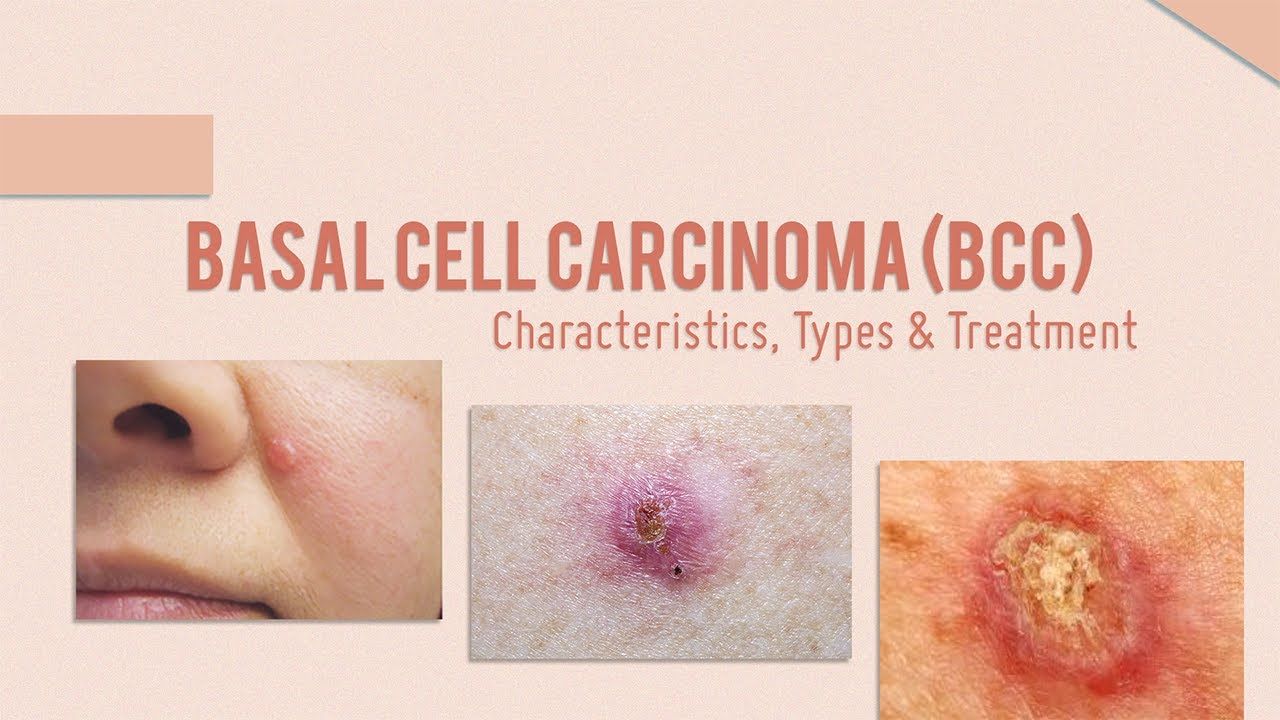
Approximately 80% occur on the head and neck, with the rest mainly on the trunk and lower limbs, particularly in women. Early basal cell carcinomas are commonly small, translucent or pearly, with raised areas through which dilated vessels may show (telangiectasia). The classic form is the rodent ulcer, which has an indurated edge and ulcerated centre PubMed Central.
The cancer appears in several forms: shiny pearly bumps with visible blood vessels, pink patches that won’t heal, open sores that bleed and crust repeatedly, or pigmented lesions mistaken for moles. Many people ignore these spots for months or years, assuming they’re just age spots, pimples, or minor skin irritations. The slow growth—often taking years to become problematic—contributes to delayed diagnosis.
The Sun Connection
UV radiation from sun exposure and tanning beds drives BCC development. Chronic sun exposure is among the most critical risk factors for developing BCC. There is typically a latency period of 15 to 20 years between UV damage and the clinical onset of BCC. UV radiation promotes BCC formation through direct and indirect DNA damage and immune suppression NCBI.
This long latency explains why BCC typically appears in people over 50—the cancer reflects sunburns and tanning from decades earlier. The damage accumulates silently, then manifests years later as the DNA repair mechanisms eventually fail. Recent increases in diagnoses among younger adults, particularly women, correlate with tanning bed popularity in the 1990s and 2000s.
Treatment: Highly Effective When Caught Early
Found early and properly treated: The prognosis for basal cell carcinoma is excellent. Treatment can remove the tumor. Cancer grows deep: Basal cell carcinoma is rarely deadly. However, treatment becomes more involved when cancer is given time to grow AAD.
Most BCCs can be treated in a dermatologist’s office through simple surgical excision—cutting out the tumor with surrounding normal skin and stitching the wound closed. Cure rates exceed 90-95% with proper excision. Other options include electrodesiccation and curettage (scraping and burning), cryotherapy (freezing), topical chemotherapy creams for superficial BCCs, and radiation for patients who cannot undergo surgery.
For BCCs in cosmetically sensitive areas or those with high recurrence risk, Mohs micrographic surgery offers the highest cure rates (up to 99%) while preserving maximum healthy tissue. The surgeon removes cancer layer by layer, examining each under the microscope until clear margins are achieved.
Cancer spreads: Keep in mind that basal cell carcinoma rarely spreads. Less than 1% of basal cell tumors spread beyond where the cancer starts. When this cancer spreads, patients can often be treated with newer medications, such as vismodegib and sonidegib AAD. For the rare cases of advanced or metastatic BCC, targeted drugs blocking the hedgehog signaling pathway—which drives BCC growth—provide treatment options previously unavailable.
The Hidden Problem: Recurrence And New Cancers
While individual BCCs rarely kill, they create ongoing management challenges. People diagnosed with one BCC face significantly elevated risk for developing additional skin cancers—both more BCCs and potentially melanoma. About 40% develop another skin cancer within three years. This necessitates lifelong dermatologic surveillance with regular full-body skin exams.
The takeaway: basal cell carcinoma exemplifies how cancer statistics can mislead. The most common cancer causes the fewest deaths because biology matters more than prevalence. Early detection through skin checks and prompt treatment keep this common cancer from becoming a serious threat.
References
- PMC. Basal cell carcinoma. https://pmc.ncbi.nlm.nih.gov/articles/PMC214105/
- Skin Cancer Foundation. Skin Cancer Facts & Statistics. https://www.skincancer.org/skin-cancer-information/skin-cancer-facts/
- American Cancer Society. What Are Basal and Squamous Cell Skin Cancers? https://www.cancer.org/cancer/types/basal-and-squamous-cell-skin-cancer/about/what-is-basal-and-squamous-cell.html
- American Academy of Dermatology. Basal cell carcinoma: Outcome and life after treatment. https://www.aad.org/public/diseases/skin-cancer/basal-cell-carcinoma/outcome-life-after-treatment
- MD Anderson. Basal Cell Carcinoma. https://www.mdanderson.org/cancer-types/skin-cancer/basal-cell-carcinoma.html
Observer Voice is the one stop site for National, International news, Sports, Editor’s Choice, Art/culture contents, Quotes and much more. We also cover historical contents. Historical contents includes World History, Indian History, and what happened today. The website also covers Entertainment across the India and World.

