

Pulmonary Embolism: How a Blood Clot Reaches the Lungs

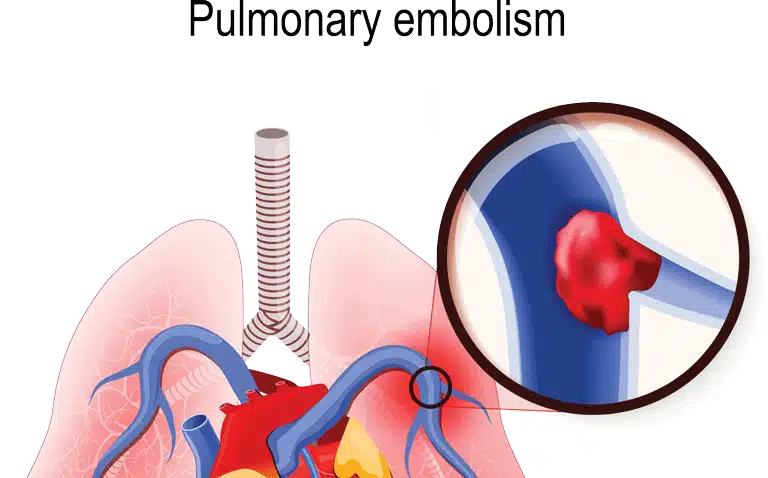
Pulmonary Embolism is a life-threatening medical emergency that occurs when a blood clot travels through the bloodstream and lodges in the arteries of the lungs. This blockage cuts off blood supply to lung tissue, impairs oxygen transfer, and places sudden, dangerous strain on the heart. Without prompt treatment, pulmonary embolism can be rapidly fatal.
What makes this condition particularly treacherous is that it often develops silently. The clot typically originates in a deep vein of the leg or pelvis, travels upward through the heart, and reaches the lungs before any obvious warning signs appear. Every year, pulmonary embolism causes hundreds of thousands of deaths globally, yet it remains underdiagnosed and underappreciated by the general public. Understanding how it develops, who faces the highest risk, and how to recognise its symptoms saves lives.
What Is Pulmonary Embolism?
Pulmonary Embolism, commonly abbreviated as PE, belongs to a group of conditions called venous thromboembolism (VTE). VTE encompasses both deep vein thrombosis (DVT), the formation of a clot in a deep vein, and pulmonary embolism, the migration of that clot to the lungs.
When a clot, called a thrombus, breaks away from its original site, it becomes an embolus, meaning a travelling clot. This embolus moves through the venous system, passes through the right side of the heart, and enters the pulmonary arteries, the blood vessels supplying the lungs.
What Happens Inside the Lungs
Once the embolus lodges in a pulmonary artery, it obstructs blood flow to a portion of lung tissue. The affected lung segment can no longer participate in gas exchange, meaning oxygen cannot enter the blood and carbon dioxide cannot leave efficiently. The body responds by increasing breathing rate and heart rate to compensate.
Large clots blocking major pulmonary arteries cause massive pulmonary embolism, a catastrophic emergency with very high immediate mortality. Smaller clots affecting peripheral lung arteries cause submassive or low-risk PE with less dramatic but still serious consequences.
How Does a Blood Clot Travel to the Lungs?
Understanding the journey of a blood clot from its origin to the lungs illuminates why PE develops and who faces the greatest danger.
The Role of Deep Vein Thrombosis
The vast majority of pulmonary emboli originate as deep vein thromboses in the legs or pelvis. DVT develops when blood pools and clots in the deep veins of the calf, thigh, or pelvis. Prolonged immobility, blood vessel injury, and abnormal clotting tendencies all create conditions favouring DVT formation.
Once a DVT forms, parts of the clot can detach. The venous system carries these fragments upward through the inferior vena cava, through the right atrium and right ventricle of the heart, and directly into the pulmonary arteries. The entire journey from leg vein to lung can happen within seconds.
Other Sources of Emboli
While DVT accounts for most pulmonary emboli, other sources exist. Clots can originate in the pelvic veins, renal veins, or upper limb veins, particularly in people with central venous catheters. Air, fat particles, and amniotic fluid can also cause pulmonary embolism in specific clinical circumstances, though blood clots remain the overwhelming majority.
Why Clots Break Free
Clots break free when their attachment to the vein wall weakens. Sudden changes in blood flow, physical movement after prolonged immobility, or natural clot dissolution processes all contribute to embolus release. This explains why PE sometimes occurs when hospitalised patients begin mobilising after surgery or bedrest.
Causes and Risk Factors for Pulmonary Embolism
PE does not develop randomly. Specific conditions and circumstances dramatically increase the likelihood of clot formation and embolism.
Virchow’s Triad
Nineteenth-century physician Rudolf Virchow identified three fundamental conditions that promote clot formation, now known as Virchow’s triad. These are blood stasis meaning slow or pooled blood flow, endothelial injury meaning damage to blood vessel walls, and hypercoagulability meaning an abnormal tendency for blood to clot. Most PE risk factors relate to one or more of these three mechanisms.
Understanding this framework helps clinicians identify at-risk individuals and implement preventive strategies effectively.
Immobility and Prolonged Inactivity
Prolonged immobility is one of the most common and modifiable PE risk factors. Long-haul flights, extended bed rest after illness or surgery, and sedentary occupations all allow blood to pool in the leg veins. This stasis promotes clot formation in the deep venous system.
Hospital inpatients face particularly high PE risk, combining immobility, acute illness, and often surgical procedures. Routine thromboprophylaxis, meaning preventive anticlotting measures, is now standard practice in hospitals for this reason.
Surgery and Trauma
Major surgery, particularly orthopaedic procedures such as hip and knee replacement, significantly elevates PE risk. Surgical trauma damages blood vessel walls, triggers clotting cascades, and necessitates post-operative immobility. Trauma from road accidents, falls, and fractures similarly activates clotting mechanisms.
The highest surgical PE risk persists for four to six weeks after major procedures, underscoring the importance of extended post-discharge thromboprophylaxis in high-risk cases.
Cancer and Medical Conditions
Active cancer represents a major PE risk factor. Tumours release procoagulant substances that promote abnormal clotting, and cancer treatments including chemotherapy and hormonal therapies further increase risk. PE is a leading cause of death in people with cancer.
Other medical conditions elevating PE risk include heart failure, inflammatory bowel disease, nephrotic syndrome, and severe infections. Each condition creates haemostatic disturbances that tip the balance toward clot formation.
Hormonal and Reproductive Factors
Combined oral contraceptive pills and hormone replacement therapy containing oestrogen increase PE risk by promoting a hypercoagulable state. Pregnancy and the six-week post-partum period also carry substantially elevated PE risk, combining hormonal changes, venous compression by the growing uterus, and increased clotting factor levels.
Women carrying inherited thrombophilias, meaning genetic clotting disorders, face compounded risk during pregnancy and when using oestrogen-containing medications.
Inherited Thrombophilias
Several inherited genetic disorders increase blood clotting tendency significantly. Factor V Leiden mutation, prothrombin gene mutation, and deficiencies of protein C, protein S, and antithrombin are the most clinically important thrombophilias. People with these conditions may develop PE at younger ages, sometimes without obvious precipitating factors.
Thrombophilia testing is appropriate in selected individuals, particularly those with unprovoked PE at young age or strong family histories of clotting disorders.
Symptoms of Pulmonary Embolism
PE produces a diverse range of symptoms depending on the size of the clot, the extent of lung involvement, and the patient’s underlying cardiopulmonary reserve. Some presentations are dramatic and immediately life-threatening, while others are subtle and easily mistaken for other conditions.
Classic Symptoms
The classic symptom triad of PE includes sudden breathlessness, chest pain, and coughing up blood, called haemoptysis. However, this complete triad appears in only a minority of cases. Breathlessness is the most consistently reported symptom, occurring in the majority of PE cases and often appearing with striking suddenness.
Chest pain in PE typically has a pleuritic character, meaning it worsens with deep breathing, coughing, and movement. This reflects inflammation of the pleura, the lining around the lungs, adjacent to the affected area.
Less Obvious Presentations
Many PE cases present atypically, with symptoms that mimic other common conditions. Unexplained rapid heart rate, called tachycardia, light-headedness, near-fainting, or simply feeling unwell without obvious cause may all indicate PE. Anxiety and a sense of impending doom sometimes accompany acute PE.
In elderly people, PE can present as confusion, reduced consciousness, or unexplained deterioration in functional status without classic respiratory or chest symptoms.
Signs of Massive PE
Massive pulmonary embolism presents as cardiovascular collapse. Sudden severe breathlessness, loss of consciousness, extreme low blood pressure, and cardiac arrest may all occur within minutes of a large clot occluding major pulmonary vessels. This constitutes a cardiac emergency requiring immediate resuscitation and emergency treatment.
Any sudden collapse in a hospitalised patient or someone with known DVT risk factors warrants immediate consideration of massive PE.
Signs of Underlying DVT
Around 50 percent of people with PE have signs of DVT in their legs. Leg swelling, redness, warmth, and tenderness, particularly in the calf or thigh, accompany PE in these cases. Recognising concurrent DVT strengthens the clinical suspicion for PE and reinforces the need for urgent investigation.
Diagnosing Pulmonary Embolism
Diagnosing PE promptly requires a structured approach combining clinical assessment, probability scoring, blood tests, and imaging.
Clinical Probability Assessment
Clinicians begin by assessing the clinical probability of PE using validated scoring tools. The Wells PE score assigns points for symptoms, signs, heart rate, immobility, prior VTE, active cancer, and the likelihood of an alternative diagnosis. Scores stratify patients into low, moderate, or high probability categories, guiding subsequent investigation pathways.
The Geneva score provides an alternative validated tool, using similar clinical variables to estimate PE probability without requiring subjective clinical judgement about alternative diagnoses.
D-Dimer Blood Test
D-dimer is a protein fragment released when a blood clot breaks down. Elevated D-dimer levels indicate recent clot formation or dissolution. In people with low or moderate clinical probability of PE, a negative D-dimer result effectively excludes PE and avoids the need for imaging.
However, D-dimer elevates in many other conditions including infection, inflammation, pregnancy, and recent surgery. A positive D-dimer result therefore requires imaging confirmation rather than serving as a standalone diagnostic tool.
CT Pulmonary Angiography
CT pulmonary angiography (CTPA) is the gold standard imaging investigation for PE. This specialised CT scan images the pulmonary arteries directly after injecting intravenous contrast dye. CTPA can visualise clots within the pulmonary arteries with high sensitivity and specificity, confirming or excluding PE reliably in most cases.
CTPA also provides information about clot burden, right heart strain, and alternative diagnoses that might explain the patient’s symptoms.
Ventilation-Perfusion Scanning
Ventilation-perfusion (V/Q) scanning offers an alternative imaging option when CTPA is contraindicated, for example in significant kidney impairment or contrast allergy. V/Q scanning uses radioactive tracers to compare ventilation, meaning air distribution, with perfusion, meaning blood flow in the lungs. Mismatched areas where ventilation is present but blood flow is absent suggest PE.
V/Q scanning is also preferred in pregnancy to minimise radiation exposure to the fetus, as it delivers lower fetal radiation compared to CTPA.
Echocardiography and Additional Tests
Echocardiography, an ultrasound of the heart, provides valuable information in massive or submassive PE. Right ventricular strain or enlargement on echocardiography indicates significant haemodynamic impact and guides decisions about more aggressive treatment. Troponin and BNP blood tests reflect heart muscle strain and help risk-stratify patients with confirmed PE.
Leg vein ultrasound can confirm concurrent DVT and, in patients with contraindications to CTPA, may sufficiently support the PE diagnosis when combined with clinical probability assessment.
Treatment of Pulmonary Embolism
Treating PE aims to prevent further clot propagation, allow natural clot dissolution, restore adequate blood flow to the lungs, and prevent recurrence.
Anticoagulation as the Foundation
Anticoagulation, meaning blood thinning therapy, forms the cornerstone of PE treatment for haemodynamically stable patients. Anticoagulant medications do not dissolve existing clots but prevent new clot formation and allow the body’s natural fibrinolytic system to break down the existing embolus gradually.
Modern direct oral anticoagulants (DOACs), including rivaroxaban and apixaban, have largely replaced traditional anticoagulants such as warfarin for most PE patients. DOACs are highly effective, require no routine blood monitoring, and carry lower bleeding risks in most patient groups.
Initial Anticoagulation
For immediate PE management, clinicians start anticoagulation as soon as PE is confirmed, or even before confirmation in high-probability cases where imaging is delayed. Low molecular weight heparin injections, fondaparinux, or unfractionated heparin infusions provide rapid anticoagulation in the acute phase.
Some DOACs, including rivaroxaban and apixaban, can be used from diagnosis without initial parenteral heparin, simplifying treatment pathways significantly.
Duration of Anticoagulation
Anticoagulation duration depends on whether the PE was provoked, meaning triggered by an identifiable temporary risk factor, or unprovoked, meaning occurring without obvious cause. Provoked PE typically requires three to six months of anticoagulation. Unprovoked PE often warrants longer treatment, sometimes indefinitely, given the higher recurrence risk.
Cancer-associated PE generally requires extended anticoagulation for as long as the cancer remains active, as recurrence risk persists throughout the malignancy.
Thrombolysis for Massive PE
Massive PE with haemodynamic collapse requires more aggressive treatment than anticoagulation alone. Systemic thrombolysis, using medications such as alteplase to dissolve the clot rapidly, can restore pulmonary blood flow in life-threatening situations. Thrombolysis carries significant bleeding risks, including intracranial haemorrhage, and clinicians reserve it for situations where the immediate mortality risk from PE outweighs these dangers.
Catheter-directed thrombolysis delivers clot-dissolving medication directly into the pulmonary arteries via a catheter, offering a more targeted approach with potentially lower systemic bleeding risk.
Surgical Embolectomy
Surgical removal of the pulmonary embolus, called embolectomy, is a last resort for patients with massive PE who cannot receive thrombolysis or in whom thrombolysis has failed. This open cardiac surgery carries high operative mortality but may be lifesaving when no other option exists.
Catheter-based mechanical thrombectomy, removing clot using specialised endovascular devices, is an emerging alternative for selected patients at experienced centres.
Inferior Vena Cava Filters
In patients who cannot receive anticoagulation due to high bleeding risk, surgeons can place a filter in the inferior vena cava, the large vein returning blood from the lower body to the heart. This filter catches emboli before they reach the lungs.
IVC filters do not treat existing clots or reduce the risk of DVT recurrence. They serve as a temporary protective measure and should be removed when anticoagulation becomes safe.
Preventing Pulmonary Embolism
Prevention of PE focuses on reducing DVT formation and addressing modifiable risk factors.
Thromboprophylaxis in Hospital
All hospitalised patients require formal assessment of their VTE risk. High-risk patients receive pharmacological thromboprophylaxis with low molecular weight heparin injections or alternative anticoagulants. Mechanical prophylaxis using graduated compression stockings and pneumatic compression devices enhances venous blood flow and reduces DVT formation in patients where anticoagulants are contraindicated.
Early mobilisation after surgery is strongly encouraged, as resuming walking dramatically reduces DVT risk compared to prolonged bed rest.
Long-Haul Travel Precautions
During long flights or journeys exceeding four hours, simple measures meaningfully reduce PE risk. Regular in-seat leg exercises, walking the aisle periodically, staying well hydrated, and wearing compression stockings all help. People with known high PE risk should discuss pre-travel anticoagulation with their doctors before long-haul travel.
Lifestyle and Modifiable Risks
Maintaining a healthy weight, staying physically active, and avoiding prolonged sitting all reduce chronic PE risk. People using oestrogen-containing contraceptives or hormone therapy should discuss their individual thrombosis risk with their healthcare provider, particularly before surgeries or during periods of enforced immobility.
Living After a Pulmonary Embolism
Surviving a pulmonary embolism marks the beginning of a recovery journey that requires medical management, lifestyle attention, and psychological support.
Post-PE Syndrome
A significant proportion of PE survivors develop post-PE syndrome, experiencing persistent breathlessness, reduced exercise capacity, and fatigue months to years after the acute event. This syndrome reflects a combination of residual clot burden, right heart dysfunction, and physical deconditioning.
Pulmonary rehabilitation programmes significantly improve exercise capacity and quality of life in people with post-PE syndrome.
Chronic Thromboembolic Pulmonary Hypertension
In approximately two to four percent of PE survivors, residual clot organises into fibrous scar tissue that obstructs pulmonary arteries chronically. This causes chronic thromboembolic pulmonary hypertension (CTEPH), a condition characterised by progressively worsening breathlessness and right heart failure.
CTEPH is treatable through surgical pulmonary endarterectomy, balloon pulmonary angioplasty, and targeted medical therapies. Early recognition of CTEPH after PE is essential for timely referral to specialist centres.
Psychological Impact
The psychological aftermath of a PE can be profound. Many survivors experience anxiety, fear of recurrence, and post-traumatic stress symptoms. Cognitive symptoms including brain fog and concentration difficulties are also reported. Access to psychological support and patient peer networks aids recovery and improves long-term wellbeing.
Frequently Asked Questions
What causes a pulmonary embolism?
Pulmonary embolism most commonly occurs when a blood clot, usually originating in the deep veins of the leg or pelvis, breaks free and travels through the bloodstream to the lungs. Key risk factors include prolonged immobility, major surgery, cancer, pregnancy, oestrogen-containing medications, and inherited clotting disorders. Virchow’s triad of blood stasis, vessel wall injury, and increased clotting tendency underpins most cases.
How serious is a pulmonary embolism?
Pulmonary embolism is a serious and potentially fatal condition. Massive PE with circulatory collapse carries very high immediate mortality without emergency treatment. Even smaller PEs can cause significant morbidity, including chronic breathlessness and post-PE syndrome. With prompt diagnosis and appropriate anticoagulation treatment, most people with PE survive and recover well.
Can pulmonary embolism be prevented?
Yes, many cases of pulmonary embolism are preventable. Hospital thromboprophylaxis, early mobilisation after surgery, compression stockings, adequate hydration, and physical activity all reduce risk. People with high-risk conditions should discuss thromboprophylaxis with their healthcare provider. Addressing modifiable risk factors such as obesity and sedentary behaviour further reduces long-term PE risk.
How long does recovery from pulmonary embolism take?
Recovery varies considerably depending on clot size and individual factors. Most people treated promptly for PE improve significantly within days to weeks. Full recovery of exercise capacity and energy levels may take several months. Some people develop post-PE syndrome with persistent breathlessness lasting a year or longer. Regular follow-up with a specialist supports optimal recovery and detects complications early.
What medications treat pulmonary embolism?
Anticoagulant medications form the mainstay of PE treatment. Direct oral anticoagulants such as rivaroxaban and apixaban are most commonly used. Low molecular weight heparin injections provide initial anticoagulation in hospitalised patients. Massive PE may require thrombolytic agents such as alteplase to dissolve the clot rapidly. Anticoagulation duration ranges from three months to lifelong depending on individual circumstances and recurrence risk.
Can pulmonary embolism recur?
Yes. People who have experienced one PE face an elevated risk of recurrence, particularly those with unprovoked PE or ongoing risk factors such as active cancer or inherited thrombophilias. Long-term or indefinite anticoagulation significantly reduces recurrence risk in high-risk individuals. Regular specialist review helps identify those who benefit most from extended anticoagulation while balancing bleeding risks.
Disclaimer:
This article is for informational purposes only and does not constitute medical advice. Always consult a qualified healthcare professional for diagnosis, treatment, or medical guidance related to any health condition.
References:
- Deep vein thrombosis is a condition in which a blood clot, known medically as a thrombus, forms within a deep vein of the body.
- Antiphospholipid Syndrome causes variable symptoms depending on whether thrombotic events have occurred and whether pregnancy is involved.
- Antiphospholipid syndrome is an autoimmune thrombotic disorder characterized by recurrent blood clots and/or pregnancy complications in the presence of antiphospholipid antibodies.
Observer Voice is the one stop site for National, International news, Sports, Editor’s Choice, Art/culture contents, Quotes and much more. We also cover historical contents. Historical contents includes World History, Indian History, and what happened today. The website also covers Entertainment across the India and World.

