

Pemphigus Vulgaris: The Autoimmune Blistering Disease That Can Be Life-Threatening

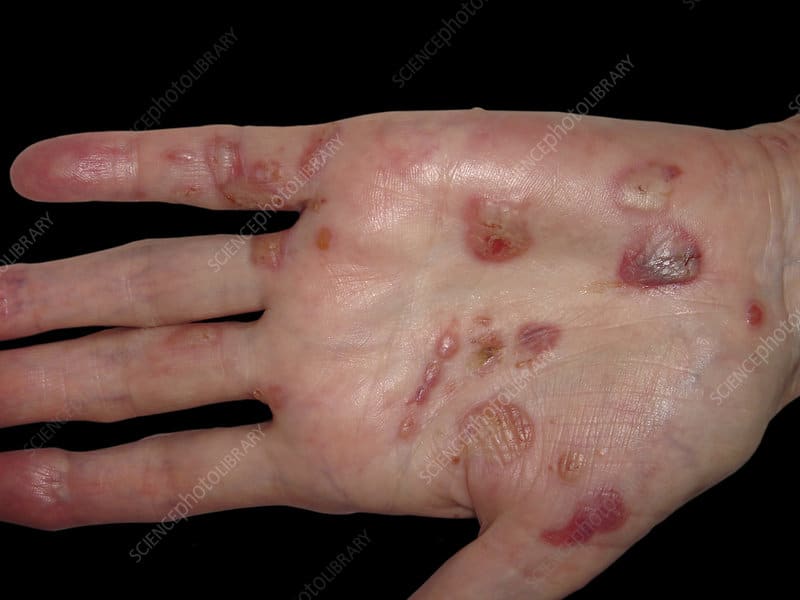
Most skin blisters heal quickly and cause little lasting harm. Pemphigus vulgaris is an entirely different matter.
This rare but serious autoimmune disease causes painful blisters to form across the skin and inside the mouth, throat, and other mucous membranes. Without prompt diagnosis and treatment, these blisters spread, rupture, and create life-threatening wounds across large areas of the body.
Pemphigus vulgaris causes significant morbidity and, historically, carried very high mortality rates before modern treatments existed. Understanding this condition helps patients and clinicians act decisively when every day of delay causes additional harm.
What Is Pemphigus Vulgaris?
Pemphigus vulgaris is a chronic autoimmune blistering disorder affecting the skin and mucous membranes. The term “pemphigus” derives from the Greek word for blister, and “vulgaris” means common, reflecting its status as the most prevalent subtype within the pemphigus disease group.
The condition belongs to a broader category of autoimmune blistering diseases that also includes bullous pemphigoid, pemphigus foliaceus, and mucous membrane pemphigoid. Each disorder involves autoimmune attack on different structural proteins within the skin.
How Pemphigus Vulgaris Differs From Related Conditions
Pemphigus vulgaris attacks proteins deep within the skin, causing blisters that form inside the epidermis itself. This intra-epidermal blister location makes these blisters fragile, thin-roofed, and prone to rapid rupture.
Bullous pemphigoid, by contrast, attacks proteins at the junction between the epidermis and dermis, producing tighter, more resilient blisters. This anatomical difference explains why pemphigus vulgaris blisters rupture so easily while bullous pemphigoid blisters remain intact for longer periods.
Who Gets Pemphigus Vulgaris?
Pemphigus vulgaris affects people of all ethnicities and backgrounds, though certain populations face higher risk. People of Jewish, Mediterranean, Indian, and Middle Eastern descent develop the condition more frequently than other ethnic groups.
The condition typically presents between the ages of 50 and 60, though it can affect younger adults and occasionally children. Women and men develop pemphigus vulgaris at roughly equal rates across most studied populations worldwide.
The Autoimmune Mechanism Behind Pemphigus Vulgaris
Pemphigus vulgaris causes blisters through a precise autoimmune attack on proteins that hold skin cells together. Understanding this mechanism explains both the clinical features of the disease and the rationale behind its treatment strategies.
The skin consists of multiple layers of cells called keratinocytes. These cells connect to each other through specialised adhesion structures called desmosomes, which act like molecular rivets holding the skin layer intact.
Desmoglein Proteins and Autoantibody Attack
Desmoglein 3 (DSG3) and desmoglein 1 (DSG1) are key adhesion proteins within desmosomes. In pemphigus vulgaris, the immune system produces immunoglobulin G (IgG) autoantibodies that target these specific proteins and disrupt their adhesive function.
When DSG3 antibodies bind to their target, the connections between keratinocytes break down in a process called acantholysis. The skin cells separate from each other, and fluid accumulates in the resulting gaps to form blisters directly within the epidermal layer.
Why Mucous Membranes Are Affected First
DSG3 is expressed predominantly in mucous membranes and the deep layers of the epidermis. DSG1, in contrast, is expressed more in the superficial skin layers, particularly in non-mucosal skin.
Most patients with pemphigus vulgaris develop DSG3 antibodies alone in early disease, explaining why oral mucosal blisters appear first. When DSG1 antibodies develop alongside DSG3 antibodies, skin blistering emerges in addition to mucosal involvement.
Genetic and Environmental Contributions
Certain HLA (human leukocyte antigen) gene variants significantly increase susceptibility to pemphigus vulgaris. HLA-DRB1 and HLA-DQB1 alleles associated with antigen presentation predispose carriers to the autoimmune response targeting desmogleins.
Environmental triggers including certain medications, viral infections, and ultraviolet radiation exposure can precipitate pemphigus vulgaris in genetically susceptible individuals. Drug-induced pemphigus, triggered by medications such as penicillamine and captopril, represents a distinct but clinically similar subset of the condition.
Recognising the Symptoms of Pemphigus Vulgaris
Recognising pemphigus vulgaris early dramatically improves treatment outcomes and prevents the dangerous complications that arise from widespread blistering and skin breakdown. The condition follows a characteristic clinical sequence that clinicians must learn to identify promptly.
Pain is a defining feature that distinguishes pemphigus vulgaris from many other skin conditions. The blisters and erosions are intensely painful, and even minimal skin contact causes significant discomfort for affected individuals.
Oral Mucosal Blisters: The First Warning Sign
In approximately 50 to 70% of cases, painful oral blisters appear weeks to months before skin involvement develops. These blisters form on the inner cheeks, gums, palate, and tongue, rupturing rapidly to leave raw, irregular erosions.
Eating, drinking, and speaking become progressively painful and difficult as oral erosions multiply and enlarge. Many patients lose significant weight during this period due to the extreme pain associated with any oral intake.
Skin Blistering Across the Body
Skin blisters typically develop after oral involvement, arising on apparently normal skin or following minimal trauma. The blisters are thin-walled, flaccid, and filled with clear or blood-tinged fluid.
They rupture easily, leaving behind raw, weeping erosions that can coalesce into large denuded areas across the chest, back, scalp, face, and extremities. These large open wounds create significant infection risk and substantial fluid and protein losses from the body.
Nikolsky Sign: A Key Diagnostic Clue
The Nikolsky sign is a bedside clinical test that helps identify pemphigus vulgaris at the examination table. Applying lateral shear pressure to apparently normal skin adjacent to a blister causes the outermost skin layer to slide and separate.
A positive Nikolsky sign reflects the fragility of skin adhesion in active pemphigus and distinguishes it from most other blistering conditions. Clinicians use this simple test alongside clinical history to direct further diagnostic investigation.
Other Mucosal Sites Affected
Beyond the mouth, pemphigus vulgaris causes blisters in the throat, oesophagus, nasal passages, conjunctiva, genitals, and perianal area. Oesophageal involvement makes swallowing extremely painful and raises the risk of nutritional compromise and aspiration.
Conjunctival involvement can threaten vision if not treated promptly and aggressively. Genital erosions cause significant pain and interfere with daily hygiene, adding to the functional burden and psychological distress of this condition.
Why Pemphigus Vulgaris Becomes Life-Threatening
Left untreated or inadequately managed, pemphigus vulgaris carries a substantial risk of serious complications and death. Before systemic corticosteroids became available in the 1950s, the condition carried mortality rates exceeding 70 to 90%.
Even with modern treatment, pemphigus vulgaris can be fatal if complications arise or disease control proves difficult to achieve. Understanding the mechanisms of life-threatening deterioration enables more vigilant clinical monitoring.
Sepsis From Widespread Skin Erosions
Large areas of ruptured blisters and denuded skin create open wounds that function similarly to severe burns in their vulnerability to infection. Bacteria including Staphylococcus aureus enter these wounds readily and can cause rapidly spreading cellulitis or systemic sepsis.
Septicaemia, meaning bacterial infection spreading into the bloodstream, represents the leading cause of death in pemphigus vulgaris. Wound management, infection surveillance, and early antibiotic treatment are critical components of active disease care.
Fluid Loss and Electrolyte Imbalance
Extensive skin erosions cause significant loss of fluid, proteins, and electrolytes through the exposed wound surfaces. This physiological stress resembles the systemic challenges of major burns and can rapidly compromise cardiovascular stability.
Nutritional support, fluid replacement, and electrolyte monitoring require active clinical management during severe disease flares. Patients with widespread blistering may need hospital admission for supportive care alongside specific immunosuppressive treatment.
Complications of Long-Term Immunosuppression
The high-dose corticosteroids and immunosuppressive medications required to control pemphigus vulgaris carry their own serious complication risks. Infection susceptibility, osteoporosis, diabetes, hypertension, and adrenal suppression all develop in patients requiring prolonged systemic immunosuppression.
Balancing effective disease suppression against treatment-related complications represents the central clinical challenge in long-term pemphigus vulgaris management. Steroid-sparing strategies and biological therapies increasingly reduce cumulative corticosteroid exposure over time.
Diagnosing Pemphigus Vulgaris Accurately
Accurate diagnosis requires combining clinical assessment with specific laboratory investigations. Several other blistering conditions can closely mimic pemphigus vulgaris, making precise diagnostic confirmation essential before starting potentially dangerous immunosuppressive treatment.
A skin biopsy provides the histopathological evidence confirming intra-epidermal blister formation and acantholysis. The biopsy sample should be taken from the edge of an active blister on intact skin rather than from an already ruptured erosion.
Direct Immunofluorescence Testing
Direct immunofluorescence (DIF) testing is the gold standard diagnostic investigation for pemphigus vulgaris. A fresh skin biopsy from perilesional normal skin is processed with fluorescent-labelled antibodies that detect IgG deposits.
In pemphigus vulgaris, DIF reveals a characteristic intercellular IgG staining pattern throughout the epidermis, often described as a “fishnet” or “chicken wire” appearance. This finding confirms the diagnosis with high sensitivity and specificity.
Indirect Immunofluorescence and ELISA Testing
Indirect immunofluorescence on blood serum detects circulating anti-desmoglein antibodies using a substrate of normal skin or oesophageal tissue. This test helps confirm diagnosis and monitors disease activity through antibody titre levels.
Enzyme-linked immunosorbent assay (ELISA) testing quantifies specific DSG3 and DSG1 antibody levels with greater precision. Serial ELISA measurements track treatment response, as falling antibody levels correlate with clinical improvement and rising levels predict relapse.
Treating Pemphigus Vulgaris: A Stepwise Approach
Treating pemphigus vulgaris requires suppressing the autoimmune response while managing skin wounds and preventing complications. Treatment intensity depends on disease severity and extent at presentation.
Early initiation of treatment prevents progressive blister spread, reduces infection risk, and improves long-term outcomes significantly. Specialist dermatology care in a centre experienced with autoimmune blistering diseases provides the best clinical results.
Systemic Corticosteroids as Initial Treatment
High-dose oral prednisolone remains the cornerstone of initial pemphigus vulgaris treatment. Doses are individualised based on disease severity, typically ranging from 0.5 to 1.5 mg per kilogram of body weight per day.
Most patients achieve initial blister suppression within two to four weeks of starting corticosteroids. Gradual dose reduction follows clinical stabilisation, balancing disease control against the substantial long-term side effects of high-dose steroid treatment.
Rituximab: Transforming Pemphigus Vulgaris Treatment
Rituximab is a monoclonal antibody targeting CD20, a protein on the surface of B cells responsible for producing the pathogenic anti-desmoglein antibodies. Clinical trials have established rituximab as a highly effective first-line treatment for moderate to severe pemphigus vulgaris.
The landmark RITUX 3 trial demonstrated that rituximab combined with short-term corticosteroids achieved superior remission rates compared to long-term high-dose corticosteroids alone. Rituximab now holds regulatory approval for pemphigus vulgaris in many countries and has dramatically reduced the need for prolonged high-dose steroid exposure.
Steroid-Sparing Immunosuppressive Agents
Azathioprine and mycophenolate mofetil serve as steroid-sparing agents, allowing corticosteroid doses to be reduced while maintaining disease control. These medications suppress broad immune responses and reduce relapse rates when added to corticosteroid regimens.
Cyclophosphamide, dapsone, and intravenous immunoglobulin (IVIG) provide additional options for refractory disease or when first-line treatments fail to achieve adequate control. Treatment decisions require careful consideration of each agent’s efficacy, toxicity profile, and individual patient factors.
Wound Care and Supportive Treatment
Active wound care for ruptured blisters and erosions forms an essential component of pemphigus vulgaris management alongside systemic immunosuppression. Non-adherent dressings protect raw skin surfaces, minimise pain during dressing changes, and reduce infection risk.
Oral antiseptic rinses help manage mouth erosions and reduce secondary bacterial colonisation. Nutritional support, often through liquid or soft food supplementation, prevents the malnutrition that develops when severe oral pain restricts adequate food intake.
Monitoring Disease Activity and Preventing Relapse
Pemphigus vulgaris requires long-term specialist follow-up even after achieving clinical remission. The condition carries a significant relapse risk, and early detection of renewed disease activity prevents rapid deterioration.
Serial anti-desmoglein antibody titre measurements track immunological disease activity alongside clinical assessment. Rising antibody levels may precede clinical relapse by weeks, allowing pre-emptive treatment intensification before blisters return.
Defining Remission in Pemphigus Vulgaris
The International Pemphigus and Pemphigoid Foundation defines complete remission as the absence of new blisters for at least two months while off all treatment. Partial remission describes absence of new blisters while still receiving low-dose maintenance therapy.
Many patients achieve partial remission and require indefinite low-dose maintenance treatment to prevent relapse. A subset of patients, particularly those treated early with rituximab, achieve complete sustained remission and successfully discontinue all therapy.
Managing Relapse When It Occurs
Disease relapse manifests as new blistering after a period of control, requiring prompt treatment escalation. Mild relapses may respond to temporary corticosteroid dose increases, while significant relapses often necessitate repeat rituximab infusion.
Patients should contact their dermatology team immediately when new blisters appear rather than waiting for scheduled appointments. Rapid response to early relapse prevents the kind of widespread disease spread that makes subsequent disease control far more difficult.
Living With Pemphigus Vulgaris
The physical and psychological burden of pemphigus vulgaris is profound and often underestimated by clinicians who do not specialise in its management. Chronic pain, disfiguring erosions, dietary restrictions, and the ongoing demands of wound care collectively impair quality of life significantly.
Depression, anxiety, and social withdrawal affect a large proportion of people living with pemphigus vulgaris. The unpredictability of relapse, the visible nature of skin lesions, and the side effects of immunosuppressive medications all compound the psychological burden.
Building a Support Network
Patient organisations such as the International Pemphigus and Pemphigoid Foundation provide community connection, educational resources, and practical guidance for affected individuals and their families. Connecting with others who understand the condition firsthand reduces isolation meaningfully.
Psychological support from therapists familiar with chronic skin disease provides important adjunctive care alongside dermatological management. Addressing mental health proactively improves treatment adherence, coping capacity, and overall quality of life in pemphigus vulgaris.
Practical Daily Living Adjustments
Soft, loose-fitting clothing minimises friction on fragile skin and reduces the risk of traumatic blister induction during daily activities. Gentle skincare using non-fragranced, pH-neutral products protects the skin barrier without triggering additional irritation.
Dietary modifications including soft or blended foods allow adequate nutritional intake when oral erosions make normal eating painful. Working with dietitians ensures that nutritional needs are met even during periods of severe oral involvement.
Frequently Asked Questions About Pemphigus Vulgaris
What causes pemphigus vulgaris to develop?
Pemphigus vulgaris develops when the immune system produces IgG autoantibodies that attack desmoglein 3 and desmoglein 1 proteins, which hold skin cells together. This autoimmune attack causes the skin layers to separate, forming fragile blisters across the skin and mucous membranes. Genetic predisposition involving specific HLA gene variants significantly raises susceptibility, while environmental triggers including certain medications and infections can precipitate onset in vulnerable individuals.
How serious is pemphigus vulgaris without treatment?
Without treatment, pemphigus vulgaris is a life-threatening condition. Before systemic corticosteroids became available, mortality rates exceeded 70 to 90% due to sepsis, fluid loss, and malnutrition from widespread skin and mucosal erosions. Even with modern treatment, the condition requires aggressive management, as inadequately controlled disease causes rapidly spreading blistering, dangerous infections, and serious complications that can still prove fatal.
Can pemphigus vulgaris be cured permanently?
Some patients achieve long-term complete remission after treatment, particularly following rituximab therapy, and may successfully discontinue all medications. However, pemphigus vulgaris is generally considered a chronic condition requiring long-term specialist management in most cases. Relapse remains possible even after prolonged remission, making ongoing monitoring of antibody levels and clinical symptoms essential throughout the disease course.
What is the role of rituximab in treating pemphigus vulgaris?
Rituximab depletes the B cells responsible for producing the pathogenic anti-desmoglein antibodies that cause blistering in pemphigus vulgaris. Clinical trial evidence demonstrates that rituximab achieves superior remission rates compared to high-dose corticosteroids alone and dramatically reduces the cumulative steroid dose patients require. It is now approved as a first-line treatment for moderate to severe pemphigus vulgaris in many countries and has fundamentally transformed long-term outcomes for affected patients.
How does pemphigus vulgaris affect the mouth?
Oral involvement in pemphigus vulgaris causes painful erosions on the inner cheeks, gums, palate, and tongue that persist for weeks to months before skin blisters typically appear. These erosions make eating, drinking, and speaking extremely painful, often leading to significant weight loss and malnutrition. Oral erosions are frequently the first manifestation of the disease, and recognising them as a potential sign of pemphigus rather than routine mouth ulcers is critical for reducing the significant diagnostic delay many patients experience.
Transforming Outcomes for Pemphigus Vulgaris Through Early Action
Pemphigus vulgaris is a rare but potentially life-threatening autoimmune disease that demands urgent clinical recognition and expert management. Its history mirrors the broader story of medicine’s evolving capacity to confront conditions once considered almost universally fatal.
From the introduction of corticosteroids in the 1950s to the rituximab revolution of recent decades, each therapeutic advance has saved lives and reduced the enormous suffering this disease inflicts. Today, most patients who receive timely and appropriate treatment achieve meaningful remission and sustainable quality of life.
The most important message for patients, caregivers, and clinicians alike is that speed matters profoundly. Oral blisters and unexplained skin erosions deserve immediate specialist evaluation, because early diagnosis and early treatment together represent the most powerful tools available against this formidable disease.
Disclaimer:
This article is intended for general informational purposes only. It does not constitute medical advice, diagnosis, or treatment. Always consult a qualified healthcare professional for any medical concerns.
References:
- Multiple sclerosis is a chronic autoimmune inflammatory disease where the body’s immune system mistakenly attacks myelin, the protective coating around nerve fibers in the brain and spinal cord.
- The mountain’s unique geometry is primarily the result of natural erosion processes.
- The Indian National Centre for Ocean Information Services (INCOIS) has undertaken a comprehensive mapping exercise known as Coastal Vulnerability Index (CVI)
Observer Voice is the one stop site for National, International news, Sports, Editor’s Choice, Art/culture contents, Quotes and much more. We also cover historical contents. Historical contents includes World History, Indian History, and what happened today. The website also covers Entertainment across the India and World.

