

Hypercoagulable States: When Your Blood Clots Too Easily and Why

Blood clotting is one of the body’s most vital survival mechanisms. Without it, even a small cut could cause life-threatening blood loss within minutes.
However, excessive blood clotting causes serious problems of its own. In hypercoagulable states, the blood forms clots too easily, too often, or in places where clots should never appear.
These dangerous clots can block veins and arteries, cutting off blood supply to the lungs, brain, and other vital organs. Understanding this condition and its causes can quite literally save lives.
What Is a Hypercoagulable State?
A hypercoagulable state, also called thrombophilia, describes a condition where blood clots far more readily than it should. This imbalance arises when the body’s natural systems that regulate clot formation and dissolution break down.
Normally, the body maintains a careful balance between clot-forming and clot-dissolving processes. Hypercoagulable states tip this balance dangerously toward excessive blood clot formation throughout the vascular system.
Inherited Versus Acquired Thrombophilia
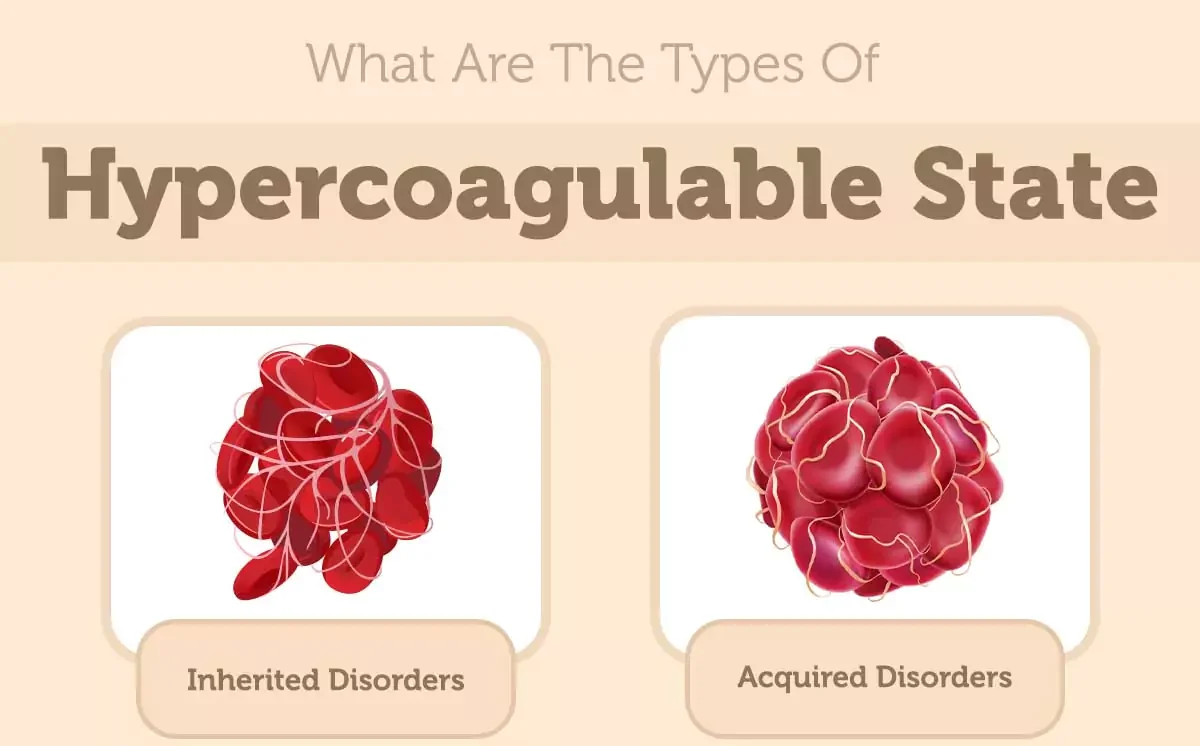
Doctors classify hypercoagulable states into two broad categories. Inherited thrombophilia results from genetic mutations passed down through families, while acquired thrombophilia develops during a person’s lifetime due to illness, medication, or specific circumstances.
Both forms carry genuine clinical consequences. Some individuals carry both inherited and acquired risk factors simultaneously, which compounds their overall clotting risk significantly.
How Widespread Are Hypercoagulable States?
Hypercoagulable states are more common than many people realise. Factor V Leiden, the most frequently diagnosed inherited clotting disorder, affects approximately 5% of people of European descent worldwide.
Antiphospholipid syndrome, a major acquired form, affects a significant proportion of people with autoimmune conditions such as lupus. Overall, excessive blood clotting causes a large share of unexplained clot events seen in hospitals globally every year.
Inherited Causes of Excessive Blood Clotting
Inherited thrombophilias arise from gene mutations that alter specific proteins involved in clotting regulation. These mutations are present from birth and remain active throughout a person’s entire lifetime.
Many people with an inherited clotting tendency never develop dangerous clots. However, their risk rises sharply when additional triggers appear, such as major surgery, pregnancy, or prolonged immobility.
Factor V Leiden Mutation
Factor V Leiden is the most frequently diagnosed cause of inherited excessive blood clotting globally. A gene mutation makes clotting factor V resistant to a natural anticoagulant called activated protein C.
Without this natural check, clot formation continues unchecked longer than it should. People who inherit this mutation from both parents face a substantially higher clotting risk than those who inherit it from only one parent.
Prothrombin Gene Mutation
The prothrombin G20210A mutation is the second most common inherited thrombophilia worldwide. It causes elevated levels of prothrombin, a key protein in the clotting cascade, to accumulate in the bloodstream.
Higher prothrombin levels increase the likelihood of clot formation considerably. This mutation is particularly associated with deep vein thrombosis and clots forming in the veins of the brain.
Protein C, Protein S, and Antithrombin Deficiencies
Protein C, protein S, and antithrombin are natural anticoagulants the body uses to regulate clotting activity. Inherited deficiencies in any of these proteins remove critical brakes from the clotting system.
Antithrombin deficiency, though rare, carries one of the highest clotting risks among all inherited excessive blood clotting causes. These deficiencies often come to clinical attention after a young person experiences an unexplained clot.
Acquired Causes of Excessive Blood Clotting
Acquired hypercoagulable states develop due to external factors rather than genetic predisposition alone. Many common medical conditions and everyday life circumstances can trigger excessive blood clotting in susceptible individuals.
Recognising these acquired risk factors allows doctors to identify patients who need preventive anticoagulation therapy promptly. Early intervention significantly reduces the risk of life-threatening clotting events across many clinical settings.
Antiphospholipid Syndrome
Antiphospholipid syndrome (APS) is the most clinically significant acquired cause of excessive blood clotting. The immune system produces antibodies that mistakenly attack phospholipids, which are fats found on the surface of blood cells and vessel walls.
These antibodies disrupt normal anticoagulant pathways and actively promote thrombosis. APS causes both arterial and venous clots and is a major cause of recurrent pregnancy loss due to clots forming in placental blood vessels.
Cancer as a Clotting Risk Factor
Cancer significantly increases the risk of abnormal blood clotting throughout the body. Tumour cells release procoagulant substances directly into the bloodstream, tipping the clotting balance firmly toward excessive thrombosis.
Venous thromboembolism ranks among the leading causes of death in people with cancer. Pancreatic, lung, and colorectal cancers carry particularly high thrombotic risk compared to other malignancies.
Other Significant Acquired Risk Factors
Several other conditions and circumstances raise clotting risk substantially. Prolonged immobility, major surgery, obesity, dehydration, and the use of combined oral contraceptives all contribute to acquired hypercoagulable states.
Pregnancy creates a naturally hypercoagulable state to protect against excessive bleeding during delivery. However, this same protective mechanism increases the risk of deep vein thrombosis and pulmonary embolism throughout pregnancy and the postpartum period.
How Excessive Blood Clotting Causes Serious Harm
Dangerous clotting most commonly manifests as deep vein thrombosis (DVT) or pulmonary embolism (PE). Together, these form venous thromboembolism, one of the leading causes of preventable hospital deaths worldwide.
DVT occurs when a blood clot forms in a deep vein, most often in the leg. The affected limb typically becomes swollen, red, warm, and painful within hours to days.
The Immediate Danger of Pulmonary Embolism
A pulmonary embolism occurs when a clot breaks free and travels to the lungs. It blocks blood flow through the pulmonary arteries, preventing adequate oxygenation of the blood throughout the body.
Symptoms include sudden breathlessness, sharp chest pain, rapid heart rate, and in severe cases, collapse. Massive pulmonary embolism carries a high mortality rate without immediate specialist treatment.
Arterial Clots, Stroke, and Heart Attack
Hypercoagulable states, particularly antiphospholipid syndrome, can also trigger dangerous arterial clots. These block blood supply to the brain, heart, or limbs, causing stroke, heart attack, or peripheral arterial ischaemia.
Arterial events in young people without conventional cardiovascular risk factors should always prompt investigation for an underlying clotting disorder. Early identification dramatically changes both management strategy and long-term prognosis.
Clotting in Unusual Locations
Some hypercoagulable states cause clots in anatomically unusual sites. These include the mesenteric veins of the abdomen, the hepatic veins, and the cerebral venous sinuses inside the skull.
Clots in the hepatic veins cause Budd-Chiari syndrome, which impairs liver function and can lead to liver failure. Cerebral venous sinus thrombosis presents with severe headache, visual disturbances, and seizures requiring immediate specialist assessment.
Diagnosing Excessive Blood Clotting Disorders
Doctors investigate for thrombophilia when a person experiences clots under unusual circumstances. These include clots at a young age, recurrent clots, clots in unusual locations, or clots accompanied by a strong family history of thrombosis.
Testing for excessive blood clotting causes requires careful clinical timing. Acute clot events, ongoing pregnancy, and anticoagulant therapy all significantly affect laboratory test results.
Blood Tests for Thrombophilia Screening
A thrombophilia screen includes multiple blood tests conducted under specific conditions. Doctors test for factor V Leiden, prothrombin gene mutation, protein C and S levels, antithrombin activity, and antiphospholipid antibodies as part of a comprehensive workup.
Genetic testing identifies inherited mutations with precision. Functional assays measure how effectively natural anticoagulant proteins actually work, rather than simply measuring their quantity in the blood.
Getting the Timing of Testing Right
Doctors ideally perform thrombophilia testing at least three months after an acute clotting event has resolved. Anticoagulant medications interfere with several assays and require careful clinical management before pausing for testing purposes.
Antiphospholipid antibodies require confirmation on two separate occasions at least twelve weeks apart. A single positive result alone does not confirm antiphospholipid syndrome, since transient antibody elevations can follow common viral infections.
Treatment and Prevention of Excessive Blood Clotting
Managing hypercoagulable states centres on preventing dangerous clot formation before it causes irreversible harm. Treatment intensity depends on the specific diagnosis, clotting history, and individual risk factors unique to each patient.
Not everyone with a thrombophilia diagnosis requires ongoing medication. Many people with inherited clotting tendencies receive treatment only during defined high-risk periods such as surgery or pregnancy.
Anticoagulant Medications Explained
Anticoagulants are the cornerstone of excessive blood clotting treatment across all clinical settings. They prevent new clots from forming and stop existing clots from growing, though they do not dissolve clots that have already formed.
Warfarin, a vitamin K antagonist, has been used for decades with established effectiveness. Direct oral anticoagulants (DOACs), including rivaroxaban, apixaban, and dabigatran, offer more predictable dosing and do not require routine blood monitoring for most patients.
How Long Should Anticoagulation Continue?
The duration of anticoagulant therapy depends heavily on whether the clotting trigger was temporary or permanent. A person who clotted after surgery may need anticoagulation for only three to six months following the event.
Someone with antiphospholipid syndrome, recurrent clots, or high-risk inherited thrombophilia often requires lifelong anticoagulation therapy. Every decision involves carefully balancing clot prevention against the real bleeding risks of extended therapy.
Preventive Strategies During High-Risk Periods
Prophylactic anticoagulation during surgery, hospitalisation, and long-haul travel reduces clotting risk meaningfully. Compression stockings improve venous blood flow in the legs and provide valuable additional protection during prolonged immobile periods.
Staying well hydrated, avoiding prolonged sitting, and performing regular leg exercises during long journeys all reduce acquired clotting risk. These practical measures carry particular importance for anyone with a known hypercoagulable state or excessive blood clotting tendency.
Hypercoagulable States During Pregnancy
Pregnancy demands particularly careful management in people with known thrombophilia or excessive blood clotting causes. Both the natural hypercoagulable state of pregnancy and the added risk from thrombophilia require proactive planning from the earliest stages.
Low molecular weight heparin, injected under the skin, is the anticoagulant of choice throughout pregnancy. It does not cross the placenta and carries a well-established safety record for both the pregnant person and the developing baby.
Antiphospholipid Syndrome and Pregnancy Loss
Antiphospholipid syndrome is a major cause of recurrent miscarriage, stillbirth, and placental insufficiency in affected individuals. Clots in the placental blood vessels deprive the developing baby of essential oxygen and nutrients.
Treating APS in pregnancy with low-dose aspirin combined with low molecular weight heparin significantly improves pregnancy outcomes. Specialist obstetric haematology services provide carefully coordinated care for these high-risk pregnancies throughout gestation and beyond.
Managing Postpartum Clotting Risk
The postpartum period, particularly the first six weeks after delivery, carries a significantly elevated clotting risk. Blood volume changes, reduced physical mobility, and recovery from delivery all contribute to this heightened danger.
People with known excessive blood clotting causes typically continue anticoagulation for six weeks after delivery. Close clinical monitoring during this vulnerable period prevents serious clotting events at a critically important time.
Frequently Asked Questions About Hypercoagulable States
What are the most common excessive blood clotting causes?
Factor V Leiden mutation is the most common inherited cause of excessive blood clotting, affecting approximately 5% of people with European ancestry. Among acquired conditions, antiphospholipid syndrome represents the most clinically significant driver of recurrent blood clots. Both conditions require specialist haematology evaluation and carefully tailored individual management strategies to reduce clotting risk effectively.
Can excessive blood clotting disorders be cured permanently?
Inherited clotting disorders cannot be cured because they result from permanent genetic mutations present throughout life. However, effective treatments and targeted preventive strategies significantly reduce the risk of dangerous clotting events over time. Acquired forms, such as those triggered by cancer or specific medications, may resolve fully when doctors successfully identify and eliminate the underlying cause.
Does everyone with thrombophilia need blood thinners?
Not everyone with a confirmed thrombophilia diagnosis requires ongoing anticoagulant medication. Many people with inherited clotting tendencies never experience a dangerous clotting event during their lifetime. Doctors carefully tailor treatment decisions to each individual based on their specific mutation, personal and family clotting history, and current situational risk factors such as upcoming surgery or pregnancy.
How does a clotting disorder increase stroke risk?
Certain hypercoagulable states, particularly antiphospholipid syndrome, significantly raise the risk of arterial clots that cause ischaemic stroke. Unexplained stroke in a young person without conventional cardiovascular risk factors always warrants comprehensive thrombophilia investigation. Identifying an underlying excessive blood clotting cause changes the long-term management approach fundamentally and reduces the risk of further events considerably.
Can lifestyle changes reduce excessive blood clotting risk?
Lifestyle modifications meaningfully reduce clotting risk in people with hypercoagulable states. Staying physically active, maintaining a healthy body weight, avoiding prolonged immobility, staying well hydrated, and not smoking all contribute to lower overall thrombotic risk day to day. These practical measures complement medical therapy effectively but do not replace anticoagulant treatment in higher-risk individuals who need it clinically.
Acting on Excessive Blood Clotting Causes Before Harm Occurs
Hypercoagulable states occupy a critical intersection of genetics, immunity, lifestyle, and environment. Understanding excessive blood clotting causes empowers both patients and clinicians to intervene before clots cause irreversible harm to vital organs.
Modern medicine now offers precise diagnostic tools and highly effective treatments that dramatically reduce the dangers of thrombophilia. From targeted genetic testing to personalised anticoagulation plans, today’s clinical options far exceed what medicine could offer even a decade ago.
Awareness remains the single most powerful first step anyone can take. Anyone with unexplained clots, a strong family history of thrombosis, or recurrent pregnancy loss deserves thorough investigation for excessive blood clotting causes. Acting on that awareness can prevent strokes, protect pregnancies, and save lives that would otherwise be lost unnecessarily.
Disclaimer:
This article is intended for general informational purposes only. It does not constitute medical advice, diagnosis, or treatment. Always consult a qualified healthcare professional for any medical concerns.
References:
1. Blood clots can form in the legs, lungs and other organs, such as the kidneys and spleen.
Observer Voice is the one stop site for National, International news, Sports, Editor’s Choice, Art/culture contents, Quotes and much more. We also cover historical contents. Historical contents includes World History, Indian History, and what happened today. The website also covers Entertainment across the India and World.

