

FSGS: A Leading Cause of Kidney Failure Explained

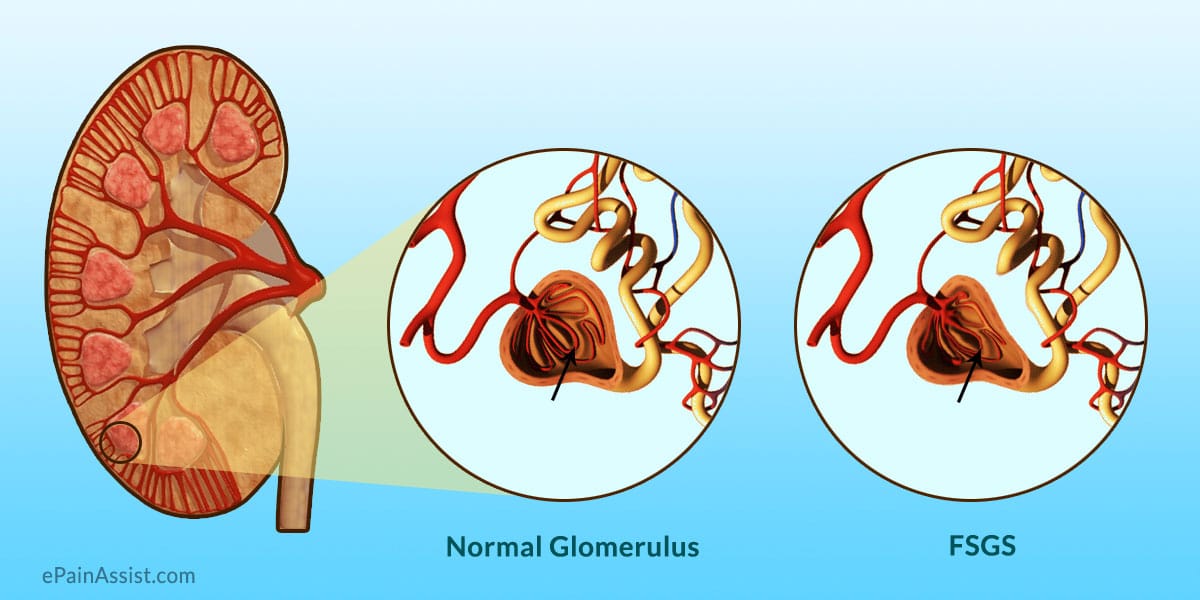
Most people have never heard of focal segmental glomerulosclerosis. Yet it is one of the most common and most serious kidney diseases in the world. It scars the kidney’s own filtering units from within — quietly and progressively — until the kidneys can no longer do their job.
Focal segmental glomerulosclerosis — known as FSGS — is a disease in which patches of scarring develop inside the glomeruli, the tiny filtering structures of the kidneys. Over time, this scarring spreads, destroys healthy kidney tissue, and drives the kidneys toward failure. As a result, FSGS is one of the leading causes of end-stage kidney disease requiring dialysis or transplantation worldwide.
Focal segmental glomerulosclerosis FSGS kidney failure is not a single disease. It is a pattern of injury that can arise from several very different causes. Furthermore, identifying the correct cause behind each case is critical because the treatment approach — and the long-term outlook — differ significantly depending on the underlying mechanism. Understanding FSGS gives patients and families the knowledge they need to ask the right questions and pursue the best possible care.
Quick Answer
Focal segmental glomerulosclerosis — FSGS — is a kidney disease that causes scarring in segments of the kidney’s filtering units, called glomeruli. This scarring destroys healthy kidney tissue, causes heavy protein loss in the urine, and progressively reduces kidney function. FSGS is a leading cause of kidney failure in adults and can recur after kidney transplantation.
What Is Focal Segmental Glomerulosclerosis?
Understanding the Name
The name focal segmental glomerulosclerosis describes exactly what happens in the kidneys. “Focal” means only some glomeruli develop scarring — not all of them. “Segmental” means only part of each affected glomerulus scars — not the whole structure. “Glomerulo” refers to the glomerulus — the kidney’s filtering unit. “Sclerosis” means scarring or hardening of tissue.
Together, these four words describe a patchy pattern of scarring that begins in isolated areas of the kidney. However, this patchiness is deceptive. Over time, the scarring spreads to more glomeruli and more segments. Consequently, what begins as focal damage eventually progresses to widespread destruction of kidney filtering capacity if the disease goes untreated.
How FSGS Damages the Kidney
At the cellular level, FSGS begins with damage to podocytes — specialised cells that wrap around the outside of the glomerular capillaries with tiny finger-like projections called foot processes. These foot processes interlock to form a critical part of the kidney’s protein barrier. Consequently, when podocytes are injured, the barrier breaks down and large amounts of protein — particularly albumin — leak through into the urine.
Podocytes have a very limited ability to regenerate after injury. Therefore, when they die or detach from the glomerular membrane, the damaged area collapses and scars. Moreover, the loss of podocytes in one area increases the filtration burden on remaining healthy glomeruli — accelerating their damage in turn. This creates a self-reinforcing cycle of injury that drives progressive kidney failure over time.
For a detailed explanation of how protein in the urine signals kidney filter damage, see our article on nephrotic syndrome and what protein in the urine actually tells you.
Types and Causes of FSGS
Primary FSGS
Primary FSGS — also called idiopathic FSGS — arises from an immune-mediated attack on podocytes without an identifiable underlying disease. Researchers believe a circulating permeability factor — a substance produced by the immune system — directly injures podocytes and triggers the scarring process. However, the exact identity of this permeability factor remains under active investigation.
Primary FSGS typically presents with heavy proteinuria — often reaching the nephrotic range. It affects adults more than children and shows no strong gender or racial preference in its primary form. Furthermore, primary FSGS is the form most likely to recur after kidney transplantation — occurring in roughly 20 to 40% of transplant recipients. This recurrence is strongly linked to the circulating permeability factor, which persists in the blood even after the diseased kidneys are replaced.
Secondary FSGS
Secondary FSGS develops as a consequence of another condition that increases the workload or stress on the glomeruli. Unlike primary FSGS, secondary FSGS does not involve immune-mediated podocyte attack. Instead, it arises from sustained hyperfiltration — a state in which fewer nephrons must work harder than normal to compensate for a reduced total kidney mass. As a result, the surviving glomeruli dilate, generate high internal pressures, and develop scarring over time.
Common causes of secondary FSGS include obesity — where excess body mass demands increased kidney filtration — chronic hypertension, reduced kidney mass from congenital abnormality or prior kidney loss, sickle cell disease, and chronic vesicoureteral reflux. In addition, heroin use has historically been linked to a specific form of secondary FSGS. Moreover, some infections — particularly HIV — cause a distinct and aggressive form called HIV-associated nephropathy, which produces a collapsing variant of FSGS.
Genetic FSGS
Genetic FSGS results from inherited mutations affecting the structural proteins of the podocyte or glomerular basement membrane. Mutations in genes including NPHS1, NPHS2, WT1, and TRPC6 all disrupt the normal architecture of the podocyte foot processes and the filtration barrier. Consequently, genetic FSGS tends to present earlier in life — often in childhood or early adulthood — and is typically resistant to immunosuppressive treatment because the underlying problem is structural rather than immune-driven.
Genetic testing is therefore increasingly important in young patients with FSGS, in patients who fail to respond to standard treatment, and in potential living kidney donors from families with a history of kidney disease. Furthermore, identifying a genetic cause prevents patients from receiving harmful immunosuppressive treatment that will not benefit them.
Symptoms of FSGS
The Nephrotic Presentation
Focal segmental glomerulosclerosis FSGS kidney failure most commonly presents with features of nephrotic syndrome. Heavy proteinuria is the hallmark — patients may lose several grams of protein in the urine each day. As albumin levels in the blood fall as a result, widespread swelling develops — typically starting around the eyes in the morning and progressing to the legs, ankles, and abdomen.
Foamy or frothy urine is a common early symptom that reflects the large amount of protein entering the urine. Many patients also notice fatigue, reduced urine output, and unexplained weight gain from fluid retention. High cholesterol levels develop as the liver responds to falling albumin by producing more lipoproteins. For a full explanation of how these symptoms arise, see our article on nephrotic syndrome and what protein in the urine actually tells you.
Progressive Kidney Decline
Unlike minimal change disease — which usually responds well to steroids — FSGS often follows a more stubborn and progressive course. Blood pressure rises as kidney function falls. Fatigue worsens as waste products accumulate in the blood. Moreover, some patients develop features of both nephrotic and nephritic patterns simultaneously — with blood in the urine appearing alongside heavy proteinuria.
In many patients, kidney function declines slowly but steadily over years. However, in some — particularly those with the collapsing variant of FSGS — the decline is rapid and severe. Consequently, recognising FSGS early and beginning treatment promptly gives the kidneys the best possible chance of preserving function for as long as possible. For context on how kidney function is measured and staged, see our article on chronic kidney disease stages, symptoms, and how to slow the decline.
How Doctors Diagnose FSGS
Urine and Blood Tests
Diagnosing focal segmental glomerulosclerosis FSGS kidney failure starts with urine and blood tests. Urine dipstick testing reveals heavy protein. A spot urine protein-to-creatinine ratio quantifies the exact amount of protein loss. Blood tests measure serum albumin — which is typically low in nephrotic-range FSGS — serum creatinine, and eGFR to assess current kidney function. In addition, cholesterol levels are measured and a full blood count, blood sugar, and HIV test are performed to screen for secondary causes.
Furthermore, testing for genetic mutations is increasingly offered — particularly in children, young adults, and patients with a family history of kidney disease or steroid-resistant FSGS. Identifying a genetic mutation directly influences treatment decisions and spares patients from ineffective immunosuppressive therapy.
Kidney Biopsy
Kidney biopsy is essential for confirming the diagnosis of FSGS. It provides tissue for light microscopy, immunofluorescence, and electron microscopy — the three analytical methods needed to identify the specific variant of FSGS and the pattern of podocyte injury. Furthermore, the biopsy distinguishes FSGS from other causes of nephrotic syndrome — particularly minimal change disease, which looks similar clinically but responds very differently to treatment.
The biopsy also identifies the specific histological variant of FSGS — including tip lesion, cellular, perihilar, collapsing, and not-otherwise-specified variants. Consequently, the variant identified on biopsy provides important prognostic information about the likely rate of progression and the probability of treatment response. The collapsing variant, for example, carries the most aggressive course and the poorest prognosis.
Treatment of FSGS
Immunosuppressive Treatment for Primary FSGS
Treatment of focal segmental glomerulosclerosis FSGS kidney failure depends critically on whether the disease is primary, secondary, or genetic. Primary FSGS is treated with immunosuppressive therapy aimed at protecting the remaining podocytes and reducing proteinuria. High-dose corticosteroids — typically prednisolone — form the first-line treatment. However, FSGS is significantly less steroid-responsive than minimal change disease. Only roughly 30 to 40% of patients with primary FSGS achieve complete remission with steroids alone.
For steroid-resistant primary FSGS, calcineurin inhibitors — such as cyclosporine or tacrolimus — are the next line of treatment. These drugs reduce podocyte injury through both immunosuppressive and direct podocyte-stabilising mechanisms. Furthermore, mycophenolate mofetil and rituximab are used in selected patients who fail calcineurin inhibitors or who develop serious steroid side effects. Consequently, the treatment of resistant FSGS often requires sequential trials of multiple immunosuppressive agents under close specialist supervision.
Emerging Targeted Therapies
New targeted therapies are transforming the treatment landscape for FSGS. Sparsentan — a dual endothelin and angiotensin receptor antagonist — has demonstrated significant reduction in proteinuria in FSGS clinical trials and recently received regulatory approval in some countries. In addition, SGLT2 inhibitors — originally developed as diabetes medications — have shown meaningful kidney-protective effects in patients with proteinuric kidney disease including FSGS.
Furthermore, several novel therapies targeting the specific molecular pathways driving podocyte injury are in advanced clinical trials. Consequently, the treatment options for FSGS are expanding more rapidly than at any previous time in the history of this disease.
Managing Secondary and Genetic FSGS
Secondary FSGS does not benefit from immunosuppressive treatment because the damage is structural rather than immune-driven. Instead, treatment focuses on removing or reducing the underlying cause of hyperfiltration. ACE inhibitors and ARBs reduce intraglomerular pressure and proteinuria in all forms of FSGS and are recommended for every patient regardless of blood pressure. Weight loss in obesity-related FSGS significantly reduces proteinuria and slows progression. Moreover, tight blood pressure control, dietary sodium restriction, and SGLT2 inhibitors support kidney protection across all secondary causes.
Genetic FSGS similarly does not respond to immunosuppression. Management focuses on supportive measures — particularly blood pressure control, proteinuria reduction with ACE inhibitors or ARBs, and close monitoring of kidney function. For broader context on how genetic kidney diseases progress and are managed, see our article on polycystic kidney disease — the genetic condition that fills kidneys with cysts.
Living With FSGS
Long-Term Monitoring and Lifestyle
FSGS requires lifelong monitoring because the disease can relapse, progress, or recur after transplantation. Regular follow-up with a specialist kidney team tracks urine protein levels, kidney function, blood pressure, and cholesterol at frequent intervals. Moreover, early detection of relapse — defined as a return of heavy proteinuria — allows prompt treatment before significant new scarring develops.
Lifestyle adjustments support long-term kidney health in people with FSGS. A low-sodium diet reduces blood pressure and fluid retention. Maintaining a healthy weight reduces hyperfiltration stress on remaining nephrons — an especially important measure in obesity-related secondary FSGS. Regular moderate exercise supports cardiovascular health, which is significantly compromised by the elevated cholesterol and blood pressure that accompany FSGS. Furthermore, avoiding nephrotoxic substances — particularly NSAIDs and contrast agents — protects already-vulnerable kidney tissue from additional harm.
Preparing for Kidney Replacement Therapy
For patients progressing toward kidney failure, early planning for renal replacement therapy improves outcomes. As explained in our article on chronic kidney disease stages, symptoms, and how to slow the decline, preparation should begin well before kidney function reaches critical levels. Kidney transplantation is the preferred option for eligible patients with FSGS-related kidney failure. However, the significant risk of disease recurrence in the transplanted kidney requires careful pre-transplant discussion and post-transplant monitoring. Consequently, patients with primary FSGS and a history of rapid progression or steroid resistance need particularly close surveillance after transplantation.
Furthermore, understanding how systemic conditions affect organ health broadly is important for FSGS patients managing multiple comorbidities. For context on liver conditions that can coexist with kidney disease in complex patients, see our article on primary biliary cirrhosis bile duct damage from the inside out.
When to Seek Urgent Medical Help
Seek medical attention promptly if you notice foamy or frothy urine, significant and unexplained swelling around the eyes or ankles, or a sudden and substantial reduction in urine output. These symptoms may signal active nephrotic syndrome caused by FSGS or another glomerular disease requiring urgent evaluation.
Furthermore, any person with known FSGS who develops rapidly worsening proteinuria, rising blood pressure, or accelerating decline in kidney function needs urgent specialist review. Consequently, prompt reporting of symptom changes to your kidney team — rather than waiting for a routine appointment — can prevent avoidable and irreversible kidney damage.
Frequently Asked Questions
1. Is FSGS always caused by the immune system?
No. FSGS has several different causes. Primary FSGS likely involves immune-mediated podocyte damage. Secondary FSGS results from physical stress on the glomeruli caused by conditions like obesity, hypertension, or reduced kidney mass. Genetic FSGS results from inherited mutations affecting podocyte structure. Therefore, identifying the specific type is essential before choosing a treatment, since immunosuppressive therapy only benefits primary FSGS.
2. How is FSGS different from minimal change disease?
Both conditions cause heavy protein loss in the urine and nephrotic syndrome. However, minimal change disease shows no scarring on kidney biopsy and responds well to steroids in the majority of patients. FSGS, in contrast, shows definite scarring on biopsy and is significantly more resistant to treatment. Furthermore, FSGS carries a much higher risk of progressive kidney failure than minimal change disease. Consequently, biopsy is essential for distinguishing between them.
3. Can FSGS be cured?
There is currently no cure for FSGS. However, treatment can achieve complete or partial remission in some patients — particularly those with primary FSGS who respond to immunosuppressive therapy. Moreover, new targeted therapies including sparsentan and SGLT2 inhibitors are improving outcomes. Consequently, achieving and maintaining remission significantly reduces the risk of progression to kidney failure, even if the disease is not fully eliminated.
4. Does FSGS always come back after a kidney transplant?
Not always, but recurrence is a significant risk — particularly in primary FSGS, where it affects roughly 20 to 40% of transplant recipients. Recurrence is driven by the circulating permeability factor that persists after transplantation. Consequently, patients with primary FSGS and rapid progression to kidney failure before transplantation face the highest recurrence risk and require intensive post-transplant monitoring and early treatment if proteinuria reappears.
5. Can children develop FSGS?
Yes. FSGS occurs in children as well as adults. In children, genetic FSGS is a particularly important cause — especially in cases that do not respond to steroid treatment. Furthermore, genetic testing is increasingly recommended for children with steroid-resistant nephrotic syndrome to identify those with inherited podocyte mutations. Consequently, treatment approaches in children with FSGS are increasingly guided by genetic findings rather than response to empirical steroid therapy alone.
References
- Vascular Dementia causes progressive cognitive decline and other symptoms depending on stroke location and severity.
- Scientific evidence supports the notion that obesity can accelerate the progression of chronic kidney disease.
- The 19th century was a golden age for mirror craftsmanship.
- September 2025 WHO announced Amended International Health Regulations enter into force.
Disclaimer
This article is for informational purposes only and does not constitute medical advice. It is not a substitute for professional diagnosis, treatment, or guidance from a licensed healthcare provider. If you have symptoms of focal segmental glomerulosclerosis or any other medical condition, please consult a qualified doctor promptly. Always follow the advice of your healthcare team for your individual health needs.
Observer Voice is the one stop site for National, International news, Sports, Editor’s Choice, Art/culture contents, Quotes and much more. We also cover historical contents. Historical contents includes World History, Indian History, and what happened today. The website also covers Entertainment across the India and World.

