

Leiomyosarcoma: What You Need to Know About This Smooth Muscle Cancer

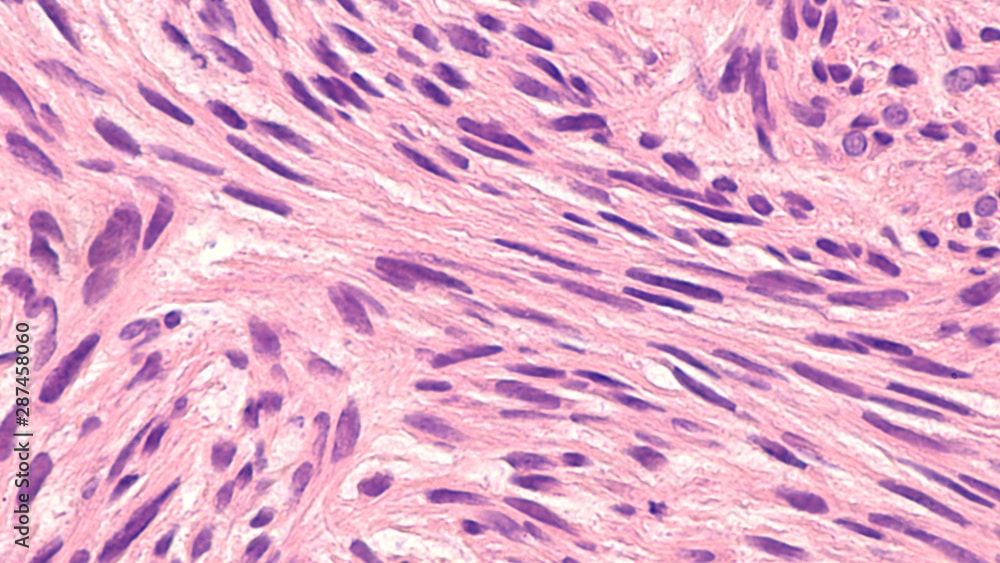
When 54-year-old Maria experienced increasingly heavy menstrual bleeding and pelvic pressure over six months, her gynecologist suspected fibroids—extremely common benign uterine tumors affecting 70-80% of women by age 50. But when ultrasound showed a 9cm rapidly growing uterine mass and MRI revealed concerning features (irregular borders, central necrosis), biopsy delivered devastating news: uterine leiomyosarcoma, a rare malignant tumor arising from the smooth muscle lining her uterus. “The oncologist explained that unlike fibroids—benign smooth muscle tumors—leiomyosarcoma is cancer,” Maria recalled. “It looks almost identical to fibroids on imaging, grows in the same location, but behaves completely differently—aggressive, metastasizes lungs, has poor prognosis.” Leiomyosarcoma is a rare and aggressive type of soft tissue sarcoma. Leiomyosarcoma grows in the smooth muscles. These muscles are located in the body’s hollow organs, including the blood vessels, intestines, stomach, bladder and uterus. Leiomyosarcoma, a common subtype of soft tissue sarcoma, accounts for up to 10% to 20% of all sarcomas. Originating from either smooth muscle cells or their mesenchymal cell precursors, leiomyosarcoma primarily occurs in the retroperitoneum, uterus, and extremities, in descending order of frequency. Understanding why smooth muscle—the involuntary muscle controlling organs we cannot consciously control—transforms into aggressive cancer preferentially affecting middle-aged women, and why leiomyosarcomas resist chemotherapy better than most sarcomas yet show subtype-specific drug sensitivities, reveals both diagnostic challenges and treatment complexities demanding multidisciplinary expertise. PubMed CentralCity of Hope
What Is Smooth Muscle and Where Does Leiomyosarcoma Arise?
Smooth muscle: involuntary muscle tissue throughout body—brain has no conscious control. Contracts/relaxes automatically in response to hormones, nerve signals, stretching. Found in: Hollow organs: gastrointestinal tract (esophagus, stomach, small intestine, colon)—controls peristalsis moving food, uterus (myometrium)—contracts during labor, bladder—controls urination, blood vessels (tunica media layer)—regulates blood pressure, diameter. Respiratory tract: bronchi, bronchioles—controls airway diameter. Eyes: iris, ciliary body—controls pupil dilation, lens accommodation. Skin: arrector pili muscles—causes goosebumps. Microscopic structure: spindle-shaped cells (elongated, tapered ends), single central nucleus, smooth appearance (no striations—distinguishes from skeletal muscle’s striated bands), and organized into sheets, bundles within organ walls. Leiomyosarcoma and leiomyoma occur in the smooth muscles of the body. But one key distinction differentiates the two conditions: leiomyomas are benign (non-cancerous) fibroid growths that may or may not spread to other parts of the body, and they may cause pain and other symptoms that require treatment, while leiomyosarcomas are a form of cancer that may spread much more frequently and may compromise life. According to the National Cancer Institute, leiomyosarcoma accounts for approximately 10 to 20 percent of soft tissue sarcoma cases. Soft tissue sarcomas account for 1 percent of cancers diagnosed in adult patients, and leiomyosarcomas account for 7 to 11 percent of those cases. Leiomyosarcoma: malignant transformation of smooth muscle cells or mesenchymal precursors differentiating toward smooth muscle lineage. Tumor cells resemble smooth muscle microscopically—spindle-shaped, eosinophilic (pink) cytoplasm—but exhibit nuclear atypia (irregular nuclei), increased mitoses (dividing cells), necrosis (dead tissue). Location distribution: Leiomyosarcoma primarily occurs in the retroperitoneum, uterus, and extremities, in descending order of frequency. The most common site of involvement of leiomyosarcoma is the retroperitoneum, accounting for approximately 50% of occurrences. Women are affected more than men (2:1), with the disease typically occurring in the 5th and 6th decades of life. This gender distribution may reflect the proliferation of smooth muscle that can occur in response to estrogen. Uterus (30-40% of all leiomyosarcomas): arises from myometrium (smooth muscle layer). Most common gynecologic sarcoma. Retroperitoneum (40-50%): deep abdominal cavity—arises from smooth muscle blood vessels (inferior vena cava most common), retroperitoneal soft tissues. Gastrointestinal tract (10-15%): stomach, small intestine, colon—arises from muscularis propria (smooth muscle layer intestinal wall). Extremities (<10%): soft tissue thigh, upper arm—thought arising from smooth muscle cells lining small blood vessels. Other sites (<5%): skin (cutaneous/subcutaneous—arrector pili muscles), major blood vessels (pulmonary arteries, peripheral arteries), bladder, kidney. The uterus dilemma: distinguishing uterine leiomyosarcoma (malignant) from leiomyoma/fibroids (benign) challenging—both smooth muscle tumors, similar location/appearance. Fibroids extremely common (70-80% women by menopause) versus leiomyosarcoma rare (<1% uterine smooth muscle tumors). Incidence: United States approximately 1,500-2,000 new leiomyosarcoma cases annually (all sites combined), comprises 10-20% of all soft tissue sarcomas, 1-2 cases per 100,000 population yearly. Age: peak incidence 50-60 years (median 55-60), rare younger adults <40 years (<15% of cases), and extremely rare children/adolescents. Gender: female predominance 2:1 overall (driven by uterine cases). Non-uterine leiomyosarcoma slight male predominance or equal. Cleveland Clinic + 3
Symptoms: Location-Dependent Presentations
Symptoms of leiomyosarcoma vary depending on where the cancer forms in the body and how far it’s progressed. It’s not uncommon for patients to have no symptoms in the early stages and only become symptomatic as the tumor begins to grow. Uterine leiomyosarcoma (30-40% of cases): The most common symptom is abnormal bleeding from the vagina and the uterus. Postmenopausal bleeding is an important factor that may indicate a uterine leiomyosarcoma. Additional symptoms may occur including pressure or pain affecting the pelvis or stomach, abnormal vaginal discharge, and a change in bladder or bowel habits. Uterine leiomyosarcoma is an uncommon disease that arises from the smooth muscles present in the uterus. It usually occurs in post-menopausal women. Due to its aggressive nature, it has a very poor prognosis. Abnormal uterine bleeding (80-90%)—most common symptom: heavy menstrual bleeding (menorrhagia)—soaking pads/tampons hourly, bleeding lasting >7 days, postmenopausal bleeding (any vaginal bleeding after menopause—red flag), and intermenstrual bleeding (bleeding between periods). Pelvic pain/pressure (50-60%): dull, aching lower abdominal/pelvic pain, sensation of pelvic fullness, pressure on bladder (urinary frequency, urgency), and pressure on rectum (constipation, difficult bowel movements). Palpable abdominal/pelvic mass (30-40%): enlarged uterus felt during examination—mimics fibroids. Rapidly enlarging uterus in postmenopausal woman concerning (fibroids typically shrink after menopause). Weight loss, fatigue (advanced disease). The fibroid mimicry: uterine leiomyosarcoma indistinguishable from fibroids clinically/imaging until biopsy. Only 0.1-0.5% of presumed fibroids turn out leiomyosarcoma. But rapidly growing mass postmenopausal woman, central necrosis MRI, irregular borders—concerning features. Cleveland Clinic + 2
Retroperitoneal leiomyosarcoma (40-50% of cases): In the case of retroperitoneal tumors, presenting signs and symptoms can include an abdominal mass, pain, swelling, weight loss, nausea or vomiting. Vague, nonspecific symptoms—often very large (10-30cm) before symptomatic: abdominal distension/fullness (most common)—progressive abdominal swelling, early satiety (stomach compression)—feel full after small meals, abdominal/back pain (dull, aching), weight loss (tumor cachexia, appetite suppression), nausea, vomiting (gastrointestinal compression), lower extremity swelling (vena cava compression→edema), and urinary symptoms (ureteral compression→hydronephrosis). Palpable abdominal mass (50-60%)—firm, fixed, often massive. Many retroperitoneal leiomyosarcomas discovered incidentally imaging for other reasons (trauma CT, kidney stone evaluation). NCBI
Gastrointestinal leiomyosarcoma: gastrointestinal bleeding (melena, hematemesis)—tumor ulcerates into intestinal lumen, abdominal pain, early satiety, palpable mass, obstruction (if large intraluminal mass), and perforation (rare—tumor erodes through bowel wall causing peritonitis). Extremity leiomyosarcoma: painless, slowly enlarging deep soft tissue mass—thigh, upper arm. Firm consistency, subfascial location (beneath muscle covering). Months to years growth before evaluation. Vascular leiomyosarcoma (inferior vena cava most common): abdominal mass, lower extremity swelling (bilateral—vena cava obstruction), Budd-Chiari syndrome (hepatic vein obstruction→liver congestion, ascites), and pulmonary embolism (tumor thrombus extends into heart→breaks off). Constitutional symptoms (20-30%—advanced disease): fatigue, fever, night sweats, weight loss.
Diagnosis: Imaging to Histology to Grading
Any concerning symptoms—postmenopausal uterine bleeding, rapidly enlarging uterine mass, retroperitoneal mass, GI bleeding with mass—requires investigation. Imaging: Ultrasound (initial uterine masses): transvaginal ultrasound shows uterine mass but cannot distinguish fibroid versus leiomyosarcoma reliably. MRI (preferred uterine/retroperitoneal masses): gold standard characterizing soft tissue tumors. T1-weighted: intermediate signal (muscle intensity). T2-weighted: variable signal (depending myxoid content, necrosis). Contrast enhancement—heterogeneous enhancement, central necrosis (concerning malignancy). Features suggesting leiomyosarcoma versus fibroid: irregular borders (versus smooth circumscribed fibroid), central necrosis/hemorrhage, invasion adjacent structures, and rapid interval growth. CT scan (retroperitoneal/GI masses): defines tumor size, relationship organs, vessels. Lung metastasis screening (chest CT)—15-25% metastatic at diagnosis. PET/CT: leiomyosarcomas variably FDG-avid—high-grade tumors light up intensely, low-grade variable uptake. Biopsy (diagnostic): Uterine: endometrial biopsy often non-diagnostic (tumor deep in myometrium). Hysteroscopy-guided biopsy, dilation and curettage may sample tumor. Definitive diagnosis often surgical—hysterectomy specimen pathology. Retroperitoneal/GI/extremity: core needle biopsy (image-guided) or endoscopic biopsy (GI). Adequate tissue for histology, immunohistochemistry. Pathology evaluation: histology—interlacing fascicles spindle cells (smooth muscle morphology), eosinophilic cytoplasm, cigar-shaped nuclei. High-grade: nuclear atypia, brisk mitoses (>5-10 per 10 high-power fields), coagulative necrosis. Immunohistochemistry: smooth muscle actin (SMA) positive, desmin positive (muscle markers), h-caldesmon positive (specific smooth muscle), CD117/KIT negative (distinguishes from GIST), S100 negative (distinguishes from nerve sheath tumors). Grading (critical prognostic factor): French Federation (FNCLCC) system—grades 1-3 based differentiation, mitotic count, necrosis. Grade 1 (low-grade—rare leiomyosarcoma): well-differentiated, few mitoses (<10 per 10 HPF), <50% necrosis. Five-year survival 60-75%. Grade 2 (intermediate): moderately differentiated, moderate mitoses (10-20 per 10 HPF), variable necrosis. Five-year survival 40-55%. Grade 3 (high-grade—most common): poorly differentiated, numerous mitoses (>20 per 10 HPF), >50% necrosis. Five-year survival 25-40%. Most leiomyosarcomas grade 2-3 at diagnosis—inherently aggressive biology.
Treatment: Surgery Foundation, Chemotherapy Challenges
Surgery cornerstone localized disease: Uterine leiomyosarcoma: total abdominal hysterectomy with bilateral salpingo-oophorectomy (removes uterus, cervix, fallopian tubes, ovaries). Staging laparotomy—inspect/palpate peritoneum, omentum, diaphragm for metastases. Morcellation contraindicated—power morcellation (mincing tissue for removal through small incisions) spreads tumor cells if leiomyosarcoma unsuspectedly present. En bloc removal intact specimen essential. Role adjuvant radiation: controversial—pelvic radiation may reduce local recurrence 10-15% but no survival benefit proven. Some centers use high-risk cases (large size >5cm, close margins), others don’t. Role adjuvant chemotherapy: also controversial—no proven survival benefit randomized trials. Some centers offer doxorubicin-based chemotherapy high-risk patients (grade 3, large size), others reserve for recurrence. Prognosis: The five-year survival for uterine leiomyosarcoma patients is between 25 and 76%, with survival rates approaching 10–15% for patients with metastatic disease at the initial diagnosis. Uterine leiomyosarcoma is the most common subtype of uterine sarcomas. They have a poor prognosis with high rates of recurrence and metastasis. Localized uterine leiomyosarcoma stage I (confined uterus): 50-76% 5-year survival. Stage II-III (local/regional spread): 25-40% 5-year survival. Stage IV (distant metastases): 10-15% 5-year survival. Recurrence common 50-70% even after complete resection—usually within 2-3 years. Lungs most common metastatic site (70-80% of metastases). UCSF Department of SurgeryPubMed Central
Retroperitoneal leiomyosarcoma: wide surgical resection with negative margins. Often requires multi-visceral resection (kidney, colon, pancreas tail if adherent). En bloc removal. Local recurrence 30-50% despite R0 (negative margin) resection—wide margins difficult retroperitoneum. Radiation: preoperative (50-54 Gy) or postoperative (60-66 Gy) may improve local control but benefit unclear. Chemotherapy: no proven adjuvant benefit. Reserved metastatic disease. Extremity leiomyosarcoma: wide resection 1-2cm margins. Limb-sparing 80-90%. Adjuvant radiation standard reducing local recurrence. GI/vascular leiomyosarcoma: surgical resection when feasible.
Chemotherapy metastatic/unresectable disease: Leiomyosarcoma demonstrates moderate sensitivity to chemotherapy, with uterine leiomyosarcoma being more responsive compared to other anatomical sites. In the first-line setting, doxorubicin or gemcitabine based regimens are commonly used. Doxorubicin, gemcitabine, and gemcitabine plus docetaxel are treatment options in women with inoperable, locally advanced, recurrent, or metastatic uterine leiomyosarcoma as first- or second-line therapy. First-line options: Overall, doxorubicin-based combinations—particularly doxorubicin–trabectedin followed by maintenance therapy, and when feasible, surgery—were associated with improved survival outcomes, but at the cost of higher toxicity. In contrast, gemcitabine–docetaxel showed more limited and less durable benefit. The combination of trabectedin and doxorubicin with selective trabectedin maintenance significantly improved overall survival vs doxorubicin alone in patients with metastatic or surgically unresectable uterine or soft-tissue leiomyosarcoma. Median overall survival was 33 months vs 24 months. Median progression-free survival was 12 months in the trabectedin/doxorubicin group vs 6 months in the doxorubicin group. Doxorubicin + trabectedin (new standard): phase III LMS04 trial 2024—doxorubicin 60 mg/m² + trabectedin 1.1 mg/m² every 3 weeks × 6 cycles, then trabectedin maintenance up to 17 cycles. Median OS 33 months versus 24 months doxorubicin alone (9-month survival benefit). Median PFS 12 months versus 6 months. But higher toxicity—grade 3-4 neutropenia 80%, febrile neutropenia 15%, fatigue, nausea. Requires growth factor support. Doxorubicin alone: 75 mg/m² every 3 weeks—standard decades. Response rate 20-25%, median OS 12-15 months, median PFS 4-6 months. Less toxic than combination but less effective. Gemcitabine + docetaxel: gemcitabine 900 mg/m² days 1, 8 + docetaxel 100 mg/m² day 8 every 3 weeks. Response rate 25-35% (numerically higher than doxorubicin but never proven superior head-to-head). For gemcitabine and docetaxel versus doxorubicin, there were no significant differences in median progression free survival (5.5 versus 5.3 months) or overall survival (14.5 versus 16.3 months), and objective response rates were similar (20% versus 19%). Median OS 14-18 months comparable doxorubicin. Often used first-line especially if anthracycline contraindicated (cardiac disease). Toxicity: myelosuppression, peripheral neuropathy, fluid retention. Second-line options: trabectedin (if not used first-line)—1.5 mg/m² 24-hour infusion every 3 weeks. Response rate 10-15%, median PFS 3-4 months. Dacarbazine—response rate 10-15%. Pazopanib (tyrosine kinase inhibitor)—minimal responses but progression-free survival benefit 3-4 months versus placebo. Eribulin—microtubule inhibitor, response rate 10-15%. Median survival metastatic leiomyosarcoma (all sites, first-line chemotherapy): The median PFS for the entire cohort was 4.9 months, and the median OS was 27.3 months. Overall approximately 12-18 months first-line, 18-33 months with newer doxorubicin/trabectedin combination. Subset oligometastatic (few resectable lung nodules) achieve longer survival with metastasectomy + chemotherapy—30-40% long-term survivors. Unresectable extensive metastases—palliative chemotherapy, median survival 12-24 months. clinicaltrials + 5
Prognosis: Grade, Size, Location Critical Factors
Five-year survival overall: approximately 40-50% all stages combined. Stage-specific: localized disease (50-60% at diagnosis)—50-65% 5-year survival if completely resected (location/grade-dependent). Regional spread (15-20%)—30-40% 5-year survival. Distant metastases (25-30% at diagnosis)—10-25% 5-year survival. Prognostic factors beyond stage: Grade: most powerful predictor. Grade 1: 60-75% 5-year survival. Grade 2: 40-55%. Grade 3: 25-40%. Size: <5cm better than >10cm. Location: extremity better (60-70% 5-year survival) than retroperitoneal (40-50%) or uterine (25-50%). Retroperitoneal leiomyosarcomas larger at diagnosis, difficult margins, high local recurrence. Uterine inherently aggressive—high metastatic rate even early stage. Margins: negative (R0) versus positive (R1/R2) dramatically affects local recurrence, survival. Positive margins→50-70% local recurrence versus 20-30% negative margins. Age: younger (<50 years) better than older (>65 years). Recurrence patterns: local recurrence 30-50% (location/margin-dependent), typically within 2-3 years. Distant metastases 40-60% high-grade tumors—lungs (70-80%), liver (20-30%), bone (10-15%). Median time to metastases 12-24 months.
Surveillance and Long-Term Monitoring
Post-treatment surveillance: Years 1-2 (highest recurrence risk): chest CT every 3-4 months (lung metastasis screening), MRI/CT primary site every 3-6 months (local recurrence—especially retroperitoneal), and physical exam every 3 months. Years 3-5: chest CT every 6 months, primary site imaging every 6-12 months, exam every 6 months. Beyond 5 years: annual chest CT, annual exam. Uterine/retroperitoneal leiomyosarcoma require lifelong surveillance—late recurrences 5-10+ years not uncommon. Recurrence management: local recurrence—re-resection if feasible (retroperitoneal often requires multiple surgeries over lifetime). Metastases—chemotherapy (doxorubicin/trabectedin, gemcitabine/docetaxel), consider metastasectomy if oligometastatic (few resectable lung nodules—30-40% achieve long-term disease-free survival).
Frequently Asked Questions
Q1: I’m 56 and started postmenopausal bleeding after 3 years without periods. My ultrasound shows a 7cm uterine mass. How worried should I be about leiomyosarcoma versus fibroids?
Postmenopausal bleeding always requires investigation but leiomyosarcoma remains rare even with concerning features. Realistic perspective: fibroids (benign leiomyomas) occur 70-80% women by menopause versus leiomyosarcoma <1 per 1,000 uterine smooth muscle tumors. Among postmenopausal women with uterine masses, 99%+ are fibroids. But leiomyosarcoma diagnostic possibility requiring exclusion. Red flags increasing leiomyosarcoma suspicion: postmenopausal bleeding (any vaginal bleeding after menopause concerning—fibroids typically cause bleeding premenopausal), rapidly growing mass (fibroids usually shrink postmenopause due estrogen decline; growth postmenopause suspicious), size >5cm (larger masses higher malignancy risk though many fibroids large), and MRI concerning features (irregular borders, central necrosis, heterogeneous enhancement, high T2 signal). Your case: postmenopausal bleeding + 7cm mass warrants thorough evaluation but don’t assume cancer. Next steps: MRI pelvis with contrast if not done—characterizes mass better than ultrasound. Benign fibroids: smooth, circumscribed borders, homogeneous signal, minimal central changes. Leiomyosarcoma: irregular borders, central necrosis/hemorrhage, heterogeneous enhancement. Endometrial biopsy: samples uterine lining ruling out endometrial cancer (more common cause postmenopausal bleeding). But usually doesn’t sample deep myometrial mass. CA-125 blood test: tumor marker—elevated leiomyosarcoma/ovarian cancer but also elevated benign conditions (fibroids, endometriosis). Non-specific. Surgical management: if MRI suspicious or indeterminate → hysterectomy removing intact uterus (no morcellation). Definitive diagnosis via surgical pathology examining entire specimen. If MRI clearly benign fibroid characteristics + bleeding controlled with medication → conservative management possible with close surveillance (repeat imaging 3-6 months confirming stability). Risk stratification: postmenopausal woman with 7cm uterine mass + bleeding—leiomyosarcoma risk approximately 1-5% (still low but not negligible). Higher if additional risk factors (rapidly growing, concerning MRI). Most common scenario: benign fibroids causing atypical postmenopausal bleeding due hormone fluctuations. But given bleeding + mass, surgical consultation appropriate.
Q2: My retroperitoneal leiomyosarcoma was completely removed with negative margins. Why does my surgeon say I need lifelong surveillance when I’m supposedly “cured”?
Complete surgical resection (R0—negative microscopic margins) best possible outcome retroperitoneal leiomyosarcoma but doesn’t guarantee cure—local recurrence rates 30-50% even optimal surgery plus late recurrences possible decade+ later. The retroperitoneal challenge: achieving adequate surgical margins retroperitoneum anatomically difficult. Wide margins (1-2cm normal tissue surrounding tumor—standard extremity sarcomas) requires removing/sacrificing vital structures (kidneys, ureters, major vessels, pancreas). Surgeons perform “compartmental resection”—removes tumor en bloc with adherent organs (kidney, colon if involved), achieves R0 (no tumor cells microscopically at inked margin). But margins often close (<5mm)—tumor pushed against structures rather than wide cuff. Microscopic disease extending into surrounding retroperitoneal fat beyond resection margin common. Tumor biology: leiomyosarcomas inherently aggressive—grade 2-3 most cases, high mitotic rates, propensity hematogenous (blood) spread. Even localized retroperitoneal leiomyosarcoma completely resected has: local recurrence risk 30-50% (median time 18-36 months but range 6 months to 15+ years), distant metastases risk 25-40% (lungs primarily—70-80% of metastases), and overall 5-year survival 40-50% (location-dependent). Your specific surveillance: intensive first 2-3 years when recurrence risk highest: chest CT every 3 months years 1-2, every 6 months years 3-5, annually thereafter (lifelong)—lung metastasis screening. Leiomyosarcomas metastasize lungs preferentially. Early detection oligometastatic disease (few lung nodules) allows metastasectomy—30-40% salvage rate. Abdominal/pelvic CT or MRI every 3-6 months years 1-3, every 6-12 months years 4-5, annually thereafter (lifelong)—local recurrence surveillance. Retroperitoneal recurrences often large before symptomatic. Physical exam every 3 months years 1-2, every 6 months years 3-5, annually thereafter. Palpate abdomen for masses. Why lifelong? Late recurrences documented 10-15+ years post-resection—not common but possible. Surveillance intensity decreases after 5 years (annual rather than every 3-6 months) but never stops. If recurrence detected: local recurrence—re-resection if feasible (many retroperitoneal leiomyosarcoma patients undergo 2-3 surgeries over lifetime for recurrences). Chemotherapy adjunct. Lung metastases—metastasectomy if oligometastatic (completely resectable), chemotherapy if unresectable. Realistic expectations: “cured” difficult declaring retroperitoneal leiomyosarcoma—chronic disease requiring lifelong vigilance. Many patients live 10-15+ years with multiple recurrences/metastasectomies/chemotherapy courses. Quality life between recurrences often excellent.
Q3: What’s the difference between doxorubicin alone, gemcitabine/docetaxel, and the newer doxorubicin/trabectedin combination for metastatic leiomyosarcoma?
Three first-line chemotherapy options exist metastatic leiomyosarcoma—recent data favors doxorubicin/trabectedin combination but with tradeoffs. Doxorubicin alone (traditional standard 30+ years): dose 75 mg/m² every 3 weeks up to 6 cycles (cumulative 450 mg/m² maximum—cardiac toxicity limit). Response rate 20-25%, median progression-free survival 4-6 months, median overall survival 12-15 months. Toxicity: bone marrow suppression (anemia, neutropenia, thrombocytopenia), nausea/vomiting, alopecia (hair loss), and cumulative cardiotoxicity (congestive heart failure risk increases doses >450-550 mg/m²—requires lifelong cardiac monitoring echocardiogram). Advantages: single-agent, well-tolerated short-term, decades experience. Disadvantages: modest efficacy, limited by cardiac dose ceiling. Gemcitabine + docetaxel: gemcitabine 900 mg/m² days 1, 8 + docetaxel 100 mg/m² day 8 every 3 weeks. For gemcitabine and docetaxel versus doxorubicin, there were no significant differences in median progression free survival (5.5 versus 5.3 months) or overall survival (14.5 versus 16.3 months), and objective response rates were similar (20% versus 19%). Response rate 25-35% (numerically higher doxorubicin but never proven statistically superior), median PFS 5-6 months (similar doxorubicin), median OS 14-18 months (similar doxorubicin). Toxicity: myelosuppression (requires G-CSF growth factor support), peripheral neuropathy (cumulative—numbness/tingling hands/feet, can be permanent), fluid retention, fatigue. Advantages: no cardiac toxicity limit (can continue beyond 6 cycles if responding/tolerating), numerically higher response rates. Disadvantages: two-drug regimen (more toxicity), neuropathy debilitating some patients. Doxorubicin + trabectedin (new standard 2024): The combination of trabectedin and doxorubicin with selective trabectedin maintenance significantly improved overall survival vs doxorubicin alone. Median overall survival was 33 months vs 24 months. Median progression-free survival was 12 months in the trabectedin/doxorubicin group vs 6 months in the doxorubicin group. Regimen: doxorubicin 60 mg/m² + trabectedin 1.1 mg/m² day 1 every 3 weeks × 6 cycles (induction), then trabectedin 1.1 mg/m² maintenance every 3 weeks up to 17 additional cycles (total ~1 year treatment). Survival benefit: median OS 33 months (versus 24 months doxorubicin alone)—9-month improvement. Median PFS 12 months (versus 6 months)—doubling progression-free interval. Landmark 2-year PFS: 30% versus 3% (doxorubicin alone). Substantial subset long-term disease control. Toxicity: significantly higher than single-agent—grade 3-4 neutropenia 80%, febrile neutropenia 15%, transaminase elevation 60% (liver enzyme spikes—require monitoring, dose adjustments), fatigue, nausea. Requires routine G-CSF support, close monitoring. Treatment delays/dose reductions common. Advantages: proven survival benefit (first regimen showing OS improvement leiomyosarcoma), doubling PFS, prolonged disease control subset patients. Disadvantages: significantly more toxic, requires intensive monitoring/support, trabectedin expensive, maintenance phase burdensome (1 year treatment). Which to choose? Fit patients seeking maximum efficacy: doxorubicin/trabectedin first-line (accept higher toxicity for survival benefit). Patients with cardiac contraindications (prior anthracyclines, heart disease): gemcitabine/docetaxel. Elderly/frail patients prioritizing quality of life: single-agent doxorubicin or gemcitabine alone (less toxic). Patients progressing on first-line: second-line trabectedin (if not used first-line), pazopanib, eribulin, dacarbazine. Clinical trial enrollment encouraged—leiomyosarcoma desperately needs better therapies. PubMednih
Q4: Can uterine leiomyosarcoma be detected before hysterectomy or does it only get diagnosed after surgery?
Preoperative diagnosis challenging but increasingly possible with modern imaging and growing awareness. Historical reality: 60-70% uterine leiomyosarcomas diagnosed post-hysterectomy—patient underwent surgery for presumed benign fibroids, pathology surprised everyone with malignancy. Concerning given power morcellation (mincing tissue laparoscopic removal)—if leiomyosarcoma morcellated, seeds tumor throughout abdomen/pelvis causing peritoneal carcinomatosis, upstaging disease, worsening prognosis. 2014 FDA warning restricted morcellation due this risk. Modern diagnostic approach: Clinical suspicion raised by: postmenopausal vaginal bleeding (fibroids rarely bleed after menopause), rapidly enlarging uterine mass (growth >20% volume over 6 months), elevated LDH (lactate dehydrogenase—nonspecific but elevated many leiomyosarcomas), and resistance to medical fibroid management (GnRH agonists shrink fibroids but ineffective leiomyosarcoma). MRI pelvis with contrast (most valuable): features favoring leiomyosarcoma over fibroids: irregular/spiculated borders (versus smooth), central necrosis/hemorrhage (dark T1, bright T2 signal centrally), heterogeneous enhancement after contrast, high T2 signal (>bright muscle), invasion adjacent structures (bladder, bowel), and rapid interval growth serial imaging. MRI features 70-80% accurate distinguishing but overlap exists—some fibroids have atypical features, some leiomyosarcomas appear benign-looking. PET/CT: leiomyosarcomas typically FDG-avid (high SUV 8-15+) versus fibroids low uptake (SUV <3). Useful adjunct but not definitive. Endometrial biopsy/D&C: samples endometrium ruling out endometrial cancer but usually doesn’t reach deep myometrial leiomyosarcoma. Diagnostic yield <20%. Core needle biopsy (image-guided): increasingly used suspicious masses—ultrasound or CT-guided core biopsy myometrial mass. Diagnostic accuracy 60-70%. Risks: bleeding, infection, seeding biopsy tract (theoretical). Reserved highly suspicious cases. Intraoperative frozen section: if hysterectomy performed for presumed fibroids, suspicious appearance intraoperatively (necrotic, hemorrhagic, invading serosa) → frozen section biopsy. If positive leiomyosarcoma, proceed intact uterus removal (no morcellation), surgical staging (omentectomy, peritoneal washings). Accuracy frozen section 80-90%. Reality: preoperative definitive diagnosis remains elusive most cases. Combination high clinical suspicion (postmenopausal bleeding, rapid growth) + concerning MRI features (irregular borders, necrosis, high T2) → surgeon plans open hysterectomy (no morcellation), intact specimen removal, intraoperative frozen section if concerning. Post-operative pathology provides definitive diagnosis. Then staging/treatment planning. Take-home: if you’re postmenopausal with new bleeding and uterine mass, insist on MRI before any surgery. If MRI suspicious, demand open approach (no morcellation) with surgical staging capabilities. Power morcellation acceptable only clearly benign-appearing masses younger premenopausal women.
Q5: Why don’t leiomyosarcomas respond better to chemotherapy when they seem somewhat chemosensitive compared to other sarcomas?
Leiomyosarcomas show “moderate” chemosensitivity—better than well-differentiated liposarcoma/chondrosarcoma (essentially chemoresistant) but worse than Ewing sarcoma/rhabdomyosarcoma (highly chemosensitive). Understanding why reveals biological differences dictating treatment approach. Chemotherapy response rates leiomyosarcoma: first-line doxorubicin-based regimens 20-35% response (versus 5-10% well-differentiated liposarcoma, 70-80% Ewing sarcoma). Median progression-free survival 5-12 months (versus 2-3 months chemoresistant sarcomas, 12-18+ months chemosensitive). Responses typically partial, short-lived (months not years). Biological factors limiting chemosensitivity: Slow proliferation rate: leiomyosarcomas intermediate proliferation—mitotic indices 10-30 mitoses per 10 HPF (versus Ewing sarcoma >50 mitoses per 10 HPF). Chemotherapy targets rapidly dividing cells. Slower division = less chemotherapy impact. Complex karyotype: leiomyosarcomas have complex chromosomal alterations—multiple gains/losses, no single driver mutation targetable like CML (BCR-ABL), GIST (KIT). Chromosomal chaos confers resistance—multiple survival pathways, heterogeneity within tumor. P53 pathway inactivation: 50-70% leiomyosarcomas have TP53 mutations, RB1 loss—inactivating key tumor suppressors mediating chemotherapy-induced apoptosis. Cells can’t undergo programmed death even with DNA damage. DNA repair proficiency: leiomyosarcomas retain functional DNA repair machinery (unlike some chemosensitive tumors with DNA repair defects). Efficiently repair chemotherapy-induced DNA damage—limits cytotoxic effect. Tumor microenvironment: dense desmoplastic stroma (collagen-rich) surrounds tumor cells—physical barrier limiting drug penetration. Hypoxic regions within tumor less accessible to chemotherapy. ABC transporter expression: leiomyosarcomas express multidrug resistance proteins (MDR1/P-glycoprotein)—efflux pumps expelling chemotherapy drugs from cells before cytotoxic damage occurs. Why some leiomyosarcomas respond better? Uterine leiomyosarcomas more chemosensitive than non-uterine (retroperitoneal, GI)—reasons unclear, possibly hormonal influences, different biology. Response rates uterine 30-40% versus 15-25% non-uterine. High-grade (grade 3) more chemosensitive than low-grade—faster proliferation, more dividing cells targeted. Younger patients (<50 years) respond better than elderly—better tolerating intensive regimens, less comorbidities. Research directions improving chemosensitivity: targeting DNA damage response pathways (PARP inhibitors—investigational leiomyosarcoma), overcoming MDR (drug efflux pump inhibitors), immunotherapy combinations (checkpoint inhibitors + chemotherapy—limited activity to date but ongoing trials), and targeted therapies (CDK4/6 inhibitors, PI3K/mTOR inhibitors—modest activity phase I/II trials). Current reality: chemotherapy palliative not curative metastatic leiomyosarcoma. Extends survival 12-24 months, controls symptoms, shrinks tumors temporarily. But essentially all patients eventually progress. Surgical metastasectomy (oligometastatic lung disease) offers only curative option subset—30-40% long-term disease-free survival completely resecting limited metastases. Hope: newer combination doxorubicin/trabectedin showing survival benefit (33 months median OS)—first regimen improving outcomes decades. Incremental progress but leiomyosarcoma remains formidable challenge.
Disclaimer
This article adapts publicly available information from reputable cancer research organizations and medical databases. This content is for informational and educational purposes only and does not constitute medical advice. ObserverVoice.com is a news and information platform — not a healthcare provider. Decisions about leiomyosarcoma screening, diagnosis, and treatment should be made in consultation with qualified physicians, gynecologic oncologists, surgical oncologists, and sarcoma specialists who can evaluate your individual symptoms, imaging findings, tumor grade, and health status. If you have postmenopausal bleeding, a growing uterine or abdominal mass, or any concerning symptoms, please consult with your healthcare team promptly.
References
- Cleveland Clinic. Leiomyosarcoma: Symptoms, Treatment & Prognosis. https://my.clevelandclinic.org/health/diseases/22059-leiomyosarcoma
- StatPearls. Leiomyosarcoma. https://www.ncbi.nlm.nih.gov/books/NBK551667/
- PMC. Comprehensive Review of Uterine Leiomyosarcoma: Pathogenesis, Diagnosis, Prognosis, and Targeted Therapy. https://pmc.ncbi.nlm.nih.gov/articles/PMC11240800/
- PMC. First-Line Chemotherapy Regimens for Advanced and Metastatic Leiomyosarcoma. https://www.ncbi.nlm.nih.gov/pmc/articles/PMC12838646/
- The ASCO Post. Survival Outcomes With Addition of Trabectedin to Docetaxel in Leiomyosarcoma. https://ascopost.com/news/september-2024/survival-outcomes-with-addition-of-trabectedin-to-docetaxel-in-leiomyosarcoma/
Observer Voice is the one stop site for National, International news, Sports, Editor’s Choice, Art/culture contents, Quotes and much more. We also cover historical contents. Historical contents includes World History, Indian History, and what happened today. The website also covers Entertainment across the India and World.
Follow Us on Twitter, Instagram, Facebook, & LinkedIn

