

US Stock Market Update: Dow Jones Falls 250 Points, S&P 500 Declines Amid Iran War Developments

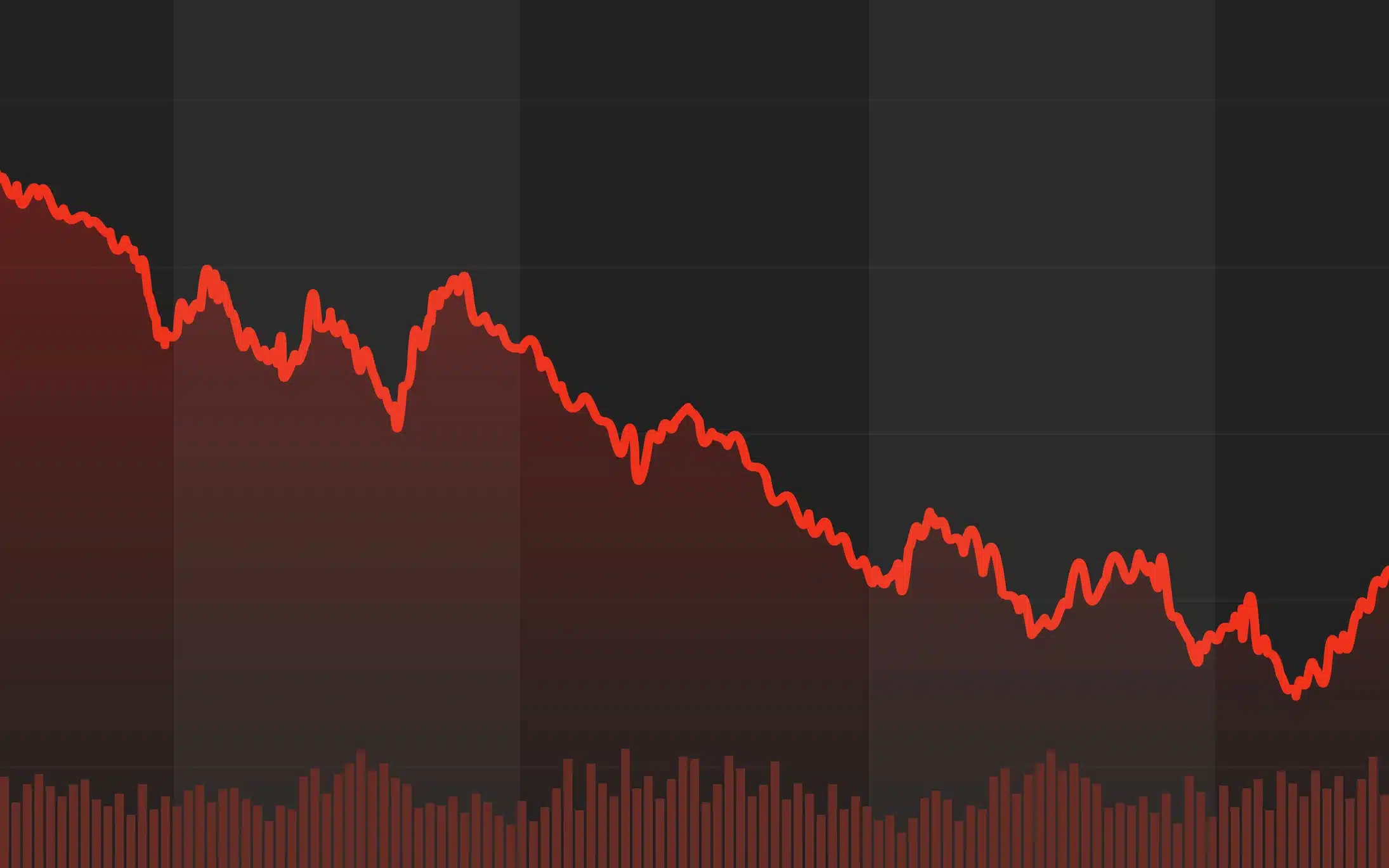
US stocks experienced a slight decline on Tuesday as investors navigated the uncertainty surrounding the ongoing conflict in the Middle East, particularly the war involving Iran. The S&P 500 fell by 0.4%, while the Dow Jones Industrial Average dropped approximately 250 points, or 0.5%, by mid-morning. The Nasdaq Composite also saw a minor decrease of 0.1%, reflecting a cautious sentiment on Wall Street. Market participants are closely monitoring developments in the region, especially the impact on oil prices and global energy supplies.
Market Reactions to Geopolitical Tensions
The ongoing conflict in the Middle East has created significant volatility in oil prices, which has become a focal point for financial markets. As of Tuesday morning, Brent crude, the international benchmark, was trading at $91.47 per barrel, marking a 7.6% decrease from the previous day’s settlement. Meanwhile, US benchmark crude was priced around $87.49 per barrel. This decline follows a surge on Monday when oil prices reached nearly $120 per barrel, the highest since 2022. The fluctuations in oil prices have raised concerns about the stability of global energy supplies, prompting investors to remain vigilant.
The volatility in the oil market was influenced by comments from former President Donald Trump, who suggested in an interview that the war might be nearing its conclusion. His remarks sparked optimism that oil flows from the Middle East could soon return to normal. However, subsequent statements from Trump were less conclusive, and tensions escalated as Iran’s Revolutionary Guard indicated that the country would determine the war’s end. This uncertainty has left investors seeking clearer signals regarding the conflict’s duration and potential escalation.
Oil Prices and Economic Implications
Market analysts are expressing concerns about the uncertain outlook for oil prices. Hakan Kaya, a senior portfolio manager at Neuberger Berman, described the situation as “binary,” indicating that the future of oil prices hinges on whether the Strait of Hormuz remains open. This critical shipping route is vital for global oil transport, with about one-fifth of the world’s oil passing through it daily. Kaya emphasized that if the strait remains closed, it could lead to unprecedented supply disruptions.
Historically, US equities have shown resilience following geopolitical conflicts, provided that energy prices do not remain elevated for extended periods. However, sustained high oil prices could strain household budgets already affected by inflation and increase operational costs for businesses. The potential for rising fuel, transportation, and logistics expenses poses a significant risk to economic stability.
Global Market Trends Amid Oil Fluctuations
Despite the challenges in the US stock market, global markets reacted positively to the easing of oil prices earlier in the day. Stock markets in Asia and Europe saw gains, with South Korea’s Kospi rising by 5.3%, Hong Kong’s Hang Seng increasing by 2.2%, and France’s CAC 40 climbing by 1.5%. Japan’s Nikkei 225 also advanced by 2.9% after revised data indicated stronger-than-expected economic growth in the final quarter of the previous year, bolstered by robust business investment.
In the bond market, the yield on the 10-year US Treasury remained steady at 4.12%, unchanged from the previous day. This stability in bond yields suggests that investors are cautiously optimistic about the broader economic outlook, even as they remain alert to the potential impacts of geopolitical tensions and fluctuating oil prices on market dynamics.
Observer Voice is the one stop site for National, International news, Sports, Editor’s Choice, Art/culture contents, Quotes and much more. We also cover historical contents. Historical contents includes World History, Indian History, and what happened today. The website also covers Entertainment across the India and World.

