

In vitro diagnostics: Tests outside the body detecting diseases and infections
In vitro diagnostics: Tests detecting disease crucial for treatment

Dr. Sarah Ndlovu (Harare, Zimbabwe) will never forget the young mother who died in her clinic in 2017. Mercy, 28 years old, brought her feverish infant for treatment. The baby had malaria—that much was obvious from symptoms. But which strain? Which drug would work? Without proper diagnostic testing, Dr. Ndlovu had to guess.
“I prescribed the standard antimalarial medication based on my clinical judgment,” Dr. Ndlovu recalled, her voice heavy with regret. “But Mercy’s baby had drug-resistant malaria. The medication I prescribed was ineffective. By the time we realized the treatment wasn’t working and tried a different drug, it was too late. The baby died three days later.”
That tragedy wasn’t caused by lack of medical knowledge or inadequate medicines. It was caused by lack of proper diagnostic testing. Had Dr. Ndlovu’s rural clinic possessed a rapid diagnostic test for drug-resistant malaria, she could have identified the specific strain within minutes and prescribed the correct medication immediately. The baby would likely have survived.
“That child died because I was practicing medicine blind,” Dr. Ndlovu explained. “I had my eyes, my hands, my stethoscope, my clinical experience. But I didn’t have the diagnostic tools I needed to identify precisely what was killing that baby. I was guessing—educated guessing, but still guessing. And I guessed wrong.”
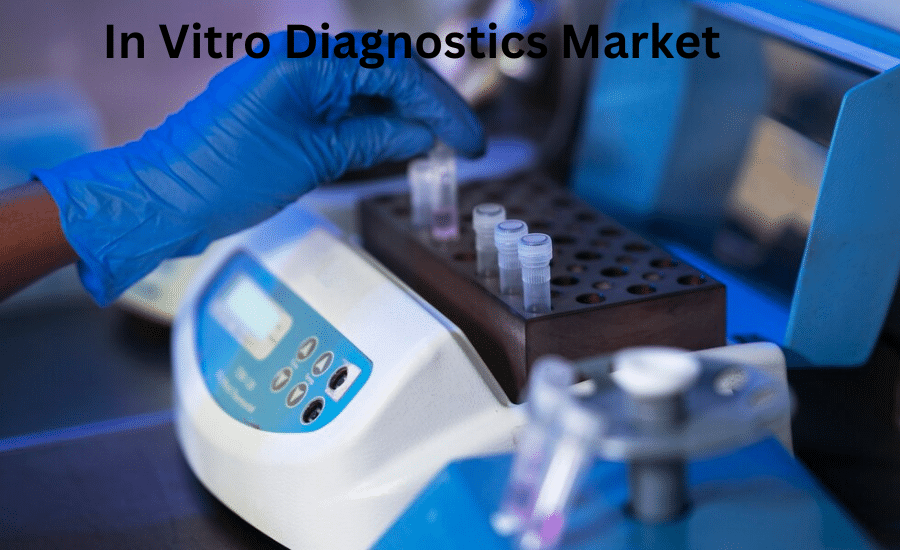
According to WHO, In vitro diagnostics (IVDs) are tests that can detect disease, conditions and infections. In vitro simply means ‘in glass’, meaning these tests are typically conducted in test tubes and similar equipment, as opposed to in vivo tests, which are conducted in the body itself. In vitro tests may be done in laboratories, health care facilities or even in the home. The tests themselves can be performed on a variety of instruments ranging from small, handheld tests to complex laboratory instruments. They allow doctors to diagnose patients effectively and work to provide appropriate treatments.
For more on medical technologies, see our articles on medical devices and laboratory testing at ObserverVoice.com.
Critical Role and Diagnostic Gap
Diagnosis is a driver of patient, financial and health systems impact, and a critical enabler of universal health coverage, but it is also the weakest link in the care cascade. This is especially true in primary healthcare settings in low- and middle-income countries. These countries often lack an integrated network of laboratories used for such diagnosis; however, broad set of IVDs is available for testing patients in the primary care setting where laboratories are not available.
Over 40,000 products are available today for in vitro diagnostic testing, covering a wide range of conditions. These include traditional laboratory-based tests, with samples being sent to a central laboratory for analysis, and point-of-care tests, which can be performed near, or at, the point of patient care. Point-of-care testing can help optimize treatment decision-making, avoid referrals, improve the efficiency of care and decrease costs, especially in resource-constrained settings where laboratory infrastructure is weak.
Diagnostic tests are increasingly important around the world as a first defence against the spread of many diseases. The fight against tuberculosis, for example, replies on modern diagnostics as a prerequisite for the early, rapid and accurate detection of the disease and changes in drug resistance used in its treatment. In vitro diagnostics are also the first line of defence against the possibility of the re-emergence of eradicated diseases. Smallpox, for example, is unlikely to reappear; however, WHO maintains a network of partnerships around the world dedicated to the rapid diagnosis and containment of any potential cases.
Related topics include Biologicals, Blood products, Blood transfusion safety, Diagnostics, Medical devices, Medicines, and Vaccines and immunization. For more on health technologies, see our article on essential medical equipment at ObserverVoice.com.
WHO’s Comprehensive Response
Access to good quality, affordable, and appropriate health products is indispensable to advance universal health coverage, address health emergencies, and promote healthier populations – the three strategic priorities of the World Health Organization (WHO) Thirteenth General Programme of Work 2019–2023. To ensure the quality of diagnosis for priority diseases, the WHO prequalification team evaluates the safety and performance of a number of diagnostic tests according to international standards. Tests found to meet the required criteria are listed on a public web site and eligible for procurement by UN and international procurement agencies. Countries may also use the prequalification list to purchase diagnostics. WHO provides WHO list of prequalified in vitro diagnostic products.
The WHO procurement service for in vitro diagnostics was established in 1990 to facilitate Member States’ access to high quality HIV test kits at a reasonable cost. Over the years, the service has expanded to include diagnostics for HIV/AIDS, malaria, hepatitis B and hepatitis C, as well as basic laboratory consumables and equipment. The WHO also develops and updates the WHO Model List of Essential in vitro Diagnostics (EDL), a list of recommended in vitro diagnostic tests (IVDs) for point of care in the community and for laboratory, that should be available in every country. The EDL provides guidance based on the latest evidence, to countries for creating or updating their national lists of essential IVDs. WHO provides Electronic WHO Model List of Essential In Vitro Diagnostics.
WHO established Strategic Advisory Group of Experts on In Vitro Diagnostics to guide policy. WHO’s Regulation and Prequalification team, Health product and policy standards team, Selection, access and use of in vitro diagnostics unit, and Quality assurance of in vitro diagnostics team coordinate global efforts.
Recent Initiatives and Publications
May 2025 WHO announced sublicensing agreement for rapid diagnostic test technology with Medicines Patent Pool. April 2024 WHO announced Global deployment of rapid diagnostic tests to boost fight against cholera. October 2023 WHO released new list of essential diagnostics with new recommendations for hepatitis E virus tests and personal use glucose meters. September 2020 WHO announced Global partnership to make available 120 million affordable, quality COVID-19 rapid tests for low- and middle-income countries.
February 2023 WHO published Target product profile for readers of rapid diagnostic tests noting that lateral-flow rapid diagnostic tests continue to play vital role in global health. October 2023 WHO published The selection and use of essential in vitro diagnostics: report of the fourth meeting of the WHO Strategic Advisory Group of Experts on In Vitro Diagnostics, 2022. July 2021 WHO published Selection of essential in vitro diagnostics at country level providing guidance on developing national lists. June 2021 WHO published Guidance for post-market surveillance and market surveillance of medical devices, including in vitro diagnostics.
World Health Assembly passed WHA76.5 on Strengthening diagnostics capacity, WHA75(25) on Standardization of medical devices nomenclature, WHA67.20 on Regulatory system strengthening for medical products, and WHA63.12 on Availability, safety and quality of blood products.
Dr. Ndlovu’s clinic today looks dramatically different from 2017. Partnering with WHO and international donors, Zimbabwe’s rural health program equipped primary care facilities with essential point-of-care diagnostic tests. Dr. Ndlovu’s clinic now has rapid tests for malaria (including drug resistance), HIV, tuberculosis, hepatitis, and common bacterial infections.
“These tests transformed my practice. I went from practicing medicine blind to practicing evidence-based medicine,” Dr. Ndlovu explained. “When a feverish child arrives, I can test for malaria within five minutes. I can identify drug resistance within ten minutes. I can prescribe the correct treatment immediately. These rapid diagnostic tests cost pennies, require no laboratory infrastructure, need minimal training, and provide accurate results at the point of care.”
“But the impact goes beyond individual patients. Proper diagnostics enable disease surveillance. When we identify cases of drug-resistant malaria, tuberculosis, or other diseases, we report them to national health authorities. This data informs public health policy, guides treatment protocols, and helps contain outbreaks,” Dr. Ndlovu continued.
“WHO’s Essential Diagnostics List provides the roadmap for countries like Zimbabwe to prioritize which tests to deploy. The prequalification system ensures we’re buying quality products that actually work. The procurement service helps us access affordable diagnostics. These aren’t abstract policies—they’re practical tools that save lives daily in clinics like mine,” Dr. Ndlovu emphasized.
“Every child saved because we diagnosed their infection accurately is a testament to the power of in vitro diagnostics. Every outbreak contained because we detected it early is evidence of diagnostics’ public health value. Diagnosis isn’t just the first step to effective treatment—it’s the foundation of the entire healthcare system. Without accurate diagnosis, even the best medicines and most skilled doctors are working blind. WHO’s leadership on diagnostic access is closing that gap, one test at a time.”
For more information, visit WHO’s in vitro diagnostics topic page or explore related content at ObserverVoice.com.
Frequently Asked Questions (FAQs)
In vitro diagnostics (IVDs) are tests that can detect disease, conditions and infections. In vitro simply means ‘in glass’, meaning these tests are typically conducted in test tubes and similar equipment, as opposed to in vivo tests, which are conducted in body itself. In vitro tests may be done in laboratories, health care facilities or even in home. Tests themselves can be performed on variety of instruments ranging from small, handheld tests to complex laboratory instruments. They allow doctors to diagnose patients effectively and work to provide appropriate treatments. Over 40,000 products are available today for in vitro diagnostic testing, covering wide range of conditions. These include traditional laboratory-based tests, with samples being sent to central laboratory for analysis, and point-of-care tests, which can be performed near, or at, point of patient care. Point-of-care testing can help optimize treatment decision-making, avoid referrals, improve efficiency of care and decrease costs. WHO provides WHO list of prequalified in vitro diagnostic products. Related: Diagnostics, Medical devices.
Diagnosis is driver of patient, financial and health systems impact, and critical enabler of universal health coverage, but it is also weakest link in care cascade. This is especially true in primary healthcare settings in low- and middle-income countries. These countries often lack integrated network of laboratories used for such diagnosis; however, broad set of IVDs is available for testing patients in primary care setting where laboratories are not available. Diagnostic tests are increasingly important around world as first defence against spread of many diseases. Fight against tuberculosis, for example, relies on modern diagnostics as prerequisite for early, rapid and accurate detection of disease and changes in drug resistance used in its treatment. In vitro diagnostics are also first line of defence against possibility of re-emergence of eradicated diseases. April 2024 WHO announced Global deployment of rapid diagnostic tests to boost fight against cholera. Related: Blood products, Blood transfusion safety.
WHO develops and updates WHO Model List of Essential in vitro Diagnostics (EDL), list of recommended in vitro diagnostic tests (IVDs) for point of care in community and for laboratory, that should be available in every country. EDL provides guidance based on latest evidence, to countries for creating or updating their national lists of essential IVDs. WHO provides Electronic WHO Model List of Essential In Vitro Diagnostics. October 2023 WHO released new list of essential diagnostics with new recommendations. July 2021 WHO published Selection of essential in vitro diagnostics at country level providing guidance on developing national lists. October 2023 WHO published The selection and use of essential in vitro diagnostics: report of fourth meeting. WHO established Strategic Advisory Group of Experts on In Vitro Diagnostics. Related: Medicines, Vaccines and immunization.
Access to good quality, affordable, and appropriate health products is indispensable to advance universal health coverage. To ensure quality of diagnosis for priority diseases, WHO prequalification team evaluates safety and performance of number of diagnostic tests according to international standards. Tests found to meet required criteria are listed on public web site and eligible for procurement by UN and international procurement agencies. Countries may also use prequalification list to purchase diagnostics. WHO provides WHO list of prequalified in vitro diagnostic products. WHO procurement service for in vitro diagnostics was established in 1990 to facilitate Member States’ access to high quality HIV test kits at reasonable cost. Over years, service has expanded to include diagnostics for HIV/AIDS, malaria, hepatitis B and hepatitis C, as well as basic laboratory consumables and equipment. May 2025 WHO announced sublicensing agreement for rapid diagnostic test technology. WHO’s Regulation and Prequalification team coordinates efforts.
February 2023 WHO published Target product profile for readers of rapid diagnostic tests noting that lateral-flow rapid diagnostic tests continue to play vital role in global health. October 2023 WHO published Selection and use of essential in vitro diagnostics: report of fourth meeting of WHO Strategic Advisory Group. July 2021 WHO published Selection of essential in vitro diagnostics at country level providing guidance on developing national lists. June 2021 WHO published Guidance for post-market surveillance and market surveillance of medical devices, including in vitro diagnostics. September 2020 WHO announced Global partnership to make available 120 million affordable COVID-19 rapid tests. WHA passed WHA76.5 on Strengthening diagnostics capacity, WHA67.20 on Regulatory system strengthening for medical products. WHO’s Health product and policy standards team, Selection, access and use of in vitro diagnostics unit coordinate efforts. Related: Biologicals.
- WHO In Vitro Diagnostics Topic Page
- WHO List of Prequalified In Vitro Diagnostic Products
- Electronic WHO Model List of Essential In Vitro Diagnostics
- WHO Strategic Advisory Group of Experts on IVDs
- WHO Regulation and Prequalification
Disclaimer: This article is an adaptation of publicly available information from WHO’s In vitro diagnostics
health topic page (WHO, Geneva. Licence: CC BYNC-SA 3.0 IGO). WHO is not responsible for the
content or accuracy of this adaptation. This content is for informational and educational purposes
only and does not constitute medical advice. ObserverVoice.com is a news and information platform
— not a healthcare provider.
Observer Voice is the one stop site for National, International news, Sports, Editor’s Choice, Art/culture contents, Quotes and much more. We also cover historical contents. Historical contents includes World History, Indian History, and what happened today. The website also covers Entertainment across the India and World.

