

Commerce Secretary Highlights Impact of Concessional Duty

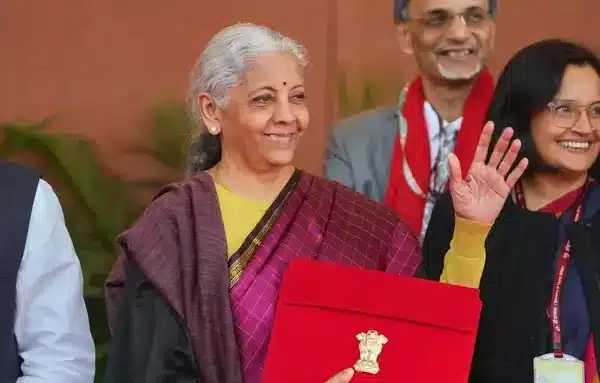
The Indian government has unveiled a significant proposal in the FY27 budget aimed at Special Economic Zones (SEZs), allowing these units to sell goods in the domestic market at reduced import duty rates. Commerce Secretary Rajesh Agrawal emphasized that this initiative is expected to enhance import substitution and create job opportunities. Detailed operational guidelines for this measure are set to be released within the next few months, addressing long-standing demands from SEZ units that have struggled with high import duties and fluctuating global demand.
New Opportunities for SEZ Units
The recent budget announcement introduces a one-time measure permitting SEZ manufacturing units to sell their products in the domestic tariff area (DTA) at concessional import duty rates. This decision comes as a response to the challenges faced by SEZ units, which have been unable to sell excess production domestically due to prohibitive import duties on various labor-intensive sectors. Agrawal stated that this initiative will not only facilitate import substitution but also foster job creation, providing a more equitable environment for DTA firms in comparison to SEZs.
The proposal is expected to significantly benefit several sectors, including leather, textiles, and engineering goods, which currently grapple with high import duties in India. By allowing domestic buyers to source goods from SEZ units, the government aims to reduce reliance on imports from third countries, thereby strengthening local industries and enhancing economic resilience.
Regulatory Framework and Limitations
To ensure fair competition, the government plans to implement regulatory changes that will govern the operationalization of this measure. Agrawal clarified that while SEZ units will be allowed to sell a portion of their production in the DTA, strict limits will be imposed to protect DTA industries from potential adverse impacts. The quantity of goods sold domestically will be restricted to a specified proportion of exports, ensuring that SEZ units cannot completely divert their production to the local market.
This careful balancing act aims to maintain a level playing field between SEZs and DTA firms. Agrawal noted that the exact limits on domestic sales volumes will be calculated and finalized in the forthcoming guidelines, which are anticipated to be released soon.
Impact on Trade and Employment
The new measure is poised to reshape India’s trade landscape, particularly in light of the challenges posed by high import duties on certain goods. Agrawal highlighted that labor-intensive products currently imported from countries like Vietnam and Bangladesh could increasingly be sourced from SEZ units, thereby bolstering domestic production capabilities. This shift is particularly relevant as India has established multiple free trade agreements (FTAs) that allow imported goods to enter the market at reduced duty rates.
The proposal also reflects a broader evolution in India’s trade policy since the introduction of the SEZ Act in 2005. As the government navigates the complexities of global trade, this initiative aims to support SEZ exporters who face steep tariff barriers in key markets, such as the United States, where duties on certain Indian goods have surged to around 50%.
Current Landscape of SEZs in India
As of now, India boasts 276 operational SEZs, which house a total of 6,279 units. Exports from these zones have shown promising growth, with a reported increase of 7.37% to $172.27 billion in the fiscal year 2024-25. The government’s latest initiative is expected to further enhance the performance of SEZs by enabling them to tap into domestic markets while continuing to fulfill their export obligations.
Observer Voice is the one stop site for National, International news, Sports, Editor’s Choice, Art/culture contents, Quotes and much more. We also cover historical contents. Historical contents includes World History, Indian History, and what happened today. The website also covers Entertainment across the India and World.

