

Exploring Budget 2026: Key Insights from Constitutional Omissions to Sunday Presentation

As the Union Budget for 2026-27 approaches, all eyes are on the government’s tax proposals, spending priorities, and fiscal strategies. Scheduled for presentation on February 1, 2026, this year’s budget marks a significant moment in India’s economic calendar, influencing everything from household budgets to business confidence. Beyond the numbers, the budget’s history is rich with unique traditions and constitutional nuances that reflect India’s evolving financial landscape.
Historical Context of the Budget
The concept of a budget in India dates back to the British colonial era. The first budget was presented on April 7, 1860, by James Wilson, who represented the East India Company. This event occurred long before India gained independence or established its Constitution. Following independence, the first Union Budget was unveiled on November 26, 1947, by RK Shanmukham Chetty. This budget had a total expenditure of just Rs 197 crore, with a significant portion allocated to defense as the nation sought stability in its early days.
Interestingly, the term “budget” does not appear in the Indian Constitution. Instead, Article 112 refers to it as the “Annual Financial Statement,” which outlines the government’s expected revenues and expenditures for the upcoming fiscal year. This distinction highlights the formal and legal framework within which the budget operates, emphasizing its significance in India’s governance.
Traditions and Changes in Budget Presentation
Traditionally, the Union Budget was presented in the evening, a practice that continued until 1999. This timing was rooted in colonial customs, allowing officials to prepare the document overnight for the next day’s announcements. However, in 1999, Finance Minister Yashwant Sinha shifted the presentation to 11 am, a change that has since become standard.
Another notable change occurred in 2017 when the budget presentation date was moved from the last day of February to February 1. This adjustment aimed to streamline the parliamentary approval process and facilitate the implementation of budgetary measures at the start of the new fiscal year on April 1. This shift reflects the government’s efforts to enhance efficiency in fiscal planning and execution.
Language and Cultural Significance
The language of the budget has also evolved over time. Initially, all budget documents were prepared exclusively in English during British rule. However, in 1955, Hindi was introduced alongside English, making the budget more accessible to a broader audience. This bilingual approach has continued to promote inclusivity in financial discussions.
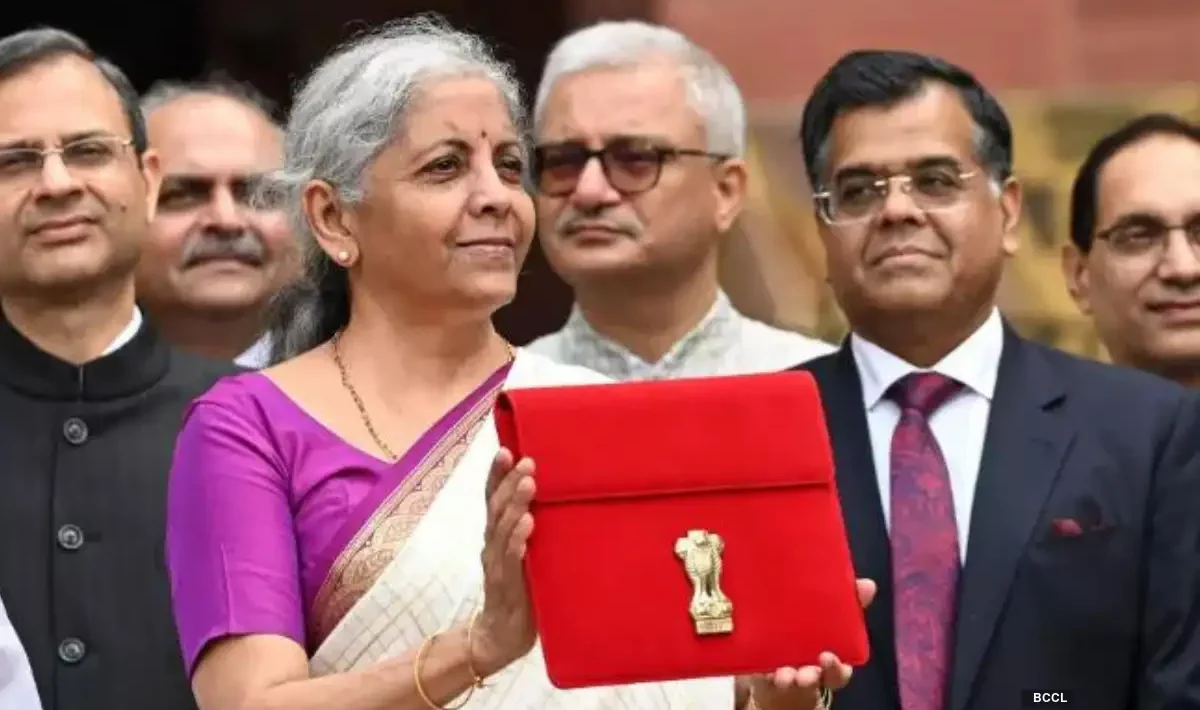
In a symbolic move towards cultural identity, the budget documents have been carried to Parliament in a traditional “bahi khata,” or red ledger, since 2019. This shift from the colonial briefcase to a culturally significant format reflects India’s commitment to its heritage. Additionally, since 2021, a digital tablet has been included as part of the government’s initiative to transition to a paperless budget.
Modern Developments and Fiscal Integration
In recent years, significant changes have been made to the structure of the budget. Until 2016, the Railway Budget was presented separately from the Union Budget, a practice that dated back to 1924. However, in 2017, the Modi government merged the two budgets to streamline fiscal planning, following recommendations from a committee that included Niti Aayog member Bibek Debroy.
Moreover, the printing of the Union Budget has seen its own evolution. Until 1950, the budget was printed at Rashtrapati Bhavan, but after a leak, the printing was moved to a press on Minto Road in New Delhi. Eventually, a government press was established in North Block, the headquarters of the Finance Ministry, to ensure confidentiality and security in the budget’s preparation.
As the Union Budget 2026-27 approaches, these historical and modern elements underscore the significance of this annual event in shaping India’s economic future.
Observer Voice is the one stop site for National, International news, Sports, Editor’s Choice, Art/culture contents, Quotes and much more. We also cover historical contents. Historical contents includes World History, Indian History, and what happened today. The website also covers Entertainment across the India and World.

