

Children’s environmental health: The invisible killers in the air, water, and dirt
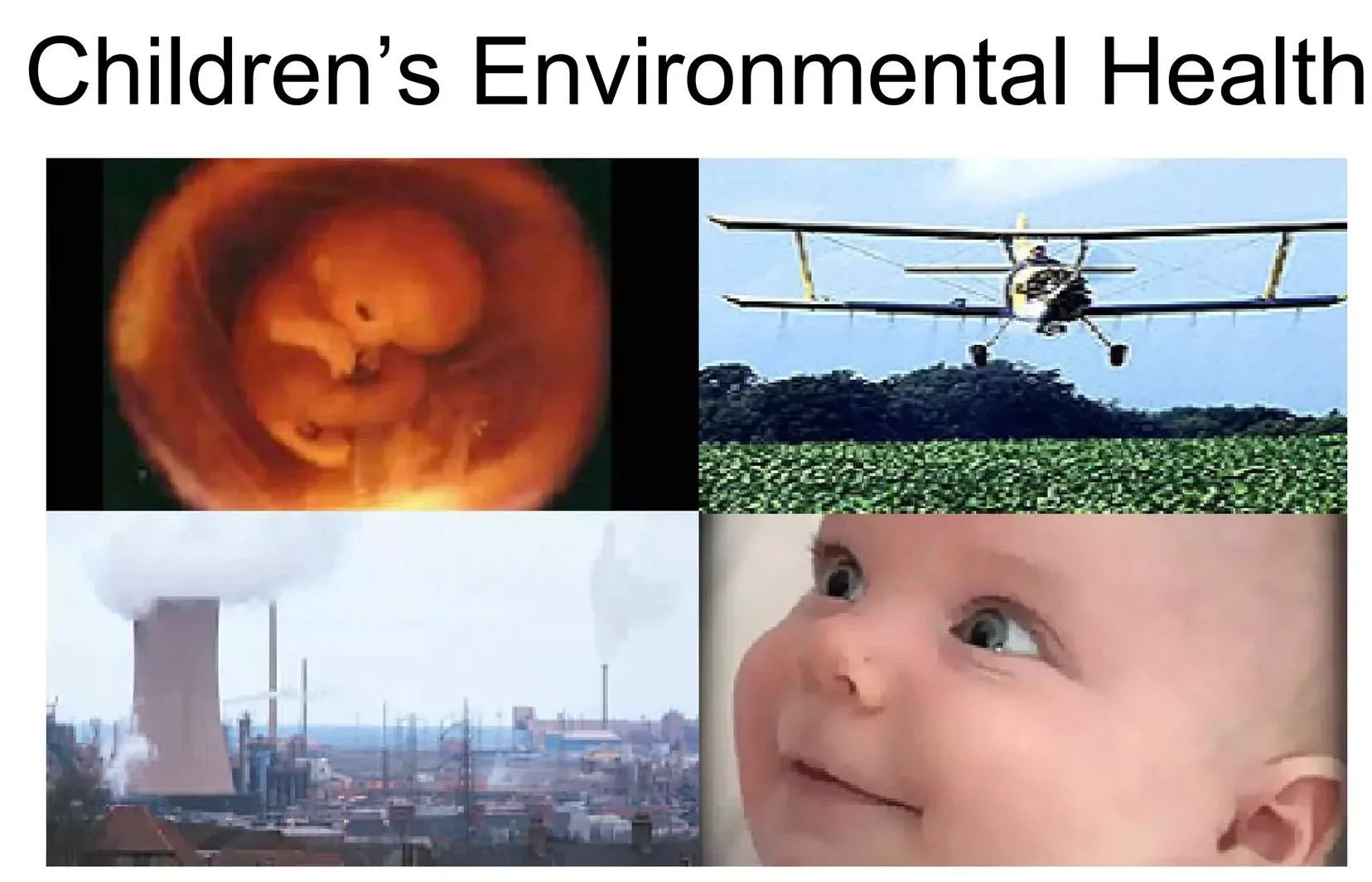
Children's environmental health: 1 in 4 deaths could be prevented today

Three-year-old Maya couldn’t stop coughing.
Her mother thought it was just another cold, common in their neighborhood near a busy highway in Delhi. But the cough persisted for months. Maya tired easily, couldn’t play like other kids, developed frequent respiratory infections.
Finally, a doctor asked the question that changed everything: “What’s the air quality like where you live?”
Turned out Maya was breathing some of the most polluted air on Earth, day after day, her small lungs working overtime to filter toxins her body couldn’t handle. She wasn’t sick from germs. She was sick from her environment.
Maya’s story repeats millions of times worldwide, across different environmental threats. And here’s the heartbreaking part: one in four child deaths globally could be prevented simply by reducing environmental risks.
The Numbers That Should Wake Us Up
In 2012, environmental factors killed 1.7 million children under age five.
Let me break that down. Environmental risks—things like polluted air, contaminated water, toxic chemicals, poor sanitation, climate impacts—account for 25% of the disease burden in young children.
The specific causes are predictable: 570,000 deaths from respiratory infections worsened by air pollution, 361,000 from diarrhea caused by contaminated water, 270,000 from neonatal conditions linked to environmental exposures during pregnancy, 200,000 from malaria, and 200,000 from unintentional injuries.
These aren’t mysterious diseases. They’re preventable health problems directly tied to where children live, what they breathe, what they drink, and what they’re exposed to.
Why Children Are Environmental Canaries
Adults tend to think: “If the environment doesn’t bother me, it’s fine for my kids too.”
Wrong. Children are uniquely, profoundly vulnerable to environmental risks in ways most people don’t realize.
First, children’s bodies work differently. They breathe more air, consume more food, and drink more water than adults do relative to their body weight. A toddler inhales proportionally more air pollutants per pound of body weight than their parent does.
Second, their systems are still developing. The central nervous system, immune system, reproductive system, digestive system—all under construction during childhood. Exposure to environmental toxicants during critical development windows can cause permanent, irreversible damage.
A developing brain exposed to lead doesn’t just get temporarily sick. It suffers permanent cognitive damage. Lungs exposed to air pollution during formation may never reach full capacity. Hormonal systems disrupted by chemicals during puberty can affect fertility for life.
Third, children behave differently. Young children crawl on floors where dust, chemicals, and pollutants accumulate. They put things in their mouths. They play in dirt. They explore without recognizing hazards.
Fourth, children have zero control over their environment. Adults can choose to move, change jobs, or avoid certain exposures. Children live where their parents live, breathe what’s in their home and school, eat what’s provided. They can’t opt out.
The Big Five Environmental Threats
Climate change is reshaping where diseases spread. Mosquitoes carrying malaria and dengue are expanding into new regions as temperatures rise. Heat waves hit children particularly hard—their bodies regulate temperature less efficiently than adults. Floods contaminate water supplies. Droughts create food insecurity.
Air pollution is the silent killer nobody talks about enough. Both outdoor air pollution from traffic, industry, and burning fossil fuels, plus indoor air pollution from cooking fires and heating, damage children’s developing lungs. Maya’s chronic cough is replicated in millions of children breathing toxic air daily.
Chemical safety—or lack of it—exposes children to lead, mercury, pesticides, and countless other toxins. Lead paint in old homes, mercury in thermometers and some foods, pesticides on produce, chemicals in toys and furniture. These substances damage brains, organs, and development.
Water, sanitation, and hygiene failures kill and sicken millions of children. Contaminated water causes diarrheal diseases that dehydrate and kill young children fast. Lack of proper toilets spreads disease. Poor hygiene allows infections to flourish.
Radiation from various sources—UV radiation from the sun, radon in homes, medical procedures—poses special risks to children whose cells are rapidly dividing and more vulnerable to damage.
The Emerging E-Waste Crisis
Here’s a threat that wasn’t on the radar a generation ago: electronic waste.
Discarded phones, computers, TVs, and electronics contain lead, mercury, cadmium, and other toxic substances. When e-waste gets dumped or improperly recycled, children living nearby—or worse, children working in informal recycling operations—breathe fumes and handle materials that poison them.
In some developing countries, children as young as five work at e-waste dumps, burning cables to extract copper, exposing themselves to toxic smoke. Even kids who just live near e-waste sites show elevated blood levels of dangerous substances.
We created the digital age, and our children are literally poisoned by our electronic trash.
Why Environmental Risks Hit Poor Kids Hardest
Environmental health problems aren’t equally distributed. Poor children in developing countries bear the overwhelming burden.
They’re more likely to live near pollution sources—factories, waste dumps, busy roads. Their homes may have lead paint, poor ventilation, contaminated water sources. Their neighborhoods lack clean playgrounds and safe spaces.
Their families can’t afford to move to cleaner areas. They can’t buy filtered water or air purifiers. They can’t access healthcare quickly when environmental exposures make them sick.
Maya in Delhi faces threats that a child in a wealthy Stockholm suburb never encounters. Same planet, vastly different environmental reality.
The Developing Systems Under Attack
What makes childhood environmental exposures particularly tragic is the permanent damage they cause.
An adult exposed to lead can be treated, recover, and eliminate the lead from their body over time. A young child exposed to lead during critical brain development suffers permanent cognitive impairment. Their IQ drops. Their attention span shrinks. Their academic potential diminishes. Forever.
Similarly, lungs exposed to air pollution during development may never reach their full capacity. Hormones disrupted by chemicals during key growth periods can affect health for decades.
The environmental insults to a developing child don’t just make them sick today. They determine their health trajectory for life.
What Needs to Happen
The good news is we know exactly how to reduce environmental health risks for children.
Clean air requires transitioning away from fossil fuels, regulating industrial emissions, providing clean cooking stoves, and reducing traffic pollution near schools and homes.
Safe water and sanitation means investing in clean water infrastructure, proper sewage systems, and hygiene education. Relatively simple interventions that save countless lives.
Chemical safety requires banning the most dangerous substances, properly disposing of hazardous waste, testing consumer products for toxins, and educating parents about lead paint and other home hazards.
Climate action protects children from expanding disease vectors, extreme weather, and food insecurity.
E-waste solutions include proper recycling systems, banning child labor in informal recycling, and designing electronics that are safer to dispose of.
None of this is impossible. It requires political will, investment, and treating children’s environmental health as the priority it deserves.
A Holistic Approach
Here’s what makes children’s environmental health so challenging: problems don’t come individually.
A child isn’t just exposed to air pollution OR contaminated water OR toxic chemicals. They face multiple environmental stressors simultaneously, which compound each other’s effects.
Solving these problems requires involvement across sectors—healthcare, education, urban planning, industrial regulation, environmental protection. It requires action at every level: individuals, communities, municipalities, national governments, international cooperation.
It’s complicated. But one in four child deaths being preventable should provide all the motivation we need.
Maya’s Outcome
Maya’s family eventually moved to a neighborhood with better air quality. Her chronic cough resolved. Her energy returned. She’s now thriving in school.
But millions of other Mayas worldwide continue breathing toxic air, drinking contaminated water, playing in polluted environments, their bodies silently damaged by exposures their parents often don’t even know about.
We can protect children’s environmental health. We just need to actually do it.
For more information:
- WHO Children’s Environmental Health
- Air Pollution and Health
- Lead Poisoning Facts
- Electronic Waste and Health
Disclaimer: This article is an adaptation of publicly available information from WHO’s Children’s environmental health topic page (WHO, Geneva. Licence: CC BYNC-SA 3.0 IGO). WHO is not responsible for the content or accuracy of this adaptation. This content is for informational and educational purposes
only and does not constitute medical advice. ObserverVoice.com is a news and information platform
— not a healthcare provider.
Observer Voice is the one stop site for National, International news, Sports, Editor’s Choice, Art/culture contents, Quotes and much more. We also cover historical contents. Historical contents includes World History, Indian History, and what happened today. The website also covers Entertainment across the India and World.

