

Five New Lichen Species Discovered in India’s Western Ghats

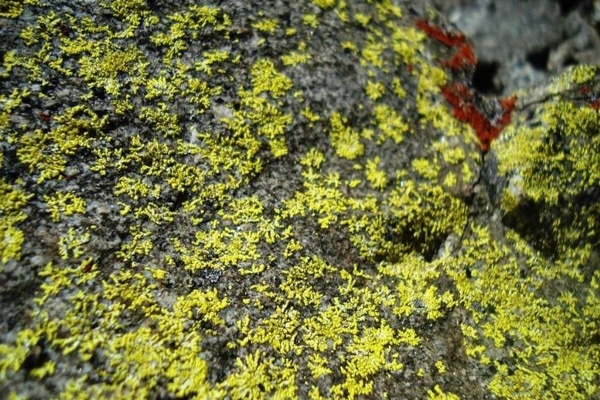
A team of researchers has made a groundbreaking discovery in the biodiversity-rich Western Ghats of India, unveiling five new species of lichen-forming fungi from the genus Allographa. These fungi serve as key indicators of forest health and environmental quality due to their sensitivity to pollution and changes in their natural habitat.
This research not only enhances the ability to identify ecologically sensitive areas but also strengthens long-term environmental monitoring efforts. Additionally, it contributes to the formulation of evidence-based conservation policies and sustainable management practices for forest ecosystems.
New Insights into Allographa
The genus Allographa comprises lichen-forming fungi known for their elongated fruiting bodies, classified within the family Graphidaceae. While there are more than 200 identified species globally, knowledge about Allographa in India, particularly from the Western Ghats, has been limited. Past identifications primarily relied on morphological characteristics, prompting scientists to blend molecular data with traditional taxonomic approaches to deepen their understanding of species diversity and evolutionary relationships.
Thorough Research Methodology
Researchers at the MACS Agharkar Research Institute in Pune, an autonomous body under the Department of Science and Technology (DST), conducted extensive field surveys across the Western Ghats. Led by Rajeshkumar K. C. Sci E (PI), along with doctoral student Ansil P. A., and Technical Officer Dr. Bharati Sharma (Co-PI), the team gathered numerous specimens from tropical forest habitats.
The researchers combined rigorous morphological and chemical analyses with meticulous multi-locus DNA sequencing, utilizing three genetic markers: mtSSU, nrLSU, and RPB2. This comprehensive approach allowed them to evaluate species boundaries and clarify evolutionary relationships within the genus.
Discoveries and Implications
The study culminated in the discovery and description of five new species: Allographa keralensis, named after the state of Kerala; A. nayakae, honoring renowned Indian lichenologist Dr. Sanjeeva Nayaka; along with A. paraconsanguinea, A. persistinspersa, and A. semicarbonisata. Furthermore, the researchers generated new molecular data for several already known species, including A. calcea, A. macella, A. aquilonia, A. rimulosa, and A. effusosoredica.
Phylogenetic analyses revealed that some morphologically similar species are not closely related evolutionarily, indicating the limitations of relying strictly on external features for species identification. The molecular data provided clarity on the positioning of both newly discovered and previously known taxa, underscoring the necessity for more molecular data and broader sampling in future research.
Moving Forward
Published in the journal Mycological Progress, this research significantly enhances the understanding of Allographa diversity in India and offers valuable molecular reference sequences for future taxonomic and evolutionary studies. It also reinforces the Western Ghats as a critical center for lichen diversity, teeming with numerous undocumented species. By integrating molecular evidence with classical taxonomy, the study provides a clearer picture of species boundaries and biodiversity within the Graphidaceae.
The authors compiled an updated checklist of Allographa species from the Western Ghats, including information on the availability of molecular sequence data. This work establishes a vital foundation for future biodiversity assessments, conservation strategies, and systematic research on tropical lichens in India and beyond.
Observer Voice is the one stop site for National, International news, Sports, Editor’s Choice, Art/culture contents, Quotes and much more. We also cover historical contents. Historical contents includes World History, Indian History, and what happened today. The website also covers Entertainment across the India and World.
Follow Us on Twitter, Instagram, Facebook, & LinkedIn

