

Child Growth: The Most Important Numbers You’re Not Tracking
Child Growth: Why Your Baby's Measurements Reveal More Than You Think

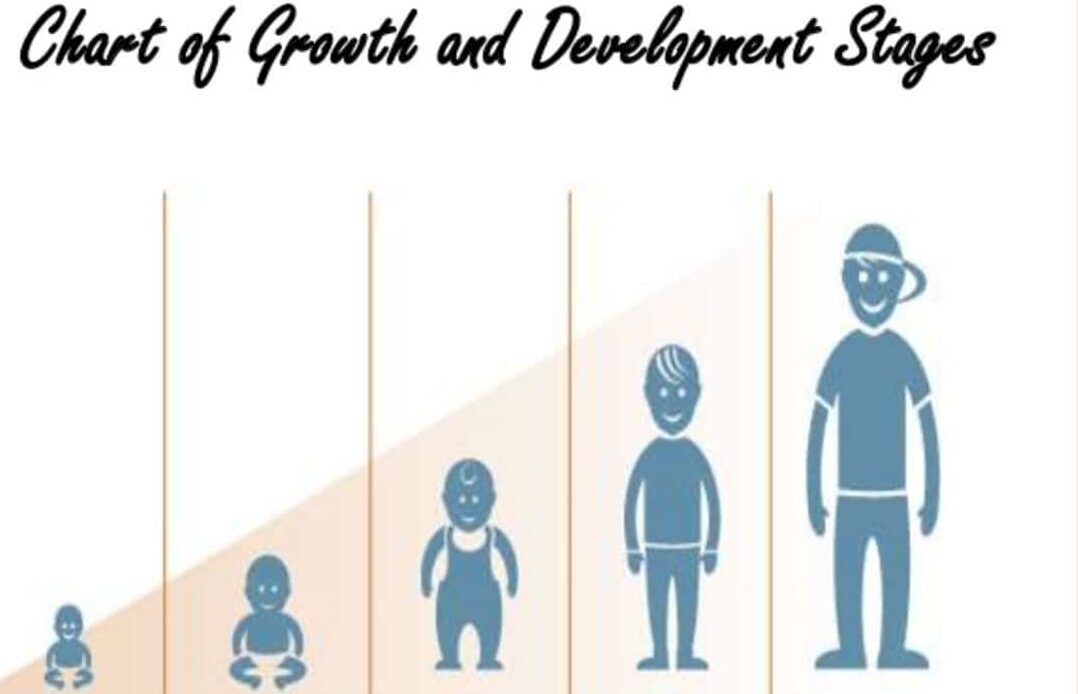
Every month, Sophie takes her 18-month-old daughter Emma to the clinic. The nurse measures Emma, plots the numbers on a colorful chart, and says “looking good!”
But Sophie never really looked at those charts. Until the day the nurse’s face changed.
“Emma’s growth has plateaued,” the nurse said gently, showing Sophie where the line on the chart had suddenly flattened. “She’s not gaining weight like she should. We need to figure out why.”
Turns out Emma had celiac disease—her body couldn’t absorb nutrients properly. Caught early through growth monitoring, they could intervene before serious damage occurred.
That’s the power of understanding child growth.
It’s not just about how big your kid is. It’s a window into their health, nutrition, and development. And most parents have no idea how to read the signs.
What Child Growth Actually Means
Child growth is the physical increase in a child’s body size and the maturation of body organs. We track three main measurements:
Length/height tells us if a child is growing properly over time. Babies and toddlers are measured lying down (length). Kids who can stand are measured upright (height).
Weight shows us if a child is getting adequate nutrition and gaining appropriately for their age and size.
Head circumference (in infants) indicates brain growth and development.
Sounds simple, right? Measure, record, done.
But here’s what most people don’t realize: it’s not about any single measurement. It’s about the pattern over time.
Dr. Patel, a pediatrician in Mumbai with 20 years of experience, explained it to me this way: “A child who’s naturally small isn’t concerning if they’re consistently following their growth curve. But a child who suddenly drops from the 50th percentile to the 10th? That’s a red flag screaming ‘something’s wrong.'”
The Revolutionary Growth Standards
Before 2006, child growth charts were based primarily on formula-fed babies in wealthy Western countries. Doctors essentially said: “This is how kids in optimal conditions happen to grow.”
Then WHO asked a radical question: “How SHOULD all children grow if we gave them the best possible start?”
They conducted a massive study called the Multicenter Growth Reference Study, tracking thousands of healthy, breastfed babies across Brazil, Ghana, India, Norway, Oman, and the United States.
The result shocked people: healthy, well-nourished children grow remarkably similarly regardless of ethnicity, geography, or genetics.
A baby in Kenya and a baby in Norway, if both breastfed and well-nourished, follow nearly identical growth curves for the first five years.
This proved something profound: differences in child growth are driven far more by environment, nutrition, and healthcare than by genetics.
The WHO Child Growth Standards became the global benchmark. Now, whether you’re in Tokyo, Toronto, or Tanzania, doctors use the same charts to assess if a child is thriving.
The Three Growth Problems Nobody Talks About
Walk into any pediatric clinic worldwide, and you’ll see three very different types of malnutrition—sometimes in the same waiting room.
Stunting—being too short for your age
This is chronic malnutrition written in bone. Little Hassan, a three-year-old in rural Bangladesh, stands barely taller than an average 18-month-old. Years of inadequate nutrition during his most critical growth period left him permanently stunted.
The world has 144 million stunted children under five. That’s nearly half of all kids in some countries.
The damage isn’t just height. Stunted children have smaller brains, lower IQs, weaker immune systems, and earn 20% less as adults. The first 1,000 days—from conception to age two—represent a narrow window when this damage occurs and becomes permanent.
Wasting—being too thin for your height
This is acute malnutrition. Maria, an 18-month-old in Yemen, weighs what a healthy 8-month-old should weigh for her height. She’s wasting away from recent food insecurity and repeated diarrhea.
Forty-seven million children globally are wasted. Their risk of death is twelve times higher than well-nourished children. But unlike stunting, wasting is reversible if caught early and treated properly.
Overweight—being too heavy for your height
Yes, this is also a child growth problem. Thirty-eight million children under five are overweight or obese.
Little Marcus in Mexico City is only two years old but already classified as obese. His diet consists mainly of cheap processed foods—high in calories but devoid of nutrients. He’s simultaneously overfed and malnourished.
These overweight children face lifelong risks: diabetes, heart disease, joint problems, and psychological issues.
The cruelest twist? Stunting and overweight can coexist. A child can be both too short from early malnutrition and too heavy from poor diet quality. Experts call it “the double burden,” and it’s becoming alarmingly common.
The First 1,000 Days: When Growth Determines Destiny
Ask any child development expert about critical periods, and they’ll tell you: the first 1,000 days change everything.
This period—from conception through a child’s second birthday—represents when 80% of brain development occurs. When growth patterns are established. When nutritional deficits cause permanent damage.
Dr. Chen, a maternal-child health researcher in Singapore, showed me brain scans comparing stunted and non-stunted children.
“See this?” she pointed to areas of reduced development. “This is what chronic malnutrition does to a developing brain. Fewer neural connections. Reduced cognitive capacity. And it happened before the child could even speak.”
During these 1,000 days:
In pregnancy: The mother’s nutrition determines if the baby will be born at a healthy weight or already malnourished. Low birth weight babies face higher risks of stunting, illness, and developmental delays.
Birth to 6 months: Exclusive breastfeeding provides perfect nutrition for optimal growth and brain development. Formula-fed babies grow differently—not necessarily worse, but differently.
6 to 24 months: Complementary feeding begins. This is where many families struggle. The right foods make the difference between thriving and stunting.
Miss this window, and the consequences last a lifetime.
How Child Growth Actually Happens
Child growth isn’t linear. Babies don’t gain weight and height at a steady pace like filling a bucket with water.
Infants grow incredibly fast—doubling their birth weight by 5-6 months and tripling it by their first birthday. Then growth slows. Toddlers grow more steadily. Preschoolers even slower.
Growth also happens in spurts. A baby might gain nothing for two weeks, then suddenly jump up on the chart. Perfectly normal.
What’s NOT normal:
- Flattening growth curves where a child stops gaining height or weight appropriately
- Crossing percentiles downward where a child drops from one growth curve to a much lower one
- Falling off the chart where measurements drop below the lowest normal range
- Sudden excessive weight gain suggesting overfeeding or health problems
These patterns signal: illness, poor feeding, malabsorption, neglect, or disease.
That’s why regular monitoring matters. Plot measurements every month in infancy, every few months in toddlerhood. Watch the pattern, not individual points.
What Threatens Child Growth
Sophie’s daughter Emma had celiac disease. But countless factors can derail child growth:
Repeated infections steal nutrients and energy. A child with chronic diarrhea can’t absorb food properly. Respiratory infections increase caloric needs while decreasing appetite.
Inadequate nutrition is obvious but complex. It’s not just food quantity but quality. A child filled with instant noodles and sugary drinks gets calories without essential nutrients.
Poverty underlies most child growth problems. Families can’t afford nutritious food, clean water, or healthcare. They live in crowded conditions increasing infection risk.
Poor feeding practices include not breastfeeding, introducing solids too early or too late, offering inappropriate foods, or force-feeding.
Underlying medical conditions like Emma’s celiac disease, heart defects, kidney disease, or hormonal problems affect growth.
Stress and neglect actually impair growth. Severely neglected children can develop “failure to thrive” even with adequate food available.
Dr. Rodriguez, a community pediatrician in Peru, sees the interconnections daily: “A child with diarrhea from unclean water can’t absorb nutrients. Poor nutrition weakens immunity, causing more infections. Poverty prevents treatment. The child falls further behind. Breaking this cycle requires addressing everything at once.”
Monitoring Child Growth: What Parents Should Know
Here’s what should happen at every well-child visit:
Accurate measurements taken carefully. For infants, measured lying flat. For toddlers standing straight against a wall. Weight on a calibrated scale without clothes or diaper.
Plotting on WHO growth charts showing where your child falls compared to healthy references. Charts are separated by sex (boys and girls grow differently).
Assessing the pattern not just single measurements. Is your child following their curve? Crossing percentiles? Plateauing?
Discussion and action if problems appear. Why has growth slowed? What interventions are needed?
Yet in many places, this doesn’t happen consistently. Overworked clinics skip growth monitoring. Parents don’t understand the charts. Problems go unnoticed until severe.
“I measure every child at every visit,” Dr. Patel emphasized. “It takes two minutes and could save their life. I’ve caught serious diseases, feeding problems, and abuse cases through growth monitoring alone.”
The Solutions We Know Work
The good news: we know exactly how to support optimal child growth.
Maternal nutrition before and during pregnancy ensures healthy birth weight. Iron, folate, protein, calcium—these aren’t optional.
Exclusive breastfeeding for six months provides ideal nutrition for growth and development. No water, no formula unless medically necessary.
Appropriate complementary feeding starting around six months with nutrient-dense foods: eggs, beans, vegetables, fruits, meat or fish. Not just rice porridge or bread.
Continued breastfeeding through age two combined with family foods.
Clean water and sanitation preventing the repeated infections that steal nutrients.
Regular health checks catching problems early when they’re easiest to fix.
Countries implementing comprehensive programs see dramatic results. Rwanda invested heavily in nutrition and growth monitoring. Their stunting rates dropped from 51% to 33% in a decade.
Bangladesh trained community health workers to promote breastfeeding and monitor growth. Stunting declined significantly.
Ethiopia taught mothers to prepare nutritious porridge from local ingredients. Children’s growth improved markedly in program areas.
It works. We just need the will and resources to do it everywhere.
What’s at Stake
Every stunted child represents lost human potential. Lower education attainment. Reduced earning capacity. Poorer health. Higher pregnancy risks.
Scale that across 144 million children, and you’re looking at trillions in lost economic productivity. Entire nations held back because malnutrition stole their children’s potential.
But it’s not just economics. It’s about justice. Every child deserves the chance to reach their full potential—physically, mentally, emotionally.
Child growth monitoring is a tool for achieving that. Simple measurements revealing who’s thriving and who needs help.
Sophie’s grateful the nurse caught Emma’s plateauing growth. “If we’d missed it, she could have suffered permanent damage. Now she’s on a gluten-free diet and growing beautifully.”
That’s the promise of taking child growth seriously. Catch problems early. Intervene quickly. Give every child their best shot at a healthy future.
Frequently Asked Questions About Child Growth
Child growth monitoring is the regular measurement and assessment of a child’s physical development, primarily tracking height/length, weight, and sometimes head circumference. Healthcare providers plot these measurements on standardized WHO growth charts to assess if a child is growing appropriately, identify growth problems early, and detect underlying health or nutrition issues.
WHO recommends monthly measurements for infants in the first year (especially the first six months when growth is rapid), every 2-3 months for toddlers aged 1-2 years, and every 3-6 months for children aged 2-5 years. More frequent monitoring may be needed for children with growth concerns or health problems.
The WHO Child Growth Standards are evidence-based charts showing how children aged 0-5 years should grow when their health, nutrition, and care needs are met. Based on studies of healthy, breastfed children from six countries, they provide universal reference points used worldwide to assess whether children are growing properly.
Percentiles indicate where a child’s measurement falls compared to a reference population. For example, the 50th percentile means half of children are bigger and half are smaller. A child at the 10th percentile is smaller than 90% of children the same age. Being at any consistent percentile isn’t necessarily concerning—sudden changes are what matter most.
Stunting means a child is too short for their age (height-for-age more than two standard deviations below WHO standards). It results from chronic malnutrition during critical growth periods and is largely permanent after age two. Stunting affects brain development, immune function, school performance, and lifetime earning potential. Globally, 144 million children under five are stunted.
For more information:
- WHO Child Growth Standards
- Child Growth Training Course
- Malnutrition Fact Sheet
- WHO Nutrition and Food Safety
Disclaimer: This article is an adaptation of publicly available information from WHO’s Child Growth
health topic page (WHO, Geneva. Licence: CC BYNC-SA 3.0 IGO). WHO is not responsible for the
content or accuracy of this adaptation. This content is for informational and educational purposes
only and does not constitute medical advice. ObserverVoice.com is a news and information platform
— not a healthcare provider.
Observer Voice is the one stop site for National, International news, Sports, Editor’s Choice, Art/culture contents, Quotes and much more. We also cover historical contents. Historical contents includes World History, Indian History, and what happened today. The website also covers Entertainment across the India and World.

