

US-Iran Conflict: Strategies for India to Safeguard Against Future Oil, LPG, and LNG Supply Disruptions

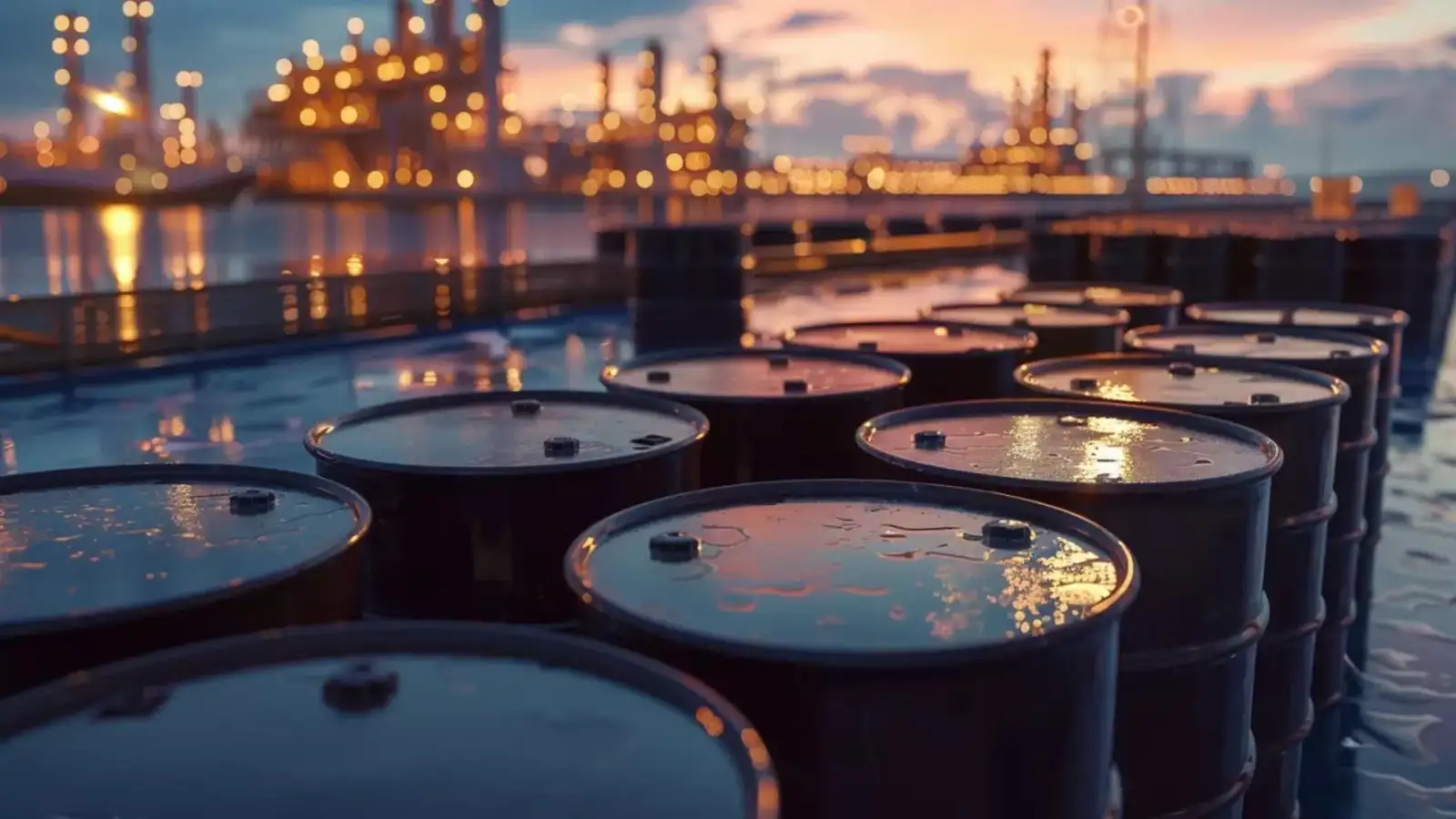
India’s energy security is facing significant challenges as the ongoing US-Iran conflict disrupts vital supply routes, particularly through the Strait of Hormuz. With the country relying heavily on imports for its energy needs—approximately 90% for crude oil and significant portions for LPG and LNG—experts warn that while current domestic reserves may appear adequate, long-term strategies must be enhanced to safeguard against future disruptions. The Global Trade Research Initiative (GTRI) highlights the critical need for India to bolster its energy reserves to mitigate the risks associated with its high dependence on Middle Eastern imports.
Current State of Energy Reserves
India’s energy reserves are under scrutiny as experts assess the country’s preparedness for potential supply shocks. Currently, the nation has approximately 25 days’ worth of crude oil, with petrol and diesel stocks lasting an equal duration. Additionally, cooking gas supplies can sustain demand for about 25 to 30 days, while liquefied natural gas (LNG) reserves are limited to around 10 days. The country has made strides in building strategic petroleum reserves, with a capacity of 5.33 million tonnes located in underground caverns across Visakhapatnam, Mangaluru, and Padur. As of now, around 80% of this capacity is filled. To address immediate supply deficits, India has increased its imports of Russian crude oil. Experts like Sourav Mitra from Grant Thornton Bharat suggest that while price volatility is a concern, the risk of sudden physical shortages is diminishing. Current cargo-tracking data indicates that nearly 100 million barrels of commercial crude are available, which could sustain imports for an additional 40 to 45 days if disruptions occur in the Strait of Hormuz.
Strategic Reserve Projects in Development
India is actively working on expanding its strategic reserves to enhance energy security. The second phase of the Strategic Petroleum Reserve (SPR) aims to increase capacity from 5.33 million tonnes to 11.83 million tonnes, potentially extending the cover from 9 to 20 days, depending on demand. However, progress has been slow, with land acquisition delays reported in Chandikhol and Padur-II. On the LPG front, the commissioning of the HPCL Mangalore cavern in September 2025 has increased underground storage capacity to approximately 140,000 tonnes. This development provides crucial strategic anchors for LPG supplies. For LNG, a proposed 10% terminal-level strategic buffer is currently in draft stage, which, once implemented, could serve as a national LNG backstop. The urgency for these projects has been underscored by recent disruptions in supply chains, particularly from Qatar.
Strategies for Future Resilience
Experts emphasize the importance of a multi-faceted approach to fortify India’s energy security against future shocks. Gaurav Moda from EY-Parthenon India advocates for prioritizing the expansion of strategic petroleum reserves, which could significantly enhance the buffer against supply disruptions. Additionally, there is a call for India to diversify its energy procurement sources and strengthen domestic reserves. Sourav Mitra suggests transitioning from a mere LNG strategy to a comprehensive LNG architecture, which includes owning and trading energy resources. Recommendations include broadening supply sources beyond the Middle East, pursuing equity stakes in producing assets, and enhancing the trading and shipping infrastructure. Furthermore, establishing a formal LNG buffer rule and completing ongoing strategic reserve projects are critical steps toward achieving a more resilient energy framework.
Long-term Contracts and Policy Recommendations
To stabilize its energy supply, experts recommend that India consider long-term crude oil supply contracts, particularly with Russia, which could provide predictable pricing and stable volumes. Despite a significant increase in imports from the United States, the country faces its own crude deficit, making it imperative for India to secure alternative sources. Gaurav Moda also highlights the need for institutionalizing additional LNG storage capacity and developing underground LPG strategic reserves, particularly in the North and North-East regions. By adopting a comprehensive three-pronged strategic reserves framework similar to that of Japan, India can enhance its energy security and better prepare for future challenges.
Observer Voice is the one stop site for National, International news, Sports, Editor’s Choice, Art/culture contents, Quotes and much more. We also cover historical contents. Historical contents includes World History, Indian History, and what happened today. The website also covers Entertainment across the India and World.
Follow Us on Twitter, Instagram, Facebook, & LinkedIn

