

Understanding India’s Barrier-Free Tolling: How FASTag and Number Plate Recognition Enable Automatic Toll Collection

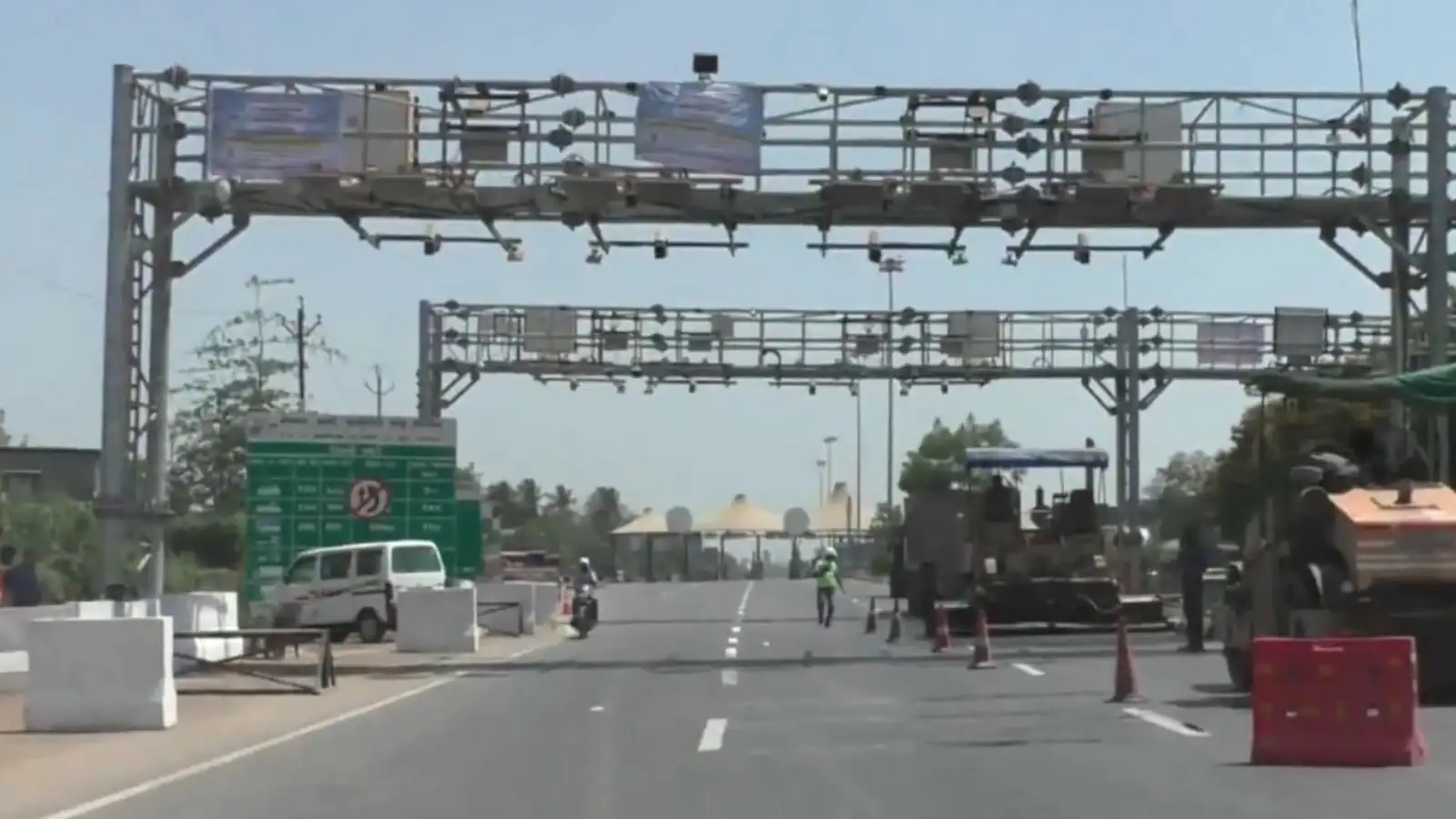
India is set to revolutionize toll collection on national highways with the introduction of Multi-Lane Free Flow (MLFF) technology. This system aims to eliminate the need for vehicles to stop at toll plazas, allowing for automatic toll deductions via FASTag as vehicles maintain highway speeds. Road Transport and Highways Minister Nitin Gadkari announced that the government plans to implement barrier-free tolling at all national highway toll booths by March 2027, with over 70% of toll booths expected to adopt the MLFF system by the end of December.
Transition from FASTag to MLFF
FASTag has already transformed toll payments in India, with over 98% of user-fee collections now processed electronically. The government has also introduced a FASTag-based Annual Pass for non-commercial vehicles, which allows for unlimited crossings through national highway fee plazas for a fixed annual fee. This evolution positions FASTag as a key component in the shift toward barrier-free tolling.
Understanding Barrier-Free Tolling
The barrier-free tolling system utilizes Automatic Number Plate Recognition (ANPR) and AI analytics to automate toll collection without physical barriers. Vehicles will be identified as they pass designated points, and tolls will be deducted automatically from their FASTag accounts. Users must maintain sufficient balance in their FASTag accounts to avoid penalties. If a vehicle passes without adequate funds, an electronic notice will be issued, requiring payment within 72 hours to avoid increased charges.
Benefits of the New System
The MLFF system is designed to significantly reduce the time spent at toll points, allowing vehicles to travel at speeds of 80-85 km/h. This change is expected to decrease travel time, alleviate congestion, and improve fuel efficiency. The government estimates that the full implementation of FASTag could generate annual revenues of Rs 20,000-25,000 crore. Additionally, the MLFF system could lower operational costs for toll collection from nearly 15% to around 3-4%, potentially saving the government Rs 5,000-6,000 crore annually.
The first major implementation of the MLFF system occurred in May at the Chorayasi Toll Plaza on NH-48 in Gujarat, with further rollouts planned across various national highways.
Observer Voice is the one stop site for National, International news, Sports, Editor’s Choice, Art/culture contents, Quotes and much more. We also cover historical contents. Historical contents includes World History, Indian History, and what happened today. The website also covers Entertainment across the India and World.
Follow Us on Twitter, Instagram, Facebook, & LinkedIn

