

Trachoma: The Blinding Eye Disease WHO Reports Has Been Eliminated in 28 Countries — But 102.6 Million People Still at Risk

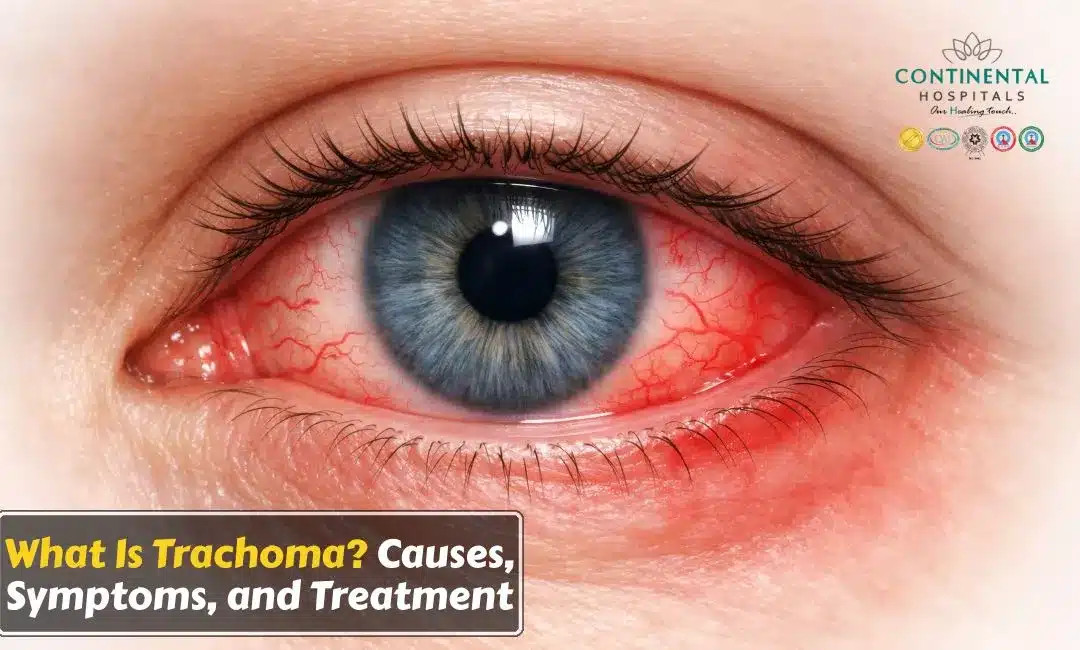
KEY FACTS
- Trachoma causes blindness or visual impairment in approximately 1.9 million people worldwide and accounts for 1.4% of all blindness globally
- The number of people at risk of trachoma blindness has plummeted from 250 million in 2010 to 102.6 million as of April 2025—a 59% reduction in 15 years
- WHO validated 28 countries as having eliminated trachoma as a public health problem as of February 2026, including recent additions India (October 2024) and Senegal (July 2025)
- In 2024, 87,349 people received surgery for trachomatous trichiasis (the blinding stage), and 44.4 million people received antibiotics—yet 70% of those operated on were women, revealing persistent gender disparities
- Ethiopia accounts for 64% of the global trachoma burden with 66 million people at risk, but in 2024 performed 72% of global surgeries and distributed 73% of global antibiotic treatments
India’s October 2024 elimination of trachoma as a public health problem marked a turning point in the global fight against this ancient blinding disease. When the Ministry of Health and Family Welfare initiated a trachoma control project in 1963 with WHO and UNICEF support, prevalence stood at levels causing 4% of all blindness cases nationwide. By 2018, prevalence had crashed to 0.008%—a 99.8% reduction achieved through decades of surgical treatment, antibiotic distribution, and massive water, sanitation, and hygiene initiatives including Swachh Bharat Mission and Jal Jeevan Mission.
Then in July 2025, Senegal became the ninth country in WHO’s African Region to achieve elimination—21 years after conquering dracunculiasis (Guinea worm disease). “This new milestone reminds us that our overarching goal remains a Senegal free from neglected tropical diseases,” declared Dr. Ibrahima Sy, Senegal’s Minister of Health and Social Action.
But here’s the reality check WHO’s July 2025 progress report delivers to global health efforts tracking this disease: 32 countries still require interventions for trachoma. An estimated 102.6 million people live in endemic districts at risk of trachoma blindness. Ethiopia alone harbors 66 million at-risk individuals—64% of the global burden. Women face 1.8 times higher risk of requiring surgery for the blinding stage than men, and research suggests they encounter increased barriers to interventions and are more likely to decline treatment.
This article examines WHO’s data on trachoma—the leading infectious cause of blindness worldwide—investigates why some countries successfully eliminate the disease while others struggle with persistent transmission despite years of antibiotic distribution, and asks whether the 2030 global elimination target remains achievable when the largest burden country shows no signs of crossing the finish line.
What Is Trachoma? — WHO’s Definition
According to WHO, trachoma is a disease of the eye caused by infection with the bacterium Chlamydia trachomatis. The organization classifies it as a neglected tropical disease and the leading infectious cause of blindness worldwide. WHO emphasizes a critical pathophysiological distinction: trachoma isn’t a single acute infection but rather a disease complex composed of two linked chronic processes.
The first process is a recurrent, generally subclinical infectious-inflammatory disease that mostly affects children. WHO reports that infection is transmitted by direct or indirect transfer of eye and nose discharges from infected people, particularly young children who harbor the principal reservoir of infection. These discharges spread through personal contact via hands, clothes, bedding, or contaminated surfaces, and by eye-seeking flies (particularly Musca sorbens species) that have been in contact with discharge from infected individuals.
In areas where trachoma is endemic, WHO documents that active inflammatory trachoma is common among preschool-aged children, with prevalence sometimes reaching as high as 90%. The organization notes that infection becomes less frequent and shorter in duration with increasing age. An individual’s immune system can clear a single episode of infection, but in endemic communities re-acquisition of the organism occurs frequently.
The second process is a non-communicable, cicatricial (scarring), and eventually blinding disease that supervenes in some individuals later in life. WHO identifies the progression: after years of repeated episodes of active trachoma, the inside of the eyelid can become so severely scarred (trachomatous conjunctival scarring) that it turns inward. This causes the eyelashes to rub against the eyeball—a condition called trachomatous trichiasis (TT)—resulting in constant pain and light intolerance.
Research published in Nature Reviews Disease Primers found that at least 150 infection episodes over an individual’s lifetime are needed to precipitate trichiasis. This finding is crucial because it means opportunity exists for intervention to prevent trachomatous blindness—the disease doesn’t result from a single exposure but from cumulative damage over years or decades.
WHO reports that if trachomatous trichiasis is left untreated, the continuous abrasion damages the cornea, leading to corneal opacification (clouding), low vision, and irreversible blindness. The organization emphasizes that blindness from trachoma is difficult to reverse—once corneal damage occurs, vision loss becomes permanent.
The bacterium responsible deserves special attention. Chlamydia trachomatis is an obligate intracellular bacterium, meaning it can only survive and replicate inside human cells. Different serovars (strains) of this organism cause different diseases: serovars A, B, Ba, and C cause trachoma, while other serovars cause sexually transmitted infections. The ocular (eye) strains spread through environmental contamination and fly transmission, creating transmission dynamics distinct from the genital strains.
Global Burden — WHO’s Epidemiological Data
The scale of trachoma’s impact has contracted dramatically over 15 years, but millions remain at risk. WHO’s Global Health Observatory data on trachoma shows that the estimated number of people living in endemic districts at risk of trachoma blindness declined from more than 250 million in 2010 to 113.8 million in 2024, then further to 102.6 million as of April 2025—a 59% reduction achieved through improved data collection and systematic implementation of the SAFE strategy.
Current blindness and visual impairment figures remain substantial. WHO reports that trachoma is responsible for blindness or visual impairment in approximately 1.9 million people and causes about 1.4% of all blindness worldwide. The organization’s data reveals that the estimated number of individuals with trachomatous trichiasis—the blinding stage requiring surgical intervention—reduced by 84% from 7.6 million in 2002 to 1.2 million in 2025.
Geographic distribution shows trachoma as a disease of poverty concentrated in specific regions. According to WHO’s fact sheet on trachoma, the disease is a public health problem in 30 countries and affects the poorest and most rural areas of Africa, Central and South America, Asia, Australia, and the Middle East. Africa remains the most affected continent but also hosts the most intensive control efforts.
Country-level burden reveals extreme concentration. As of April 2025, Ethiopia accounts for 64% of the global trachoma burden with 66 million people at risk—more than all other endemic countries combined. This concentration has profound implications for global elimination timelines: the world cannot achieve elimination targets while Ethiopia struggles with hyperendemic transmission.
The number of countries requiring interventions has decreased but plateau effects emerge. WHO’s Weekly Epidemiological Record from July 2025 shows that 32 countries are known to require interventions for trachoma as of April 2025, down from 39 in 2024. An additional five countries (Botswana, Guinea-Bissau, Libya, Namibia, Tunisia) report achieving prevalence targets for elimination but await validation.
Elimination successes tell an encouraging story. WHO has validated 28 countries as having eliminated trachoma as a public health problem as of February 2026: Benin, Burundi, Cambodia, China, Egypt, Fiji, Gambia, Ghana, India, Iraq, Islamic Republic of Iran, Lao People’s Democratic Republic, Libya, Malawi, Mali, Mauritania, Mexico, Morocco, Myanmar, Nepal, Oman, Pakistan, Papua New Guinea, Saudi Arabia, Senegal, Togo, Vanuatu, and Viet Nam.
Regional progress varies dramatically. In WHO’s African Region, the number of people requiring antibiotic treatment fell by 96 million—from 189 million in 2014 to 93 million as of April 2024, representing a 51% reduction. Currently, 20 countries in the African Region require trachoma interventions: Algeria, Angola, Burkina Faso, Cameroon, Central African Republic, Chad, Côte d’Ivoire, Democratic Republic of the Congo, Eritrea, Ethiopia, Guinea, Kenya, Mozambique, Niger, Nigeria, South Sudan, Tanzania, Uganda, Zambia, and Zimbabwe.
Intervention coverage shows both progress and persistent gaps. In 2024, WHO reports that 87,349 people were managed for trachomatous trichiasis globally, and 44.4 million people received antibiotics for trachoma. These numbers remained largely stable compared to 2023 (130,746 TT cases managed, similar antibiotic distribution), but represent significant declines from 2021 when 64.6 million people received antibiotic treatment. The reduction stems primarily from decreased availability of donated azithromycin.
Gender disparities reveal systematic inequities in disease burden and access to care. Of the 35 countries reporting TT surgery data in 2024, gender-disaggregated data from 34 countries (representing 98% of individuals operated on worldwide) showed that 70% were female. This overrepresentation reflects both biological vulnerability—women face 1.8 times higher risk of trachomatous trichiasis than men—and social factors including greater exposure through childcare responsibilities and barriers to accessing surgical services.
Age patterns show children bearing the infection burden while adults suffer blinding complications. WHO emphasizes that preschool-aged children harbor the principal infection reservoir, with active trachoma prevalence sometimes reaching 90% in endemic areas. But the scarring and trichiasis that cause blindness manifest decades later, typically affecting adults in their 40s, 50s, and beyond who experienced repeated childhood infections before control programs existed.
Economic impact extends beyond medical costs to productivity losses. WHO estimates an annual $8 billion loss in productivity due to trachoma-related blindness and visual impairment. The disease strikes during prime working years, removing breadwinners from economic activity or forcing family members into caregiving roles. Similar to patterns observed with neglected tropical diseases affecting 1.6 billion people, trachoma perpetuates poverty cycles by attacking populations least able to afford prevention or treatment.
Causes, Transmission & Risk Factors — WHO’s Biological and Environmental Framework
WHO’s causal framework for trachoma centers on infection with specific serovars of Chlamydia trachomatis—an obligate intracellular bacterium that requires human host cells to survive and replicate. The organization reports that serovars A, B, Ba, and C cause ocular trachoma, distinct from the serovars causing sexually transmitted infections.
The biological mechanism of disease progression follows a well-characterized pattern. Research in PMC on the SAFE strategy describes how Chlamydia trachomatis attaches to eye secretions and initiates infection of conjunctival epithelial cells. Initial infection causes an inflammatory response that the immune system can clear. But WHO emphasizes that in endemic communities, re-acquisition occurs frequently—children living in close proximity to others with active disease experience repeated reinfection.
Cumulative infection burden drives pathology. The Nature Reviews study found that models suggest an individual requires more than 150 lifetime infections to develop blinding complications. Each infection episode triggers inflammation. Each inflammatory episode deposits microscopic amounts of scar tissue in the conjunctiva. Over years and decades, this scarring accumulates until it distorts eyelid anatomy sufficiently to cause trichiasis.
Transmission pathways WHO documents include multiple routes:
Direct contact transmission occurs through fingers, hands, and faces. Children in endemic areas frequently touch their eyes and then touch other children or shared surfaces. Eye and nose discharge containing C. trachomatis transfers from infected to uninfected individuals through this hand-to-eye contact.
Fomite transmission spreads infection through contaminated objects. WHO identifies towels, washcloths, clothing, and bedding as common vehicles. When families share towels or children wipe faces with contaminated cloths, bacteria transfer between individuals. This mechanism explains why household clustering of infection occurs—family members sharing living spaces and hygiene items experience higher transmission.
Fly-mediated transmission represents a unique and important pathway. WHO reports that eye-seeking flies, particularly Musca sorbens, are attracted to ocular and nasal discharge. Flies land on the faces of infected children, pick up discharge containing bacteria, then transfer to other children’s faces, depositing infectious material. Studies on environmental improvement components of the SAFE strategy show that fly populations correlate with trachoma prevalence—areas with more flies have more transmission.
Environmental risk factors WHO identifies create conditions favoring transmission:
Water scarcity limits facial cleanliness. When water is scarce, families prioritize drinking and cooking over hygiene. Children’s faces remain unwashed, allowing discharge to accumulate and attract flies. WHO notes that distance to water source correlates inversely with trachoma prevalence—the farther people must walk for water, the higher the disease burden.
Inadequate sanitation facilities increase fly breeding sites and environmental contamination. Open defecation provides breeding grounds for flies. Lack of waste disposal allows organic matter accumulation that supports fly populations. WHO’s framework emphasizes that sanitation improvements reduce both fly density and environmental contamination with fecal material that attracts flies to human habitation.
Overcrowded living conditions amplify transmission. When multiple children sleep in close proximity, share bedding, and have frequent face-to-face contact, infection spreads rapidly. WHO reports that household crowding and large family size represent consistent risk factors across endemic regions.
Poverty serves as the fundamental underlying risk factor. WHO emphasizes that trachoma is endemic in some of the world’s poorest populations who live in rural and remote areas with highly inadequate access to water, sanitation, and healthcare. The disease disappeared from most Western nations before antibiotics became available—eliminated through improvements in living standards, water supply, and hygiene rather than medical interventions.
Cultural and behavioral factors influence transmission dynamics. Face-washing practices, willingness to use separate towels, childcare arrangements that concentrate young children together, and health-seeking behaviors for eye problems all affect infection rates. WHO notes that health education and behavior change represent critical components of comprehensive control programs.
Signs, Symptoms or Health Impacts — WHO’s Clinical Framework
WHO identifies trachoma as progressing through distinct clinical stages, each with characteristic signs that trained health workers can recognize during field surveys.
The active trachoma stages affect primarily children. WHO defines two forms of active disease:
Trachomatous inflammation—follicular (TF) presents as the presence of five or more follicles (small bumps caused by lymphoid tissue proliferation) on the upper tarsal conjunctiva (the inside surface of the upper eyelid). The organization uses TF prevalence in children aged 1-9 years as the key indicator for determining whether a district requires antibiotic mass drug administration. The elimination target is TF prevalence below 5% in this age group.
Trachomatous inflammation—intense (TI) describes pronounced inflammatory thickening of the upper tarsal conjunctiva that obscures more than half of the deep tarsal blood vessels. This represents severe active infection. WHO notes that TI often accompanies TF but isn’t used for programmatic decision-making.
The chronic trachoma stages develop in adults after years of repeated infection:
Trachomatous conjunctival scarring (TS) appears as white lines, bands, or sheets of fibrous tissue in the tarsal conjunctiva. WHO reports that scarring results from the cumulative damage of repeated infection and inflammation episodes. Some scarring can occur even after infection clears—the immune response itself contributes to tissue damage.
Trachomatous trichiasis (TT) occurs when conjunctival scarring contracts the eyelid margin, rotating it inward so that one or more eyelashes rub against the eyeball. WHO defines TT as at least one eyelash from the upper lid touching the eye, or evidence of recent removal of inturned eyelashes. This condition causes extreme pain, tearing, light sensitivity, and constant irritation. The organization uses TT prevalence in people aged 15 years and older as a key elimination indicator, with the target being prevalence below 0.2% in adults unknown to the health system.
Corneal opacity (CO) represents the endpoint of untreated trichiasis. WHO reports that continuous abrasion by inturned lashes damages the corneal surface, initially causing superficial erosions that may heal between blinks. But sustained trauma leads to scarring, vascularization (blood vessel ingrowth into normally clear cornea), and opacification. Once corneal opacity develops sufficiently to obscure the pupil margin, vision loss becomes irreversible.
Symptom progression follows the clinical stages. Children with active trachoma may experience mild irritation, discharge, and red eyes, but often have minimal symptoms despite harboring significant infection. This asymptomatic or mildly symptomatic state explains why infection persists—children don’t feel sick enough for families to seek care.
Adults with trichiasis suffer dramatically. WHO identifies extreme pain as the hallmark symptom—the constant sensation of eyelashes scratching the eye surface proves unbearable. Light sensitivity (photophobia) forces people to avoid outdoor activities or work. Tearing and mucus discharge interfere with vision and daily activities. Many affected individuals withdraw from social and economic participation even before vision loss occurs.
Vision impairment and blindness represent the ultimate health impact. WHO reports that 1.9 million people currently live with blindness or visual impairment from trachoma. Unlike cataracts where surgery can restore sight, trachoma-related corneal opacity causes permanent vision loss. No treatment can reverse advanced corneal scarring—prevention represents the only viable strategy.
Psychosocial impacts extend beyond physical symptoms. Similar to challenges faced by millions experiencing vision problems that could be prevented or treated, trachoma-related blindness causes social isolation, depression, loss of economic productivity, and increased dependence on family members for daily activities. The stigma associated with visible eye disease and facial deformity from advanced trichiasis compounds these impacts.
Gender-specific health impacts reflect the 1.8-fold higher risk women face for trichiasis. WHO data showing 70% of surgical cases are female reveals that women bear a disproportionate burden of the most painful and disabling stage of disease. This disparity likely results from greater exposure through childcare responsibilities, biological susceptibility factors, and potentially reduced access to early intervention.
Treatment or Health Response — WHO’s SAFE Strategy Framework
WHO reports that current approaches for trachoma control center on the SAFE strategy, adopted by WHO in 1993 as the evidence-based framework for eliminating trachoma as a public health problem. The acronym SAFE stands for Surgery, Antibiotics, Facial cleanliness, and Environmental improvement—representing the comprehensive package required to address both the blinding complications and the transmission of infection.
Surgery for trachomatous trichiasis represents the “S” component. WHO’s treatment guidelines documented in PAHO resources recommend the bilamellar tarsal rotation procedure as the standard surgical intervention to correct eyelid inversion and redirect eyelashes away from the eye surface. The organization reports that surgery should be offered to any individual with TT thought likely to benefit from an operation.
Surgical access gaps persist despite progress. In 2024, WHO reports that 87,349 people received TT surgery globally. But an estimated 1.2 million people still have TT requiring intervention—meaning only about 7% of the backlog received surgery in a single year. At this rate, clearing the surgical backlog would require more than a decade, and new cases continue accumulating in areas with ongoing transmission.
Gender barriers compound access challenges. With 70% of surgical patients being female despite women facing only 1.8 times higher risk, either men are substantially underdiagnosed or women face greater barriers to accessing surgery. Research suggests women are more likely to decline surgery due to inability to leave household responsibilities, lack of autonomous decision-making, lack of transport, or fear of the procedure.
Surgical outcomes show good but imperfect success rates. Studies WHO cites report 77-80% success in preventing trichiasis recurrence. But 20-23% of patients experience eyelashes turning inward again within years, requiring repeat surgery. This reality means surgical programs need sustained capacity to handle both new cases and re-operations.
Antibiotics form the “A” component, targeting active infection. WHO recommends mass drug administration of azithromycin—a single oral dose of 20 mg/kg (up to 1 gram maximum)—to all residents of districts where trachomatous inflammation-follicular (TF) prevalence in children aged 1-9 years reaches or exceeds 5%. The organization notes that azithromycin is ideal for C. trachomatis because tissue concentrations exceed plasma levels and the drug maintains a relatively long half-life.
Antibiotic coverage reached 44.4 million people in 2024—down from 64.6 million in 2021. WHO’s progress report from July 2025 attributes this decline primarily to reduced availability of donated azithromycin. Pfizer Inc. donates azithromycin to elimination programs through the International Trachoma Initiative, but supply constraints limit distribution.
Treatment duration depends on baseline prevalence. WHO recommends that districts with TF prevalence of 10-29.9% receive at least three annual rounds of mass drug administration. Districts with prevalence ≥30% (hyperendemic) require 5-7 years of treatment followed by impact surveys. The organization emphasizes that stopping antibiotic MDA too early risks rebound—cessation is only recommended when TF prevalence falls below 5%.
Persistent hyperendemicity despite years of treatment raises questions. Research from Amhara, Ethiopia, where programs distributed more than 124 million doses of antibiotics between 2007 and 2015, found that trachoma remained hyperendemic in many districts despite this massive intervention. Studies found no evidence of antibiotic resistance, suggesting that rapid reinfection rather than treatment failure drives persistence.
Facial cleanliness represents the “F” component. WHO emphasizes that improving facial hygiene reduces transmission by removing eye and nose discharge that harbors bacteria and attracts flies. Programs promote daily face-washing with clean water, discouraging children from wiping eyes with dirty hands or contaminated cloths, and ensuring families have access to soap.
Behavioral change challenges emerge in water-scarce environments. When families must walk hours to fetch water for drinking and cooking, allocating additional water for face-washing competes with essential needs. WHO recognizes that sustained facial cleanliness requires not just education but also improved water access.
Environmental improvement forms the “E” component. WHO identifies water access and sanitation infrastructure as critical determinants of transmission. Programs focus on increasing access to safe water sources within reasonable distance of homes, promoting latrine construction and use to reduce fly breeding sites, and improving solid waste management to decrease environmental contamination.
Long-term investment requirements create sustainability challenges. While surgery and antibiotics can be delivered through temporary campaigns, water and sanitation improvements require infrastructure investments that developing countries struggle to finance. WHO notes that integration with broader water, sanitation, and hygiene (WASH) initiatives offers the most sustainable approach.
Regional differences in SAFE implementation reflect resource disparities. High-income countries that eliminated trachoma did so primarily through socioeconomic development—the “F” and “E” components happened naturally as living standards improved. Low-income endemic countries today must rely heavily on donated antibiotics and external support for surgical programs while simultaneously trying to improve water and sanitation infrastructure with limited resources.
Cost-effectiveness analysis WHO references shows that trichiasis surgery costs less than extracapsular cataract surgery and prevents years of pain and visual impairment. But comprehensive SAFE strategy implementation requires an estimated $268-334 million through 2030 to support surgeries, antibiotic MDA, surveys, and research—funding that remains only partially secured.
Prevention & WHO Strategies — Public Health Policy Framework
WHO’s prevention architecture for trachoma centers on the SAFE strategy as a comprehensive public health intervention package rather than individual medical treatment. The organization emphasizes that eliminating trachoma as a public health problem requires achieving and maintaining specific prevalence targets that indicate transmission has been interrupted and disease burden reduced to levels no longer constituting a public health problem.
Elimination thresholds WHO established define success:
For active trachoma: TF prevalence below 5% in children aged 1-9 years indicates that transmission has dropped to levels where the infection will die out naturally without continued mass antibiotic distribution.
For trichiasis: TT prevalence below 0.2% in adults aged 15 years and older (unknown to the health system) indicates that the backlog of surgical cases has been adequately managed and new case generation has stopped.
Surveillance and mapping form the foundation of prevention programs. WHO’s GET2020 database tracks district-level prevalence estimates submitted by national programs, enabling targeting of interventions to areas with ongoing transmission. The organization supported the Global Trachoma Mapping Project, which completed baseline surveys in suspected endemic areas worldwide.
The Alliance for the Global Elimination of Trachoma (GET), launched by WHO in 1996, coordinates international efforts. This partnership supports countries in implementing SAFE strategy components, conducting epidemiological surveys, monitoring progress, evaluating programs, and mobilizing resources. The organization’s role includes providing technical guidance, validating country achievements, and maintaining global surveillance systems.
WHO’s roadmap for neglected tropical diseases 2021-2030 sets the current elimination target. After the original 2020 goal proved unachievable, the World Health Assembly endorsed decision 73(33) extending the deadline to 2030. This timeline reflects both the progress achieved and the persistent challenges in highest-burden countries.
Policy-level interventions WHO advocates include:
Integration of trachoma control into primary healthcare systems ensures sustainability beyond vertical elimination programs. Training health workers to diagnose clinical signs, perform trichiasis surgery at peripheral facilities, coordinate antibiotic distribution, and promote facial cleanliness embeds elimination efforts into routine health services.
Multi-sectoral collaboration links health programs with water and sanitation authorities, education systems, and community development initiatives. WHO emphasizes that sustainable trachoma elimination requires coordinated action across sectors—health ministry interventions alone cannot transform the environmental conditions that enable transmission.
Community engagement and health education promote behavior change around facial cleanliness, water use, and sanitation practices. Programs WHO supports employ community health workers, teachers, and traditional leaders to deliver messages adapted to local contexts and languages.
Gender-sensitive programming addresses the disproportionate burden women face. WHO’s documentation of 70% female surgical patients and 1.8-fold higher trichiasis risk signals need for interventions that specifically reduce barriers women encounter in accessing care and prevent excessive exposure through childcare duties.
No vaccine exists for trachoma, unlike many infectious diseases. C. trachomatis infection doesn’t produce lasting immunity—people can be reinfected repeatedly throughout life. This absence of natural or vaccine-induced immunity means prevention relies entirely on reducing transmission through environmental and behavioral interventions.
Antibiotic donation programs make mass drug administration financially feasible for low-income countries. Pfizer Inc. donates azithromycin to national programs through the International Trachoma Initiative (ITI). WHO reports this donation is estimated to contribute more than $2.2 billion worth of medicines through 2030, without which most endemic countries couldn’t afford comprehensive treatment.
Quality assurance mechanisms WHO implements include certification processes for elimination. Countries claiming to have achieved prevalence targets must document their success through population-based surveys, demonstrate sustainable surveillance systems, show capacity to identify and manage remaining TT cases, and prove commitment to maintaining facial cleanliness and environmental improvements. WHO convenes independent review groups to verify dossiers before granting validation.
Post-elimination surveillance prevents resurgence. WHO guidelines require validated countries to maintain monitoring systems, continue offering trichiasis surgery, and sustain WASH improvements. Several countries that achieved elimination subsequently detected increased prevalence, highlighting the need for ongoing vigilance.
WHO’s Global Efforts — Recent Validation Successes and Editorial Analysis
WHO’s validation of India as having eliminated trachoma as a public health problem on October 8, 2024, marked a major milestone for the WHO South-East Asia Region. “India’s elimination of trachoma as a public health problem is a testimony to the country’s commitment to alleviating the suffering that millions have faced from this debilitating disease,” declared WHO Director-General Dr. Tedros Adhanom Ghebreyesus. According to WHO’s news release, India joins Nepal and Myanmar in the region and 19 other countries globally that had previously achieved this feat at that time.
Then on July 15, 2025, WHO validated Senegal—the ninth African Region country to eliminate trachoma. The WHO announcement noted that trachoma had been confirmed as a major cause of blindness in Senegal through surveys in the 1980s and 1990s. The country joined the WHO Alliance for the Global Elimination of Trachoma in 1998, conducted its first national survey in 2000, and completed full disease mapping by 2017 with support from the Global Trachoma Mapping Project and Tropical Data.
But here’s what these celebration announcements obscure: elimination progress has plateaued, and the hardest work lies ahead.
Twenty-eight countries have now been validated—an impressive achievement representing billions of people freed from trachoma risk. But 32 countries still require interventions, and the burden concentration in Ethiopia creates an seemingly insurmountable obstacle to global elimination by 2030.
Let’s examine the Ethiopia problem with clear eyes. Sixty-six million people live in trachoma-endemic districts in Ethiopia—64% of the global burden. The Amhara Region alone distributed more than 124 million doses of azithromycin between 2007 and 2015, yet trachoma remained hyperendemic in many districts as of 2024. WHO reports that in 2024, Ethiopia performed 72% of global TT surgeries and distributed 73% of global antibiotic treatments. This isn’t a country failing to implement the SAFE strategy—it’s implementing intensively but facing transmission dynamics that mass drug administration alone cannot interrupt.
Research from Amhara published in PMC found no evidence of azithromycin resistance in C. trachomatis populations despite years of mass treatment. This means the persistence isn’t due to antibiotic failure—it’s due to rapid reinfection in environments where water scarcity, sanitation deficits, and poverty create ideal conditions for transmission.
What does WHO need to acknowledge more openly? The SAFE strategy’s “F” and “E” components—facial cleanliness and environmental improvement—represent the rate-limiting steps in highest-burden settings. You can distribute antibiotics indefinitely, but if children live in households without adequate water for daily face-washing, sleep in crowded conditions that facilitate transmission, and exist in environments with high fly density due to poor sanitation, reinfection will outpace treatment.
The funding gap tells a stark story. WHO estimates $268-334 million is needed through 2030 for surveys, surgeries, antibiotic distribution, and research. This sounds substantial until you realize it works out to roughly $2.60-$3.30 per person at risk annually. For that investment, you get donated azithromycin worth more than $2.2 billion plus the ancillary benefits of strengthened health systems and progress toward universal health coverage. It’s one of the most cost-effective health interventions available.
Yet funding remains only partially secured. Countries struggle to finance water and sanitation infrastructure improvements that would permanently interrupt transmission. The November 2024 meeting of WHO FCTC Knowledge Hubs in Bangkok focused on building capacity and sharing knowledge—but knowledge isn’t the limiting factor. Endemic countries know what needs to be done. They lack the resources to do it.
Gender inequities demand more aggressive intervention. The 70% female surgery patient proportion combined with evidence that women face 1.8 times higher trichiasis risk reveals systematic discrimination in disease exposure and access to care. WHO’s progress reports mention this disparity but offer no concrete strategies to address it. Where are the targeted programs to reduce women’s caregiving burdens that increase exposure? Where are the mobile surgical services that bring operations to women who cannot leave their households? Where are the economic support programs that enable women to recover from surgery without jeopardizing household survival?
The validation process itself warrants scrutiny. Five countries (Botswana, Guinea-Bissau, Libya, Namibia, Tunisia) claim to have achieved elimination targets but await validation as of April 2025. What causes the delay? If these countries genuinely meet prevalence thresholds and maintain surveillance systems, why not validate them immediately? The bureaucracy of global health sometimes impedes progress rather than facilitating it.
Interestingly, WHO’s framework for trachoma could inform approaches to other neglected tropical diseases. The SAFE strategy’s comprehensiveness—combining medical interventions with environmental and behavioral components—offers a model for addressing diseases where poverty and inadequate infrastructure drive transmission. The validation system creates clear targets and accountability. The donation model for essential medicines enables treatment at scale. These elements could be adapted for other NTDs where progress has stalled.
What should WHO do differently? Several opportunities exist for accelerating elimination:
First, mobilize development banks and climate finance mechanisms to fund water and sanitation infrastructure in endemic districts. Trachoma elimination provides a concrete health benefit that could justify infrastructure investments currently framed only around climate adaptation or general development.
Second, establish emergency protocols for eliminating the surgical backlog. With 1.2 million people suffering TT and only 87,349 receiving surgery annually, the math doesn’t work. WHO should coordinate surgical campaigns that dramatically scale up capacity temporarily—training additional surgeons, deploying mobile units, removing financial barriers to access.
Third, implement gender-specific interventions addressing women’s disproportionate burden. This means programs reducing caregiving exposure, providing childcare during recovery, ensuring women’s autonomous decision-making about surgery, and creating female-friendly service delivery.
Fourth, intensify focus on persistent hotspots in Ethiopia and other high-burden countries. The one-size-fits-all approach to MDA frequency clearly isn’t sufficient in areas with hyperendemic transmission despite years of treatment. Perhaps biannual treatment, enhanced surveillance and targeted treatment of infection clusters, or novel approaches combining antibiotics with intensive “F” and “E” interventions could break transmission in these resistant areas.
Fifth, prepare for the endgame challenges similar to those faced in polio and Guinea worm eradication. The final 10% of any elimination effort requires disproportionate resources, innovative strategies, and sustained political will. WHO should be planning now for how to reach the hardest-to-reach populations, maintain surveillance as prevalence drops, and prevent importation of infection across borders.
The fundamental question is whether WHO’s 2030 elimination target remains realistic. Twenty-eight countries validated, 32 requiring interventions, five awaiting validation—that’s potentially 37 eliminations by 2030 if everything goes perfectly. But Ethiopia’s massive burden casts doubt on whether the world’s largest endemic country can interrupt transmission in six years given that 18 years of intensive intervention hasn’t yet succeeded.
Perhaps WHO needs to reframe the target: global elimination excluding Ethiopia by 2030, with Ethiopia on an extended timeline reflecting its unique challenges. This would maintain momentum in countries nearing elimination while acknowledging that the largest burden country requires additional time and resources. Alternatively, set ambitious 2030 targets for reducing Ethiopia’s burden (perhaps 50% reduction in people at risk) while maintaining the elimination target for all other countries.
The trachoma elimination effort represents WHO at its best and most frustrated. The technical strategy works—SAFE eliminated trachoma in 28 countries proving the approach’s validity. The global coordination functions well—surveillance systems track progress, validation processes ensure rigor, partnerships mobilize resources. The donated medicines enable intervention at scale in countries that couldn’t otherwise afford treatment.
But WHO can’t overcome the fundamental development gaps that enable trachoma transmission. The organization can’t build water systems in Ethiopian villages. It can’t construct latrines in Chadian communities. It can’t reduce poverty in South Sudanese settlements. These determinants of trachoma transmission require investments beyond WHO’s mandate or budget.
Eight million dollars annually in lost productivity. Nearly two million people blind or visually impaired. One hundred two point six million at risk. The human and economic toll demands action. WHO has provided the roadmap. Whether the world musters the resources and political will to follow that roadmap to elimination by 2030 remains to be seen. For people like Aminata Samb, the Senegalese patient who received sight-saving trachoma surgery through Sightsavers’ Accelerate programme, that question isn’t academic—it’s the difference between a productive life and preventable blindness.
Frequently Asked Questions
WHO reports that trachoma spreads through direct or indirect contact with eye and nose discharges from infected people. The bacteria Chlamydia trachomatis transfers through contaminated fingers, shared towels or washcloths, clothing, and bedding. Eye-seeking flies that land on infected individuals’ faces can also carry bacteria to other people. Children harbor the principal infection reservoir and spread disease through close contact in households and communities.
According to WHO, a single oral dose of azithromycin can effectively clear Chlamydia trachomatis infection. However, in endemic communities where reinfection occurs frequently, individual treatment doesn’t prevent reacquisition of infection. WHO recommends mass drug administration to entire districts where prevalence exceeds thresholds, treating everyone simultaneously to interrupt transmission. Antibiotics cannot reverse corneal scarring and blindness that has already occurred from years of repeated infection.
WHO data shows women face 1.8 times higher risk of trachomatous trichiasis (the blinding stage) than men, and 70% of people receiving surgery are female. Research suggests several factors: women typically provide most childcare, increasing exposure to infected children’s eye discharge; biological differences may increase susceptibility; and women face greater barriers to accessing surgical services including inability to leave household duties, lack of autonomous decision-making, and transportation challenges.
WHO has validated 28 countries as having eliminated trachoma as a public health problem as of February 2026. These include Benin, Burundi, Cambodia, China, Egypt, Fiji, Gambia, Ghana, India, Iraq, Iran, Laos, Libya, Malawi, Mali, Mauritania, Mexico, Morocco, Myanmar, Nepal, Oman, Pakistan, Papua New Guinea, Saudi Arabia, Senegal, Togo, Vanuatu, and Vietnam. An additional five countries report achieving elimination targets but await validation.
No. WHO reports that no vaccine exists for trachoma. Unlike many infectious diseases, Chlamydia trachomatis infection doesn’t produce lasting immunity—people can be reinfected repeatedly throughout life. Prevention relies entirely on the SAFE strategy: surgery for advanced disease, antibiotics to clear infection, facial cleanliness to reduce transmission, and environmental improvements particularly better access to water and sanitation. Researchers continue investigating vaccine development but no candidates have reached clinical trials.
Sources
- World Health Organization. Trachoma fact sheet. February 2026. https://www.who.int/news-room/fact-sheets/detail/trachoma
- World Health Organization. WHO Alliance for the Global Elimination of Trachoma: progress report on elimination of trachoma, 2024–2025. Weekly Epidemiological Record. July 18, 2025. https://www.who.int/publications/i/item/who-wer10029-30-285-302
- International Coalition for Trachoma Control. WHO report highlights increase in the number of countries that have eliminated trachoma. 2025. https://www.trachomacoalition.org/news-blogs/who-report-highlights-increase-in-the-number-of-countries-that-have-eliminated-trachoma
- Burton MJ, et al. Trachoma. Nature Reviews Disease Primers. 2022;8:32. https://www.nature.com/articles/s41572-022-00359-5
- World Health Organization. Elimination of trachoma as a public health problem in India. October 8, 2024. https://www.who.int/news/item/08-10-2024-elimination-of-trachoma-as-a-public-health-problem-in-india
- World Health Organization. Senegal joins growing list of countries that have eliminated trachoma. July 15, 2025. https://www.who.int/news/item/15-07-2025-senegal-joins-growing-list-of-countries-that-have-eliminated-trachoma
DISCLAIMER
This article adapts publicly available information from WHO’s Trachoma page. This content is for informational and educational purposes only and does not constitute medical advice. ObserverVoice.com is a news and information platform — not a healthcare provider.
Observer Voice is the one stop site for National, International news, Sports, Editor’s Choice, Art/culture contents, Quotes and much more. We also cover historical contents. Historical contents includes World History, Indian History, and what happened today. The website also covers Entertainment across the India and World.

