

Sexually Transmitted Infections: The Silent Epidemic Affecting 1 Million People Daily

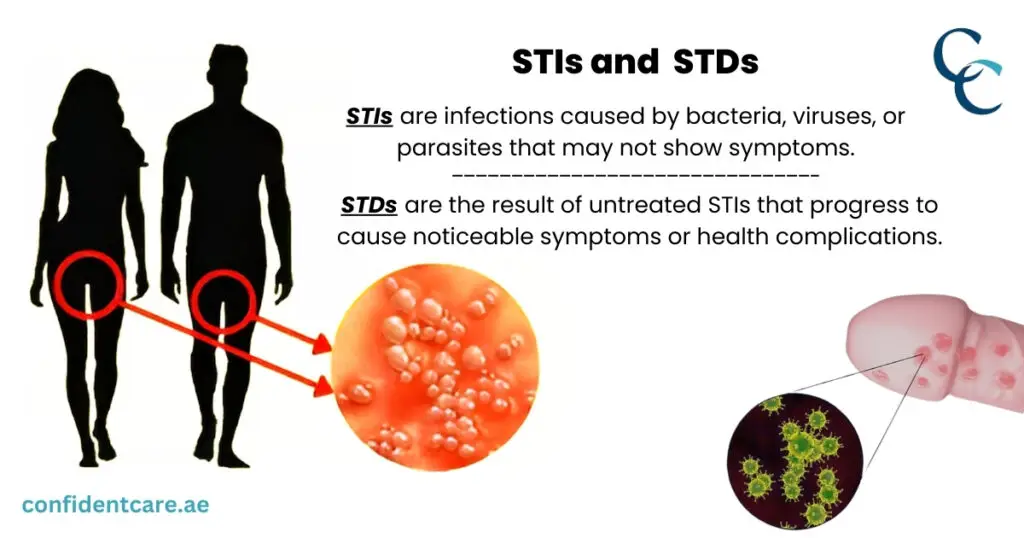
Key Facts
- More than 1 million sexually transmitted infections are acquired every single day worldwide, according to WHO data
- An estimated 374 million new infections of four curable STIs (chlamydia, gonorrhea, syphilis, trichomoniasis) occur annually
- Untreated STIs cause approximately 490,000 deaths each year, primarily from syphilis, cervical cancer, and viral hepatitis
- WHO reports that syphilis during pregnancy causes over 200,000 stillbirths and neonatal deaths annually—entirely preventable with screening and treatment
- Gonorrhea has developed resistance to all antibiotics previously used for treatment, with extensively drug-resistant strains now reported in multiple countries
When WHO released its global STI surveillance report in November 2023, the numbers revealed a disturbing paradox: despite having effective prevention tools and cures for bacterial STIs, the world records 374 million new curable infections annually—more than 1 million per day—because these tools don’t reach the people who need them most. The report documented rising syphilis rates in high-income countries alongside persistent endemic transmission in low-resource settings, growing antimicrobial resistance threatening to make gonorrhea untreatable, and massive gaps in HPV vaccination that allow 570,000 preventable cervical cancer cases each year. This article examines WHO’s comprehensive framework on sexually transmitted infections: what they are, who they affect, why rates keep climbing despite available solutions, and how these preventable infections remain among the most consequential yet underfunded health initiatives globally.
What Are Sexually Transmitted Infections? — WHO’s Definition
According to WHO, sexually transmitted infections are infections that spread primarily through sexual contact, including vaginal, anal, and oral sex, though some can also transmit through blood, from mother to child during pregnancy or childbirth, or through contaminated needles. WHO categorizes STIs into bacterial infections (chlamydia, gonorrhea, syphilis), viral infections (herpes simplex virus, human papillomavirus, hepatitis B, HIV), parasitic infections (trichomoniasis), and ectoparasitic infections (pubic lice, scabies when sexually transmitted). The organization emphasizes that STIs represent more than isolated medical conditions—they’re markers of sexual behavior patterns, healthcare access barriers, and social determinants that create systematic vulnerabilities.
WHO’s framework distinguishes between curable STIs (bacterial and parasitic infections that can be eliminated with appropriate antibiotic or antiparasitic treatment) and viral STIs that establish persistent or chronic infections manageable but not curable with current therapies. This distinction matters profoundly for public health strategy: curable STIs require test-and-treat approaches to interrupt transmission, while viral STIs demand lifelong management, vaccination where available, and prevention of complications including cancer.
The definition deliberately uses “infection” rather than “disease” because most STIs remain asymptomatic, particularly in women—creating a silent epidemic where infected individuals unknowingly transmit to partners and develop serious complications before ever recognizing they need care. This asymptomatic nature fundamentally shapes STI epidemiology, making screening rather than symptom-based testing essential for control.
Global Burden
WHO estimates that 374 million new infections of four curable STIs occur annually: chlamydia (129 million), gonorrhea (82 million), syphilis (7.1 million), and trichomoniasis (156 million). According to WHO’s STI fact sheet, these figures represent only a fraction of total burden since viral STIs affect hundreds of millions more. An estimated 491 million people aged 15-49 live with genital herpes (HSV-2), while most sexually active individuals acquire HPV infection at some point in their lives, with 311,000 dying annually from HPV-caused cervical cancer.
The geographic distribution reveals profound inequities. Sub-Saharan Africa accounts for 67% of global HIV prevalence, the highest rates of other STIs, and bears 85% of cervical cancer deaths despite having only 14% of global population. WHO’s African region experiences gonorrhea incidence rates 10 times higher than Europe, while congenital syphilis—entirely preventable through antenatal screening and treatment—causes 143,000 early fetal deaths and stillbirths, 62,000 neonatal deaths, 44,000 preterm or low-birth-weight babies, and 102,000 infected infants annually, with over 80% occurring in just 12 countries with weak screening programs.
Age patterns show that young people aged 15-24 account for half of all new STI acquisitions despite representing only 25% of the sexually active population. Research published in The Lancet Infectious Diseases documents that adolescent girls face particular vulnerability through biological factors (incomplete cervical development increasing infection susceptibility) and social determinants (power imbalances limiting ability to negotiate condom use or refuse unwanted sex). This demographic concentration creates a vicious cycle where infections acquired young lead to complications affecting fertility, pregnancy outcomes, and long-term health across subsequent decades.
High-income countries show concerning trends despite better healthcare access. Syphilis cases in the United States increased 74% between 2015-2020, with congenital syphilis surging 235% during the same period—a preventable tragedy occurring because pregnant women aren’t receiving timely screening. Europe documented similar increases among men who have sex with men, with some cities reporting syphilis prevalence exceeding 10% in this population.
The economic burden extends far beyond direct healthcare costs. WHO estimates that STIs cause at least 490,000 deaths annually (including cervical cancer deaths attributable to HPV and liver cancer from hepatitis B), plus incalculable suffering from chronic pain, infertility affecting millions, pregnancy complications, neonatal deaths, and psychosocial consequences including stigma, relationship dissolution, and mental health impacts. Productivity losses from illness, disability, and premature death add billions in indirect costs concentrated in countries least able to afford them.
Causes, Transmission & Risk Factors
Sexually transmitted infections result from diverse pathogens—bacteria, viruses, parasites, and ectoparasites—that share common transmission through sexual contact involving exchange of bodily fluids or direct contact with infected mucous membranes or skin. According to WHO’s STI transmission overview, each pathogen has specific biological requirements and transmission efficiency, but all exploit the intimate contact and mucous membrane exposure inherent to sexual activity.
Chlamydia trachomatis, an obligate intracellular bacterium, infects columnar epithelial cells lining the cervix, urethra, rectum, and throat. It spreads through genital fluids during vaginal, anal, or oral sex, with transmission probability of 30-50% per act with an infected partner. The bacteria’s ability to establish asymptomatic infection in 70% of infected women and 50% of infected men enables silent transmission chains that can persist for months or years before diagnosis—if diagnosis ever occurs.
Neisseria gonorrhoeae bacteria attach to and invade columnar epithelial cells through specialized pili (hair-like structures) and other virulence factors. Gonorrhea transmits through similar routes as chlamydia but with higher per-act transmission probability approaching 50-70% for male-to-female transmission. The organism’s remarkable capacity for antigenic variation—changing surface proteins to evade immune responses—prevents lasting immunity, allowing repeated reinfection throughout life. Even more concerning is gonococcal acquisition of antimicrobial resistance through chromosomal mutations and horizontal gene transfer from other bacteria, creating strains resistant to all previously effective antibiotics.
Treponema pallidum, the spirochete bacterium causing syphilis, penetrates intact mucous membranes or abraded skin during sexual contact with infectious primary chancres, secondary rash lesions, or mucosal patches. The organism then disseminates systemically through blood and lymphatics, establishing infection in virtually all body tissues. Syphilis follows a distinctive natural history—progressing through primary, secondary, latent, and potentially tertiary stages over years to decades if untreated—with infectiousness highest during primary and secondary stages but transmission possible during early latent phase.
Viral STIs establish persistent infections through distinct mechanisms. Herpes simplex viruses (HSV-1 and HSV-2) infect epithelial cells at exposure sites, then migrate along sensory nerves to establish lifelong latent infection in nerve cell bodies. Periodic reactivation causes viral shedding—sometimes with visible lesions, often asymptomatically—enabling transmission even from individuals unaware they’re infected. CDC HSV data indicates that most genital herpes transmission occurs during asymptomatic shedding periods.
Human papillomavirus comprises over 200 related strains, with approximately 40 types infecting genital tract. Low-risk types (HPV-6, HPV-11) cause genital warts, while high-risk types (HPV-16, HPV-18, others) cause cellular changes that can progress to cervical, anal, oropharyngeal, penile, vulvar, and vaginal cancers. HPV infects basal epithelial cells through microabrasions during sexual contact, with transmission possible through skin-to-skin contact even when condoms are used, though condoms reduce transmission risk substantially.
Hepatitis B virus transmits sexually through exposure to infected blood, semen, or vaginal fluids, establishing chronic infection in 5-10% of adults who acquire it but up to 90% of infants infected perinatally. Hepatitis B’s integration into host cell DNA and immune evasion enable decades-long infection that can progress to cirrhosis and hepatocellular carcinoma. HIV transmission through sexual contact is covered under separate WHO frameworks given its complexity, though HIV remains intrinsically linked to STI epidemiology since other STIs increase HIV transmission risk 2-5 fold through inflammatory genital ulceration that disrupts mucosal barriers.
Trichomoniasis, caused by the protozoan parasite Trichomonas vaginalis, infects squamous epithelium of the vagina, urethra, and prostate. This single-celled organism attaches to epithelial cells through surface adhesins and causes local inflammation. Unlike other STIs that preferentially infect young people, trichomoniasis prevalence increases with age and number of lifetime partners, reflecting its lower per-act transmission probability (5-30%) that requires more exposures for infection.
Risk factors for STI acquisition operate at individual, relationship, community, and structural levels. Individual behaviors associated with increased risk include: number of sexual partners (each new partner represents exposure to their entire sexual network history); concurrent partnerships (overlapping relationships creating network bridges for rapid transmission); early age of sexual debut (correlating with higher lifetime partner numbers and less consistent protective behaviors); inconsistent or no condom use; and prior STI history indicating both biological susceptibility and behavioral patterns conducive to exposure.
Biological vulnerabilities increase certain populations’ risk. Uncircumcised men face 2-3 times higher risk of HIV and other STI acquisition through increased surface area of vulnerable foreskin tissue. Women face inherently higher transmission risk for most STIs due to greater mucosal surface area exposed during intercourse, presence of microtears, and cervical anatomy. Adolescents’ incomplete cervical development and cervical ectopy (extension of vulnerable columnar epithelium onto vaginal surface) markedly increases STI susceptibility—a factor compounding social vulnerabilities facing young people.
Social and structural determinants create systematic vulnerabilities. Lack of comprehensive sexuality education leaves young people without knowledge to protect themselves or recognize symptoms requiring care. Poverty limits access to condoms, testing, and treatment. Gender inequality restricts women’s ability to negotiate safer sex, refuse unwanted sexual contact, or leave relationships where partners refuse protection. Stigma around STIs, sexual activity, and diverse sexual orientations prevents people from seeking testing or disclosing to partners. Legal criminalization of same-sex behavior in 67 countries drives LGBTQ+ populations away from healthcare services. Sex work criminalization prevents sex workers from carrying condoms (used as evidence of prostitution), accessing police protection from violent clients, or organizing for health and safety.
Substance use, particularly methamphetamine and alcohol, impairs judgment during sexual decision-making and is associated with higher-risk partnerships and inconsistent protection. Some STIs—particularly syphilis—show strong correlation with stimulant use in certain populations, though directionality is complex (substance use facilitating risk, or sexual networks where STI transmission occurs also having higher substance use prevalence).
Signs, Symptoms and Health Impacts
WHO identifies that most sexually transmitted infections remain asymptomatic, particularly in women, creating a silent epidemic where infected individuals unknowingly transmit to partners and develop complications before seeking care. When symptoms occur, they vary dramatically by infection, anatomic site, and individual immune response, making syndromic diagnosis imperfect even for experienced clinicians.
Chlamydia and gonorrhea produce similar clinical manifestations since both infect the same cell types. In men, urethral infection typically causes dysuria (painful urination) and purulent urethral discharge appearing 2-14 days post-exposure, though 10% remain entirely asymptomatic. In women, cervical infection often produces no symptoms or only nonspecific findings like abnormal vaginal discharge, bleeding between periods, or post-coital bleeding—symptoms easily attributed to other benign causes. This gender disparity in symptom recognition means women are diagnosed later, often only after complications develop or male partners seek treatment.
Rectal chlamydia and gonorrhea—increasingly common as anal sex becomes more prevalent across sexual orientations—cause proctitis with rectal pain, discharge, bleeding, and tenesmus (sensation of incomplete evacuation), though most remain asymptomatic. Pharyngeal infections are almost always asymptomatic but maintain transmission chains through oral sex.
Untreated chlamydia and gonorrhea cause serious complications. Pelvic inflammatory disease (PID) develops in 10-40% of women with untreated cervical infection when bacteria ascend through the uterus into fallopian tubes and peritoneal cavity. PID causes acute pelvic pain, fever, and abnormal vaginal discharge requiring hospitalization in severe cases, but often presents with subtle symptoms leading to delayed diagnosis. The real devastation comes later: chronic pelvic pain affects 20% of PID cases; ectopic pregnancy risk increases 6-10 fold as scarred fallopian tubes prevent normal embryo passage; and tubal factor infertility affects 10-20% of women after just one PID episode, with risk increasing with each recurrence. These complications represent the primary preventable cause of infertility globally.
In men, epididymitis (infection of the coiled tube behind the testicle storing sperm) causes testicular pain, swelling, and potential fertility impacts. Disseminated gonococcal infection, though occurring in less than 1% of untreated cases, causes septic arthritis with severe joint pain and swelling, plus potentially life-threatening systemic infection requiring hospitalization and intravenous antibiotics.
Syphilis progresses through distinct clinical stages with characteristic manifestations. Primary syphilis presents as painless chancre (firm, round ulcer with clean base and indurated borders) at infection site 10-90 days post-exposure, most commonly on genitals, anus, or mouth. The chancre heals spontaneously within 3-6 weeks regardless of treatment—a dangerous feature since apparent resolution misleads untreated individuals that infection has cleared.
Secondary syphilis emerges 4-10 weeks after chancre, occasionally while the primary lesion remains. The hallmark is a non-itchy rash that can appear anywhere but classically involves palms and soles—unusual for most rashes and an important diagnostic clue. Other manifestations include mucous patches (shallow ulcers on oral or genital mucosa), condyloma lata (moist wart-like lesions in genital or axillary areas), patchy hair loss, fever, lymphadenopathy, and constitutional symptoms mimicking flu. These symptoms also resolve spontaneously even without treatment, entering latent phase.
Latent syphilis—defined by positive serology without clinical manifestations—persists for years to decades if untreated. Early latent (within 1 year of infection) carries transmission risk; late latent poses minimal transmission risk except for pregnant women who can transmit to fetus throughout pregnancy. Tertiary syphilis, developing in 15-40% of untreated cases after 10-30 years, causes devastating cardiovascular complications (aortic aneurysm, aortic insufficiency), gummatous disease (destructive granulomas affecting skin, bones, liver), and neurosyphilis with cognitive decline, psychiatric symptoms, tabes dorsalis (sensory ataxia from spinal cord damage), and general paresis (progressive dementia and personality changes).
Congenital syphilis occurs when spirochetes cross the placenta, causing stillbirth, neonatal death, or multisystem disease in surviving infants including skeletal abnormalities, hepatosplenomegaly, rash, and neurologic damage. The tragedy is that screening and treatment during pregnancy—using a test costing under $1 and treatment costing under $2—prevents virtually all cases, yet 200,000+ stillbirths and neonatal deaths occur annually from this completely preventable infection.
Genital herpes causes painful vesicular lesions (small fluid-filled blisters) that ulcerate and crust over during primary outbreak 2-12 days post-infection. Initial episodes often include systemic symptoms—fever, headache, myalgia, inguinal lymphadenopathy—lasting 2-3 weeks total. Recurrent outbreaks, triggered by stress, illness, menstruation, or immune suppression, occur in 90% of people with HSV-2 and average 4-5 episodes annually, though frequency varies enormously from monthly recurrences to decades between episodes. Recurrences are typically less severe and shorter than primary infection.
Beyond physical pain, genital herpes carries profound psychological burden. WHO notes that diagnosis often triggers anxiety, depression, fear of disclosure, relationship difficulties, and sexual dysfunction that can exceed the physical disease impact. The chronic nature and unpredictable recurrences affect quality of life substantially. Asymptomatic viral shedding—occurring 10-20% of days even without visible lesions—means transmission risk persists throughout life and creates disclosure dilemmas for infected individuals.
HPV infections mostly remain asymptomatic and resolve spontaneously—90% clear within 2 years through immune response. Low-risk types causing genital warts produce visible cauliflower-like growths on genital or anal skin that, while benign, cause cosmetic concern and often recur after treatment. High-risk HPV types cause no immediate symptoms but persistent infection transforms cervical cells through progressive stages: low-grade squamous intraepithelial lesion (LSIL), high-grade squamous intraepithelial lesion (HSIL), and invasive cervical cancer developing over 10-20 years. Without screening programs to detect and treat precancerous lesions, progression to invasive cancer causes bleeding, pelvic pain, and ultimately death in 50% of cases within 5 years—an entirely preventable outcome.
Trichomoniasis causes frothy yellow-green vaginal discharge with strong odor, vulvovaginal irritation, dysuria, and dyspareunia (painful intercourse) in 70% of infected women, though 30% remain asymptomatic. In men, infection typically causes no symptoms or mild urethritis, making female partners often the first to seek treatment. Untreated trichomoniasis increases HIV transmission risk, causes adverse pregnancy outcomes including preterm delivery, and contributes to post-surgical gynecologic infections.
The interconnections between STIs amplify harms. Genital ulcer diseases (syphilis, herpes) increase HIV transmission probability 2-5 fold through disrupted mucosal barriers providing direct blood contact during sex. Inflammatory STIs (chlamydia, gonorrhea, trichomoniasis) increase HIV susceptibility and transmission through immune cell recruitment to genital tract. This biological synergy means STI epidemics fuel HIV transmission, while HIV immunosuppression worsens STI clinical courses, creating mutually reinforcing epidemics.
Treatment and Health Response
WHO reports that bacterial and parasitic STIs are curable with appropriate antimicrobial therapy, while viral STIs require lifelong management focused on symptom control and transmission reduction. According to WHO’s updated STI treatment guidelines released in 2021, treatment protocols prioritize single-dose or short-course regimens to maximize completion, syndromic approaches where laboratory testing isn’t available, and partner treatment to prevent reinfection cycles.
Gonorrhea treatment represents the most urgent antimicrobial resistance challenge in bacterial STIs. WHO currently recommends ceftriaxone 500mg intramuscular injection as first-line therapy—the last remaining reliably effective antibiotic after gonorrhea developed resistance to all previous treatments including penicillin, tetracyclines, fluoroquinolones, and macrolides. Extensively drug-resistant gonorrhea strains with reduced ceftriaxone susceptibility have been documented in multiple countries, raising the specter of untreatable gonorrhea within a decade without new antibiotics—none currently in development pipeline except zoliflodacin in phase 3 trials.
Chlamydia treatment uses azithromycin 1g single dose or doxycycline 100mg twice daily for 7 days. While resistance hasn’t emerged as critically as with gonorrhea, treatment failure rates of 5-10% are reported with azithromycin, leading some experts to favor doxycycline despite requiring week-long compliance. Partner notification and treatment remains essential since reinfection rates approach 20% within months when partners aren’t treated concurrently.
Syphilis treatment requires benzathine penicillin G 2.4 million units intramuscular injection, with dosing frequency depending on stage: single dose for primary, secondary, or early latent syphilis; three doses weekly for late latent or latent of unknown duration. Remarkably, despite 80+ years of use, Treponema pallidum has not developed resistance to penicillin—a fortunate accident since no equally effective alternatives exist for treating syphilis during pregnancy. The global benzathine penicillin shortage from 2015-2019, when only one or two manufacturers produced this unprofitable drug, caused widespread stock-outs in 95 countries and contributed to surging congenital syphilis deaths—a crisis that only resolved through WHO coordination with manufacturers to increase production capacity.
Trichomoniasis responds to metronidazole 2g single dose or tinidazole 2g single dose, with 7-day regimens reserved for treatment failures. Resistance remains rare but increasing reports of metronidazole-resistant T. vaginalis raise concerns about future treatment challenges.
Viral STI management focuses on suppression rather than cure. Genital herpes treatment uses antiviral medications (acyclovir 400mg twice daily, valacyclovir 500-1000mg daily, famciclovir 250mg twice daily) in two approaches: episodic therapy taken during outbreaks to shorten duration and severity, or daily suppressive therapy that reduces outbreak frequency 70-80% and decreases transmission to partners by approximately 50%. Suppressive therapy is recommended for individuals with frequent recurrences (6+ per year), those in serodiscordant relationships (one partner infected, one uninfected), and those experiencing severe psychosocial impacts from unpredictable outbreaks.
HPV-caused genital warts can be treated with provider-applied cryotherapy, trichloroacetic acid, or electrocautery, or patient-applied topical medications including imiquimod (immune response modifier) and podofilox (antimitotic agent). Treatment addresses visible warts but doesn’t clear underlying HPV infection, so recurrence is common—up to 30% within 3 months. Most warts eventually resolve spontaneously without treatment, making intervention primarily for symptom relief and cosmetic concerns rather than medical necessity.
Cervical cancer prevention relies on screening programs detecting and treating precancerous lesions before invasive cancer develops. WHO recommends screening starting at age 30 using HPV testing (preferred), visual inspection with acetic acid (VIA), or Pap cytology depending on resource availability. HPV testing sensitivity exceeds 90% for detecting high-grade lesions, allowing longer screening intervals (5-10 years) compared to cytology (3-5 years). Treatment of detected precancerous lesions through cryotherapy or loop electrosurgical excision procedure (LEEP) prevents progression to invasive cancer that would require surgery, radiation, chemotherapy, and still cause death in 50% of cases.
Access to STI treatment varies dramatically by region and healthcare system. High-income countries generally provide free or low-cost STI testing and treatment through sexual health clinics, public health departments, or insurance-covered physician visits. Some countries offer pharmacy-dispensed partner therapy, allowing index patients to provide treatment directly to partners without requiring separate medical visits—dramatically improving partner treatment rates.
Low and middle-income countries face multiple barriers. Laboratory testing capacity limitations necessitate syndromic management—treating based on symptom patterns rather than confirmed pathogen identification. While WHO’s syndromic algorithms enable same-visit treatment preventing loss to follow-up, they result in overtreatment (treating multiple potential causes when only one is present) and undertreatment (missing asymptomatic infections). Medication stock-outs plague resource-limited settings; the benzathine penicillin shortage demonstrated how fragile supply chains leave vulnerable populations without essential medicines.
Cost represents a critical barrier even where services exist. While generic gonorrhea treatment costs under $1 and chlamydia treatment under $2, poverty makes even minimal costs prohibitive. User fees charged at public facilities to generate revenue drive patients away from care. Antiviral therapy for herpes suppression costs $50-200 annually—affordable in high-income countries, prohibitive where daily wages are $2-5.
Stigma compounds access barriers across all settings. Adolescents seeking STI testing risk parental notification in many jurisdictions, driving them to delay care or attempt self-treatment. LGBTQ+ individuals report discrimination from healthcare providers, with some refusing care or delivering judgmental counseling. Sex workers face criminalization that prevents them from accessing services without police involvement. These structural barriers mean treatable infections progress to complications and transmission continues unchecked.
The COVID-19 pandemic severely disrupted STI services. WHO’s 2021 survey documented that 63 countries reported STI service interruptions including clinic closures, reduced operating hours, and healthcare worker redeployment to pandemic response. Syphilis screening during pregnancy dropped 22% in some regions, translating to preventable congenital syphilis deaths. Many countries still haven’t restored pre-pandemic service levels, representing backsliding on already inadequate coverage.
Prevention & WHO Strategies
WHO’s STI prevention framework operates across three complementary levels: primary prevention reducing exposure and transmission; secondary prevention through screening and early treatment; and tertiary prevention limiting complications and onward transmission from existing infections. The organization emphasizes that no single intervention suffices—comprehensive approaches combining behavioral, biomedical, and structural interventions achieve greatest impact.
Primary prevention centers on comprehensive sexuality education, condom promotion and distribution, vaccination, and male circumcision in high HIV-prevalence settings. According to WHO’s comprehensive sexuality education standards, effective programs start before sexual debut, use interactive participatory teaching methods, address gender norms and power dynamics, and cover topics beyond biology including relationships, consent, communication, and sexual diversity. Evidence consistently demonstrates these programs delay sexual initiation, reduce unprotected sex, and increase STI testing—contrary to opponents’ claims that they encourage sexual activity.
Condom use, when consistent and correct, reduces STI transmission substantially: 80% reduction for HIV, 50-60% for gonorrhea and chlamydia, 30-50% for herpes and HPV (which can transmit through skin contact beyond areas covered by condoms). WHO’s prevention strategy emphasizes condom availability through multiple channels—healthcare facilities, schools, pharmacies, bars, community distribution—ensuring access doesn’t depend on clinical encounters. Female condoms provide women-controlled protection particularly important where gender dynamics prevent negotiation of male condom use.
Yet global condom use remains far below need. Among sexually active adolescents in sub-Saharan Africa, fewer than 30% report condom use at last sex. Barriers include availability (condoms absent from rural health posts), affordability (even subsidized condoms exceed purchasing power of poorest populations), partner resistance (men refusing to use them), and religious opposition (some religious leaders opposing condom promotion even during epidemic transmission).
HPV vaccination prevents infections causing 90% of cervical cancers plus substantial proportions of anal, oropharyngeal, and other anogenital cancers. WHO recommends two-dose schedules for girls aged 9-14, ideally before sexual debut. Countries achieving 80%+ coverage rates—including Australia, UK, and Rwanda—have nearly eliminated high-risk HPV in vaccinated cohorts and documented dramatic reductions in cervical precancerous lesions among young women. Australia projects cervical cancer elimination (defined as fewer than 4 cases per 100,000 women) by 2035 based on current trajectories.
Globally, however, HPV vaccination coverage reaches only 15% of eligible girls due to cost ($4-5 per dose for Gavi-eligible countries, $40-200 in middle-income countries), supply constraints limiting available doses, vaccine hesitancy fueled by misinformation, and insufficient prioritization within crowded immunization schedules. WHO’s 2022 endorsement of single-dose schedules based on immunogenicity data could double reach with existing supply, though implementation lags evidence.
Hepatitis B vaccination, integrated into routine infant immunization in 188 countries, prevents sexually transmitted hepatitis B when administered before exposure. Birth-dose vaccination (within 24 hours of delivery) prevents mother-to-child transmission—the highest-risk exposure—yet only 46% of infants globally receive timely birth doses due to health system weaknesses in reaching newborns immediately after delivery.
Male circumcision reduces HIV acquisition risk 50-60% in heterosexual men through removal of foreskin tissue rich in HIV target cells and prone to inflammation. WHO recommends voluntary medical male circumcision in 15 sub-Saharan African countries with high HIV prevalence and low circumcision rates. Programs have reached over 27 million men since 2007, preventing an estimated 500,000 HIV infections. Benefits for other STIs are less clear, with modest reductions in herpes and HPV but minimal effects on gonorrhea or chlamydia.
Secondary prevention through screening identifies asymptomatic infections for treatment before complications develop or transmission occurs. WHO recommends routine screening for sexually active adolescents and young adults, pregnant women (especially syphilis to prevent congenital transmission), and populations at higher risk including sex workers and men who have sex with men. Population-level screening programs in countries like Denmark and Sweden dramatically reduced chlamydia prevalence through identifying and treating hidden infections.
Partner notification and treatment prevents reinfection cycles. WHO protocols include patient referral (infected individual notifies partners), provider referral (clinic contacts partners with patient’s information), or contract referral (patient agrees to notify within specified timeframe, after which provider contacts). Expedited partner therapy—providing medication to index patients for partner treatment without requiring separate clinical visits—improves partner treatment rates from 50% with standard referral to 75-80%, though legal restrictions prevent implementation in many jurisdictions.
Syndromic management enables treatment in resource-limited settings lacking laboratory capacity. WHO algorithms guide treatment for urethral discharge syndrome, vaginal discharge syndrome, genital ulcer disease, and inguinal bubo based on clinical presentation and local prevalence data. While less precise than pathogen-specific treatment, syndromic approaches prevent loss to follow-up during laboratory result waiting periods—critical when patients travel hours to reach facilities and can’t afford return visits.
Pre-exposure prophylaxis (PrEP) using daily oral tenofovir-based antiretrovirals prevents HIV acquisition with 99% effectiveness when adherent. Post-exposure prophylaxis (PEP) initiated within 72 hours of high-risk HIV exposure can prevent infection. While HIV-specific, these biomedical interventions influence broader STI epidemiology since some individuals reduce condom use after starting PrEP, potentially increasing other STI acquisition—a pattern documented in demonstration projects showing increased gonorrhea and chlamydia diagnoses among PrEP users.
Structural interventions address root causes of vulnerability. Cash transfer programs for adolescent girls in sub-Saharan Africa reduced HIV incidence 25-60% by delaying sexual debut and reducing age-disparate transactional relationships driven by economic need. Laws criminalizing same-sex behavior drive LGBTQ+ populations away from healthcare; their repeal correlates with increased HIV testing and prevention service uptake. Gender-transformative programs engaging men and boys in challenging harmful masculinity norms reduce sexual violence and improve communication about protection.
Harm reduction for sex workers includes peer outreach, safe spaces for health services, condom distribution, and critically, decriminalization enabling sex workers to report violence, screen clients, and organize for occupational health and safety. WHO’s technical guidance explicitly recommends decriminalization based on evidence from New Zealand and other jurisdictions showing improved health outcomes, though political opposition prevents implementation in most countries.
WHO’s Global Efforts
WHO’s global STI strategy, articulated in the 2016-2021 Global Health Sector Strategy on Sexually Transmitted Infections and currently being updated for 2022-2030, aims to eliminate STIs as public health threats through 90% reductions in gonorrhea and syphilis incidence. According to WHO’s STI strategy reports, this goal requires coordinated action across prevention, testing, treatment, and surveillance—yet current trajectories show many regions moving away from rather than toward targets, with STI rates rising in both high and low-income countries.
The congenital syphilis elimination initiative, launched in 2007, set achievable targets—fewer than 50 cases per 100,000 live births through screening pregnant women and treating those who test positive using a $1 test and $2 treatment—yet only 14 of 47 countries in WHO’s African region have met this low bar. The initiative’s struggles illuminate broader health system weaknesses: antenatal care attendance gaps, lack of point-of-care testing enabling same-visit treatment, medication stock-outs, and insufficient prioritization of preventable deaths that disproportionately affect poor countries.
WHO’s cervical cancer elimination initiative, launched November 2020, targets 90% HPV vaccination coverage, 70% cervical screening coverage with high-quality testing by age 35, and 90% treatment of precancerous lesions by 2030. Current modeling suggests only 11 high-income countries will achieve these targets without dramatic acceleration. The initiative secured commitments from Gavi to subsidize HPV vaccine for 50+ low-income countries and WHO prequalified several new lower-cost HPV tests enabling screening scale-up. Single-dose HPV vaccination protocols endorsed in 2022 based on strong immunogenicity data potentially double vaccine reach with existing supply, though implementation guidance and country adoption lag the evidence.
The organization’s STI Vaccine Roadmap recognizes that comprehensive control ultimately requires vaccines against bacterial STIs given limitations of behavioral interventions and antimicrobial resistance threats. Promising gonorrhea vaccine candidates showed 30-40% efficacy in observational studies when developed for meningococcus (a related organism sharing cross-reactive antigens), though purpose-built gonorrhea vaccines remain in early development. Chlamydia vaccines face scientific challenges around inducing sterilizing immunity given the bacteria’s intracellular niche. Herpes vaccines have failed repeatedly in clinical trials despite decades of attempts. These scientific obstacles combine with commercial disincentives—limited markets in high-income countries and inability of low-income countries to pay—creating a valley of death where even promising candidates languish unfunded.
WHO’s Guidelines for the Management of Sexually Transmitted Infections, updated July 2021, introduced point-of-care testing as transformative technology enabling same-visit diagnosis and treatment. Rapid syphilis tests cost under $1, require only finger-stick blood, and provide results in 15-20 minutes—eliminating return visit barriers that cause 30-50% patient loss between testing and treatment. Molecular point-of-care tests for gonorrhea and chlamydia, while more expensive ($15-40), enable pathogen-specific treatment and antimicrobial stewardship through resistance testing—critical as resistance spreads.
The Enhanced Gonococcal Antimicrobial Surveillance Programme (EGASP), established in 2009, monitors resistance emergence across 70+ countries to guide treatment updates. This network documented concerning ceftriaxone-resistant cases in multiple countries, prompting WHO to recommend higher doses and dual therapy. Zoliflodacin, a novel spiropyrimidinetrione antibiotic in phase 3 trials specifically for gonorrhea, represents the only new treatment in development—WHO designated it priority for accelerated regulatory pathways given urgent unmet need.
WHO collaborates with UNAIDS, UNFPA, and UNICEF through the Global HIV Prevention Coalition addressing STI and HIV prevention comprehensively. The coalition’s 2020 progress report documented disappointing results: new HIV infections declined only 23% since 2010 against a 75% reduction target, with young women in sub-Saharan Africa and key populations globally experiencing minimal progress. STI epidemics fuel HIV transmission while HIV immunosuppression worsens STI clinical courses, creating mutually reinforcing epidemics requiring integrated responses.
The organization’s partnership with the Global Network of Sex Work Projects produces evidence-based guidance recommending decriminalization as essential for effective health response—a position based on data from New Zealand and other jurisdictions but directly contradicting laws in most countries. This demonstrates WHO’s technical mandate to provide evidence-based guidance regardless of political palatability, though implementation depends entirely on national decisions.
Regional efforts reflect varying priorities. WHO’s European Region addresses syphilis increases among men who have sex with men, with cases tripling 2010-2020 in some countries despite excellent healthcare access—attributed to decreased HIV fear following PrEP availability leading to reduced condom use. The Western Pacific Region prioritizes hepatitis B elimination through high-coverage birth-dose vaccination. The African Region focuses on congenital syphilis elimination and HPV vaccination introduction in contexts with competing health priorities and resource constraints.
The COVID-19 pandemic’s service disruptions demonstrated STI programs’ fragility. WHO documented widespread clinic closures, testing interruptions, and healthcare worker redeployment that particularly affected marginalized populations most dependent on public services. Recovery efforts prioritize building more resilient systems maintaining essential STI services during future crises—a recognition that STI prevention and treatment can’t be paused during emergencies without creating secondary epidemics.
WHO’s advocacy emphasizes that STI control requires addressing social determinants, not just biomedical interventions. Comprehensive sexuality education, gender equality, poverty reduction, LGBTQ+ rights, sex work decriminalization, and healthcare access as universal right represent essential prerequisites for STI elimination—yet these fall largely outside WHO’s direct control, depending on political will within member states.
Critics note growing disconnect between WHO’s evidence-based guidance and on-ground reality in many countries. The organization can document what works but can’t compel implementation when political opposition blocks comprehensive sexuality education, religious objections prevent condom distribution to adolescents, or economic constraints limit healthcare financing. This gap between technical knowledge and political feasibility means STI epidemics persist despite available solutions.
The antimicrobial resistance crisis threatens to reverse decades of progress. Untreatable gonorrhea would return healthcare to the pre-antibiotic era when infection caused widespread sterility, newborn blindness, and disseminated infection mortality. WHO coordinates research and development efforts but ultimately can’t create new antibiotics—that requires pharmaceutical investment driven by commercial returns that don’t exist for drugs treating curable infections affecting primarily poor populations.
Understanding STI epidemiology connects to broader health equity issues. Just as adolescent health crises claim 1.1 million young lives annually from largely preventable causes, STI epidemics reflect systematic failures to provide young people with education, services, and support needed to protect their health. The parallels to cancer prevention efforts are instructive—cervical cancer is entirely preventable through HPV vaccination and screening, yet 311,000 women die annually because prevention doesn’t reach them, much like early cancer detection saves lives in well-resourced settings but comes too late where screening programs don’t exist.
The historical context matters too. Across world history, societies have oscillated between punitive approaches treating STIs as moral judgment and public health approaches treating them as preventable infections requiring compassionate care. Current epidemics demonstrate that moralistic stigma drives infections underground rather than eliminating them, while evidence-based comprehensive services reduce transmission even among populations engaging in high-risk behaviors.
Progress over recent decades proves change is possible: syphilis incidence declined 37% globally from 1990-2016 before recent reversals; HPV vaccination has nearly eliminated high-risk types in well-vaccinated populations; point-of-care testing transforms service delivery where implemented. Yet 374 million annual curable STI cases, 200,000+ preventable congenital syphilis deaths, and looming antimicrobial resistance crisis represent ongoing failures to translate knowledge into universal practice. The question isn’t what works—evidence is clear—but whether political will exists to prioritize sexual health as essential rather than optional, fund comprehensive services, and address social determinants that create systematic vulnerabilities. Until then, WHO’s ambitious elimination targets remain aspirational rather than achievable, and millions will continue suffering preventable infections, infertility, pregnancy loss, and deaths from conditions we know precisely how to prevent.
Frequently Asked Questions
WHO reports that bacterial STIs—chlamydia, gonorrhea, syphilis—and parasitic STIs like trichomoniasis are curable with appropriate antibiotic treatment. However, viral STIs including herpes, HPV, hepatitis B, and HIV cannot be cured with current therapies; they require lifelong management focused on symptom control, preventing complications, and reducing transmission risk. The growing antimicrobial resistance crisis threatens to make even bacterial STIs untreatable, with gonorrhea already resistant to all previously used antibiotics.
According to WHO, most STIs remain asymptomatic particularly in women—70% of chlamydia and 50% of gonorrhea infections produce no symptoms. This occurs because these bacteria can establish infection and replicate without triggering immune responses severe enough to cause noticeable symptoms. The absence of symptoms doesn’t mean absence of harm; asymptomatic infections still cause complications like infertility and transmit to partners. This silent nature makes screening essential since symptoms can’t reliably detect infections.
WHO reports that consistent correct condom use reduces HIV transmission by 80%, gonorrhea and chlamydia by 50-60%, and herpes and HPV by 30-50%. The variation reflects transmission mechanisms—infections spread through skin-to-skin contact beyond areas covered by condoms (herpes, HPV) are prevented less effectively than those requiring fluid exchange (HIV, gonorrhea). No barrier method provides 100% protection, but condoms substantially reduce risk when used consistently, making them essential despite imperfect effectiveness.
Yes. WHO documents that many STIs transmit through oral sex including gonorrhea, chlamydia, syphilis, herpes, and HPV. Pharyngeal (throat) gonorrhea and chlamydia infections are increasingly common and usually asymptomatic but maintain transmission chains. Oral HPV infection causes oropharyngeal cancers, with incidence rising particularly among men. Syphilis chancres can occur on lips or in mouth. The misconception that oral sex carries no STI risk contributes to transmission, particularly among youth who view it as “safer” alternative to vaginal intercourse.
WHO identifies multiple contributing factors: incomplete condom use due to availability, cost, and negotiation barriers; inadequate comprehensive sexuality education leaving people without prevention knowledge; stigma preventing testing and treatment-seeking; antimicrobial resistance making some infections harder to cure; decreased HIV fear following PrEP and effective treatment leading to reduced protective behaviors; online dating facilitating larger sexual networks; and health system weaknesses failing to reach populations at highest risk with prevention and treatment services. Rising rates reflect complex behavioral, social, and structural failures beyond individual knowledge.
Sources
- World Health Organization. Sexually Transmitted Infections (STIs). https://www.who.int/health-topics/sexually-transmitted-infections
- World Health Organization. Sexually Transmitted Infections Fact Sheet. https://www.who.int/news-room/fact-sheets/detail/sexually-transmitted-infections-(stis)
- World Health Organization. Guidelines for the Management of Sexually Transmitted Infections. Geneva: World Health Organization; 2021. https://www.who.int/publications/i/item/9789240029415
- Unemo M, et al. Sexually transmitted infections: challenges ahead. The Lancet Infectious Diseases. 2017;17(8):e235-e279.
Disclaimer
This article adapts publicly available information from WHO’s Sexually Transmitted Infections page. This content is for informational and educational purposes only and does not constitute medical advice. ObserverVoice.com is a news and information platform—not a healthcare provider.
Observer Voice is the one stop site for National, International news, Sports, Editor’s Choice, Art/culture contents, Quotes and much more. We also cover historical contents. Historical contents includes World History, Indian History, and what happened today. The website also covers Entertainment across the India and World.

