

HIV: Infection attacking body’s immune system and CD4 cells
HIV: Immune system infection affecting millions, preventable with treatment

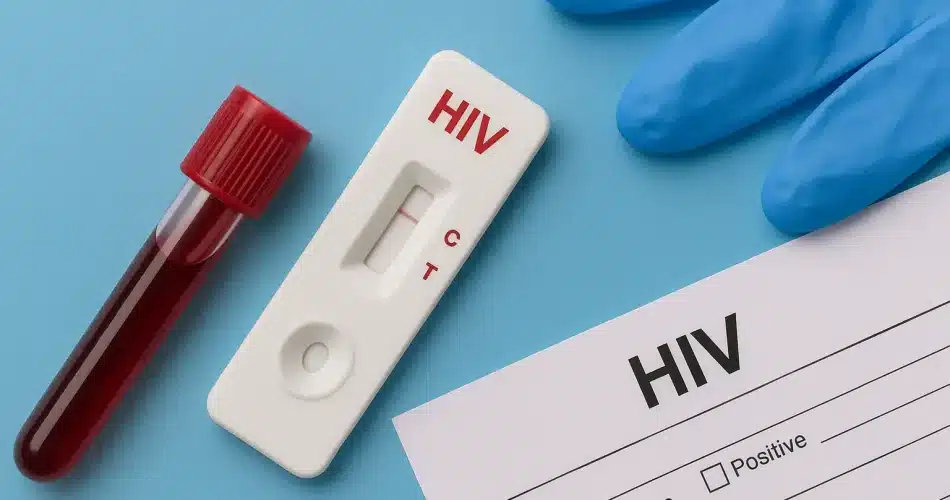
Thabo Mokoena (Johannesburg, South Africa) remembers the day his world collapsed. At 28, healthy and energetic, he felt invincible. Then came the diagnosis: HIV-positive.
“I went numb. In 2015, HIV still carried such stigma in my community. I thought it was a death sentence,” Thabo recalled, his voice still shaking a decade later. “My girlfriend left me. Friends stopped calling. My family whispered about funeral arrangements. I felt like a walking corpse.”
But Thabo didn’t die. Today, at 38, he’s thriving—working full-time, running marathons, living a completely normal life. His secret? Antiretroviral therapy (ART).
“The medication changed everything. Within six months, my viral load became undetectable. My CD4 count recovered. My immune system rebuilt itself,” Thabo explained. “Most importantly, I learned that ‘undetectable equals untransmittable.’ I cannot pass HIV to my sexual partners. I’m not a danger to anyone. I’m just a person managing a chronic condition, like someone with diabetes manages insulin.”
According to WHO, Human immunodeficiency virus (HIV) is an infection that attacks the body’s immune system, specifically the white blood cells called CD4 cells. HIV destroys these CD4 cells, weakening a person’s immunity against opportunistic infections, such as tuberculosis and fungal infections, severe bacterial infections and some cancers.
For more on infectious diseases, see our articles on tuberculosis and sexually transmitted infections at ObserverVoice.com. WHO provides comprehensive fact sheets on HIV and AIDS and HIV drug resistance.
Testing and Diagnosis Essential
WHO recommends that every person who may be at risk of HIV should access testing. People at increased risk of acquiring HIV should seek comprehensive and effective HIV prevention, testing and treatment services. HIV infection can be diagnosed using simple and affordable rapid diagnostic tests, as well as self-tests.
It is important that HIV testing services follow the 5Cs: consent, confidentiality, counselling, correct results and connection with treatment and other services. Diagnosis of HIV uses rapid tests that provide same-day results and can be done at home, although a laboratory test is required to confirm the infection. This early identification greatly improves treatment options and reduces the risk of transmission to other people including sexual or drug-sharing partners.
WHO provides HIV testing services dashboard and Country profiles tracking national responses. WHO also maintains Q&A on HIV and AIDS, Guidance on handling interruptions in antiretroviral treatment, and Coronavirus disease (COVID-19) and people living with HIV.
Understanding CD4 Count and Viral Load
At diagnosis or soon after starting ART, a CD4 cell count should be checked to assess a person’s immune status. The CD4 cell count is a blood test used to assess progression of HIV disease, including risk for developing opportunistic infections and guides the use of preventive treatment. The normal range of CD4 count is from 500 to 1500 cells/mm3 of blood, and it progressively decreases over time in persons who are not receiving or not responding well to ART.
If the person’s CD4 cell count falls below 200, their immunity is severely compromised, leaving them susceptible to infections and death. Someone with a CD4 count below 200 is described as having an advanced HIV disease (AHD). HIV viral load measures the amount of virus in the blood. This test is used to monitor the level of viral replication and effectiveness of ART. The treatment goal is to reduce the viral load in the blood to undetectable levels (less than 50 copies/ml), and the persistent presence of detectable viral load (greater than 1000 copies/ml) in people living with HIV on ART is an indicator of inadequate treatment response and the need to change or adjust the treatment regimen.
Related topics include Hepatitis, Sexually transmitted infections (STIs), and Tuberculosis. For more on immune system health, see our article on infectious disease prevention at ObserverVoice.com.
Symptoms Often Subtle Initially
Many people do not feel symptoms of HIV in the first few months after infection and may not know that they are infected. Others may experience influenza-like symptoms, including fever, headache, rash and sore throat. However, these first few months are when the virus is most infectious.
As the disease progresses, symptoms will be expanded and more pronounced. These can include swollen lymph nodes, weight loss, fever, diarrhoea and cough. HIV weakens the body’s ability to fight other infections, and without treatment people will become more susceptible to other severe illnesses such as tuberculosis, cryptococcal meningitis, bacterial infections and some cancers including lymphomas and Kaposi’s sarcoma.
Treatment Transforms HIV Into Manageable Condition
People diagnosed with HIV should be offered and linked to antiretroviral treatment (ART) as soon as possible following diagnosis and periodically monitored using clinical and laboratory parameters, including the test to measure virus in the blood (viral load). If ART is taken consistently, this treatment also prevents HIV transmission to others.
HIV is treated with antiretroviral therapy consisting of one or more medicines. ART does not cure HIV but reduces its replication in the blood, thereby reducing the viral load to an undetectable level. ART enables people living with HIV to lead healthy, productive lives. It also works as an effective prevention, reducing the risk of onward transmission by 96%.
ART should be taken every day throughout the person’s life. People can continue with safe and effective ART if they adhere to their treatment. In cases when ART becomes ineffective – HIV drug resistance – due to reasons such as lost contact with health care providers and drug stockouts, people will need to switch to other medicines to protect their health.
Prevention Strategies Available
HIV is fully preventable. Effective antiretroviral treatment (ART) prevents HIV transmission from mother to child during pregnancy, delivery and breastfeeding. Someone who is on antiretroviral therapy and virally suppressed will not pass HIV to their sexual partners.
Condoms prevent HIV and other sexually transmitted infections, and prophylaxis use antiretroviral medicines to prevent HIV. Male circumcision is recommended in high-burden countries in eastern and southern Africa. Harm reduction (needle syringe programmes and opioid substitution therapy) prevents HIV and other blood-borne infections for people who inject drugs. WHO created infographics on Invest in Condoms and Condoms protect against STIs.
Recent WHO Initiatives and Breakthroughs
November 2025 WHO published Integrated drug resistance action framework for HIV, hepatitis B and C and sexually transmitted infections, 2026–2030 outlining unified approach. October 2025 WHO published Opioid agonist maintenance treatment as essential health service. September 2025 WHO published WHO guideline on HIV service delivery recommending integrating services for hypertension, diabetes, and mental health.
December 2025 WHO validated Brazil for eliminating mother-to-child transmission of HIV. December 2025 WHO announced Lenacapavir approved in Zambia and Zimbabwe in record time. December 2025 WHO emphasized New prevention tools and investment in services essential in fight against AIDS. WHO hosts annual World AIDS Day campaigns on December 1.
WHO provides Guidelines on HIV, HIV data and statistics, Global Health Observatory HIV data repository including data on the epidemic and the response. WHO featured Safe spaces for LGBTQ+ people: ending discrimination, saving lives and Breaking barriers to access to care for marginalized communities.
Global Strategy for Elimination
WHO’s 2022–2030 global health sector strategy on HIV aims to reduce HIV infections from 1.5 million in 2020 to 335,000 by 2030, and deaths from 680,000 in 2020 to under 240,000 in 2030. World Health Assembly passed WHA75.20 on Global health sector strategies on HIV, viral hepatitis and sexually transmitted infections, 2022–2030, WHA69.22 for 2016–2021, WHA64.14 for 2011–2015. WHO’s Global HIV, Hepatitis and STIs Programmes coordinates worldwide efforts. WHO also supports Vaccine development.
Thabo now volunteers as peer counselor, helping newly diagnosed people navigate their HIV journey. “When someone gets diagnosed, I tell them my story. I show them I’m healthy, happy, successful. I explain that HIV is no longer a death sentence—it’s a manageable chronic condition.”
“The tragedy is that millions still don’t know their status. They’re afraid of testing because of stigma. They avoid treatment because of discrimination. Meanwhile, the virus silently destroys their immune systems,” Thabo emphasized. “We have the tools to end AIDS as a public health threat. We have effective prevention, accurate testing, life-saving treatment. What we need is political will, adequate funding, and an end to stigma. Every person deserves to know their status. Every person living with HIV deserves access to treatment. These are not luxuries—they’re human rights.”
For more information, visit WHO’s HIV topic page or explore related content at ObserverVoice.com.
Frequently Asked Questions (FAQs)
Human immunodeficiency virus (HIV) is infection that attacks body’s immune system, specifically white blood cells called CD4 cells. HIV destroys these CD4 cells, weakening person’s immunity against opportunistic infections, such as tuberculosis and fungal infections, severe bacterial infections and some cancers. Normal range of CD4 count is from 500 to 1500 cells/mm3 of blood, and it progressively decreases over time in persons not receiving or not responding well to ART. If person’s CD4 cell count falls below 200, their immunity is severely compromised, leaving them susceptible to infections and death. Someone with CD4 count below 200 is described as having advanced HIV disease (AHD). HIV weakens body’s ability to fight other infections, and without treatment people become susceptible to tuberculosis, cryptococcal meningitis, bacterial infections and some cancers. WHO provides fact sheets on HIV and AIDS, HIV drug resistance. Related: Hepatitis, STIs.
WHO recommends that every person who may be at risk of HIV should access testing. People at increased risk should seek comprehensive HIV prevention, testing and treatment services. HIV infection can be diagnosed using simple and affordable rapid diagnostic tests, as well as self-tests. HIV testing services should follow 5Cs: consent, confidentiality, counselling, correct results and connection with treatment and other services. Diagnosis of HIV uses rapid tests that provide same-day results and can be done at home, although laboratory test is required to confirm infection. This early identification greatly improves treatment options and reduces risk of transmission. Many people do not feel symptoms in first few months after infection and may not know they are infected. WHO provides HIV testing services dashboard, Country profiles. WHO Q&A on HIV and AIDS.
People diagnosed with HIV should be linked to antiretroviral treatment (ART) as soon as possible and periodically monitored using clinical and laboratory parameters. If ART is taken consistently, treatment also prevents HIV transmission to others. HIV is treated with antiretroviral therapy consisting of one or more medicines. ART does not cure HIV but reduces its replication in blood, thereby reducing viral load to undetectable level. ART enables people living with HIV to lead healthy, productive lives. It works as effective prevention, reducing risk of onward transmission by 96%. Treatment goal is to reduce viral load in blood to undetectable levels (less than 50 copies/ml). ART should be taken every day throughout person’s life. People can continue with safe and effective ART if they adhere to treatment. WHO provides Guidelines on HIV.
HIV is fully preventable. Effective antiretroviral treatment (ART) prevents HIV transmission from mother to child during pregnancy, delivery and breastfeeding. Someone who is on antiretroviral therapy and virally suppressed will not pass HIV to their sexual partners. Condoms prevent HIV and other sexually transmitted infections, and prophylaxis use antiretroviral medicines to prevent HIV. Male circumcision is recommended in high-burden countries in eastern and southern Africa. Harm reduction (needle syringe programmes and opioid substitution therapy) prevents HIV and other blood-borne infections for people who inject drugs. WHO created infographics on Invest in Condoms, Condoms protect against STIs.
WHO’s 2022–2030 global health sector strategy on HIV aims to reduce HIV infections from 1.5 million in 2020 to 335,000 by 2030, and deaths from 680,000 in 2020 to under 240,000 in 2030. November 2025 WHO published Integrated drug resistance action framework for HIV, hepatitis B and C and STIs, 2026–2030. September 2025 WHO published WHO guideline on HIV service delivery recommending integrating services for hypertension, diabetes, mental health. December 2025 WHO validated Brazil for eliminating mother-to-child transmission of HIV. December 2025 WHO announced Lenacapavir approved in Zambia and Zimbabwe. WHA passed WHA75.20 on Global health sector strategies 2022–2030. WHO’s Global HIV, Hepatitis and STIs Programmes coordinates efforts. WHO provides HIV data and statistics. WHO hosts annual World AIDS Day.
- WHO HIV Topic Page
- WHO Fact Sheet on HIV and AIDS
- WHO Global Health Sector Strategy on HIV 2022-2030
- WHO Guidelines on HIV
- HIV Testing Services Dashboard
Disclaimer: This article is an adaptation of publicly available information from WHO’s HIV
health topic page (WHO, Geneva. Licence: CC BYNC-SA 3.0 IGO). WHO is not responsible for the
content or accuracy of this adaptation. This content is for informational and educational purposes
only and does not constitute medical advice. ObserverVoice.com is a news and information platform
— not a healthcare provider.
Observer Voice is the one stop site for National, International news, Sports, Editor’s Choice, Art/culture contents, Quotes and much more. We also cover historical contents. Historical contents includes World History, Indian History, and what happened today. The website also covers Entertainment across the India and World.


/global-hiv-hepatitis-and-stis-programmes-(hhs)/condom-tile-2025_4_1080x1350px.jpg?sfvrsn=54953fa5_5)
/global-hiv-hepatitis-and-stis-programmes-(hhs)/condom-tile-2025_2_1080x1350px.jpg?sfvrsn=1417c09a_3)