

Meningioma: The Brain Tumor That Is Often Found by Accident

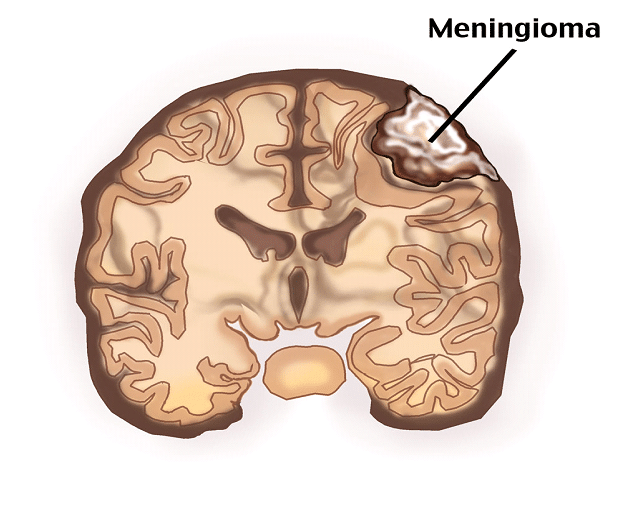
Meningioma is a tumor that develops from the meninges, the protective membranes surrounding the brain and spinal cord. It ranks among the most commonly diagnosed primary brain tumors in adults overall. Despite involving the brain’s vicinity, most meningiomas are benign and grow slowly over many years.
This slow growth pattern means many meningiomas remain completely asymptomatic for decades. Many people discover they have a meningioma only because doctors order imaging for something entirely unrelated. This accidental discovery pattern has become genuinely common in modern medical practice.
Why Meningiomas Often Go Unnoticed for Years
The brain can accommodate slowly growing tumors by gradually adapting over considerable time. This adaptability allows meningiomas to reach significant sizes before causing noticeable symptoms. Patients sometimes look back and realize subtle symptoms existed much earlier than their actual diagnosis.
Types and Classification
Doctors classify meningiomas into three grades reflecting their biological behavior and aggressiveness. Grade one meningiomas, by far the most common, grow slowly and rarely recur after complete surgical removal. These represent truly benign tumors in the conventional medical sense.
Grade two, called atypical meningiomas, grow somewhat faster and carry higher recurrence risk. Grade three, or anaplastic meningiomas, are malignant and behave aggressively, similar to other brain cancers. Fortunately, grades two and three together account for only a minority of all diagnosed meningiomas.
Why Location Matters as Much as Grade
Meningioma behavior depends significantly on where exactly within the skull it develops. Tumors pressing against critical brain regions cause more serious symptoms regardless of their benign nature. Location also determines surgical accessibility and therefore influences available treatment options considerably.
Why Meningiomas Are Frequently Found by Accident
Modern medicine has dramatically increased the frequency of brain imaging across diverse patient populations. CT scans and MRIs performed for headaches, head injuries, or sinusitis routinely reveal unexpected findings. Meningiomas discovered this way often require no immediate treatment beyond careful monitoring.
This incidental discovery pathway now accounts for a substantial proportion of all meningioma diagnoses. Patients naturally feel shocked when imaging reveals an unexpected brain tumor despite feeling perfectly fine. Understanding that incidental discovery often indicates a slow-growing, manageable tumor genuinely helps reduce this initial alarm.
How Imaging Technology Has Changed Diagnosis Patterns
Decades ago, meningiomas typically presented with significant symptoms before doctors discovered them. Improved imaging sensitivity now detects smaller tumors far earlier in their natural development. This earlier detection has shifted the diagnostic landscape significantly toward smaller, more manageable tumors overall.
Recognizing the Symptoms
When meningiomas do cause symptoms, these typically develop gradually rather than suddenly appearing. Persistent headaches, particularly those worsening over weeks, represent one common presenting complaint. Many patients initially attribute these headaches to stress, tension, or ordinary age-related changes.
Seizures, vision problems, and weakness in limbs can develop as tumors grow and press against specific brain regions. Memory changes and subtle personality shifts sometimes emerge when tumors affect frontal lobe areas particularly. Hearing loss or tinnitus occasionally occurs when meningiomas develop near auditory nerve pathways.
Why Symptom Patterns Depend on Tumor Location
The brain controls different functions from specific, well-mapped regions throughout its structure. A meningioma near the visual cortex specifically causes vision disturbances rather than other symptoms. This location-symptom relationship helps neurosurgeons and neurologists predict which structures the tumor affects.
Risk Factors and Who Develops Meningioma
Women develop meningiomas approximately twice as often as men overall. This gender disparity suggests hormonal factors likely contribute to meningioma development and growth. Some research has explored connections between female sex hormones and meningioma growth patterns.
Prior radiation exposure to the head significantly increases meningioma risk. This connection became established following historical radiation treatments for scalp ringworm and other conditions. Neurofibromatosis type two, a genetic condition, also substantially elevates lifetime meningioma risk.
Why Age Also Plays an Important Role
Meningioma risk increases significantly with advancing age in both men and women. Most diagnoses occur in adults between fifty and seventy years old specifically. Children rarely develop meningiomas outside the context of specific genetic conditions.
Treatment Options After Diagnosis
Not every meningioma requires immediate treatment following diagnosis. Small, asymptomatic tumors in older patients often undergo active surveillance with periodic imaging instead. This watchful waiting approach avoids treatment risks when tumors pose minimal immediate threat to health.
Surgery remains the primary treatment when meningiomas cause symptoms or show growth during monitoring. Neurosurgeons aim to achieve complete tumor removal, which offers the highest chance of long-term cure. Complete surgical removal of grade one meningiomas frequently eliminates the tumor permanently without recurrence.
When Radiation Therapy Becomes Necessary
Radiation therapy plays an important role when complete surgical removal proves impossible or unsafe. Stereotactic radiosurgery, sometimes called Gamma Knife treatment, precisely targets remaining tumor tissue with focused radiation. This approach effectively controls tumor growth for many patients with residual or recurrent disease.
Why Some Patients Need Long-Term Monitoring
Even successfully treated meningiomas require periodic follow-up imaging over many subsequent years. Grade two and three tumors carry meaningful recurrence risks requiring closer, more frequent surveillance. This ongoing monitoring ensures any recurrence gets detected and addressed before causing significant neurological harm.
Final Thoughts on Meningioma
Meningioma’s reputation as a frequently incidental, often benign brain tumor provides genuine reassurance to many newly diagnosed patients. Understanding that most cases grow slowly and respond well to treatment helps transform an initially shocking diagnosis into something manageable. Modern neurosurgical techniques and radiation approaches have dramatically improved outcomes for affected patients.
If you receive an unexpected meningioma diagnosis, connect with an experienced neurosurgeon or neuro-oncologist promptly. Ask specifically about tumor size, location, grade, and whether immediate treatment or monitoring best suits your situation. With appropriate, individualized care, most people with meningioma maintain excellent quality of life for many years following diagnosis.
Frequently Asked Questions
Is a meningioma considered brain cancer?
Most meningiomas are benign tumors, meaning they aren’t cancerous in the traditional sense. They develop from the brain’s protective membranes rather than brain tissue directly. However, grade two and grade three meningiomas do behave more aggressively and require more intensive treatment approaches.
Does every meningioma need surgery?
No, small asymptomatic meningiomas often only require watchful waiting with regular imaging scans. Surgery becomes necessary when tumors cause symptoms, compress important brain structures, or grow noticeably during monitoring. Your neurosurgeon will weigh specific factors before recommending surgery versus observation.
Can meningioma come back after surgical removal?
Recurrence risk depends significantly on how completely the surgeon removed the tumor initially. Complete grade one meningioma removal carries relatively low recurrence risk overall. Grade two and three meningiomas carry considerably higher recurrence rates despite apparently complete removal during surgery.
What causes meningioma to develop?
Most meningiomas arise without any clearly identifiable cause in individual patients. Prior radiation exposure to the head represents one well-established risk factor. Genetic conditions like neurofibromatosis type two significantly elevate risk, though most patients have no such identifiable predisposition.
How often do meningiomas grow larger over time?
Growth rates vary considerably between individual meningiomas and different patients. Many small meningiomas remain completely stable for years without any detectable growth whatsoever. Regular follow-up imaging helps determine your specific tumor’s growth pattern and guides appropriate treatment timing decisions.
Disclaimer:
This article is for informational purposes only and does not replace professional medical advice. Please consult a qualified healthcare provider for diagnosis and treatment.
References:
- Meningiomas arise from the meninges—the protective membranes covering the brain and spinal cord, specifically from arachnoid cap cells.
- A brain tumor diagnosis can feel immediately overwhelming and deeply frightening.
- Brain health is about keeping this incredible organ functioning well across your entire life, from how you think and learn to how you move and feel.
Observer Voice is the one stop site for National, International news, Sports, Editor’s Choice, Art/culture contents, Quotes and much more. We also cover historical contents. Historical contents includes World History, Indian History, and what happened today. The website also covers Entertainment across the India and World.

