

Brain Tumors: Types, Grading, and What a Diagnosis Actually Means

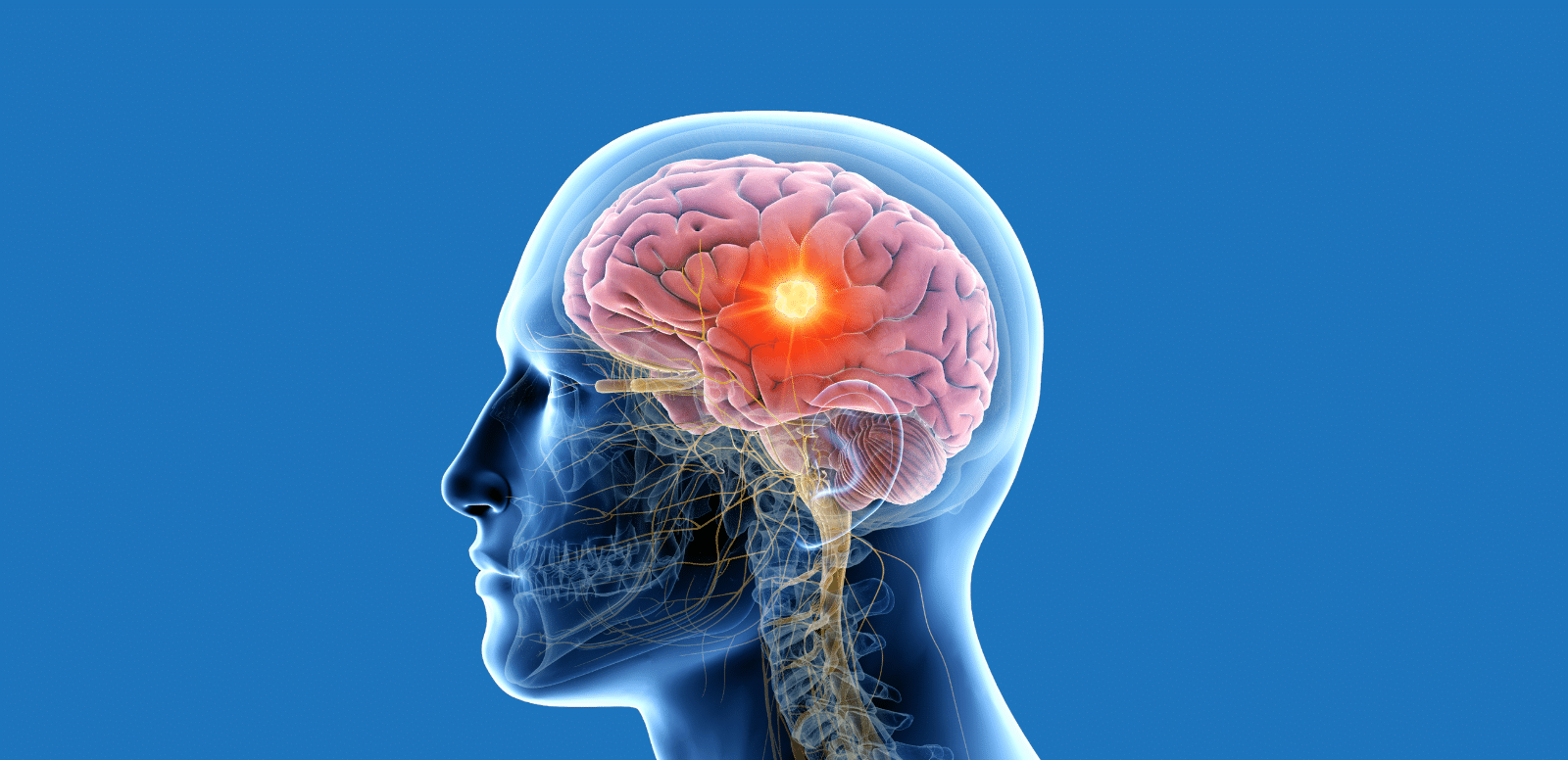
A brain tumor diagnosis can feel immediately overwhelming and deeply frightening. However, this term actually encompasses a remarkably broad range of very different conditions. Some tumors grow slowly and remain manageable for years, while others require immediate, aggressive treatment.
Understanding different types and what grading actually means helps demystify this challenging diagnosis. This knowledge empowers patients to ask better questions and engage more meaningfully in care discussions. Clarity about your specific diagnosis genuinely changes everything about navigating what comes next.
Primary vs. Secondary Brain Tumors
Primary brain tumors originate directly within brain tissue itself. Secondary tumors, also called metastatic brain tumors, spread from cancer elsewhere in the body. This fundamental distinction significantly influences both treatment approach and overall prognosis.
Types of Brain Tumors
Gliomas represent the most common category of primary brain tumors overall. They develop from glial cells, the supportive tissue surrounding and protecting neurons throughout the brain. Gliomas themselves divide into several distinct subtypes based on their specific cell origin.
Astrocytomas, including the well-known glioblastoma, originate from star-shaped cells called astrocytes. Glioblastoma represents the most aggressive and challenging form of brain cancer currently. Understanding your specific glioma subtype significantly influences expected behavior and treatment planning approaches.
Meningiomas and Other Common Types
Meningiomas develop from the protective membranes surrounding the brain and spinal cord. These tumors account for a significant percentage of all primary brain tumor diagnoses annually. Importantly, the majority of meningiomas are benign and grow slowly without aggressive invasion.
Acoustic neuromas, medulloblastomas, and pituitary adenomas represent other commonly diagnosed brain tumor categories. Each arises from distinct cell types with characteristic locations and behaviors. This diversity explains why brain tumor diagnosis requires careful, specialized pathological examination and analysis.
Why Tumor Origin Determines So Much
The specific cell type originating a tumor strongly predicts its likely growth pattern and treatment response. Glial cell-derived tumors often infiltrate surrounding brain tissue diffusely throughout. This infiltrative growth pattern creates significant surgical challenges when attempting complete tumor removal safely.
Understanding the Brain Tumor Grading System
Brain tumors receive grades from one through four, reflecting how abnormal cells appear under microscopic examination. Lower-grade tumors contain cells appearing more similar to normal, healthy brain tissue. Higher-grade cells look significantly abnormal and typically divide much more rapidly.
Grade one and two tumors generally grow more slowly and cause less immediate danger overall. These lower-grade tumors sometimes allow for longer survival periods with appropriate treatment and monitoring. Grade three and four tumors, conversely, grow aggressively and demand urgent, comprehensive treatment intervention.
What Grade Four Actually Means
Grade four brain tumors represent the most aggressive category, growing rapidly with serious prognosis implications. Glioblastoma, classified as grade four, exemplifies this aggressive category most prominently within neurosurgical oncology. Despite this serious designation, modern treatment continues improving management outcomes in meaningful ways.
Why Grading Doesn’t Tell the Complete Story
Grade alone doesn’t fully determine prognosis or guide all treatment decisions independently. Specific genetic mutations within tumors increasingly influence treatment selection and expected outcomes significantly. Molecular profiling has therefore become an essential component of comprehensive, modern brain tumor diagnosis.
Recognizing the Symptoms
Persistent headaches, particularly those worsening upon waking, warrant prompt medical evaluation. Many people initially attribute headaches to stress, tension, or poor sleep instead. This common attribution can delay recognition of potential brain tumor involvement when symptoms persist stubbornly.
Seizures occurring without any prior history represent another significant warning sign requiring immediate attention. Some people also notice gradual personality changes, memory difficulties, or unexpected emotional shifts. These cognitive and behavioral changes often reflect tumor location rather than overall tumor size specifically.
Why Symptoms Reflect Tumor Location
The brain’s different regions control distinct functions, so symptoms vary based on tumor position. Tumors affecting speech centers specifically cause language and communication difficulties. Visual problems emerge when tumors involve optical pathways or visual processing brain centers instead.
When Symptoms Require Emergency Evaluation
Sudden severe headache unlike any previous experience requires emergency medical evaluation immediately. Rapid personality changes, confusion, or sudden vision loss also demand urgent attention. These acute presentations sometimes indicate bleeding associated with tumor tissue rather than direct cancer involvement.
How Doctors Diagnose Brain Tumors
MRI scanning represents the primary and most detailed imaging tool for brain tumor diagnosis. This scan reveals tumor size, location, and sometimes characteristics suggesting specific tumor types. Contrast-enhanced MRI provides additional detail by highlighting areas where the blood-brain barrier has broken down.
Surgical biopsy ultimately provides definitive diagnosis through direct tissue examination by pathologists. Neurosurgeons sometimes perform stereotactic biopsy, using precise targeting systems for deeper tumors specifically. This tissue analysis confirms exact tumor type, grade, and increasingly important molecular characteristics simultaneously.
Why Molecular Testing Has Transformed Diagnosis
Modern brain tumor diagnosis extends far beyond standard microscopic examination alone currently. Specific genetic mutations within tumors now guide treatment selection and predict behavior far more accurately. IDH mutations, MGMT methylation status, and other markers have dramatically refined understanding and treatment of these tumors.
Treatment Options for Brain Tumors
Surgery aims to remove as much tumor tissue as safely possible without harming critical brain functions. Complete surgical removal isn’t always achievable given the brain’s complex, delicate architecture throughout. Even partial removal, called debulking, can meaningfully improve symptoms and overall treatment effectiveness.
Radiation therapy precisely targets remaining tumor cells following surgery. Modern techniques, including stereotactic radiosurgery, focus radiation with extraordinary, highly specific precision. Chemotherapy, particularly temozolomide for glioblastoma, often accompanies radiation therapy for many higher-grade tumors.
Why Treatment Goals Vary Between Tumor Types
Benign, slow-growing tumors sometimes only need watchful waiting and periodic monitoring scans. Aggressive high-grade tumors demand immediate, comprehensive combined treatment approaches instead. Understanding your specific tumor type and grade helps clarify why your recommended treatment plan looks the way it does.
Final Thoughts on Brain Tumor Diagnosis
A brain tumor diagnosis encompasses an enormous range of situations, prognoses, and treatment pathways. Understanding your specific type and grade transforms a terrifying label into genuinely actionable information. This knowledge empowers more confident, informed participation in treatment decisions alongside your specialized medical team.
If you receive a brain tumor diagnosis, ask specifically about type, grade, and molecular tumor characteristics. Understanding these details clarifies your specific situation far more meaningfully than general information alone. With advances in molecular profiling and targeted treatments, outcomes continue improving meaningfully across multiple brain tumor categories today.
Frequently Asked Questions
Are all brain tumors cancerous?
No, many brain tumors are benign, growing slowly without invading surrounding tissue aggressively. Meningiomas, for example, are most commonly benign and often manageable long-term without major intervention. Even benign tumors, however, require monitoring since location can cause significant functional problems regardless.
Can brain tumors be completely cured?
Some brain tumors, particularly benign or low-grade types in accessible locations, can achieve complete surgical cure. Higher-grade tumors, however, often prove more difficult to cure definitively with current treatments. Modern treatment increasingly focuses on long-term control and quality of life even when cure remains challenging.
What causes brain tumors to develop?
Most primary brain tumors arise without clearly identifiable causes in individual patients. Prior radiation exposure to the head represents one well-recognized risk factor. Certain genetic syndromes significantly increase brain tumor risk, though sporadic cases without genetic connection remain most common overall.
How does grading differ from staging in brain cancer?
Grading reflects how abnormal tumor cells appear microscopically under pathological examination. Staging, more commonly used for other cancers, describes how far cancer has spread throughout the body. Brain tumors use primarily grading because primary brain tumors rarely spread meaningfully outside the brain itself.
Do brain tumors always cause headaches?
No, headaches occur in only a portion of brain tumor patients, not universally across all cases. Many patients instead experience seizures, cognitive changes, or focal neurological deficits specifically. Symptom type depends heavily on tumor location rather than tumor grade or histological type.
Disclaimer:
This article is for informational purposes only and does not replace professional medical advice. Please consult a qualified healthcare provider for diagnosis and treatment.
References:
- Brain health is about keeping this incredible organ functioning well across your entire life, from how you think and learn to how you move and feel
- The human brain is a marvel of complexity. It contains specialised and interconnected structures controlling our thoughts, personality and behaviour.
Observer Voice is the one stop site for National, International news, Sports, Editor’s Choice, Art/culture contents, Quotes and much more. We also cover historical contents. Historical contents includes World History, Indian History, and what happened today. The website also covers Entertainment across the India and World.

