

Coccidioidomycosis (Valley Fever): The Soil Fungus Causing Lung Disease in the Americas

Valley fever, medically called coccidioidomycosis, is a fungal infection affecting the lungs. It comes from Coccidioides fungus, naturally found in dry, dusty soil. This fungus thrives particularly well in certain regions throughout the Americas.
Most infected people experience mild or no symptoms at all. However, some develop more significant respiratory illness requiring medical attention. Understanding this range helps explain why awareness matters despite often-mild presentation.
Why This Fungus Thrives in Specific Regions
Coccidioides fungus prefers arid, dusty soil found in specific desert-like climates. Areas with hot summers and minimal rainfall provide especially favorable growing conditions. This specific preference explains why Valley fever concentrates in certain geographic regions.
How Valley Fever Spreads
People become infected by inhaling fungal spores released from disturbed soil. Activities like construction, farming, or even strong winds can release these spores. Once airborne, these spores travel easily and become inhaled unknowingly.
This infection doesn’t spread between people under typical circumstances. Environmental exposure through inhaling contaminated dust represents the primary transmission route. This characteristic significantly differs from many contagious respiratory illnesses.
Activities That Increase Exposure Risk
Construction work, farming, and off-road vehicle use can disturb contaminated soil significantly. Archaeological digging and military training exercises have also caused documented outbreaks. Awareness of these activities helps people consider appropriate precautions.
Why Geography Plays Such a Significant Role
Valley fever concentrates heavily in the southwestern United States, particularly Arizona and California. It also occurs in parts of Mexico and Central and South America. This specific geographic pattern directly reflects the fungus’s preferred soil and climate conditions.
Recognizing the Symptoms
Many people infected with Coccidioides never develop noticeable symptoms at all. When symptoms occur, they often resemble mild flu or pneumonia. Fever, cough, and fatigue frequently represent these common initial symptoms.
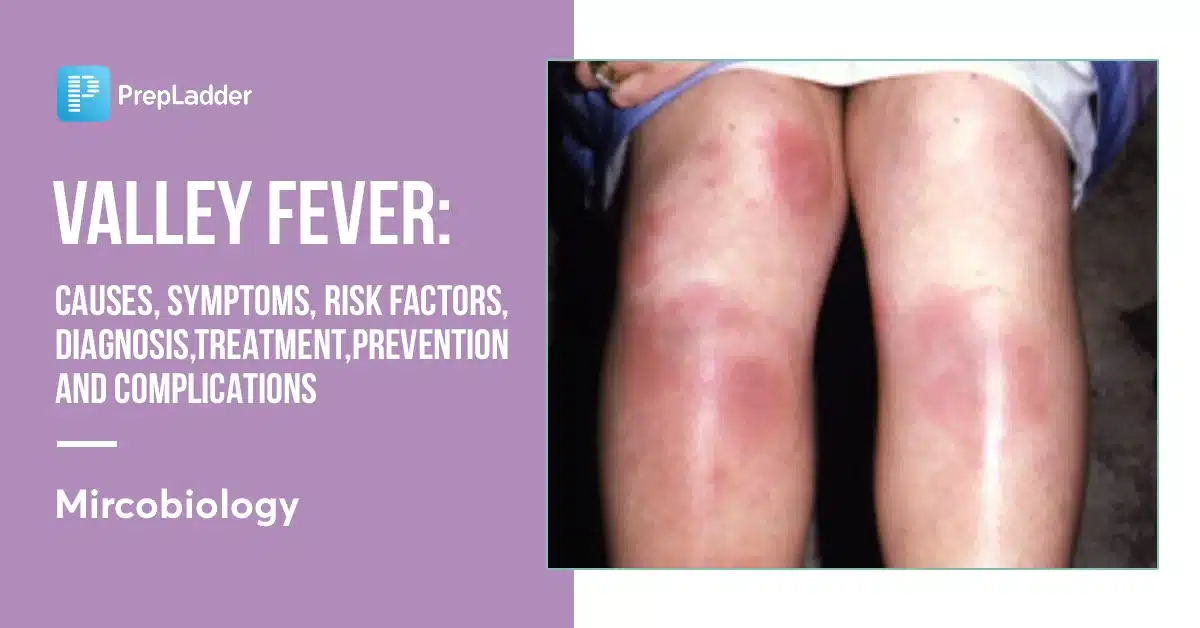
Chest pain and shortness of breath can develop in more significant cases. Some people also notice joint pain or a distinctive skin rash. Symptoms can persist for weeks before gradually improving in milder cases.
Why Symptoms Often Resemble Common Respiratory Illness
Valley fever’s flu-like presentation frequently leads to initial misdiagnosis as bacterial pneumonia. Without specific testing, doctors might not immediately suspect this fungal infection. This overlap significantly contributes to delayed diagnosis in many cases.
Who Faces Risk for More Severe Illness
People with weakened immune systems face substantially higher risk for severe Valley fever. This includes individuals with HIV, organ transplants, or certain immune-suppressing medications. Pregnant women and certain ethnic groups also show increased susceptibility to severe disease.
How Doctors Diagnose Valley Fever
Diagnosis typically begins with a detailed history, including residence or travel to endemic regions. Doctors specifically ask about recent soil disturbance or outdoor activities. This exposure history significantly supports accurate, timely diagnosis.
Blood tests can detect specific antibodies related to Coccidioides infection. Chest X-rays sometimes reveal characteristic lung patterns associated with this fungus. Combining these results with exposure history confirms diagnosis effectively.
Why Living in Endemic Areas Matters for Diagnosis
Doctors outside endemic regions might not immediately consider Valley fever as a possibility. Mentioning travel or residence in affected areas helps guide appropriate testing decisions. This geographic context frequently proves essential for efficient diagnosis.
Treatment Options for Valley Fever
Mild cases often resolve naturally without requiring specific antifungal treatment. The immune system typically clears the infection independently over several weeks. Rest and symptom management usually suffice for these milder presentations.
More severe or persistent cases require antifungal medication for effective treatment. Fluconazole represents a commonly prescribed antifungal for moderate Valley fever cases. Severe cases may require longer treatment courses, sometimes lasting several months or longer.
Why Treatment Approaches Vary So Considerably
Treatment decisions depend heavily on symptom severity and individual immune status. Mild cases need only monitoring, while severe cases require extended antifungal therapy. This variation reflects how differently Valley fever can affect different individuals.
Managing Severe or Disseminated Cases
When infection spreads beyond the lungs, more intensive antifungal treatment becomes necessary. This disseminated form can affect skin, bones, or even the brain. Hospitalization and prolonged treatment often become necessary for these serious complications.
Preventing Valley Fever Exposure
Avoiding unnecessary dust exposure significantly reduces infection risk in endemic areas. Wearing protective masks during activities disturbing soil offers important protection. This precaution proves especially valuable during construction or outdoor work.
Staying indoors during dust storms also helps reduce exposure significantly. Wetting down soil before digging can minimize airborne spore release too. These combined strategies offer meaningful protection for residents of endemic regions.
Final Thoughts on Valley Fever
Valley fever illustrates how environmental soil exposure can cause unexpected respiratory illness. Understanding regional risk and recognizing symptoms helps ensure appropriate, timely medical care. Most people recover fully, though some face more significant illness requiring treatment.
If you develop respiratory symptoms after time in endemic regions, mention this to your doctor. Early recognition helps guide appropriate testing and treatment decisions. With proper care, most people manage Valley fever successfully, regardless of initial severity.
Frequently Asked Questions
Can Valley fever spread between people?
No, Valley fever doesn’t spread from person to person under normal circumstances. Infection requires inhaling fungal spores from contaminated soil directly. This makes environmental exposure the only meaningful transmission route.
How long does it take for symptoms to appear?
Symptoms typically appear within one to three weeks following spore inhalation. Many people, however, never develop noticeable symptoms despite confirmed infection. This variable presentation reflects individual immune response differences significantly.
Can pets get Valley fever too?
Yes, pets, particularly dogs, can develop Valley fever from similar soil exposure. Symptoms in dogs often include coughing, lethargy, and reduced appetite. Veterinary evaluation helps address concerns regarding pet exposure in endemic areas.
Does having Valley fever once provide future immunity?
Most people who recover from Valley fever develop lasting immunity against reinfection. This means future exposure typically doesn’t cause illness again for most individuals. However, severely immunocompromised individuals may not develop this same protective immunity.
Can Valley fever become a long-term, chronic illness?
In rare cases, particularly with weakened immunity, Valley fever can become chronic or recurring. This typically requires extended antifungal treatment and closer ongoing monitoring. Most healthy individuals, however, recover completely without lasting infection.
Disclaimer:
This article is for informational purposes only and does not replace professional medical advice. Please consult a qualified healthcare provider for diagnosis and treatment.
References:
- Silicon Valley‘s tech leaders, including David Sacks, the White House AI and Crypto Czar, and Jason Kwon, Chief Strategy Officer at OpenAI,
- Parts of Bengaluru, often referred to as India’s Silicon Valley, are grappling with severe flooding following unprecedented rainfall.
- Echo Valley, the latest American thriller drama, has made its digital debut, captivating audiences with its intense storyline and stellar performances.
Observer Voice is the one stop site for National, International news, Sports, Editor’s Choice, Art/culture contents, Quotes and much more. We also cover historical contents. Historical contents includes World History, Indian History, and what happened today. The website also covers Entertainment across the India and World.

