Editor’s Choice
-
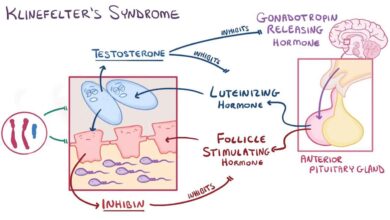
Klinefelter Syndrome (XXY): Symptoms, Diagnosis, and What Treatment Can Offer
Klinefelter syndrome is a genetic condition affecting males who are born with an extra X chromosome, resulting in a 47,XXY…
Read More » -

Turner Syndrome: What It Means to Have Only One X Chromosome
Turner syndrome is a genetic condition affecting females where one of the two X chromosomes is completely or partially missing.…
Read More » -
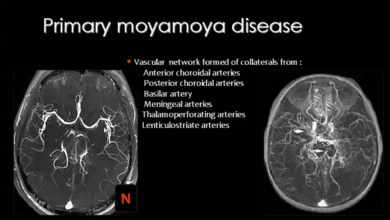
Moyamoya Disease: The Rare Cerebrovascular Condition Causing Childhood Strokes
Moyamoya disease is a rare, chronic, progressive cerebrovascular disorder characterized by narrowing and eventual blockage of the major arteries at…
Read More » -
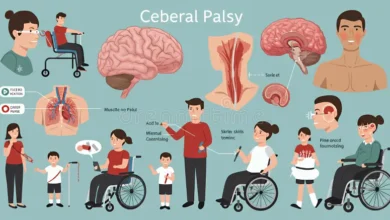
Cerebral Palsy: Causes, Types, and What Life Looks Like With Proper Support
Cerebral palsy, often abbreviated as CP, is a group of permanent movement disorders appearing in early childhood due to abnormal…
Read More » -
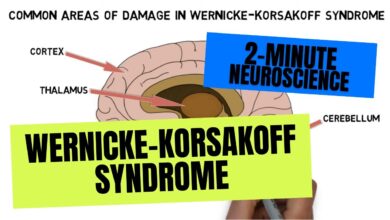
Wernicke-Korsakoff Syndrome: Thiamine Deficiency and Its Brain Consequences
Wernicke-Korsakoff syndrome represents a severe neurological disorder resulting from thiamine, vitamin B1, deficiency affecting the brain. The condition actually encompasses…
Read More » -
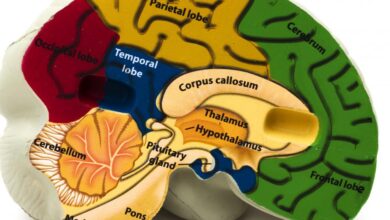
Corticobasal Syndrome: The Rare Neurodegeneration Behind Alien Limb Syndrome
Corticobasal syndrome, abbreviated as CBS, is a rare progressive neurological disorder affecting movement, sensation, cognition, and behavior. Named for the…
Read More » -

Progressive Supranuclear Palsy (PSP): The Parkinson’s Mimic That’s Often Missed
Progressive supranuclear palsy, abbreviated as PSP, is a rare degenerative brain disorder affecting movement, balance, vision, speech, and thinking. Named…
Read More » -
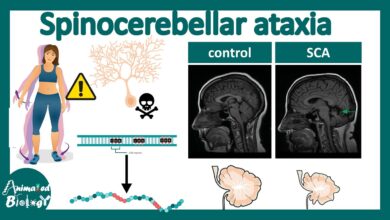
Spinocerebellar Ataxia: The Progressive Balance Disorders You May Not Know
Spinocerebellar ataxia, abbreviated as SCA, represents a group of more than 40 different inherited disorders that progressively damage the cerebellum…
Read More » -

Tourette Syndrome: Separating Fact From Pop Culture Myths
Tourette syndrome is a neurological disorder characterized by repetitive, involuntary movements and sounds called tics. Named after French neurologist Georges…
Read More » -
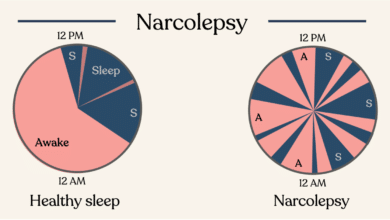
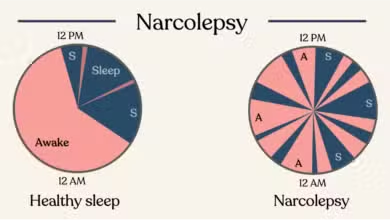
Narcolepsy: The Misunderstood Sleep Disorder That Is Not About Being Lazy
Narcolepsy is a chronic neurological disorder that disrupts the brain’s ability to regulate sleep-wake cycles properly. People with narcolepsy experience…
Read More » -
Restless Legs Syndrome: More Than an Annoyance — What’s Happening Neurologically
Restless legs syndrome, abbreviated as RLS, is a neurological disorder creating an overwhelming urge to move your legs, usually accompanied…
Read More » -
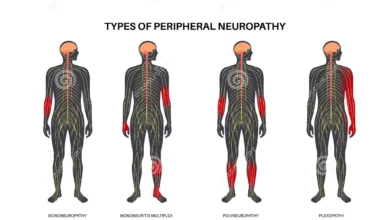
Peripheral Neuropathy: Causes Beyond Diabetes and What to Do About It
Peripheral neuropathy affects millions of people worldwide, causing pain, numbness, and weakness in hands and feet. While most people associate…
Read More » -
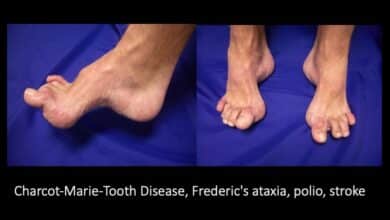
Charcot-Marie-Tooth Disease: The Most Common Inherited Peripheral Neuropathy
Charcot-Marie-Tooth disease, often called CMT, is a group of inherited disorders that affect the peripheral nerves in your body. These…
Read More » -
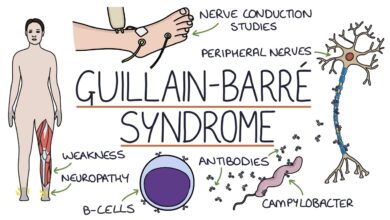
Guillain-Barré Syndrome: The Sudden Paralysis That Often Follows Infection
Guillain-Barré Syndrome, commonly called GBS, is a rare but serious autoimmune disorder characterized by rapidly progressive paralysis. The condition typically…
Read More » -
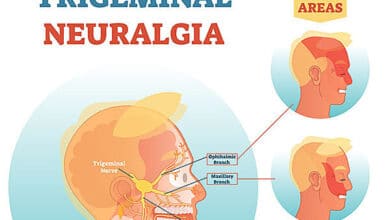
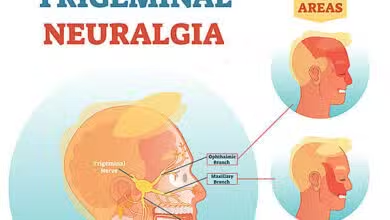
Trigeminal Neuralgia: The ‘Suicide Disease’ and What Modern Treatment Offers
Trigeminal Neuralgia, commonly called TN, is a chronic pain disorder affecting the trigeminal nerve causing sudden, severe, stabbing facial pain.…
Read More »