

Peripheral Neuropathy: Causes Beyond Diabetes and What to Do About It

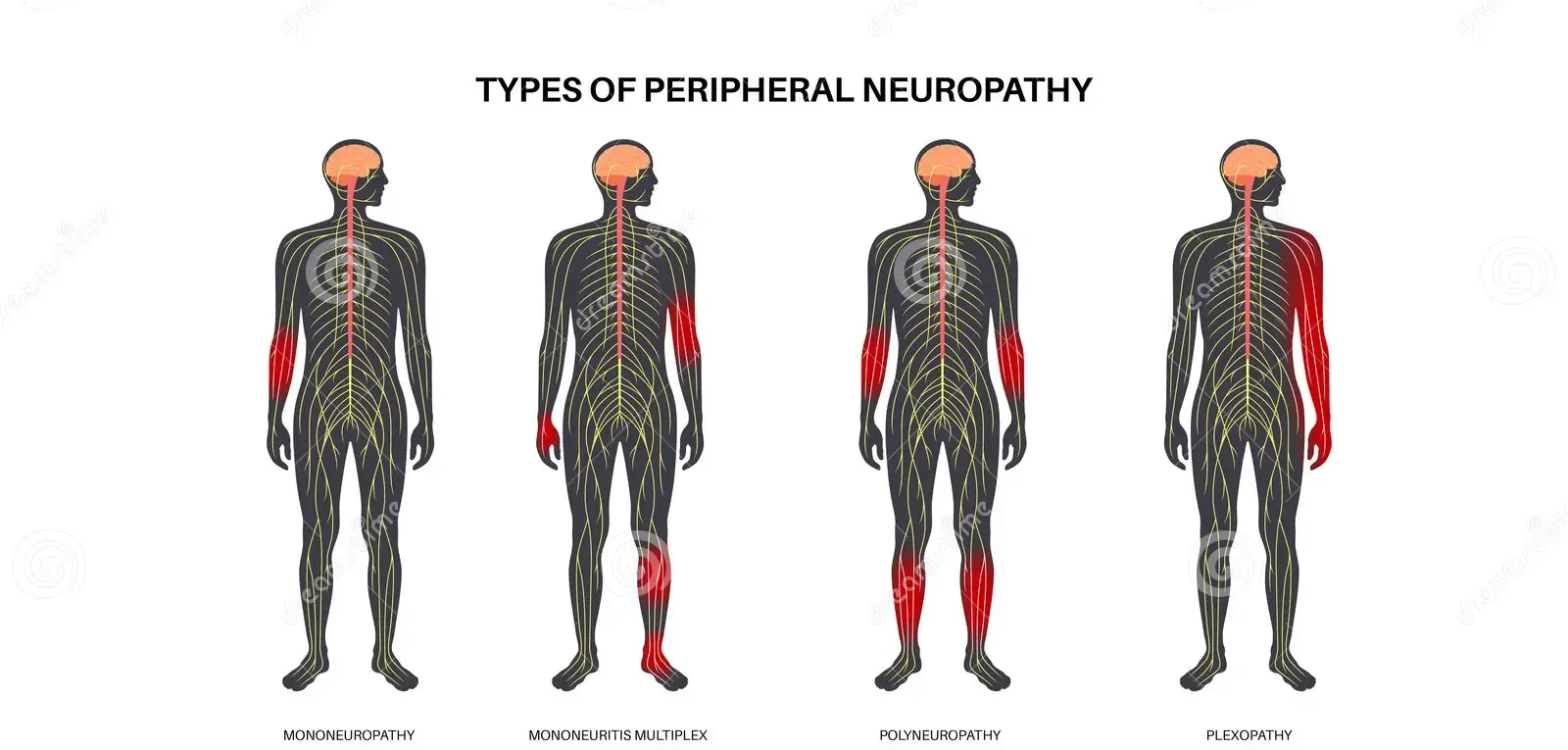
Peripheral neuropathy affects millions of people worldwide, causing pain, numbness, and weakness in hands and feet. While most people associate nerve damage with diabetes, numerous other conditions can harm the peripheral nervous system. These nerves form a vast communication network connecting your brain and spinal cord to every part of your body, controlling movement, sensation, and automatic functions like heart rate and digestion. When peripheral nerves become damaged, the effects can range from mild tingling to severe disability. Understanding the diverse causes of peripheral neuropathy helps patients receive proper diagnosis and treatment. According to the World Health Organization, neurological disorders affect millions globally, making awareness crucial for early intervention and better outcomes.
Understanding Peripheral Neuropathy
Your peripheral nervous system contains three main nerve types. Motor nerves control muscle movement, sensory nerves carry information about touch, temperature, and pain, while autonomic nerves regulate involuntary functions like blood pressure and bladder control. Peripheral neuropathy damages one or more of these nerve types, creating varied symptoms depending on which nerves are affected. The condition can develop suddenly or gradually over years. Some people experience symptoms in a specific area, while others face widespread nerve damage throughout the body. Severity ranges from minor annoyance to life-altering complications requiring significant lifestyle adjustments and ongoing medical care.
Common Causes Beyond Diabetes
Although diabetes remains the leading cause of peripheral neuropathy, many other conditions trigger nerve damage. Infections represent a significant category, with viruses like HIV, herpes zoster causing shingles, and Lyme disease directly attacking nerve tissue. Hepatitis C and leprosy also damage peripheral nerves when left untreated. Autoimmune diseases cause the body’s immune system to mistakenly attack nerve tissue. Conditions like rheumatoid arthritis, lupus, Guillain-Barre syndrome, and chronic inflammatory demyelinating polyneuropathy fall into this category. The immune system treats healthy nerves as foreign invaders, gradually destroying protective myelin coverings or nerve fibers themselves.
Vitamin deficiencies seriously impact nerve health. Vitamin B12, B1, B6, and E are essential for proper nerve function. Deficiency can result from poor diet, absorption problems, or certain medications. Alcoholism commonly leads to thiamine deficiency, causing alcoholic neuropathy affecting millions worldwide. Toxins and chemicals present another major cause. Heavy metals like lead, mercury, and arsenic poison nerves. Industrial chemicals, certain medications including some chemotherapy drugs, and excessive alcohol consumption all damage peripheral nerves. Even some antibiotics and medications treating heart conditions can trigger neuropathy as an unwanted side effect.
Inherited conditions account for numerous neuropathy cases. Charcot-Marie-Tooth disease represents the most common inherited neuropathy, affecting approximately one in 2,500 people. Other genetic disorders disrupting nerve function include Fabry disease and familial amyloidosis. Tumors, whether cancerous or benign, can compress or invade nerves, causing damage. Kidney disease, liver disease, and hormonal imbalances involving thyroid function also contribute to peripheral neuropathy development. Physical trauma from accidents, repetitive motion injuries, or prolonged pressure on nerves rounds out the extensive list of causes.
Recognizing Symptoms and Patterns
Symptoms depend on which nerve types are damaged. Sensory nerve damage typically begins in toes and fingers, gradually spreading upward in a glove-and-stocking pattern. People describe feelings of pins and needles, burning sensations, sharp stabbing pains, or electric shock-like jolts. Some experience heightened sensitivity where light touch feels painful, while others lose sensation entirely, making it difficult to detect injuries or temperature changes. Motor nerve damage causes muscle weakness, cramping, and loss of coordination. People may struggle with fine motor tasks like buttoning shirts or picking up small objects. Foot drop, where lifting the front of the foot becomes difficult, makes walking challenging and increases fall risk. Muscle wasting occurs in severe cases as nerves can no longer stimulate muscle tissue properly.
Autonomic nerve damage affects internal organ function. Symptoms include dizziness upon standing due to blood pressure changes, digestive problems like constipation or diarrhea, bladder control issues, abnormal sweating patterns, and sexual dysfunction. Some people experience dangerously unnoticed low blood sugar because autonomic nerves fail to signal warning symptoms. Pain patterns vary considerably between individuals. Some experience constant burning or aching, while others face intermittent sharp pains. Nighttime often brings worse symptoms, disrupting sleep and reducing quality of life significantly.
Diagnosis and Testing Methods
Diagnosing peripheral neuropathy requires thorough medical evaluation. Doctors begin with detailed medical history, asking about symptoms, family history, medication use, alcohol consumption, and potential toxin exposure. Physical examination tests muscle strength, reflexes, sensation, and coordination. Neurological testing includes checking vibration sense using a tuning fork, temperature discrimination, and light touch response. Blood tests screen for numerous conditions causing neuropathy. These include diabetes, vitamin deficiencies, thyroid problems, kidney and liver function, autoimmune markers, and infections. Specialized tests detect heavy metal poisoning or genetic mutations when family history suggests inherited neuropathy.
Nerve conduction studies measure how quickly electrical signals travel through nerves. Electrodes placed on skin deliver small electrical pulses, measuring response speed and strength. Damaged nerves conduct signals slower than healthy ones or produce weaker responses. Electromyography examines electrical activity in muscles, distinguishing nerve problems from muscle diseases. A needle electrode inserted into muscle records electrical patterns during rest and contraction. Nerve biopsy, though less common now, involves removing a small nerve piece for microscopic examination. This procedure helps diagnose specific neuropathy types when other tests remain inconclusive. Skin biopsy examines small nerve fiber density, particularly useful for detecting small fiber neuropathy missed by standard nerve conduction studies.
Treatment Approaches and Management
Treatment focuses on addressing underlying causes while managing symptoms. Controlling diabetes, correcting vitamin deficiencies, treating infections, or removing toxin exposure can prevent further nerve damage and sometimes allow partial recovery. However, nerve regeneration progresses slowly, taking months or years. Pain management combines multiple strategies. Medications include antidepressants like duloxetine and amitriptyline, which affect pain signal processing in the brain. Anti-seizure drugs such as gabapentin and pregabalin reduce nerve pain effectively. Topical treatments including capsaicin cream or lidocaine patches provide localized relief without systemic side effects. Over-the-counter pain relievers help mild cases but rarely suffice for severe neuropathic pain.
Physical therapy maintains muscle strength and flexibility while improving balance and coordination. Therapists design exercise programs preventing muscle atrophy and reducing fall risk. Occupational therapy teaches adaptive techniques and recommends assistive devices making daily tasks easier despite hand weakness or numbness. Transcutaneous electrical nerve stimulation delivers gentle electrical currents through skin, potentially interrupting pain signals. Some patients find relief through acupuncture, massage, or meditation, though scientific evidence for these approaches varies. Proper foot care becomes critical for people with sensory loss. Daily foot inspection prevents unnoticed injuries from developing into serious infections. Well-fitting shoes, avoiding walking barefoot, and professional nail care reduce complication risks.
Lifestyle modifications support nerve health and symptom management. Maintaining healthy weight reduces pressure on nerves while improving diabetes control. Regular exercise promotes blood flow to nerves, potentially slowing damage progression. Limiting or eliminating alcohol consumption prevents further nerve injury. Balanced nutrition ensures adequate vitamin intake supporting nerve function. Managing stress through relaxation techniques may reduce pain perception and improve overall wellbeing.
Living with Peripheral Neuropathy
Peripheral neuropathy challenges daily life, but many people adapt successfully with proper support. Support groups provide emotional comfort and practical advice from others facing similar struggles. Sharing experiences and coping strategies builds resilience and reduces feelings of isolation. Mental health support helps people adjust to chronic pain and disability. Depression and anxiety commonly accompany peripheral neuropathy, creating cycles where emotional distress worsens pain perception. Counseling or therapy breaks these cycles, improving quality of life. Vocational rehabilitation assists people continuing work despite neuropathy symptoms. Workplace modifications, assistive technology, and flexible schedules enable continued employment and financial independence.
Research continues advancing understanding and treatment of peripheral neuropathy. Scientists investigate nerve regeneration techniques, novel pain medications, and targeted therapies addressing specific neuropathy causes. Gene therapy shows promise for inherited neuropathies, while stem cell research explores nerve repair possibilities. Clinical trials test new treatments, offering hope for future improvements beyond current options. Organizations like ObserverVoice.com help spread awareness about peripheral neuropathy, ensuring people recognize symptoms early and seek appropriate medical care before permanent nerve damage occurs.
Frequently Asked Questions
Can peripheral neuropathy be reversed?
Reversal depends on the underlying cause and damage extent. When caused by vitamin deficiency, infection, or toxin exposure, removing the cause may allow partial or complete recovery over months or years. However, nerves regenerate very slowly. Permanent damage from long-standing diabetes or inherited conditions typically cannot be reversed, though proper treatment prevents further deterioration.
Is peripheral neuropathy always painful?
No, not everyone with peripheral neuropathy experiences pain. Some people only have numbness, tingling, or weakness without pain. Others lose sensation entirely in affected areas. However, approximately half of peripheral neuropathy patients do experience pain ranging from mild to severe. Pain patterns and intensity vary greatly between individuals.
What foods should I eat to help nerve health?
Foods rich in B vitamins support nerve health. These include whole grains, lean meats, fish, eggs, dairy products, legumes, and leafy green vegetables. Omega-3 fatty acids found in salmon, walnuts, and flaxseed may reduce inflammation affecting nerves. Antioxidant-rich fruits and vegetables protect against nerve damage. Avoid excessive alcohol and maintain balanced nutrition overall.
How long does peripheral neuropathy take to develop?
Development time varies by cause. Some forms develop suddenly within days, like Guillain-Barre syndrome. Others progress gradually over months or years, such as diabetic neuropathy or inherited conditions. Toxic exposure may cause rapid onset, while vitamin deficiencies typically produce symptoms after prolonged deficiency periods. Early symptoms may be subtle and easily missed.
Should I see a specialist for peripheral neuropathy?
Yes, consulting a neurologist specializing in nerve disorders ensures accurate diagnosis and optimal treatment. Neurologists perform specialized testing, interpret results correctly, and prescribe appropriate medications. They coordinate with other specialists addressing underlying causes like endocrinologists for diabetes or rheumatologists for autoimmune conditions. Early specialist consultation improves long-term outcomes.
Disclaimer:
This article adapts publicly available information from medical literature and health organizations. This content is for informational and educational purposes only and does not constitute medical advice. ObserverVoice.com is a news and information platform — not a healthcare provider. For diagnosis, treatment, or medical advice regarding peripheral neuropathy, consult qualified healthcare professionals.
References
- National Institute of Neurological Disorders and Stroke – Peripheral Neuropathy Fact Sheet: https://www.ninds.nih.gov/health-information/disorders/peripheral-neuropathy
- Mayo Clinic – Peripheral Neuropathy: https://www.mayoclinic.org/diseases-conditions/peripheral-neuropathy/symptoms-causes/syc-20352061
- Johns Hopkins Medicine – Peripheral Neuropathy: https://www.hopkinsmedicine.org/health/conditions-and-diseases/peripheral-neuropathy
- Cleveland Clinic – Peripheral Neuropathy: https://my.clevelandclinic.org/health/diseases/14737-peripheral-neuropathy
- American Academy of Neurology – Peripheral Neuropathy Patient Information: https://www.aan.com/patient
- The Foundation for Peripheral Neuropathy: https://www.foundationforpn.org/what-is-peripheral-neuropathy/
Observer Voice is the one stop site for National, International news, Sports, Editor’s Choice, Art/culture contents, Quotes and much more. We also cover historical contents. Historical contents includes World History, Indian History, and what happened today. The website also covers Entertainment across the India and World.

