

Hoarding Disorder: The Mental Health Condition Behind the Clutter

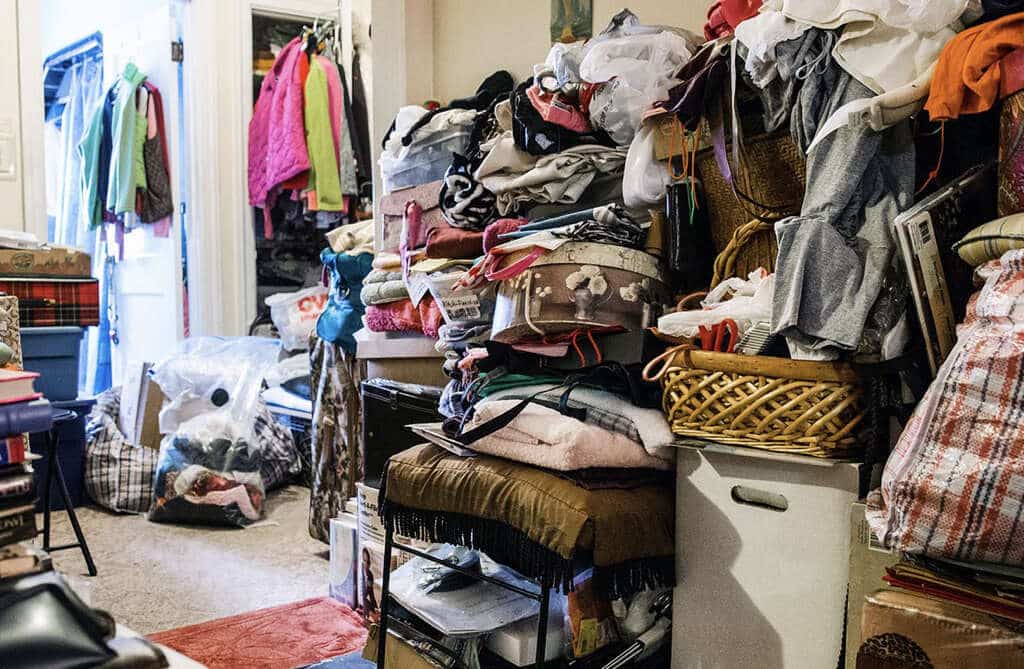
Television programmes about extreme clutter have made hoarding a familiar cultural image. Rooms stacked floor to ceiling, narrow pathways through accumulated possessions, families torn apart by the scale of the problem. What these programmes rarely capture is the mental health reality underneath — the profound distress, the cognitive patterns, and the neurological differences that drive hoarding behaviour.
Hoarding disorder is not laziness, eccentricity, or a failure of willpower. It is a recognised mental health condition with its own diagnostic criteria, its own neurobiological underpinnings, and its own evidence-based treatments. Understanding it accurately is the foundation of meaningful support — for people living with the condition and for everyone around them.
What Is Hoarding Disorder?
Hoarding disorder is a mental health condition characterised by persistent difficulty discarding or parting with possessions, regardless of their actual value. This difficulty generates intense distress and results in the accumulation of so many items that living spaces become cluttered to the point where they can no longer serve their intended purpose.
When Does Collecting Become Hoarding?
Many people collect objects — stamps, books, memorabilia, antiques. Collecting becomes hoarding when the accumulation causes significant functional impairment, when discarding items triggers intense emotional distress, and when the living environment becomes unsafe or unusable as a result.
The critical distinction lies not in the quantity of possessions but in the relationship to those possessions and the impact on daily life. A collector typically organises, displays, and derives pride from their items. A person with hoarding disorder experiences acquiring and keeping as driven by anxiety and distress rather than by organised enjoyment.
Recognition as a Distinct Diagnosis
The DSM-5, published in 2013, formally recognised hoarding disorder as a standalone diagnosis for the first time. Previously, hoarding was understood primarily as a symptom of OCD or other conditions. Research demonstrating distinct psychological profiles, neural patterns, and treatment responses in people with hoarding disorder supported its reclassification as an independent condition.
The ICD-11 similarly includes hoarding disorder as a distinct diagnostic category, cementing its recognition across international classification systems.
How Common Is Hoarding Disorder?
Hoarding disorder affects more people than most estimates suggest. Research indicates a prevalence of approximately 2% to 6% of the general population, making it more common than conditions such as schizophrenia or bipolar disorder.
Age and Gender Patterns
Hoarding disorder affects people across all age groups and genders. Symptoms typically begin in adolescence but often go unrecognised until midlife, when accumulation has reached clinically significant levels. The condition tends to worsen with age rather than resolving naturally without intervention.
Research findings on gender differences in hoarding disorder are mixed. Some studies report equal prevalence across genders, while others suggest slightly higher rates in men. Importantly, women appear more likely to seek treatment, which may skew clinical samples and create a misleading impression about who lives with this condition.
Hoarding in Older Adults
Hoarding disorder is particularly prevalent among older adults and carries specific risks in this population. Accumulated possessions create physical hazards — fall risks, fire risks, and barriers to emergency access — that pose serious safety concerns. Social isolation is also more pronounced in older adults with hoarding disorder, as shame about home conditions prevents visitors and limits engagement with support services.
Identifying and supporting older adults with hoarding disorder requires sensitivity, coordination between health and social care services, and an understanding that compulsory clearance without treatment produces no lasting change.
What Causes Hoarding Disorder?
No single cause fully explains hoarding disorder. Research points to a combination of neurobiological differences, cognitive patterns, emotional factors, and life experiences that together drive the condition.
Brain Function and Decision-Making
Neuroimaging research has identified consistent differences in brain function in people with hoarding disorder compared to those without it. Studies show altered activity in regions involved in decision-making, emotional regulation, and error detection — particularly the anterior cingulate cortex and insula.
When people with hoarding disorder face decisions about discarding items, these brain regions show unusual activation patterns. Decision-making about possessions generates intense anxiety and cognitive confusion that most people simply do not experience when deciding what to keep or throw away.
Cognitive Patterns Unique to Hoarding
People with hoarding disorder often hold distinctive beliefs about their possessions. Many attach strong emotional significance to objects, viewing them as extensions of identity, repositories of memory, or sources of potential future utility. The thought of discarding an object can feel like a genuine loss — of the past, of a possible future use, or of part of themselves.
Perfectionism also plays a role. Many people with hoarding disorder avoid discarding items because they cannot determine with certainty whether they will need them later. This intolerance of uncertainty — the inability to accept that a discarded item might theoretically be needed — paralyses the decision-making process entirely.
The Role of Trauma and Loss
Significant life events, particularly experiences of loss, deprivation, or trauma, frequently feature in the histories of people with hoarding disorder. Some individuals began accumulating following bereavement, divorce, or periods of financial hardship. Objects may represent safety, connection, or protection against future loss in ways the person may not consciously recognise.
Childhood experiences of poverty or deprivation can establish deeply ingrained beliefs about the value and necessity of keeping things. These beliefs persist long after the original circumstances have passed, driving accumulation as a felt necessity rather than a conscious choice.
Genetic and Family Factors
Hoarding disorder runs in families. Research suggests that approximately 50% of people with hoarding disorder have a first-degree relative who also hoards. Twin studies indicate a significant genetic component, though no specific gene reliably predicts the condition.
This genetic contribution likely operates through shared neurobiological vulnerabilities — particularly in decision-making, emotional regulation, and anxiety systems — rather than through inheritance of hoarding behaviour directly.
Recognising Hoarding Disorder: Key Signs
Hoarding disorder presents with a recognisable cluster of features that distinguish it from ordinary messiness or clutter. Understanding these signs supports both self-recognition and concerned identification by family members or healthcare providers.
Difficulty Discarding Possessions
The defining feature of hoarding disorder is persistent, intense difficulty letting go of items. This difficulty applies regardless of the item’s monetary value. People with hoarding disorder may struggle to discard broken objects, expired food, old newspapers, or packaging materials with the same intensity as valuable items.
Attempts to discard possessions typically generate significant anxiety, distress, and sometimes rage or grief. This emotional response is not proportionate to the item’s value — it reflects the meaning the person’s brain has attached to the object and the fear associated with its loss.
Excessive Acquisition
Many — though not all — people with hoarding disorder also engage in excessive acquisition. This may involve purchasing far more items than needed, collecting free items compulsively, or rescuing objects from bins and recycling. Compulsive buying — acquiring items not for use but driven by the emotional pull of ownership — is particularly common.
Acquisition provides temporary emotional relief, similar to the relief compulsions provide in OCD. The relief is short-lived, and the cycle of acquisition continues as the underlying anxiety returns.
Cluttered Living Spaces
The accumulation of possessions gradually renders living spaces non-functional. Kitchens become inaccessible, beds become covered, bathrooms fill with stored items. The home no longer serves its intended purpose, yet the person with hoarding disorder experiences profound resistance to restoring functionality through discarding.
This level of clutter creates genuine safety risks. Fire hazards, fall risks, structural damage from the weight of accumulated items, and blocked emergency exits are all documented consequences of severe hoarding disorder in real-world settings.
Emotional Distress and Impaired Functioning
Hoarding disorder causes significant emotional distress — shame, anxiety, depression, and social isolation. Many people with hoarding disorder avoid inviting others into their home, prevent maintenance workers from accessing the property, and live in a state of chronic stress about their living conditions.
Functional impairment extends to work, family relationships, and physical health. The consequences of hoarding disorder reach far beyond the immediate living environment.
Hoarding Disorder and Co-Occurring Conditions
Hoarding disorder frequently co-occurs with other mental health conditions. Recognising and addressing these alongside hoarding disorder is essential for comprehensive, effective care.
OCD and Hoarding
Hoarding disorder was historically classified as an OCD symptom. Research now demonstrates that while the two conditions share some features — intrusive thoughts, driven repetitive behaviours — they differ significantly in their cognitive profiles, brain activity patterns, and treatment responses.
People with both OCD and hoarding disorder require treatment addressing each condition. Standard OCD treatments applied to hoarding without modification produce substantially poorer outcomes than hoarding-specific approaches.
Depression and Anxiety
Depression and anxiety disorders are extremely common alongside hoarding disorder. The shame, isolation, and functional impairment of hoarding disorder create fertile conditions for persistent low mood. Anxiety — particularly around decision-making and loss — is central to the hoarding experience and often meets criteria for a distinct anxiety disorder.
Treating depression and anxiety in isolation, without addressing hoarding disorder directly, rarely produces meaningful improvement in hoarding symptoms. Integrated treatment that addresses all co-occurring conditions simultaneously produces the best outcomes.
ADHD and Executive Function
Research identifies elevated rates of attention-deficit/hyperactivity disorder (ADHD) in people with hoarding disorder. This association makes clinical sense — both conditions involve difficulties with decision-making, organisation, sustained attention, and working memory.
Executive function difficulties make the already challenging task of sorting and discarding possessions even more overwhelming. ADHD-informed modifications to hoarding treatment — including breaking tasks into very small steps, using external structure, and reducing cognitive demands — significantly improve engagement and outcomes.
How Hoarding Disorder Is Diagnosed
Accurate diagnosis of hoarding disorder requires clinical assessment by a qualified mental health professional. The diagnosis rests on the presence of specific features rather than simply on the observation of a cluttered home.
Diagnostic Criteria
According to the DSM-5, hoarding disorder requires persistent difficulty discarding possessions regardless of actual value, a strong perceived need to save items and distress at the thought of discarding them, accumulation that clutters active living areas to the point of compromising their intended use, and clinically significant distress or functional impairment.
The clinician must also determine that the hoarding is not better explained by another medical condition or mental disorder. The presence of insight — how accurately the person recognises the problem — is specified as part of the diagnosis, ranging from good to poor to absent insight.
Assessment Tools
Standardised assessment tools support the clinical evaluation of hoarding disorder. The Saving Inventory — Revised (SI-R) and the Clutter Image Rating (CIR) are widely used to measure the severity of clutter, acquisition, and difficulty discarding.
The Hoarding Rating Scale-Interview (HRS-I) provides a structured interview format for clinicians. These tools help quantify severity, track change over time, and inform treatment planning rather than serving as standalone diagnostic instruments.
Barriers to Diagnosis
Many people with hoarding disorder do not present voluntarily for assessment. Shame, poor insight, or fear of forced clearance prevents many from disclosing their situation to healthcare providers. Clinicians must create non-judgmental environments and ask sensitively about home conditions during routine assessments to identify hoarding disorder in people who would not otherwise disclose it.
Effective Treatments for Hoarding Disorder
Hoarding disorder is treatable. The evidence base, though still developing compared to some other conditions, supports specific therapeutic approaches that produce meaningful improvement in symptoms and functioning.
Cognitive Behavioural Therapy for Hoarding
CBT specifically adapted for hoarding disorder is the treatment with the strongest evidence base. This approach differs substantially from standard CBT and must be tailored to the specific cognitive patterns, emotional responses, and behavioural cycles that maintain hoarding disorder.
Hoarding-specific CBT addresses the beliefs about possessions that drive accumulation and resistance to discarding. Therapists work collaboratively to help people examine whether their beliefs — about the necessity, significance, and potential future use of objects — accurately reflect reality. This cognitive work supports the behavioural component of the treatment.
Behavioural Exposure and Sorting Practice
The behavioural component of hoarding-specific CBT involves graduated exposure to discarding. Starting with the least anxiety-provoking items, people practice making discarding decisions and tolerating the discomfort that follows. Over time, the brain learns that discarding does not produce the catastrophic consequences the anxiety system predicted.
Sorting practice — deciding where items go, what to keep, and what to release — is a skill that requires structured, supported repetition. Home visits by therapists or trained support workers significantly enhance this component of treatment by working directly in the environment where hoarding behaviours occur.
Group-Based Treatment
Group therapy formats for hoarding disorder show strong outcomes in research trials. Groups provide peer support, normalise the experience, reduce shame, and allow people to observe others navigating discarding decisions. The social accountability of a group also increases motivation to practice between sessions.
The Buried in Treasures workshop programme, developed by David Tolin, Randy Frost, and Gail Steketee, is a widely implemented group intervention for hoarding disorder with substantial supporting evidence. It combines psychoeducation, cognitive work, and practical sorting exercises within a peer group format.
Addressing Acquisition
Treatment must explicitly address compulsive acquisition alongside discarding difficulties. Without targeting the incoming flow of possessions, sorting and discarding efforts are undermined by continued accumulation. Therapists help people identify acquisition triggers, develop alternative responses to the urge to acquire, and build motivation to resist compulsive buying and collecting.
Community-based support — including decluttering support workers who make home visits — complements formal therapy and provides practical assistance that therapy sessions alone cannot deliver.
Medication Considerations
No medication has received specific regulatory approval for hoarding disorder. However, SSRIs — particularly those used in OCD treatment — show some benefit for hoarding symptoms, especially when anxiety, depression, or OCD co-occur. Medication works best alongside hoarding-specific therapy rather than as a standalone intervention.
Clinicians should discuss medication as one component of a broader treatment plan rather than as a primary or sole treatment approach for hoarding disorder.
Supporting Someone with Hoarding Disorder
Watching a loved one live with hoarding disorder is deeply challenging. Family members often feel helpless, frustrated, and frightened by the safety implications of the home environment. Responding effectively requires understanding rather than confrontation.
What Not to Do
Forcing or secretly undertaking clearance of someone’s home — even with the best intentions — almost always causes significant psychological harm and damages the relationship. Without treatment addressing the underlying cognitive and emotional patterns, cleared spaces refill rapidly. Coercive clearance can permanently destroy trust and make the person less willing to engage with help in the future.
Expressing contempt, shame, or exasperation about the home environment makes the person with hoarding disorder feel attacked and reinforces the shame that already isolates them. These responses reduce rather than increase the likelihood of engagement with treatment.
How to Help Effectively
Effective support begins with empathetic, non-judgmental engagement. Expressing genuine concern for the person’s wellbeing — rather than for the appearance of the home — creates the relational safety necessary for open conversation.
Encouraging professional assessment, offering to help research treatment options, and accompanying the person to appointments if they wish are all practical forms of support. Organisations such as the International OCD Foundation and Anxiety and Depression Association of America provide family guidance resources specifically for hoarding disorder.
Professional Support Networks
Many local authorities, housing services, and social care teams now have hoarding-aware protocols and can connect individuals with specialist support. Fire services in many regions offer home safety assessments and can provide practical support without punitive consequences.
Community mental health teams, clinical psychologists with hoarding expertise, and peer support networks all form part of the wider support landscape available to people with hoarding disorder and their families.
Frequently Asked Questions
Is hoarding disorder the same as OCD?
Hoarding disorder and OCD are separate diagnoses. Both sit within the same DSM-5 category — obsessive-compulsive and related disorders — and share some features, including anxiety-driven repetitive behaviours. However, they differ significantly in their cognitive profiles, neurobiological patterns, and treatment responses. Standard OCD treatments applied to hoarding without modification produce substantially poorer results than hoarding-specific approaches. Some people live with both conditions simultaneously, requiring integrated treatment for each.
Can someone with hoarding disorder recover?
Yes, meaningful recovery is achievable. Research trials of hoarding-specific CBT demonstrate significant reductions in clutter severity, discarding difficulty, and distress across treatment periods. Complete resolution of all symptoms is less common than in some other conditions, but substantial improvement in functioning and quality of life is a realistic goal. Early intervention and consistent engagement with evidence-based treatment produce the best long-term outcomes.
Why do people with hoarding disorder not just throw things away?
This question reflects a common misunderstanding of the condition. For people with hoarding disorder, discarding possessions generates intense, genuine anxiety that is neurologically real and disproportionate to the actual value of the item. Brain imaging confirms atypical neural responses to discarding decisions in people with hoarding disorder. The difficulty is not a choice or a failure of motivation — it reflects measurable differences in how the brain processes decisions about possessions and the emotional significance it assigns them.
Does hoarding disorder run in families?
Research confirms a significant familial pattern in hoarding disorder. Approximately 50% of people with hoarding disorder report a first-degree relative who also hoards. Twin studies indicate a meaningful genetic component, likely operating through shared vulnerabilities in decision-making, anxiety regulation, and executive function systems. Family history does not make hoarding disorder inevitable, and environmental factors also play an important role in whether the condition develops.
Is hoarding disorder more common in older adults?
Hoarding disorder becomes more visible in older adults because accumulation has had longer to develop and because aging-related challenges — reduced mobility, loss of social support, cognitive changes — can accelerate both accumulation and the severity of associated safety risks. However, the condition typically begins in adolescence. Older adults with hoarding disorder face specific risks including falls, fire hazards, and social isolation, making early identification in this population a genuine health priority.
Can children develop hoarding disorder?
Hoarding symptoms can appear in childhood and adolescence, though formal diagnosis in very young children requires careful clinical judgement to distinguish hoarding disorder from developmentally normal attachment to possessions. Adolescent-onset hoarding is well documented and represents a critical window for early intervention before accumulation becomes entrenched. Family-based approaches adapted for younger people show promising results in this age group.
Conclusion
Hoarding disorder is one of the most publicly visible yet most clinically misunderstood mental health conditions. Television coverage generates awareness but rarely communicates the neurological reality, the cognitive complexity, or the genuine suffering that hoarding disorder involves. Behind every cluttered room is a person experiencing real distress — anxiety, shame, isolation, and a brain that processes decisions about possessions in a fundamentally different way.
Effective treatment exists. Hoarding-specific CBT, group-based programmes, and community support can produce meaningful, lasting change when applied thoughtfully and without coercion. The most important steps are accurate diagnosis, compassionate engagement, and access to clinicians who understand hoarding disorder as the genuine mental health condition it is.
Greater public awareness, better clinician training, and expanded access to specialist hoarding services will together reduce the harm this condition causes — to the people who live with it, and to the families and communities around them.
References
- OCD is a serious mental health condition affecting approximately 2% to 3% of the global population.
- The endowment effect is our irrational tendency to demand much more money to give up something we own than we would be willing to pay to acquire the same thing.
- Union Minister of Chemicals & Fertilisers Shri D.V Sadananda Gowda chaired a meeting to review the availability of drugs for covid treatment and other essential drugs.
Disclaimer:
This article is for informational purposes only and does not constitute medical advice. Always consult a qualified healthcare professional for diagnosis, treatment, or any mental health concerns.
Observer Voice is the one stop site for National, International news, Sports, Editor’s Choice, Art/culture contents, Quotes and much more. We also cover historical contents. Historical contents includes World History, Indian History, and what happened today. The website also covers Entertainment across the India and World.

