

Intestinal Pseudo-Obstruction Ogilvie Syndrome: When the Bowel Stops Moving

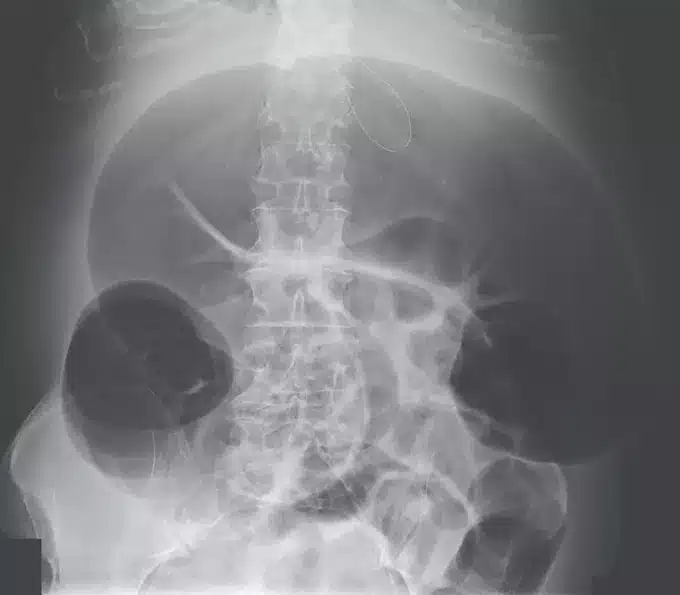
Your bowel is in constant motion. It contracts and relaxes in rhythmic waves to move food, fluid, and gas through your digestive system every hour of every day. However, sometimes this movement stops — even when there is no physical blockage present.
Intestinal pseudo-obstruction Ogilvie syndrome is a serious condition in which the large bowel loses its ability to move contents forward. As a result, the colon becomes massively distended with gas and fluid. Without prompt treatment, moreover, the consequences can include bowel rupture and life-threatening complications.
Understanding intestinal pseudo-obstruction Ogilvie syndrome — why the bowel stops moving, what causes it, and how doctors treat it — gives patients and caregivers the knowledge they need to recognise warning signs early and seek appropriate care without delay.
Quick Answer: What Is Intestinal Pseudo-Obstruction Ogilvie Syndrome?
Intestinal pseudo-obstruction Ogilvie syndrome is an acute condition in which the colon appears obstructed on imaging but has no mechanical blockage. The bowel stops moving because of a disruption in the nerve signals that control bowel muscle contractions. Consequently, gas and fluid accumulate rapidly and the colon distends to dangerous proportions.
The condition is named after Sir William Heneage Ogilvie, the British surgeon who first described it in 1948. It most commonly affects hospitalised patients who are already seriously ill, elderly, or recovering from major surgery. Furthermore, without timely treatment, it carries a real risk of bowel perforation and death.
How the Bowel Normally Moves
Understanding why the bowel stops moving in Ogilvie syndrome first requires a basic picture of normal bowel function. The large bowel — also called the colon — moves its contents through coordinated muscle contractions called peristalsis. These contractions depend entirely on a finely balanced network of nerve signals.
The autonomic nervous system controls bowel movement through two opposing branches. The parasympathetic nervous system stimulates bowel contractions and keeps things moving. The sympathetic nervous system, on the other hand, inhibits bowel movement and slows motility down.
In healthy bowel function, these two systems work in balance. However, when sympathetic activity dominates — as it does during serious illness, major surgery, or physiological stress — bowel contractions slow dramatically. Consequently, the colon loses its ability to propel contents forward and begins to dilate with trapped gas and fluid.
How the Bowel Stops Moving in Ogilvie Syndrome
In intestinal pseudo-obstruction Ogilvie syndrome, the bowel stops moving because of a functional failure — not a structural one. No physical blockage, tumour, or adhesion obstructs the bowel. Instead, the nerve signals that trigger peristalsis simply fail to fire effectively.
Researchers believe an imbalance between parasympathetic and sympathetic nerve activity drives this failure. Specifically, excessive sympathetic stimulation suppresses the normal contractions of the colon. As a result, the colon becomes atonic — flaccid and non-contracting — and begins to accumulate gas and fluid at an alarming rate.
The right colon and transverse colon typically distend the most. This is because these segments have the richest parasympathetic nerve supply and therefore respond most dramatically when that supply is disrupted. Consequently, the caecum — the first part of the large intestine — often reaches the largest diameter and faces the highest risk of perforation if treatment is delayed.
When the caecal diameter exceeds 12 centimetres on imaging, moreover, the risk of spontaneous perforation rises sharply. Perforation releases bowel contents into the abdominal cavity, causing faecal peritonitis — a rapidly fatal condition without emergency surgical intervention.
Types and Related Conditions
Acute Colonic Pseudo-Obstruction
Acute colonic pseudo-obstruction is the classical form of Ogilvie syndrome. It develops rapidly over hours to days, typically in a hospitalised or post-surgical patient. This is the most well-recognised and most studied form of the condition. Furthermore, it is the form most responsive to medical treatment when caught early.
Chronic Intestinal Pseudo-Obstruction
Chronic intestinal pseudo-obstruction is a separate and distinct condition. It involves recurrent or persistent failure of bowel motility across both the small and large intestine. Unlike Ogilvie syndrome, moreover, it tends to result from underlying neuromuscular disorders of the bowel wall itself. Consequently, it requires a different and more complex long-term management approach.
Paralytic Ileus
Paralytic ileus is closely related to Ogilvie syndrome but involves the small bowel rather than the colon. It commonly occurs after abdominal surgery, serious infection, or electrolyte imbalance. However, it tends to resolve more quickly than colonic pseudo-obstruction. Furthermore, it generally carries a lower risk of perforation because the small bowel tolerates distension better than the caecum.
What Causes Intestinal Pseudo-Obstruction Ogilvie Syndrome?
Intestinal pseudo-obstruction Ogilvie syndrome rarely develops in healthy people. Instead, it almost always arises as a complication of another serious medical condition or major physiological stress. Identifying the underlying trigger is therefore essential for effective management.
Surgery and Trauma
Major surgery is one of the most common triggers. Orthopaedic procedures — particularly hip and spine surgery — are especially associated with Ogilvie syndrome. Abdominal and pelvic surgery, cardiac surgery, and renal transplantation also carry significant risk. Furthermore, major trauma, burns, and spinal cord injury disrupt autonomic nerve signals directly and consequently predispose patients to colonic pseudo-obstruction.
Medical Illness and Medications
Serious medical illnesses frequently trigger the condition. These include severe infections and sepsis, myocardial infarction, respiratory failure, renal failure, and metabolic disturbances such as hypokalaemia, hypomagnesaemia, and hypothyroidism. Each of these conditions disrupts the autonomic balance that the colon depends on for normal motility.
Medications are also a major contributing factor. Opioid analgesics are particularly implicated because they directly suppress bowel motility by binding to receptors in the bowel wall. In addition, anticholinergic drugs, tricyclic antidepressants, calcium channel blockers, and general anaesthetic agents all reduce bowel contractility. Consequently, hospitalised patients receiving multiple medications face a substantially elevated risk of developing Ogilvie syndrome.
Electrolyte Imbalances
Electrolyte disturbances deserve special mention as a cause. Low potassium — called hypokalaemia — directly impairs the ability of bowel muscle cells to contract effectively. Similarly, low magnesium and low sodium disrupt the electrical signals that trigger peristalsis. Therefore, correcting electrolyte imbalances is a critical component of both preventing and treating Ogilvie syndrome in at-risk patients.
Symptoms of Intestinal Pseudo-Obstruction Ogilvie Syndrome
The symptoms of intestinal pseudo-obstruction Ogilvie syndrome reflect the massive colonic distension that drives the condition. They develop over hours to days and typically worsen progressively if the underlying cause goes unaddressed.
Abdominal Distension and Discomfort
Abdominal distension is the hallmark symptom. The abdomen swells visibly and dramatically as the colon fills with gas and fluid. In many cases, moreover, the swelling is asymmetrical — more pronounced on the right side where the caecum and right colon distend most severely. Discomfort or dull aching pain throughout the abdomen accompanies the distension in most patients.
However, pain is often surprisingly mild relative to the degree of distension. This is an important clinical point because it can mislead clinicians into underestimating the severity of the condition. Furthermore, when pain suddenly becomes severe and constant, this may signal impending perforation and demands immediate reassessment.
Nausea, Vomiting, and Bowel Changes
Nausea is common and frequently accompanies the abdominal distension. Vomiting occurs in some patients, particularly as distension progresses and increases pressure in the upper digestive tract. In addition, bowel sounds may be reduced or absent on clinical examination, reflecting the atonic state of the colon.
Many patients stop passing gas or stool — a symptom called obstipation. However, in some cases, patients continue to pass small amounts of liquid stool even in the presence of significant colonic distension. This can therefore be misleading and should not reassure clinicians that bowel function remains intact.
Signs of Perforation and Systemic Deterioration
If the condition progresses without treatment, signs of systemic deterioration emerge. High fever, rapid heart rate, and low blood pressure may develop as bowel bacteria translocate across the distended and increasingly compromised bowel wall. Consequently, this can progress to septic shock even before frank perforation occurs.
Perforation itself causes sudden and severe generalised abdominal pain, rigid abdomen, and rapid clinical deterioration. This constitutes a surgical emergency. In addition, patients with impending or actual perforation typically show a dramatic rise in inflammatory markers and signs of peritonitis on examination.
How Doctors Diagnose Intestinal Pseudo-Obstruction Ogilvie Syndrome
Accurate and rapid diagnosis of intestinal pseudo-obstruction Ogilvie syndrome is essential. Because the clinical presentation mimics mechanical bowel obstruction, moreover, doctors must distinguish between the two conditions quickly to avoid inappropriate treatment.
Clinical Assessment and Blood Tests
Clinical assessment begins with a careful history and physical examination. Doctors look for the classic combination of massive abdominal distension in a hospitalised or recently ill patient. Furthermore, they assess the degree of tenderness, the presence or absence of bowel sounds, and any signs of peritonitis that might suggest perforation.
Blood tests provide important supporting information. A full blood count may reveal elevated white cell count reflecting systemic stress. Electrolyte testing identifies hypokalaemia, hypomagnesaemia, or other imbalances contributing to the condition. In addition, thyroid function tests help exclude hypothyroidism as an underlying cause. Renal and hepatic function tests complete the baseline assessment.
Imaging Studies
Plain abdominal X-ray is typically the first imaging study performed. It reveals the characteristic pattern of massive colonic distension, often with a relatively decompressed small bowel. The caecal diameter can be measured directly on plain film. Consequently, this single measurement guides urgency of intervention — a diameter exceeding 12 centimetres signals high perforation risk.
CT scanning of the abdomen and pelvis provides the most comprehensive diagnostic information. It confirms colonic distension, rules out a mechanical cause of obstruction, identifies the transition point if one exists, and detects complications such as early ischaemia or free air indicating perforation. Furthermore, CT scanning helps identify the underlying precipitating cause in many cases.
Water-soluble contrast enema can also help confirm the diagnosis and, in addition, may have a therapeutic effect by stimulating bowel motility. However, it requires specialist performance and carries some risk in severely distended bowel, and is therefore used selectively.
Treatment of Intestinal Pseudo-Obstruction Ogilvie Syndrome
Treatment of intestinal pseudo-obstruction Ogilvie syndrome follows a stepwise approach based on the severity of distension, the duration of symptoms, and the clinical condition of the patient. The overarching goal is therefore to decompress the colon, restore bowel motility, and prevent perforation.
Conservative Management
Conservative management is the appropriate first step for most patients without signs of perforation or ischaemia. The patient stops all oral intake to rest the bowel. Nasogastric tube decompression reduces swallowed air accumulating in the upper gut. In addition, all medications that suppress bowel motility — particularly opioids and anticholinergics — are stopped or reduced wherever possible.
Correcting electrolyte imbalances is critical. Potassium, magnesium, and sodium levels are corrected promptly through intravenous replacement. Adequate hydration supports bowel circulation. Furthermore, regular positional changes — including prone positioning and knee-chest positioning — encourage redistribution of gas within the colon and consequently promote natural decompression.
Serial abdominal measurements and repeat plain X-rays monitor the caecal diameter every 12 to 24 hours. Moreover, improvement in distension within 24 to 48 hours of conservative measures is a reassuring sign. However, failure to improve or progressive distension demands escalation to pharmacological treatment without further delay.
Neostigmine Therapy
Neostigmine is the most effective pharmacological treatment for Ogilvie syndrome and consequently represents the cornerstone of medical management. It is an acetylcholinesterase inhibitor — a drug that increases acetylcholine levels at the bowel wall and therefore powerfully stimulates parasympathetic activity and colonic contractions.
A single intravenous dose of neostigmine produces rapid colonic decompression in approximately 80 to 90% of patients who receive it. The response is often dramatic — patients frequently pass large amounts of flatus and stool within minutes of administration. Furthermore, the caecal diameter reduces rapidly on subsequent imaging.
Neostigmine carries important side effects, however. It can cause bradycardia — slowing of the heart rate — bronchospasm, and excessive salivation. Consequently, it must be administered under cardiac monitoring with atropine available immediately to reverse these effects. In addition, neostigmine is contraindicated in patients with mechanical bowel obstruction, bowel perforation, severe bronchospasm, or significant bradycardia.
Colonoscopic Decompression
Colonoscopic decompression is indicated when conservative management and neostigmine fail to achieve adequate colonic deflation. A colonoscope is passed into the colon to aspirate gas mechanically and reduce distension directly. Furthermore, a decompression tube can be placed through the colonoscope and left in position to maintain deflation after the procedure.
Colonoscopic decompression achieves initial success in approximately 70 to 80% of cases. However, recurrence after colonoscopic decompression is common, affecting up to 40% of patients. Consequently, a repeated procedure or escalation to surgical management may become necessary in cases of recurrence or ongoing distension.
Surgical Intervention
Surgery is reserved for patients with perforation, ischaemia, or failure of all less invasive treatments. In cases of perforation, emergency laparotomy with resection of the perforated segment and formation of a stoma is typically required. The mortality associated with perforation and faecal peritonitis is high, however, which reinforces the importance of early diagnosis and treatment before surgical intervention becomes necessary.
In patients without perforation who fail other treatments, moreover, a caecostomy — a surgical procedure creating a controlled opening in the caecum to allow gas and fluid to escape — may be performed to decompress the bowel without full laparotomy. Furthermore, this approach avoids the higher risk associated with emergency bowel resection in a seriously ill patient.
Prevention of Ogilvie Syndrome in High-Risk Patients
Prevention is far more effective than treatment in patients at high risk of developing intestinal pseudo-obstruction Ogilvie syndrome. Therefore, proactive measures in surgical and critically ill patients are strongly recommended.
Early mobilisation after surgery reduces sympathetic nerve dominance and consequently promotes the return of normal bowel motility. Minimising opioid use through multimodal analgesia — using non-opioid pain medications alongside smaller opioid doses — significantly reduces the risk of opioid-induced bowel suppression. In addition, maintaining adequate hydration and promptly correcting electrolyte imbalances prevents the metabolic triggers that predispose vulnerable patients to the condition.
Regular bowel monitoring in high-risk patients — including serial abdominal assessments and timely abdominal X-rays when distension develops — allows early detection and consequently prevents progression to dangerous caecal dilatation.
Living With and Recovering From Ogilvie Syndrome
Most patients who receive timely and appropriate treatment recover well from intestinal pseudo-obstruction Ogilvie syndrome. However, recovery depends heavily on the severity of the underlying illness and whether complications such as perforation occurred.
Recovery and Bowel Rehabilitation
After successful decompression, bowel function typically returns gradually. A low-residue diet in the early recovery phase reduces the burden on the recovering colon. Gradual reintroduction of oral feeding supports the return of normal bowel motility. Furthermore, continued correction of electrolyte imbalances and progressive reduction in motility-suppressing medications supports full recovery.
In patients who experienced perforation or required surgery, moreover, recovery is significantly more prolonged. Stoma reversal — when appropriate — may be performed weeks to months after the initial emergency, depending on the patient’s overall recovery and nutritional status.
Recurrence and Long-Term Outlook
Ogilvie syndrome can recur, particularly in patients with persistent underlying risk factors such as ongoing serious illness, continued opioid use, or recurrent electrolyte disturbances. Therefore, long-term management of the underlying condition is essential to reduce recurrence risk.
In patients who develop recurrent episodes without a clear precipitating cause, moreover, investigation for an underlying chronic intestinal motility disorder is warranted. Consequently, gastroenterology follow-up after discharge is recommended for patients with recurrent or atypical presentations of the condition.
When to Seek Urgent Medical Help
Seek emergency medical care immediately if you or someone in your care develops rapidly progressive abdominal swelling, complete inability to pass gas or stool, sudden severe abdominal pain after a period of milder discomfort, high fever combined with abdominal distension, or rapid clinical deterioration with confusion and low blood pressure.
These symptoms may indicate impending or actual bowel perforation — a life-threatening emergency. Furthermore, any hospitalised patient who develops significant abdominal distension should receive prompt medical assessment without waiting for symptoms to worsen. Consequently, early escalation to the medical team is always the right course of action when bowel obstruction is suspected.
Frequently Asked Questions
1. What is the difference between Ogilvie syndrome and a real bowel obstruction?
In a true mechanical bowel obstruction, a physical barrier — such as a tumour, adhesion, or hernia — physically blocks the passage of bowel contents. In Ogilvie syndrome, however, no such barrier exists. The bowel stops moving because of a failure of nerve signalling rather than a structural blockage. Consequently, the colon dilates massively despite remaining physically open throughout its length.
2. Who is most at risk of developing Ogilvie syndrome?
Ogilvie syndrome most commonly affects elderly hospitalised patients recovering from major surgery, serious infection, or significant medical illness. Furthermore, patients receiving opioid medications, those with electrolyte imbalances, and those who have sustained spinal cord or retroperitoneal injuries face a substantially elevated risk. In addition, patients who are immobile for prolonged periods are also more vulnerable.
3. How effective is neostigmine for treating Ogilvie syndrome?
Neostigmine is highly effective. Studies consistently show it achieves colonic decompression in approximately 80 to 90% of patients. Moreover, the response is often rapid and dramatic, with significant passage of gas and stool occurring within minutes of administration. However, it must be given under careful cardiac monitoring because of the risk of bradycardia.
4. Can Ogilvie syndrome be fatal?
Yes, it can be fatal if not treated promptly. The main life-threatening complication is bowel perforation, which leads to faecal peritonitis and septic shock. Furthermore, patients who are already seriously ill tolerate these complications poorly. Consequently, mortality rates rise sharply when perforation occurs, particularly in elderly or medically frail patients.
5. Does Ogilvie syndrome recur after treatment?
Yes, recurrence is possible, particularly after colonoscopic decompression where recurrence rates reach up to 40%. Therefore, addressing the underlying precipitating factors — such as opioid use, electrolyte imbalances, and immobility — is essential after initial treatment. Moreover, patients with recurrent episodes require further investigation to exclude an underlying chronic intestinal motility disorder.
References
- Crohn’s disease is a chronic autoimmune inflammatory condition affecting the digestive tract.
- IBS has variable presentations recognizable by chronic abdominal pain and altered bowel habits without structural abnormality.
- According to WHO, typhoid fever is a life-threatening infection caused by the bacterium Salmonella enterica serotype Typhi (S. Typhi)
- Residual disease less than 1 centimeter.
- Most of these diagnoses happen between the ages of 40 and 49 PubMed Central.
Disclaimer
This article is for informational purposes only and does not constitute medical advice. It is not a substitute for professional diagnosis, treatment, or guidance from a licensed healthcare provider. If you have symptoms of intestinal pseudo-obstruction Ogilvie syndrome or any other medical condition, please consult a qualified doctor promptly. Always follow the advice of your healthcare team for your individual health needs.
Observer Voice is the one stop site for National, International news, Sports, Editor’s Choice, Art/culture contents, Quotes and much more. We also cover historical contents. Historical contents includes World History, Indian History, and what happened today. The website also covers Entertainment across the India and World.

