

Crohn’s Disease: Symptoms, Triggers, and Managing Life With It

Imagine waking up with severe abdominal pain and urgent diarrhea that forces you to stay near a bathroom. Imagine planning social activities constantly disrupted by flares. Imagine losing weight despite wanting to gain it, experiencing overwhelming fatigue, and struggling to maintain normal work or school schedules. This is the reality for millions of people with Crohn’s disease—a chronic autoimmune inflammatory condition affecting the digestive system in unpredictable and life-altering ways. Crohn’s disease is one of the two main forms of inflammatory bowel disease (IBD). The disease is named after Dr. Burrill Crohn, who first described it in 1932. Unlike many conditions that develop gradually, Crohn’s disease often strikes suddenly in young people, disrupting education, careers, relationships, and self-image during critical life stages. Crohn’s disease affects approximately 3 million people in the United States and 30 million people worldwide. The disease strikes people of all ages but typically develops in young people aged 15 to 35 years. Men and women are equally affected. The incidence is rising, particularly in developed countries. What makes Crohn’s disease particularly challenging is its unpredictability. The disease follows a relapsing-remitting course—patients experience unpredictable periods of severe symptoms (flares) followed by periods of improvement or remission. A patient might feel completely healthy one day and severely ill the next. This unpredictability makes planning impossible for many patients. Furthermore, Crohn’s disease can affect any part of the digestive tract from mouth to rectum, causing diverse symptoms. Some patients primarily experience abdominal pain and diarrhea. Others suffer from complications like fistulas or strictures. Some develop extraintestinal manifestations affecting joints, eyes, or skin. The wide variability in disease presentation means that no two Crohn’s patients have identical experiences. However, modern treatments have revolutionized outcomes. Where previous generations of Crohn’s patients faced progressive disability and repeated surgeries, today’s patients receiving early aggressive treatment can achieve remission and prevent complications. In this comprehensive article, we will explore what Crohn’s disease is, recognize early warning symptoms, understand common triggers that worsen disease, learn about serious complications that can develop, and discover effective strategies for managing life with Crohn’s disease to maintain quality of life and emotional wellbeing.
Understanding Crohn’s Disease: The Basics
Crohn’s disease is a chronic autoimmune inflammatory condition affecting the digestive tract. The disease is characterized by inflammation that can affect any part of the digestive system from the mouth to the rectum, though it most commonly affects the end of the small intestine (terminal ileum) and the beginning of the large intestine (cecum). A distinctive feature of Crohn’s disease is that inflammation is transmural—meaning it penetrates through all layers of the intestinal wall, from the innermost lining (mucosa) through to the outermost layer (serosa). This full-thickness inflammation explains why Crohn’s disease causes more serious complications than other forms of IBD. In Crohn’s disease, the body’s immune system mistakenly attacks the digestive tract lining. T lymphocytes and other immune cells infiltrate intestinal tissue, producing inflammatory chemicals including TNF-alpha and IL-6. These inflammatory signals cause the intestinal wall to swell, ulcerate, and become damaged. Over time, repeated inflammation and improper healing cause the intestinal wall to become thickened, scarred, and narrowed (strictures). In some cases, the intestinal wall becomes perforated, and pus-filled pockets (abscesses) develop. Abnormal tunnels (fistulas) sometimes form connecting different parts of the intestine to each other or to the skin. These complications develop because Crohn’s disease affects all layers of the intestinal wall, not just the surface lining. Crohn’s disease is fundamentally different from Irritable Bowel Syndrome (IBS), which causes digestive symptoms without actual inflammation. In Crohn’s disease, the intestine shows real inflammation, ulceration, and damage visible on endoscopy and biopsy. This inflammatory damage explains why Crohn’s disease requires aggressive anti-inflammatory and immunosuppressive treatment, while IBS is managed differently. Understanding Crohn’s disease as an autoimmune inflammatory condition helps explain why the disease causes the symptoms it does and why anti-inflammatory and immune-suppressing medications are effective treatments. The chronic, relapsing nature of Crohn’s disease reflects the ongoing immune dysfunction. Without treatment controlling inflammation, the disease persists indefinitely. However, modern treatments suppress immune attack, allowing remission—a state where inflammation subsides and symptoms improve or resolve.
Recognizing Early Symptoms: The Diagnostic Journey
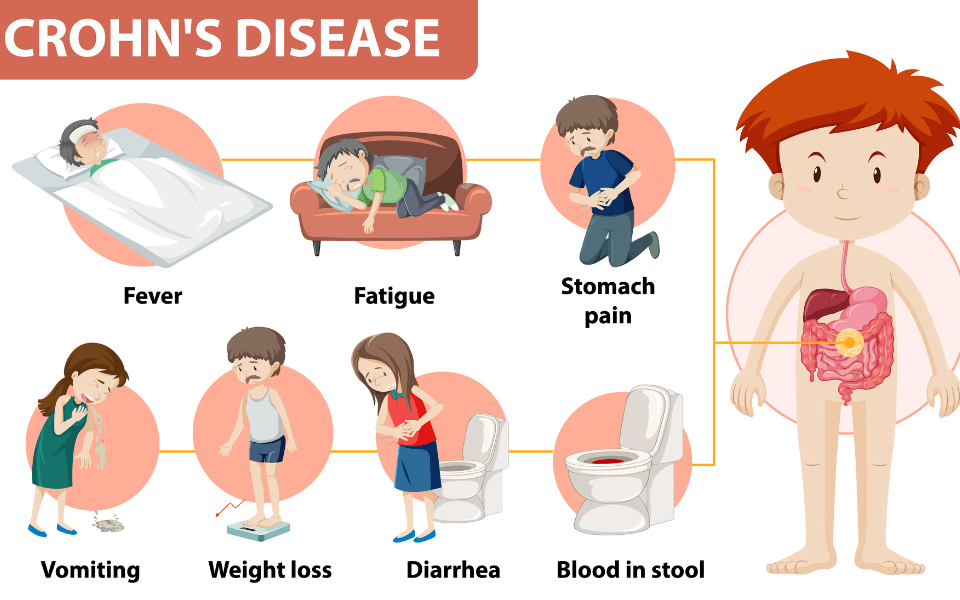
Crohn’s disease symptoms are variable because inflammation can affect different parts of the digestive tract in different patients. Recognizing early symptoms prompts medical evaluation allowing earlier diagnosis and treatment. However, many patients experience symptoms for months or years before diagnosis because symptoms are attributed to other causes. Diarrhea is one of the most common symptoms. Stools become loose or watery and occur more frequently than normal. Urgency—the sudden, strong need to defecate—is characteristic. Nocturia—urgency waking patients at night—disrupts sleep and causes fatigue. The frequent, urgent diarrhea causes embarrassment and social limitations. Some patients experience 10 to 20 bowel movements daily during severe flares. Bloody stools develop in some patients. Blood mixed with stool or visible blood on toilet paper appears. The bloody stools frighten patients and often prompt initial medical evaluation. However, some Crohn’s patients never develop bloody stools, unlike ulcerative colitis patients where bleeding is nearly universal. Abdominal pain is extremely common. The pain is often crampy, relating to intestinal inflammation and muscle contractions. The pain location varies depending on which part of the intestine is affected. Pain might be localized to the lower right abdomen (if the terminal ileum is affected) or diffuse throughout the abdomen. Pain intensity ranges from mild to severe and debilitating. Pain often worsens before bowel movements and improves afterward. Severe pain sometimes requires hospitalization. Weight loss develops from multiple factors. Malabsorption—the damaged intestine cannot absorb nutrients—contributes to weight loss. Patients often reduce oral intake because eating triggers pain or diarrhea. Chronic diarrhea causes caloric loss. The combination of malabsorption and reduced intake causes progressive weight loss. Patients might lose 10 to 20 pounds or more. Weight loss is particularly prominent in Crohn’s disease affecting the small intestine. Fatigue is extremely common and often the most limiting symptom. The fatigue is overwhelming—patients describe complete exhaustion despite minimal physical activity. Fatigue results from the chronic inflammatory state, blood loss if present, nutritional deficiencies, and poor sleep disrupted by nighttime diarrhea. Many patients describe fatigue as worse than physical symptoms. Fever sometimes develops during flares. Elevated body temperature indicates active inflammation. Mild fever is common during flares. High fever suggests serious complications like perforation or abscess. Perianal disease develops in about 30 percent of Crohn’s patients. This involves inflammation around the anus and rectum. Anal fissures (painful tears in anal skin), hemorrhoids (swollen veins), fistulas (abnormal tunnels), or abscesses (pus pockets) develop. These conditions are painful and distressing. Some patients experience perianal disease before intestinal symptoms, sometimes delaying intestinal disease diagnosis. Joint pain develops in about 20 percent of Crohn’s patients. Joints become painful and swollen, mimicking arthritis. Different joints might be affected at different times. The joint pain sometimes precedes intestinal symptoms. Eye inflammation (uveitis) develops in some patients. Eye pain, redness, and blurred vision develop. This serious complication requires urgent ophthalmologic evaluation. Skin manifestations develop in some patients. Erythema nodosum causes red, tender bumps on legs and arms. Pyoderma gangrenosum causes painful ulcers on skin. These skin conditions sometimes prompt dermatologic evaluation before GI symptoms are recognized. Mouth ulcers (aphthous ulcers) develop in some patients. Painful sores develop on tongue, lips, or gums. These can interfere with eating. Recognizing these early symptoms and seeking medical evaluation allows earlier diagnosis and treatment initiation preventing complications. Many patients report that their symptoms were dismissed as anxiety, IBS, or other conditions before Crohn’s disease diagnosis was made.
Understanding Crohn’s Disease Triggers
While Crohn’s disease is caused by autoimmune dysfunction, specific triggers can precipitate flares—periods when symptoms suddenly worsen. Understanding and avoiding personal triggers helps reduce flare frequency and maintain disease control. Certain foods trigger symptoms in many Crohn’s patients. High-fiber foods including whole grains, raw vegetables, and raw fruits worsen diarrhea and cramping. Fatty foods are poorly absorbed and worsen symptoms. Dairy products trigger symptoms in lactose-intolerant patients. Spicy foods irritate the inflamed intestine. Alcohol irritates the intestine and worsens inflammation. Caffeine stimulates intestinal motility worsening diarrhea. High-sugar foods and refined carbohydrates worsen symptoms in some patients. However, individual triggers vary tremendously—foods triggering one patient’s symptoms might be well-tolerated by another. Keeping detailed food diaries helps identify personal triggers. Stress is a well-known Crohn’s disease trigger. Psychological stress—from work, school, relationships, or major life events—triggers flares in many patients. The relationship between stress and Crohn’s is bidirectional—stress triggers flares, and flares trigger stress and anxiety. Stress management through meditation, yoga, counseling, or exercise helps reduce flare frequency. Infections often trigger Crohn’s disease flares. Gastrointestinal infections from bacteria, viruses, or parasites trigger inflammatory responses. Common upper respiratory infections trigger flares in some patients. The reason certain infections trigger Crohn’s flares is incompletely understood but appears related to immune system activation. Smoking is a powerful trigger and worsens disease severity. Smokers have more frequent flares, more severe disease, and poorer treatment response. Smoking cessation dramatically improves disease control. Smoking is one of the most modifiable risk factors affecting Crohn’s disease course. NSAIDs (nonsteroidal anti-inflammatory drugs) paradoxically can trigger Crohn’s disease flares despite being anti-inflammatory. Ibuprofen, naproxen, and aspirin should be avoided by Crohn’s patients. Acetaminophen is safer for pain relief. Sleep deprivation increases flare risk. Poor sleep quality worsens inflammation. Ensuring adequate sleep quality helps prevent flares. Hormonal changes affect Crohn’s disease activity. Many women report flare patterns relating to menstrual cycle—some experience worsening before menstruation. Hormonal contraceptives affect disease activity differently in different women. Pregnancy sometimes improves disease activity while other pregnancies worsen it. Oral antibiotics can trigger flares by disrupting the beneficial bacteria in the intestine. The loss of beneficial bacteria allows overgrowth of harmful bacteria. Broad-spectrum antibiotics have the greatest risk. Probiotics might help restore beneficial bacteria, though evidence is mixed. Environmental factors including temperature extremes might trigger flares in some patients. High stress situations including major life changes or trauma trigger flares. Travel—disrupting routine, exposing to new pathogens, and causing stress—triggers flares. Cold weather worsens symptoms in some patients. Excessive exercise or overexertion triggers flares in some patients. Finding personal triggers through careful observation helps patients avoid circumstances precipitating flares. Many patients develop intuition about their triggers and learn to recognize warning signs.
Serious Complications: Why Early Treatment Matters
Crohn’s disease can cause serious complications affecting quality of life and sometimes life expectancy. Understanding these complications emphasizes why early, aggressive treatment is so important—preventing complications is far easier than treating them. Strictures (narrowing of the intestine) develop from scarring of thickened, inflamed intestinal walls. Progressive stricturing makes it difficult for stool to pass. Patients experience cramping, bloating, and constipation. Severe stricturing causes intestinal obstruction requiring hospitalization or surgery. Approximately 50 percent of Crohn’s patients eventually develop strictures. Fistulas (abnormal tunnels between organs) develop from deep intestinal inflammation penetrating through all layers. Fistulas can connect different parts of the intestine (enteroenteral fistulas), connect intestine to bladder (enterovesical fistulas), or connect intestine to skin (enterocutaneous fistulas). Enterocutaneous fistulas drainage from the skin is distressing and infectious. Fistulas require aggressive anti-inflammatory treatment or surgery. Abscesses (pus-filled pockets) develop between intestinal layers from localized perforation. Patients develop fever, severe pain, and systemic infection. Abscesses require either drainage procedures or antibiotics combined with aggressive anti-inflammatory therapy. Serious infections including sepsis can develop if untreated. Intestinal perforation occurs when inflamed intestinal wall ruptures. Contents spill into the abdominal cavity causing peritonitis—life-threatening abdominal inflammation. Perforation is a surgical emergency requiring immediate surgery. Prevention through early aggressive anti-inflammatory treatment is crucial. Toxic megacolon is a rare but life-threatening complication where the colon dilates and loses normal function. Patients develop severe systemic illness with fever, severe abdominal pain, and shock. This complication requires emergency hospitalization and sometimes surgery. Malnutrition and nutritional deficiencies develop from malabsorption in patients with small intestine disease. The damaged intestine cannot absorb adequate nutrients. Deficiencies in protein, fat-soluble vitamins (A, D, E, K), vitamin B12, iron, and other minerals develop. This causes weight loss, anemia, bone disease, and immune dysfunction. Aggressive nutritional intervention is necessary. Anemia develops from blood loss (if present), iron deficiency, or vitamin B12 deficiency. Symptoms include fatigue, shortness of breath, and dizziness. Blood transfusions are sometimes necessary in severe cases. Bone disease (osteoporosis) develops from calcium and vitamin D malabsorption, chronic inflammation, and corticosteroid use. Patients develop weak bones prone to fractures. Bone density monitoring and supplementation are important. Arthritis and joint complications develop in about 20 percent of Crohn’s patients. Peripheral arthritis causes joint pain and swelling. Axial arthropathy affects the spine. Severe arthritis sometimes causes permanent joint damage. Eye complications including uveitis (eye inflammation) develop in some patients. Eye pain, redness, and vision changes occur. This complication requires urgent ophthalmologic treatment to prevent vision loss. Liver disease develops in about 5 to 10 percent of Crohn’s patients. Primary sclerosing cholangitis (inflammation of bile ducts) causes liver scarring and eventually cirrhosis. Regular liver monitoring is important. Growth failure in children with Crohn’s disease causes stunted growth and delayed puberty. The combination of malabsorption and chronic inflammation prevents normal growth. Aggressive treatment is crucial for preserving childhood growth. Cancer risk increases with long-standing, poorly controlled Crohn’s disease. The chronic inflammation increases colorectal cancer risk. Regular surveillance colonoscopies are recommended. Adequate disease control reduces cancer risk. These serious complications emphasize why early diagnosis and aggressive treatment are so important. Preventing complications through effective disease control is crucial for long-term health.
Treatment Options: From Symptom Relief to Disease Modification
Crohn’s disease treatment aims to induce remission, maintain remission, prevent flares, prevent complications, manage symptoms, and maintain quality of life. Different disease severity levels require different treatment approaches. NSAIDs should be avoided in Crohn’s disease despite being anti-inflammatory because they can paradoxically trigger flares. Acetaminophen is safer for pain relief. 5-aminosalicylate compounds (5-ASA) like mesalamine reduce mild inflammation. These are less effective in Crohn’s disease than in ulcerative colitis. They are used for mild disease and sometimes to maintain remission. However, most Crohn’s patients require more potent anti-inflammatory therapy. Corticosteroids like prednisone rapidly reduce inflammation. High-dose corticosteroids induce remission in moderate to severe flares. However, long-term corticosteroid use is avoided due to serious side effects including bone loss, infections, and metabolic problems. Corticosteroids are used short-term for flares, then tapered. Immunosuppressive medications including azathioprine and 6-mercaptopurine suppress immune activity. These medications help maintain remission after corticosteroid-induced remission. Methotrexate suppresses immune response and helps some Crohn’s patients. Regular blood monitoring is necessary to check for side effects. TNF inhibitors represent a major breakthrough in Crohn’s disease treatment. Infliximab, adalimumab, and etanercept block TNF-alpha, a key inflammatory chemical. TNF inhibitors induce remission in approximately 60 percent of patients. They maintain remission in many patients. TNF inhibitors are highly effective for both luminal disease and fistulizing disease. However, TNF inhibitors increase infection risk, requiring careful patient selection and monitoring. IL-12/IL-23 inhibitors including ustekinumab block interleukins involved in inflammation. These show efficacy for both induction and maintenance of remission. JAK inhibitors including tofacitinib block Janus kinases involved in inflammation. These oral medications show promise for Crohn’s disease induction and maintenance therapy. α4β7 integrin inhibitors including vedolizumab block immune cell entry into the intestine. This selective intestinal targeting provides benefit with fewer systemic immunosuppressive effects. These biologic therapies have transformed Crohn’s disease treatment. Many patients achieve complete remission with biologic therapy. Remission—no symptoms and normalized inflammation markers—is now a realistic treatment goal. Symptomatic treatment addresses specific symptoms while waiting for disease-modifying therapy to work. Antidiarrheal medications should be avoided in active disease as they increase perforation risk, but low-dose loperamide might be used cautiously in remission. Analgesics manage pain. Antispasmodics reduce cramping. Dietary counseling identifies trigger foods. Avoiding high-fiber foods, fatty foods, and dairy (if intolerant) helps. Elemental or semi-elemental formulas provide nutrition without fiber. Nutritional supplementation corrects deficiencies. Iron supplements correct anemia. Vitamin B12 supplementation is crucial for patients with terminal ileum disease. Calcium and vitamin D prevent bone disease. Folic acid supplements are given, particularly to patients on methotrexate. Surgery treats complications. Stricturoplasty widens strictured areas. Fistula drainage or surgical closure addresses fistulas. Bowel resection removes severely damaged sections. Surgery provides relief but disease often recurs in remaining bowel. Approximately 80 percent of Crohn’s patients eventually require surgery. Careful indication selection helps optimize outcomes. Psychological support helps patients cope with chronic disease. Counseling addresses depression and anxiety from disease burden. Antidepressants help some patients. Support groups provide understanding from others with Crohn’s disease.
Living with Crohn’s Disease: Daily Management Strategies
Living with Crohn’s disease requires ongoing medical management, dietary adjustments, activity pacing, and psychological adaptation. The chronic, unpredictable nature of the disease makes this challenging but manageable with proper strategies. Taking medications exactly as prescribed is absolutely essential. Missing doses of TNF inhibitors or other immunosuppressive medications allows disease activity to rebound causing flares. Regular dosing maintains consistent immune suppression. Some medications require regular infusions or injections requiring adherence to schedules. Missing medications can trigger severe flares. Regular medical appointments ensure proper disease monitoring. Gastroenterology visits assess disease activity. Blood tests and stool tests monitor inflammation markers. Imaging periodically assesses disease extent and complications. Treatment adjustments are made based on disease activity and treatment response. Regular monitoring prevents serious complications. Dietary management is crucial. Keeping detailed food diaries helps identify personal food triggers. Once triggers are identified, avoiding them reduces symptom frequency. Low-fiber diets are tolerated better during flares. High-fiber foods worsen diarrhea and cramping. Avoiding dairy products helps if lactose intolerant. Limiting fat intake helps. Avoiding spicy foods and caffeine reduces symptoms. Eating smaller, frequent meals is better tolerated than large meals. Staying hydrated is important—diarrhea causes fluid and electrolyte loss. Drinking water, electrolyte solutions, and broths maintains hydration. Adequate nutrition supports immune function and healing. Stress management is crucial since stress triggers flares. Regular meditation, yoga, or other relaxation techniques help. Counseling helps develop coping strategies. Setting boundaries helps reduce stress. Pursuing hobbies and activities brings joy and reduces stress. Sleep optimization is important. Sleep deprivation increases flare risk. Creating good sleep habits helps. Sleep disruption from pain or diarrhea requires addressing. Some patients find pain management before sleep improves sleep quality. Smoking cessation is crucial. Smoking dramatically worsens Crohn’s disease and reduces medication effectiveness. Smoking cessation improves disease control more than almost any other intervention. Exercise appropriate for current disease activity helps manage stress and mood. Gentle activities like walking or yoga are often well-tolerated. However, excessive exercise during flares can worsen symptoms. Pacing is important—rest when needed. Work and school considerations are important. Many Crohn’s patients maintain full-time employment or schooling with appropriate accommodations. Discussing Crohn’s disease with employers or teachers allows scheduling flexibility for medical appointments and symptom management. Some patients require frequent bathroom access. Flexible schedules for flare periods help. Disability support becomes necessary for some patients. Social connections help prevent isolation. Many patients with Crohn’s disease withdraw from social activities due to bathroom urgency or embarrassment. However, maintaining social connections supports mental health. Honest communication about limitations helps friends understand. Support groups provide understanding and mutual support. Sexual health might be affected by abdominal pain, fatigue, or psychological factors. Open communication with partners helps. Mental health support addresses sexual dysfunction. Many couples successfully navigate Crohn’s disease impact on relationships through communication and adaptation. Reproductive planning requires discussion with doctors before pregnancy. Many Crohn’s medications are safe in pregnancy. Pregnancy is possible for most patients with proper planning. Mental health support is crucial. Depression affects about 25 percent of Crohn’s patients from disease burden and chronic illness. Anxiety about flares and social limitations is common. Counseling helps address psychological effects of chronic disease. Antidepressants help some patients. Support groups provide understanding. Many patients find that connecting with others managing Crohn’s disease helps. Financial planning is important. Medications and medical care create substantial financial burden. Disability income might be necessary if unable to work. Insurance planning and financial counseling help navigate costs. Many organizations provide financial assistance for Crohn’s patients. Family and caregiver support is invaluable. Educating loved ones about Crohn’s disease helps them understand limitations and needs. Open communication about disease impact on relationships helps. Support groups for caregivers help family members cope. Many patients find that Crohn’s disease brings them closer to supportive family members.
Frequently Asked Questions (FAQs)
Q1: Can someone get Crohn’s disease from another person?
No, Crohn’s disease is absolutely not contagious. You cannot catch Crohn’s disease from another person through any form of contact, including sharing food, drinks, or bathrooms. Crohn’s disease is an autoimmune disease resulting from the body’s own immune system malfunctioning, not from infection with contagious organisms. However, Crohn’s disease does run in families, suggesting genetic factors increase risk. If family members have Crohn’s disease or other autoimmune diseases, their risk is higher. Family members can assess personal risk and watch for early symptoms.
Q2: Can Crohn’s disease be cured by surgery?
Surgery cannot cure Crohn’s disease because the disease affects the entire digestive tract. Removing affected sections might relieve symptoms from that area, but the disease often recurs in remaining bowel. Approximately 80 percent of Crohn’s patients eventually require surgery to treat complications like strictures, fistulas, or obstructed bowel. However, surgery provides symptom relief rather than cure. Modern medical management with biologic therapies reduces surgery necessity by controlling disease before complications develop. Early aggressive medical treatment is preferable to surgery when possible.
Q3: What is the most common trigger for Crohn’s disease flares?
Stress is one of the most common flare triggers, though triggers vary tremendously between individuals. Certain foods trigger flares in many patients—high-fiber foods, fatty foods, dairy products, and spicy foods are common culprits. Infections sometimes trigger flares. Smoking worsens disease severity. Sleep deprivation increases flare risk. Hormonal changes affect some women’s disease activity. Identifying personal triggers through careful observation helps patients avoid circumstances precipitating flares. Many patients develop intuition about their triggers.
Q4: Can someone with Crohn’s disease maintain normal weight?
Weight maintenance or gain can be difficult in Crohn’s disease due to malabsorption and reduced appetite from pain. However, with effective disease control through modern medications, many patients stabilize weight. Some patients achieve weight gain with proper nutrition and adequate disease control. During remission, many patients maintain relatively stable weight. However, flares often cause weight loss despite best efforts. Working with nutritionists helps optimize nutrition despite disease challenges. Adequate calories, protein, and micronutrients support healing and maintain weight.
Q5: Does Crohn’s disease affect life expectancy?
With modern medical treatments and proper disease management, life expectancy in Crohn’s disease approaches normal. While untreated Crohn’s disease can cause serious complications affecting life expectancy, early diagnosis and aggressive treatment prevent most serious outcomes. Some studies show that Crohn’s patients with adequate disease control have life expectancy similar to the general population. The key to normal life expectancy is early diagnosis and effective treatment maintaining remission. Regular medical monitoring and appropriate treatment are crucial.
Key Takeaways
Crohn’s disease is a chronic autoimmune inflammatory condition affecting the digestive tract from mouth to rectum. The disease characteristically causes transmural (full-thickness) inflammation explaining why serious complications like strictures, fistulas, and abscesses develop. Early symptoms including diarrhea, abdominal pain, bloody stools, weight loss, and fatigue should prompt medical evaluation. Many patients experience symptoms for months or years before diagnosis. Understanding personal triggers—foods, stress, infections, smoking—helps reduce flare frequency. Serious complications including strictures, fistulas, abscesses, perforation, and toxic megacolon can develop requiring hospitalization or surgery. Modern biologic therapies achieve remission in many patients, transforming disease course. Approximately 80 percent of Crohn’s patients eventually require surgery for complications. With early aggressive treatment and proper disease management, most patients maintain good quality of life. Life expectancy with well-treated Crohn’s disease approaches normal. Support groups and mental health care are important for coping with chronic disease. Understanding Crohn’s disease and its management helps patients take active roles in disease control and achieve best possible outcomes.
References
- World Health Organization (WHO). “Crohn’s Disease and Inflammatory Bowel Disease.” Retrieved from https://www.who.int/
- American College of Gastroenterology. “Crohn’s Disease Clinical Guidelines and Resources.” Retrieved from https://gi.org/
- Mayo Clinic. “Crohn’s Disease: Causes, Symptoms, and Treatment.” Retrieved from https://www.mayoclinic.org/
- Cleveland Clinic. “Crohn’s Disease: Complete Information and Management.” Retrieved from https://my.clevelandclinic.org/
- Crohn’s & Colitis Foundation. “Crohn’s Disease Resources and Support.” Retrieved from https://www.crohnscolitisfoundation.org/
- National Institute of Diabetes and Digestive and Kidney Diseases. “Crohn’s Disease Information.” Retrieved from https://www.niddk.nih.gov/
Related Articles on ObserverVoice.com
Explore more health and science topics on our platform:
- Inflammatory Bowel Disease (IBD): Crohn’s Disease vs Ulcerative Colitis
- Understanding Autoimmune Diseases: When Your Immune System Attacks Itself
- The Digestive System: How Your Body Processes Food
- Chronic Inflammation: The Root of Many Diseases
- Living with Chronic Illness: Adaptation and Support Strategies
- Mental Health and Chronic Digestive Disease: The Psychological Impact
Disclaimer
This article adapts publicly available information from WHO’s Crohn’s Disease and Inflammatory Bowel Disease page. This content is for informational and educational purposes only and does not constitute medical advice. [ObserverVoice.com] is a news and information platform — not a healthcare provider. If you suspect you have Crohn’s disease, experiencing persistent diarrhea, abdominal pain, bloody stools, weight loss, or other digestive symptoms, consult a qualified gastroenterologist for proper evaluation. Early diagnosis and aggressive treatment are crucial for preventing serious complications and maintaining quality of life. Never ignore progressive digestive symptoms or assume they represent normal GI upset. Always seek guidance from licensed gastroenterologists and healthcare specialists for proper diagnosis, treatment selection, and ongoing management of Crohn’s disease.
Observer Voice is the one stop site for National, International news, Sports, Editor’s Choice, Art/culture contents, Quotes and much more. We also cover historical contents. Historical contents includes World History, Indian History, and what happened today. The website also covers Entertainment across the India and World.

