

Oil Prices Surpass $100 Amid Iran Conflict Disrupting Supply: Will G7 Activate Emergency Reserves?

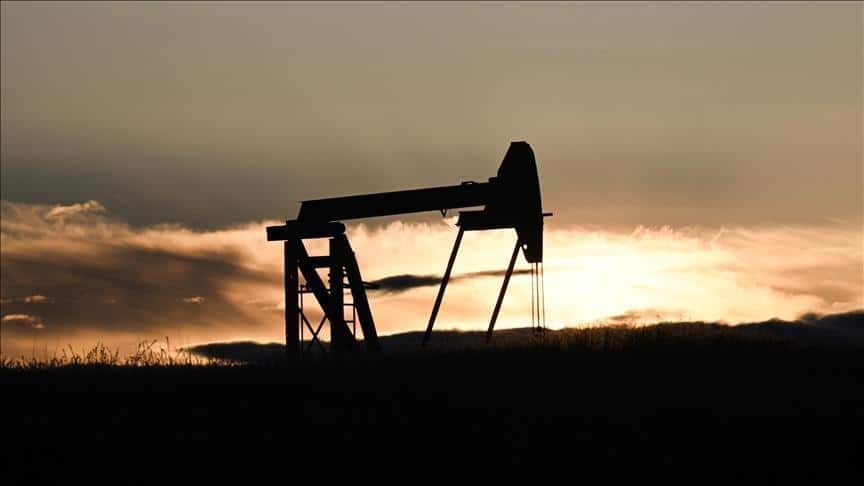
As the ongoing conflict in the Middle East disrupts energy supplies, G-7 nations are contemplating a coordinated release of strategic oil reserves to stabilize soaring crude prices. A report from the Financial Times indicates that finance ministers from the Group of Seven will convene on Monday to discuss this potential action. The meeting, scheduled for 8:30 AM New York time, aims to address the escalating prices of oil, with the International Energy Agency involved in any decisions made. So far, three G-7 countries, including the United States, have expressed support for this initiative.
Potential Joint Release of Oil Reserves
The G-7 finance ministers are set to deliberate on a joint release of strategic oil reserves, a move that has been historically rare. Such coordinated drawdowns have only occurred five times in the past, primarily in response to significant global events. Notably, two of these instances were triggered by Russia’s invasion of Ukraine in 2022. Other past releases were implemented to manage supply disruptions caused by events like Hurricane Katrina, conflicts in Libya, and the first Gulf War. The current situation, marked by the ongoing crisis in the Middle East, has prompted discussions about a similar response to mitigate the impact on global oil markets.
Surging Oil Prices Amid Supply Disruptions
The conflict has led to a dramatic increase in oil prices, with Brent crude nearing $120 a barrel, a significant rise from approximately $72 prior to the outbreak of hostilities. As of Monday, Brent crude was reported at over $118 per barrel, while U.S. West Texas Intermediate (WTI) also saw a substantial increase, climbing nearly 30% from its previous close of $90.90. At 0230 GMT, WTI was priced at $118.21 per barrel, reflecting a 30.04% increase, while Brent was up 27.54% at $118.22. The surge in prices is largely attributed to the effective closure of the Strait of Hormuz, which has trapped oil exports from Persian Gulf producers, exacerbating the supply crisis.
Impact on Global Consumers and Oil Producers
The repercussions of the supply disruptions are being felt by consumers worldwide. Long queues at petrol stations have become common, while jet fuel prices are on the rise, leading to increased airfares. Many Asian refineries, heavily reliant on Middle Eastern oil, are struggling to maintain operations due to the lack of alternative supplies. Major oil-producing nations, including the United Arab Emirates and Iraq, have been compelled to cut production due to limited storage capacity. Meanwhile, Saudi Arabia is actively seeking to reroute shipments to the Red Sea to mitigate the impact of the ongoing crisis.
Market Reactions and Future Considerations
Reports of a potential coordinated release of oil reserves have provided some relief to the market, helping to temper the rapid price increases. According to sources cited by the Financial Times, some U.S. officials believe that a joint release of between 300 million to 400 million barrels—approximately 25% to 30% of the 1.2 billion barrels held in reserve—would be a suitable response to the current situation. As discussions continue among G-7 nations, the outcome could significantly influence global oil prices and supply stability in the coming weeks.
Observer Voice is the one stop site for National, International news, Sports, Editor’s Choice, Art/culture contents, Quotes and much more. We also cover historical contents. Historical contents includes World History, Indian History, and what happened today. The website also covers Entertainment across the India and World.
Follow Us on Twitter, Instagram, Facebook, & LinkedIn

