

Basmati Exports Affected by Middle East Conflict, 400,000 Metric Tonnes Accumulate at Ports

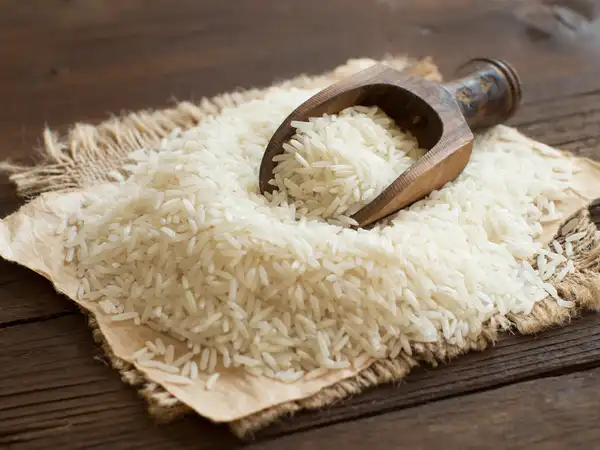
A significant escalation in the Middle East conflict has severely impacted India’s basmati rice exports, leaving approximately 400,000 metric tons of the premium grain stranded at ports and in transit. The situation has worsened since the recent military actions involving the US and Israel against Iran, which have caused freight rates to soar, effectively halting new export deals. As a result, Indian exporters are facing unprecedented challenges in fulfilling their commitments to key markets in the region.
Impact on Basmati Rice Shipments
The ongoing conflict has created a logistical nightmare for Indian basmati rice exporters. According to Satish Goel, president of the All India Rice Exporters’ Association (AIREA), around 200,000 tons of basmati rice are currently stuck in transit, with an equal amount stranded at Indian ports. The disruption of shipping routes across the Middle East has made it increasingly difficult for exporters to deliver their products. Goel emphasized that the rising container freight costs have rendered shipments to the Middle East unfeasible, leaving exporters with no viable alternative markets to absorb such large volumes of rice on short notice.
The conflict escalated further on Monday, with Israel launching strikes in Lebanon and Iran retaliating by targeting energy infrastructure in Gulf countries. This has led to tankers and container vessels avoiding the crucial Strait of Hormuz, as insurers have withdrawn coverage, resulting in a sharp increase in global shipping rates. The combination of these factors has left a significant amount of cargo lying idle, prompting AIREA to seek assistance from the commerce ministry to mitigate mounting storage costs and the burden of higher freight charges.
Exporters’ Response to the Crisis
In light of the current situation, many exporters are refraining from accepting new orders from the Middle East and are instead focusing on fulfilling existing contracts. A dealer based in New Delhi noted that both buyers and sellers recognize the unprecedented nature of the crisis. If disruptions continue, some exporters may invoke force majeure, a legal clause that allows them to avoid liability for failing to meet contractual obligations due to unforeseen circumstances.
The trade shock comes on the heels of a record basmati harvest in India this year, which has now been overshadowed by the abrupt slowdown in exports. As a result, prices for basmati rice have dropped by nearly 6 percent. This decline in prices is concerning for exporters who rely heavily on the Middle Eastern market, where basmati rice is a staple food.
Market Dependence on Indian Basmati
India and Pakistan are the only countries that extensively cultivate basmati rice, a long-grain variety prized for its use in dishes like biryani and pilafs. Indian basmati is particularly sought after in the Middle East, where it holds a significant market share. A trader based in Mumbai highlighted the critical role of Indian basmati in the region, stating that there is no real substitute for these supplies. He expressed optimism that once the conflict subsides, countries in the Middle East will begin to stock up on basmati rice again.
The current crisis underscores the vulnerability of global supply chains to geopolitical tensions. As the situation evolves, the future of India’s basmati rice exports remains uncertain, with exporters hoping for a swift resolution to the conflict that has disrupted their operations and affected their livelihoods.
Observer Voice is the one stop site for National, International news, Sports, Editor’s Choice, Art/culture contents, Quotes and much more. We also cover historical contents. Historical contents includes World History, Indian History, and what happened today. The website also covers Entertainment across the India and World.

