

Oil Prices Rise Amid Global Supply Concerns from Strait of Hormuz Disruptions

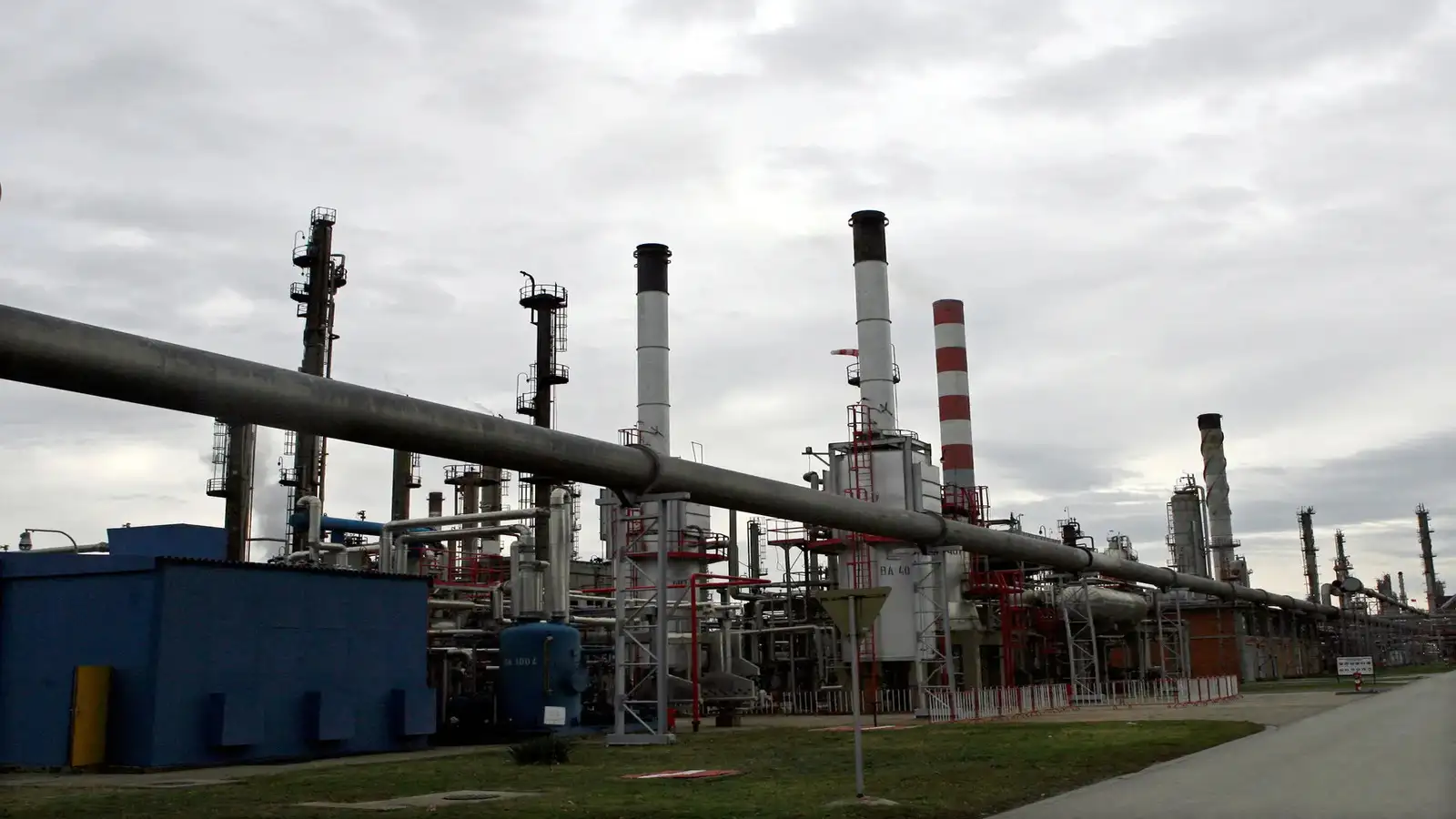
Oil prices experienced a significant surge on Monday, driven by disruptions in tanker traffic through the Strait of Hormuz amid escalating tensions between the US, Israel, and Iran. US crude prices jumped by 7.6% to reach $72.12 per barrel, while Brent crude rose by 8.6% to $79.11 per barrel. The situation has also impacted European natural gas futures, which soared over 40% following Qatar’s decision to halt liquefied natural gas (LNG) production due to the ongoing conflict. This spike in energy prices raises concerns about potential increases in gasoline costs for American consumers and broader inflationary pressures worldwide.
Disruptions in the Strait of Hormuz
The Strait of Hormuz, a vital passage for global oil supply, has become a focal point for market concerns. Approximately 20% of the world’s oil transits through this narrow waterway. Recent reports indicate a sharp decline in tanker traffic, attributed to disruptions in satellite navigation systems. The UK Maritime Trade Operations Centre has reported attacks on multiple vessels in the region, warning of increased electronic interference affecting tracking systems. In a troubling incident, a bomb-carrying drone targeted a Marshall Islands-flagged oil tanker in the Gulf of Oman, resulting in the death of one mariner. Iran has issued threats against vessels approaching the strait and is suspected of conducting several attacks in the area.
Saudi Arabia’s Response and Regional Tensions
In response to the escalating tensions, Saudi authorities reported intercepting Iranian drones aimed at the Ras Tanura oil refinery near Dammam. This prompted a temporary shutdown of some refinery units as a precautionary measure. Analysts are closely monitoring the situation, as there are concerns that the conflict could extend to other major oil-producing nations in the Gulf region. For many Middle Eastern oil exporters, the Strait of Hormuz remains a critical route for oil shipments. Although some pipelines exist to bypass the strait, their limited capacity means they cannot accommodate the majority of oil exports from countries like Saudi Arabia, Iraq, and the UAE.
Impact on Global Energy Markets
The recent surge in oil prices comes at a time when US gasoline prices were already on the rise, ahead of the summer driving season. According to AAA, the national average price for a gallon of regular fuel increased by more than five cents last week, reaching $2.98. Typically, fluctuations in crude oil prices reflect at the pump within about 20 days, with a $10 increase in crude translating to an approximate 25-cent rise in gasoline prices. In Europe, while taxes constitute a significant portion of fuel costs, higher energy prices can still have a ripple effect throughout the economy. Holger Schmieding, chief economist at Berenberg Bank, estimates that a sustained $15 per barrel increase could add 0.5 percentage points to consumer inflation in Europe.
Qatar’s LNG Production Halt
In a related development, QatarEnergy announced the suspension of its LNG production, citing the ongoing military operations involving the US and Israel in Iran. This decision is particularly impactful for Europe, which relies heavily on Qatari LNG to compensate for reduced gas supplies from Russia following the Ukraine conflict. The halt in production has led to a surge in European April futures contracts, which rose to 45.46 euros ($53.26) per megawatt-hour. As the situation unfolds, the global energy market remains on high alert, with potential implications for consumers and economies worldwide.
Observer Voice is the one stop site for National, International news, Sports, Editor’s Choice, Art/culture contents, Quotes and much more. We also cover historical contents. Historical contents includes World History, Indian History, and what happened today. The website also covers Entertainment across the India and World.
Follow Us on Twitter, Instagram, Facebook, & LinkedIn

