

FTA: Genuine European Car Companies to Receive Duty Benefits

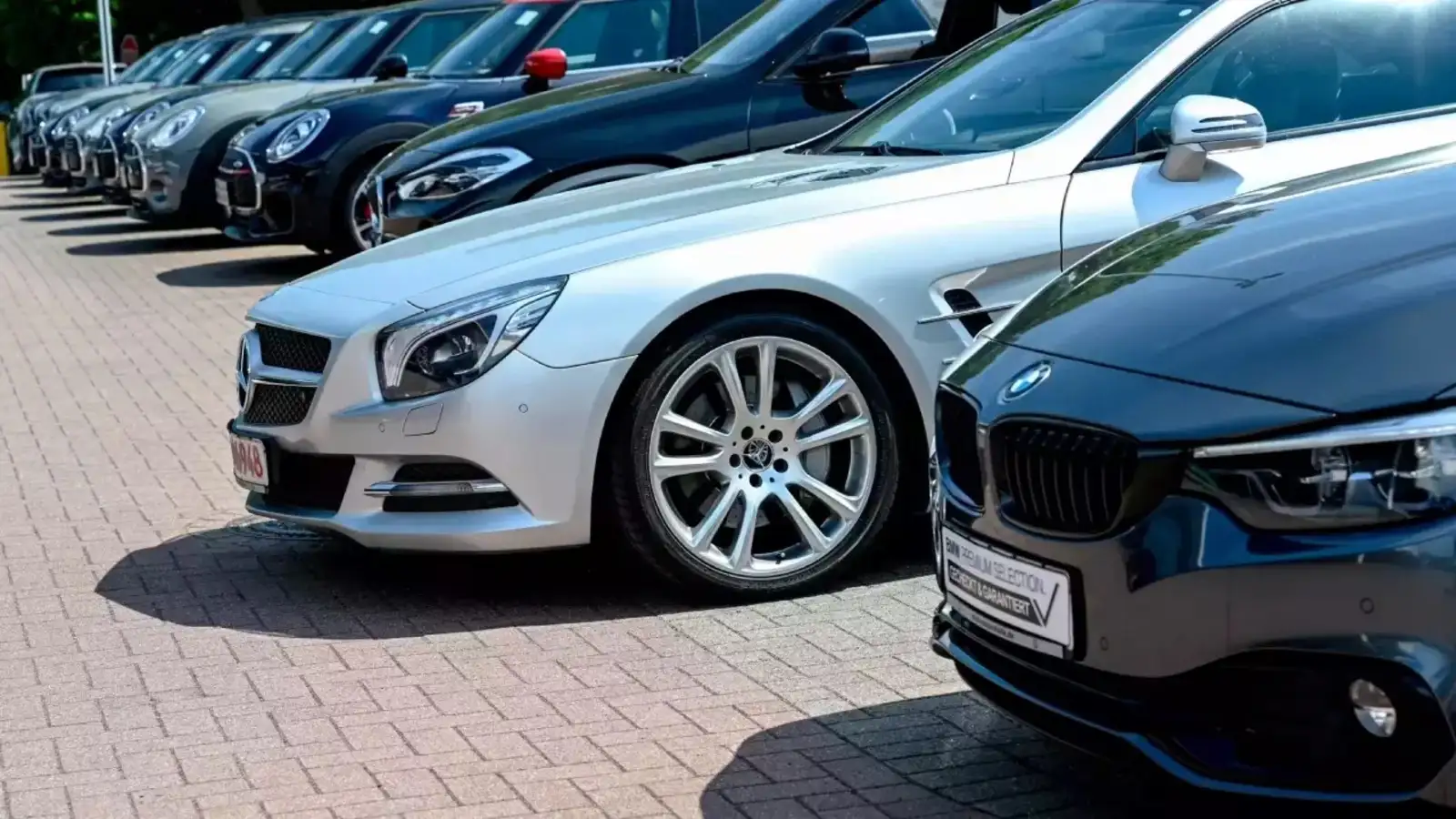
New Delhi is set to benefit from a new trade agreement that will allow European Union car manufacturers to access the Indian market with reduced tariffs on passenger vehicles. This deal, which focuses on vehicles priced above Rs 25 lakh, will grant an annual quota of 1.6 lakh diesel and petrol vehicles and 90,000 electric vehicles. While traditional internal combustion engine vehicles will see immediate tariff reductions, electric vehicles will only benefit after five years. The agreement aims to support both European carmakers and Indian manufacturers, ensuring a balanced market entry.
Details of the Trade Agreement
The newly established trade agreement between India and the European Union outlines specific quotas for vehicle imports. Initially, India will allow the import of 1 lakh diesel and petrol vehicles, with the quota increasing to 2 lakh by the tenth year and reaching 2.5 lakh by the fourteenth year. The agreement also includes a reduction in tariffs for completely knocked down (CKD) kits for 75,000 internal combustion engine vehicles, which will see duties halved from the current 16.5%. This move is expected to lower the prices of luxury cars assembled in India, making them more accessible to consumers.
The tariff reductions will vary based on the type of vehicle. Internal combustion engine vehicles will benefit from a reduced tariff of 30% or 35% in the first year, depending on their cost. However, electric vehicles will not see any tariff benefits until the fifth year, highlighting a gradual approach to integrating electric vehicles into the Indian market. By the tenth year, the duty for these vehicles will drop to 10% for a maximum of 2.5 lakh cars.
Impact on European Carmakers
The trade agreement is designed to primarily benefit established European car manufacturers, including BMW, Mercedes, Audi, Skoda-Volkswagen, Stellantis, Volvo, and Renault. Officials have indicated that the treaty provisions are structured to ensure that only genuine manufacturers can take advantage of the concessions. This approach addresses concerns from both Indian and European auto players about potential market exploitation.
Industry insiders suggest that many European carmakers plan to use the import route to test the market for new models before committing to local assembly. A senior government official noted that the agreement encourages local assembly as sales volumes increase, ensuring that the quota will not exceed three lakh units at any time. Overall, the number of vehicles imported under this agreement is expected to remain below 2.5% of total vehicle sales in India.
Opportunities for Indian Automakers
While the agreement favors European manufacturers, it also presents opportunities for Indian carmakers. The EU will provide a quota that is 2.5 times higher than what India will offer to the trading bloc. For vehicles priced up to 50,000 euros, India’s quota will allow for 6.25 lakh vehicles. This reciprocal arrangement is designed to enhance market competition and encourage local production.
Officials have emphasized the importance of developing supply chains within India. By the tenth year, tariffs on auto parts will decrease to zero, facilitating the establishment of local manufacturing capabilities. This strategic move aims to bolster the Indian automotive industry and promote value addition within the country, ultimately benefiting consumers through a wider range of vehicle options and potentially lower prices.
Observer Voice is the one stop site for National, International news, Sports, Editor’s Choice, Art/culture contents, Quotes and much more. We also cover historical contents. Historical contents includes World History, Indian History, and what happened today. The website also covers Entertainment across the India and World.

